
Our review · SÃO PAULO TOURS
São Paulo: Liberdade Street Food Tour
São Paulo’s Liberdade is more than a Japanese quarter. It is a busy meeting point of Japanese, Brazilian, Korean, Chinese, Congolese, and Haitian cultures, and this small-group food walk lets you taste that mix one snack at a time. I like the way the food carries the history, from Japanese pastel to Brazilian-style takoyaki.
I also like the compact size, limited to 10 people, and the guide Giuliano’s lively, clear English. The main consideration is that the exact savory stop can change: on weekdays, takoyaki or tempura may be replaced by Argentine empanadas, and one person found the final food stop disappointing. Arrive hungry, and arrive early, since latecomers cannot join once the tour begins.
Key points at a glance
- Japanese pastel and onigiri: Start with two approachable bites that show how Japanese food has taken on a São Paulo character.
- Four food traditions in one walk: Depending on the day, your tastings include Japanese, Brazilian, Korean, and Argentine influences.
- Liberdade’s immigrant story: Learn how the district changed from a military area into a center of Japanese settlement and later migration.
- Sugarcane juice included: The tropical drink adds a distinctly Brazilian note to the tasting.
- Small group of up to 10: The format makes it easier to hear the guide and ask questions.
- Two hours, with a filling finish: This is a snack-heavy outing, not a light sampling. Save room, but do not eat a large meal first.
Why Liberdade makes such a good food tour
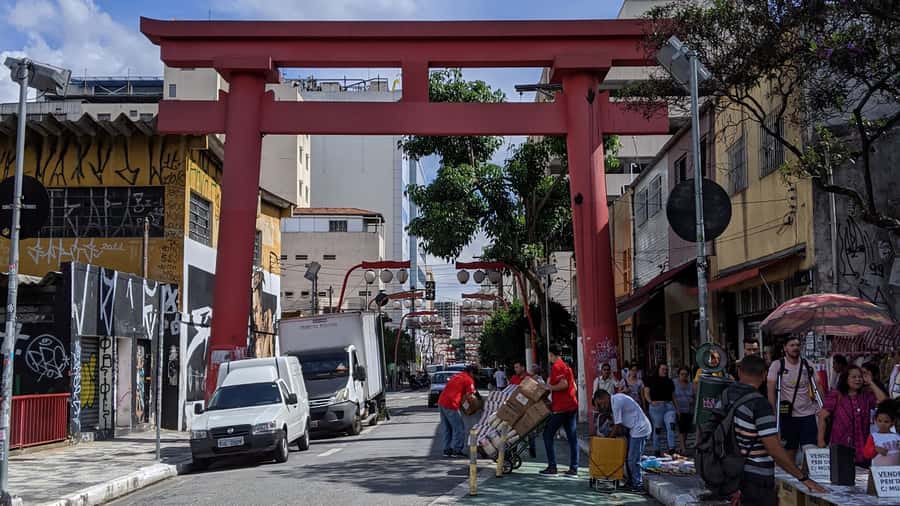
Liberdade is often introduced as São Paulo’s Japanese neighborhood, and that description is useful but incomplete. The district has a strong Japanese identity, yet it also reflects newer migration from China, Korea, Congo, and Haiti, alongside a major Afro-Brazilian presence.
That makes the neighborhood a good place to think about food as living history. Recipes travel with people, then change in their new home. A Japanese pastel with a Brazilian drink is not simply a foreign dish served abroad. It shows how immigrant traditions and local habits meet in São Paulo.
You begin outside the large red Bradesco Bank in the middle of Liberdade Square. That clear landmark matters in a neighborhood where signs, crowds, and side streets can make a first meeting point harder to spot. Plan to be there before the scheduled time. The guide starts strictly on time and will not check the phone after the walk begins.
The tour lasts two hours, with the guided food portion listed as about 105 minutes. That leaves enough time for movement between food stops and a walk through the area without turning the outing into an exhausting half-day activity.
more São Paulo days to choose between
- São Paulo 5 Hour Private Tour With Fruit Tasting
★ 5.0 · 93 reviews - Gastronomic Tour São Paulo – Culture & History Through The Art Of Food – Private
★ 5.0 · 50 reviews - From São Paulo: São Roque Wineries Route and Tasting of Wine
★ 4.9 · 22 reviews
The first bites: Japanese pastel and onigiri
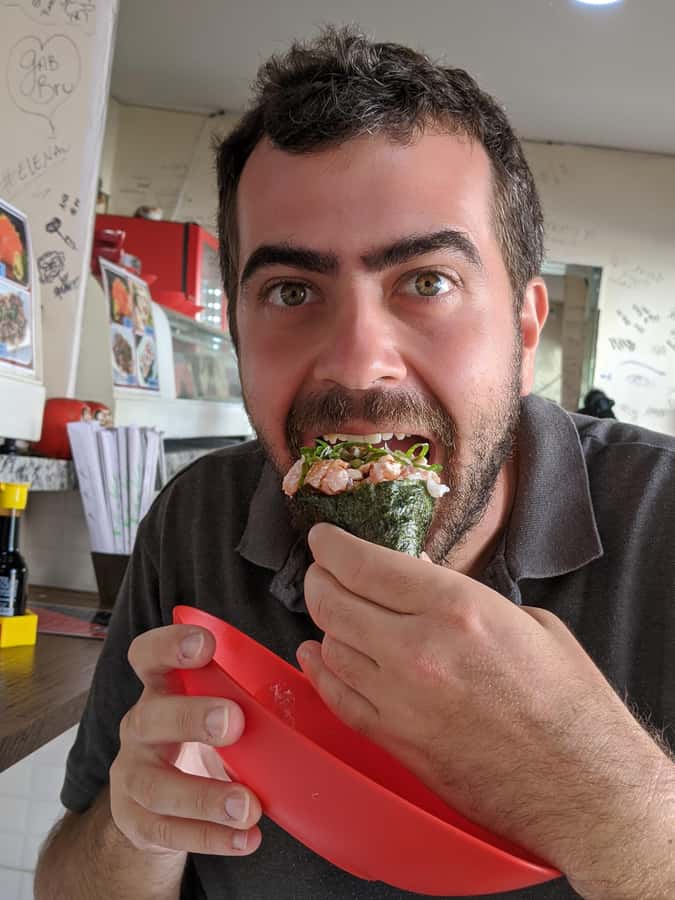
The first included foods are Japanese pastel and onigiri. Pastel is closely associated with Brazilian street food, usually a crisp filled pastry, but the Japanese version gives the familiar format a different cultural angle. It is a useful opening bite because it shows that Liberdade’s food is not divided into neat national boxes.
Onigiri brings another side of Japanese everyday food to the table. These rice snacks are simple, portable, and closely tied to Japanese home cooking and convenience food culture. Taken together, the pastel and onigiri give you an early lesson in adaptation: one snack connects Brazil and Japan through a local format, while the other points more directly to Japanese tradition.
I like that these are not merely decorative samples chosen for photographs. They help explain why Liberdade’s food feels different from a standard Japanese restaurant meal. You are tasting Japanese influence as it developed in São Paulo, not being given a generic sushi introduction.
The tour is designed around three main snack servings, but the food is substantial enough that you should not treat this as a quick appetizer stop. One previous participant specifically advised arriving hungry, and that is practical advice. If you eat a full lunch beforehand, the later bites may feel like too much.
Takoyaki, tempura, or an Argentine weekday change
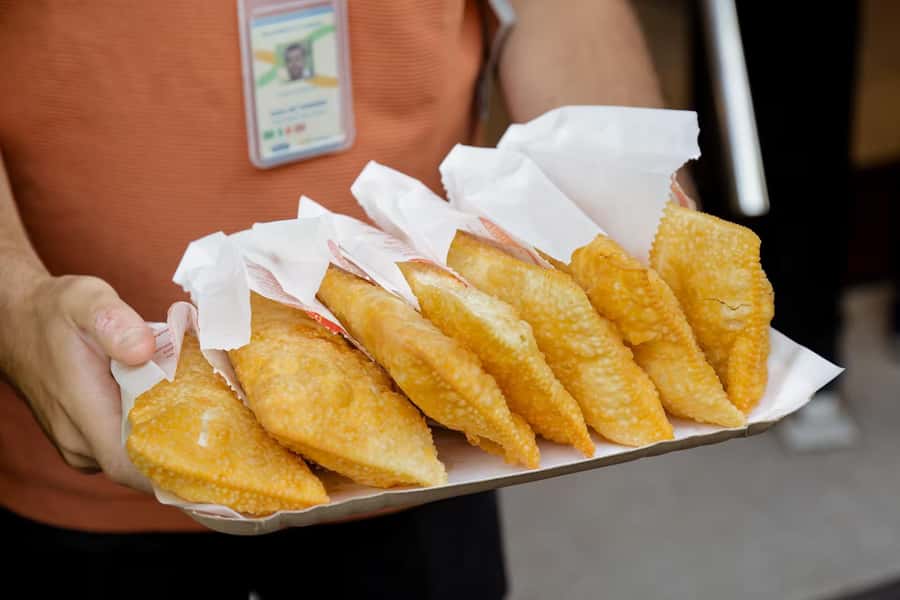
The next savory tasting is traditional takoyaki or tempura. On weekdays, this may be replaced by Argentine empanadas. That variation is important to understand before booking, especially if one particular dish is the main reason you are interested.
Takoyaki is often described as a Japanese octopus snack, usually cooked in a round shape. Here, the activity description also points to the neighborhood’s playful local adaptations, including the idea of Brazilian takoyaki. The point is not only to identify the ingredients. Your guide connects the food to the people, movement, and cultural exchange that shaped Liberdade.
Tempura offers a lighter contrast, with a crisp coating and a clear Japanese connection. Empanadas take the walk in another direction, linking the tasting to Argentina and showing that Liberdade’s food scene reaches beyond its best-known Japanese identity.
The weekday substitution may be a benefit if you enjoy Argentine food, but it can also be a small disappointment if you booked with takoyaki in mind. The safest approach is to see the changing dish as part of the neighborhood’s mixed food story rather than as a fixed restaurant menu.
One participant especially liked the empanadas, while another found the food at the final stop less appealing. That tells me the experience is strongest when you approach it as a guided sampling of local and immigrant influences, not as a carefully controlled tasting menu where every bite will suit every palate.
Sugarcane juice brings in Brazil
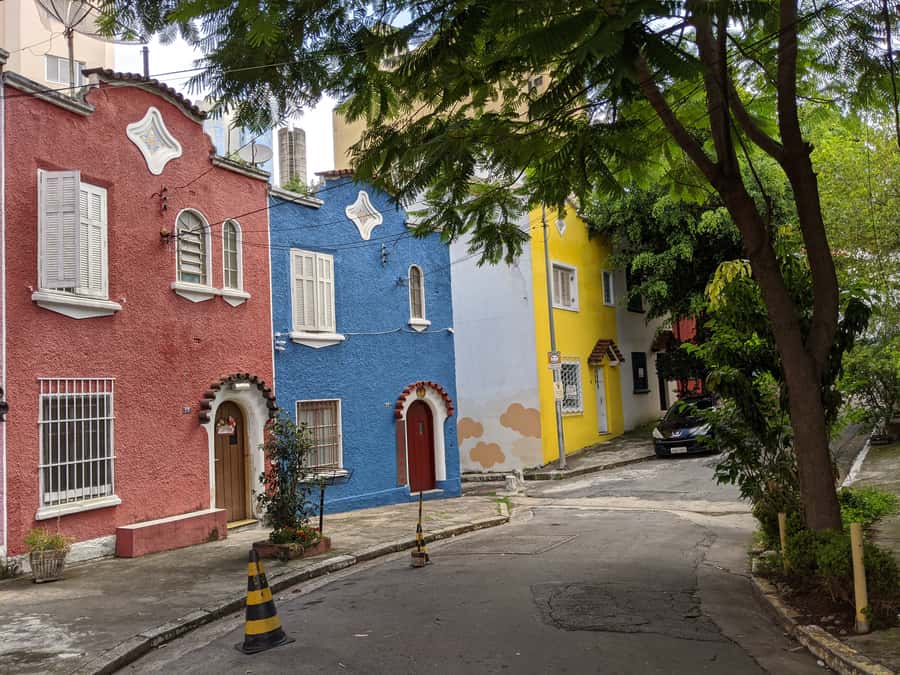
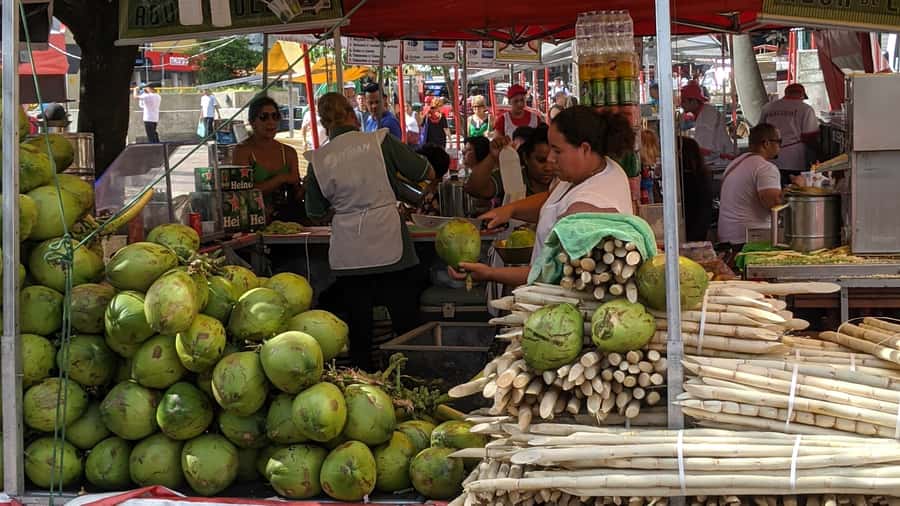
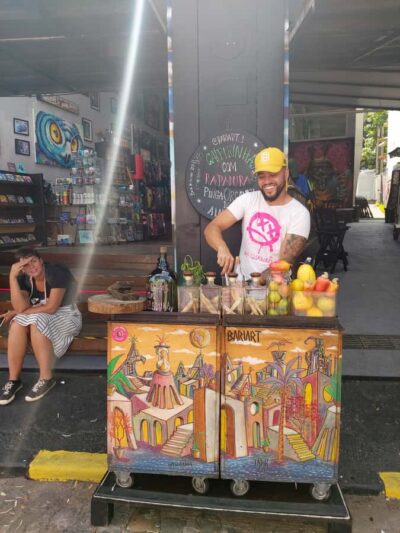
A bottle of water and one sugarcane juice are included. The sugarcane drink is a particularly good part of the lineup because it shifts the focus from Asian influence back to Brazil.
Street food is not just about solid food. Drinks explain a place, too. Sugarcane juice has a clear tropical identity and makes a refreshing partner to salty or fried snacks. It also gives the tour a simple Brazilian anchor among the Japanese, Korean, and Argentine tastings.
You receive one bottle of water as well, which is useful during a walking activity. Still, bring sunscreen and an umbrella. The tour takes place outdoors on city streets, and the supplied advice suggests preparing for both strong sun and rain.
A different side of São Paulo altogether:
- São Paulo: Main City Sights in 7 Hours – Shared Group Tour
★ 4.9 · 587 reviews - São Paulo: City Highlights Guided Tour
★ 4.5 · 307 reviews - Private São Paulo City Tour
★ 4.8 · 264 reviews - São Paulo: Downtown Historical Bike Tour
★ 4.9 · 191 reviews
Korean pastry and the wider neighborhood
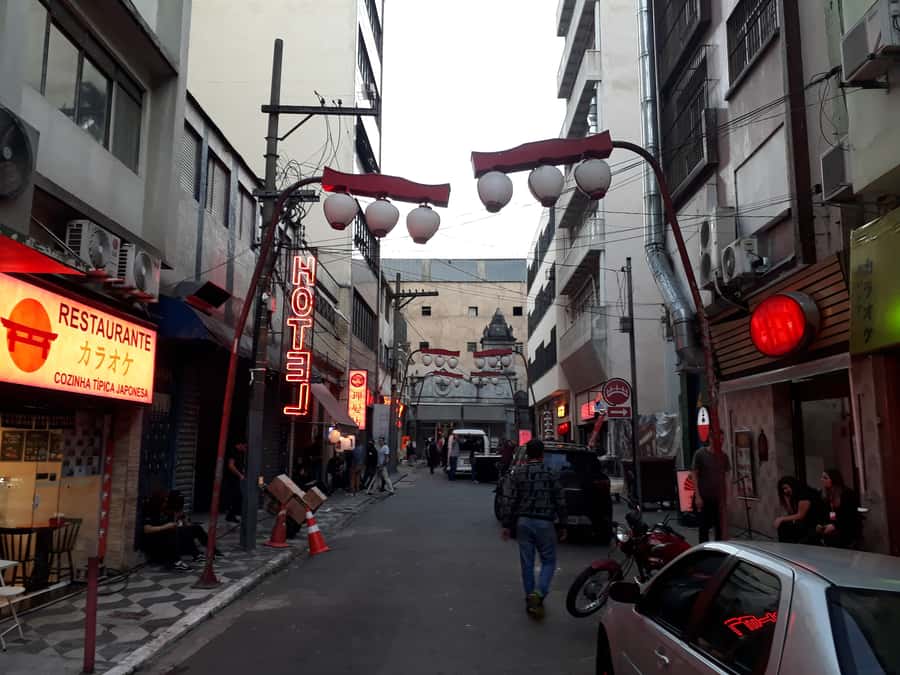
The included Korean item is a choux au craquelin, a pastry with a crisp topping over a light choux shell. It adds a sweet course and broadens the food story beyond the Japanese roots most people associate with Liberdade.
This is one of the tour’s more interesting choices. A standard Japanese food walk might stop at ramen, sushi, or mochi. A pastry connected to Korean food culture instead points toward the district’s changing population and the way newer communities add their own specialties.
The tour’s food range is one of its biggest strengths. You may move from Japanese rice and pastry to Brazilian sugarcane juice, then to takoyaki, tempura, or Argentine empanadas, followed by a Korean sweet. That is a lot of ground for a two-hour walk, and it helps explain why the activity receives such strong marks for both food and historical context.
At the end, you receive a soft drink or coffee at Restaurante Kazu. This provides a clear finish at a named restaurant rather than leaving you to wonder where the activity ends. It is also another chance to pause, ask final questions, and compare the foods you have tasted.
The final stop did not appeal to every palate, so I would keep expectations flexible. The strength of the tour is the full sequence, not a guarantee that every single snack will become a personal favorite.
The history walk between the tastings
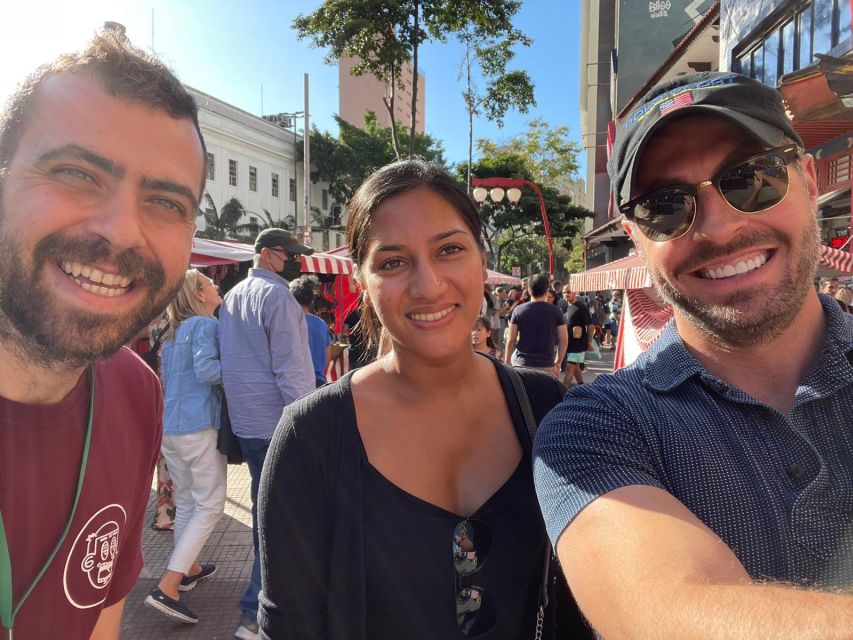
Food is the main attraction, but the walking and explanation give the snacks their meaning. The guide explains Liberdade’s Japanese influence and how the area changed over time.
The district was once a military area. About a century ago, it became a center for Japanese immigrants in São Paulo. Today, its identity includes later arrivals from China, Korea, Congo, and Haiti, as well as a strong Afro-Brazilian presence.
That shift is the reason this tour offers more than a simple market crawl. You are not only learning what is on the plate. You are learning why these foods appear together in this part of the city and how migration reshaped the neighborhood.
The walk also includes places of architectural interest and a look at the kinds of people who live in the area. The supplied details do not promise a long list of named buildings or formal museum visits, so you should expect street-level interpretation rather than a specialist architecture tour.
I find that a useful balance. You get enough context to understand the neighborhood, but the tour does not seem built around long lectures. Several participants praised Giuliano for explaining São Paulo and Brazilian history with energy and clarity, and that style matters when the activity combines eating, walking, and storytelling.
Giuliano’s guiding style and group size
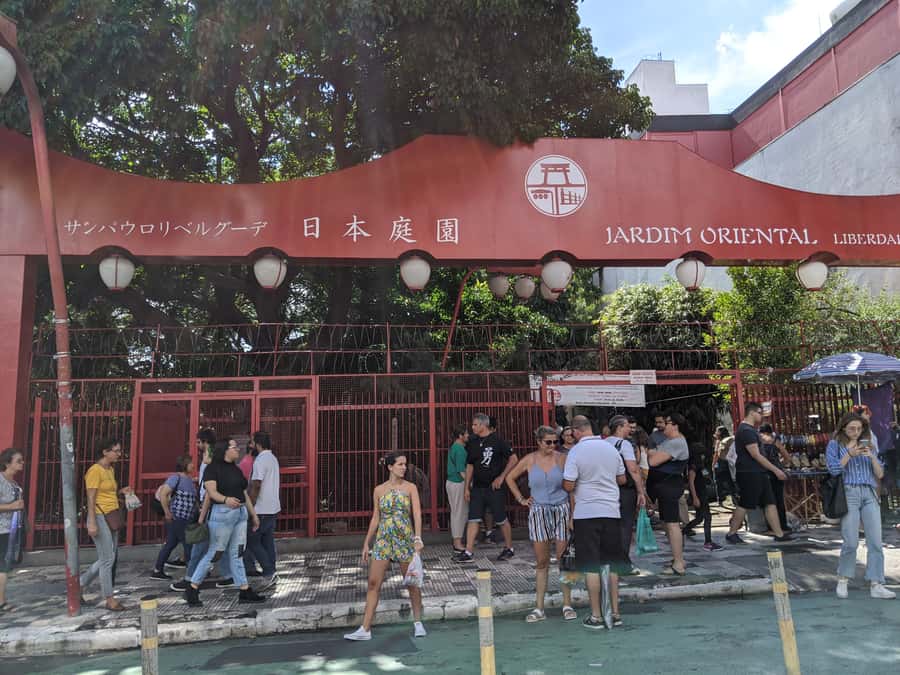
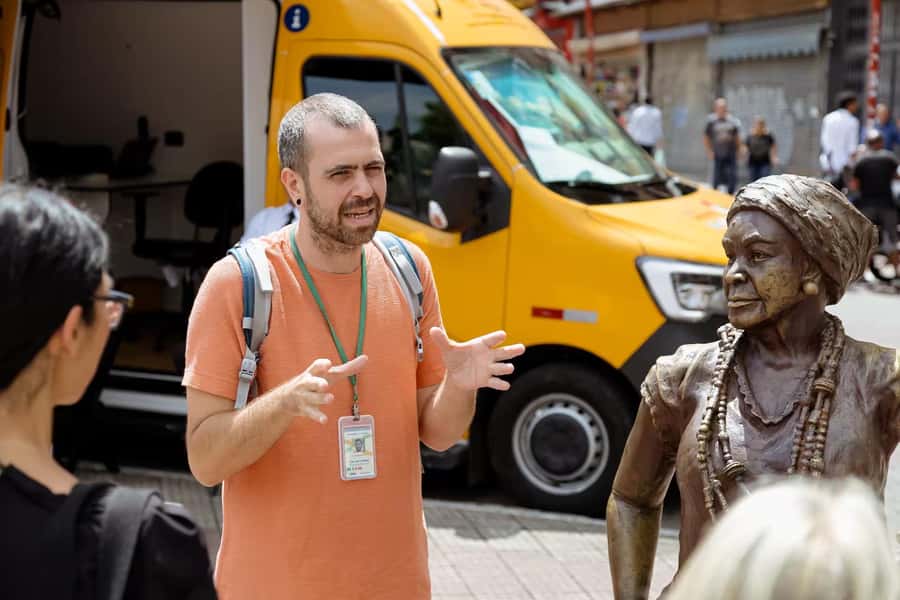
The guide is Giuliano, also spelled Juliano in some booking details. He is Italian and has lived in Brazil for many years. His fluent English, energy, and broad knowledge of São Paulo and Brazilian history were repeatedly singled out as major strengths.
That background can be an advantage. A guide who has made Brazil his home may offer both an outsider’s curiosity and long experience with the city. You should expect the food to be explained alongside stories about the area, immigrant experiences, and Brazilian culture in general.
The group is limited to 10 people. That is small enough for a more personal walk and makes it easier to hear the guide on city streets. It also gives you a better chance to ask about ingredients, history, or the places you pass.
This is not a private tour, so the pace and food preferences of other participants still matter. But the group cap keeps the activity from feeling like a large bus excursion, which suits a neighborhood food walk.
Is $60 a fair price?
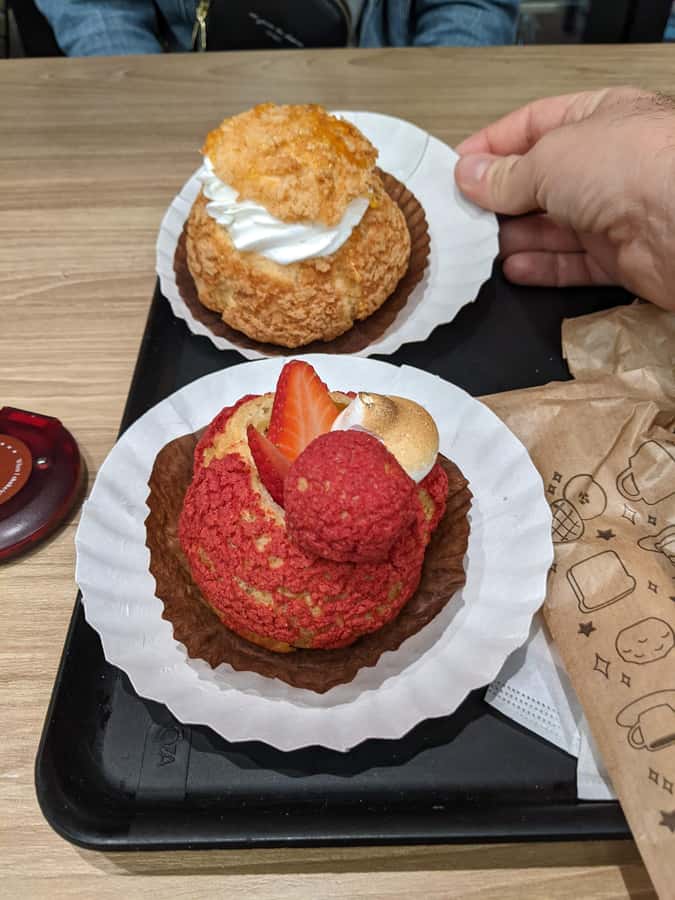
The cost is $60 per person. That includes three main snack experiences, Japanese pastel and onigiri, takoyaki or tempura, or weekday empanadas, Korean choux au craquelin, a bottle of water, sugarcane juice, and a final soft drink or coffee.
You are also paying for two hours of English-language guiding, local food choices, and historical explanation. If you simply want the cheapest way to eat in Liberdade, you could spend less by choosing snacks yourself. But you would lose the structure, translation, background, and confidence that come with a guide.
The price makes the most sense for a first visit to Liberdade, for anyone unsure what to order, or for people who want food and history in one outing. It is less compelling for a visitor who already knows the neighborhood well and prefers to browse independently.
The small group adds value, particularly in a crowded district. The included drinks and several food stops also mean you are not paying just for a single tasting and a short talk.
Practical details that can make or break the outing
The meeting point is outside the big red Bradesco Bank in Liberdade Square. Use that exact landmark and give yourself extra time to reach it.
The tour starts strictly on time. Once it has begun, late arrivals cannot join, and the guide will not be checking the phone while leading the group. Contact the provider the day before if you need additional meeting instructions.
Wear comfortable walking shoes and bring sunscreen and an umbrella. The tour is wheelchair accessible, but the provided information does not describe the exact street conditions or restroom arrangements, so you may want to confirm any specific mobility needs in advance.
The activity is offered in English and allows free cancellation up to 24 hours before departure for a full refund. You can also reserve now and pay later, which helps if your São Paulo schedule is still changing.
Who will enjoy this Liberdade food walk?
I would choose this tour for first-time visitors to São Paulo who want a friendly introduction to Liberdade without spending half a day on a formal sightseeing program.
It also suits curious eaters who enjoy trying unfamiliar snacks, especially those interested in how Japanese, Brazilian, Korean, and Argentine traditions meet in one neighborhood. The history makes it a good fit for anyone who wants context rather than a list of dishes.
Families and mixed-interest groups may also appreciate the format. One person can focus on food while another gets more from the city story and architecture. The two-hour length is long enough to feel worthwhile but short enough to fit around other São Paulo plans.
You may want to skip it if you have strict dietary needs that have not been confirmed with the provider, if you dislike changing menus, or if you prefer a quiet seated meal. The food is selected in advance, and the weekday savory item may differ from the advertised alternative.
Should you book it?
Book this Liberdade food tour if you want a compact cultural introduction with enough food to replace a light meal. Giuliano’s English, the group cap of 10, and the mix of history and tasting are the strongest reasons to go.
I would book it early in a São Paulo stay, when the neighborhood’s food choices may feel unfamiliar and a guide can help you get oriented. Just arrive on time, bring sun or rain protection, and treat the menu as a guided sample of Liberdade’s changing identity rather than a fixed culinary performance.
At $60, it is good value for a visitor who wants explanation as well as snacks. It is not the right pick for someone seeking a cheap self-guided food crawl, but for a first look at Liberdade’s Japanese, Brazilian, Korean, Argentine, and Afro-Brazilian connections, it offers a useful and filling two hours.
FAQ
Where does the tour meet?
The meeting point is outside the large red Bradesco Bank in the middle of Liberdade Square in São Paulo.
How long does the tour last?
The total activity lasts two hours. The guided tour and food tasting portion is listed as approximately 105 minutes.
What language is the tour conducted in?
The live tour guide speaks English.
How many people are in the group?
The group is limited to 10 participants.
What food is included?
Included tastings are Japanese pastel and onigiri, traditional takoyaki or tempura, and Korean choux au craquelin. On weekdays, takoyaki or tempura may be replaced by Argentine empanadas.
Are drinks included?
Yes. The tour includes one bottle of water, one sugarcane juice, and one final soft drink or coffee.
Does the tour always include takoyaki?
No. On weekdays, takoyaki or tempura may be replaced with Argentine empanadas.
Is the tour wheelchair accessible?
Yes, the activity is listed as wheelchair accessible.
What happens if I arrive late?
The tour starts strictly on time. Once it has started, late arrivals cannot join, so plan your route to Liberdade Square in advance.
New in São Paulo this month
- São Paulo: Downtown Walking Tour with Farol Santander Entry★ 4.6 · 3 reviews
- São Paulo: Full-Day Guided City Tour from the Port of Santos★ 5.0 · 3 reviews
- São Paulo Food Tour: The Flavors of Brazil★ 4.9 · 3 reviews
- Sao Paulo: City Highlights and LGBTQIA+ Scene Private Tour★ 5.0 · 3 reviews
- São Paulo Carnival Seating with Food, Drinks, & Transfer★ 5.0 · 3 reviews
- Best São Paulo City Tour History 5Hours Private Experience.★ 4.0 · 3 reviews
- Special tour 8 hour (walking tour + nightlife )★ 5.0 · 3 reviews
- Walk to the Big Rock in Cantareira State Park★ 5.0 · 3 reviews
São Paulo Tours, compared.
São Paulo: Main City Sights in 7 Hours – Shared Group Tour
Read our review →
From São Paulo: Santos, São Vicente & Guarujá Day Trip
Read our review →
São Paulo: Bar and Street Art Crawl with Local Guide
Read our review →
São Paulo 5 Hour Private Tour With Fruit Tasting
Read our review →Browse the lists this tour appears in