
Our review · AMAZON JUNGLE TOURS
Manaus: Multi-Day Amazon Survival Trip with Camping
The most memorable part of this Amazon trip is not a lookout or a lodge room. It is the change in pace when you leave Manaus by boat, set up camp under the forest canopy, and sleep in a hammock while the jungle carries on around you. You will also meet a local forest family, watch giant arapaima being fed, and see the black Rio Negro run beside the brown Solimões River without mixing.
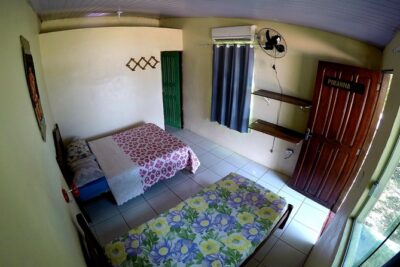
I like the small groups of up to 12, since that gives you a better chance to ask questions during jungle walks and survival activities. I also like the variety: sunrise canoeing, plant lessons, night boat trips, piranha fishing, and several chances to see monkeys, birds, caimans, and other forest life. The main drawback is basic camping. You sleep in hammocks under mosquito nets, not in private rooms, and the published schedule has some confusing differences between the three, four, and five-day versions.
Key points to know before you book
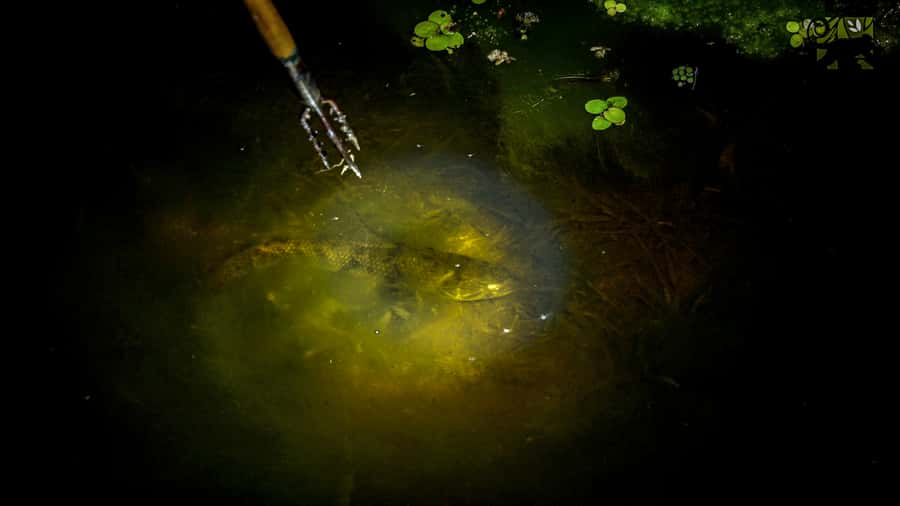
- Hammock camping: Your first night is spent at a jungle camp, with hammocks and mosquito nets rather than beds.
- A full first day: The tour combines Catalao, giant arapaima, the Meeting of the Waters, a jungle camp, and nighttime caiman spotting.
- Early starts: The sunrise canoe trip leaves at 5:30 am, so this is an active trip with little time for slow mornings.
- Real forest skills: Guides cover medicinal plants, trees, spiders, fishing, and basic jungle survival techniques.
- Small-group format: A maximum of 12 people makes boat rides and nature walks more personal.
- Bring less luggage: You can take only 25 pounds, or 12 kilograms, per person into the forest.
Leaving Manaus by speedboat at 8 am
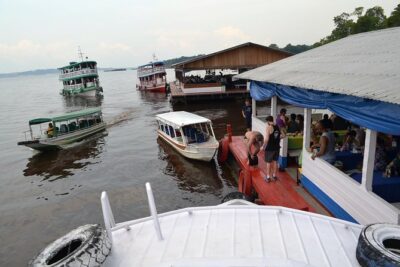
Your pickup begins around 8 am from your Manaus hotel, with airport pickup also possible if you provide your airline, flight number, and arrival time. From Caesar port, you board a speedboat and begin the trip on the Rio Negro.
That first ride matters. It gets you away from city traffic quickly and puts the river at the center of the day. You will want sunscreen, a hat, sunglasses, and a waterproof bag close at hand. The supplied packing information asks you to protect cameras and phones, and that is sensible around boats, rain, and spray.
The first stop is Catalao, a floating village known here for its giant arapaima, or Arapaima gigas. These large scaled fish are harmless, and you can feed them or touch them if you feel comfortable. The encounter gives you a close look at one of the Amazon’s most unusual fish, but it is also a reminder that this tour is built around direct contact with the forest and river, not just distant viewing.
You then reach the Meeting of the Waters, where the dark Rio Negro meets the muddy-brown Solimões River. The two flows run side by side for a stretch without immediately blending. It is a quick lesson in how different rivers can behave, and a natural photo stop that deserves more than a rushed snapshot.
After the boat outings, you reach the lodge for lunch. Local food is served around noon, and all meals are included. Water is included during meals, but soft drinks and alcohol cost extra, so do not count on buying every refreshment as part of the package.
more amazon river and jungle days
- Rio de Janeiro: Guided Jeep Tour through Tijuca Rainforest
★ 4.3 · 740 reviews - Paraty: Jungle Waterfalls and Cachaça Distillery Jeep Tour
★ 4.7 · 491 reviews - From Manaus: One-Day Amazon Jungle Experience
★ 4.8 · 408 reviews
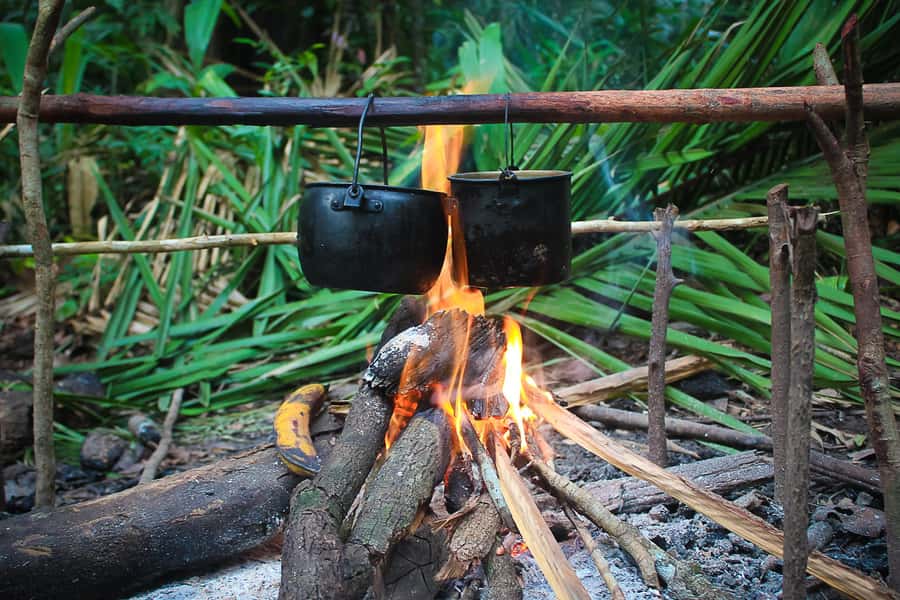
Setting up camp under the Amazon canopy
After lunch, you get your first practical lesson in forest living: walking into the jungle and helping set up camp for the night. The tone is more active than a standard lodge excursion. You are not simply arriving at a room and waiting for the next boat. You take part in the camp routine and later sleep in a hammock with a mosquito net.
That arrangement is a major part of the appeal, but it is also the point where you should judge your own comfort honestly. Hammocks are a memorable way to spend a night in the rainforest, and one participant, Sebastian from Germany, described the experience as unique after working with the guides on bushcraft tasks. Still, a hammock does not offer the same support or privacy as a hotel bed. Pack quick-dry clothing, long trousers, a long-sleeved shirt, insect repellent, and a light rain jacket.
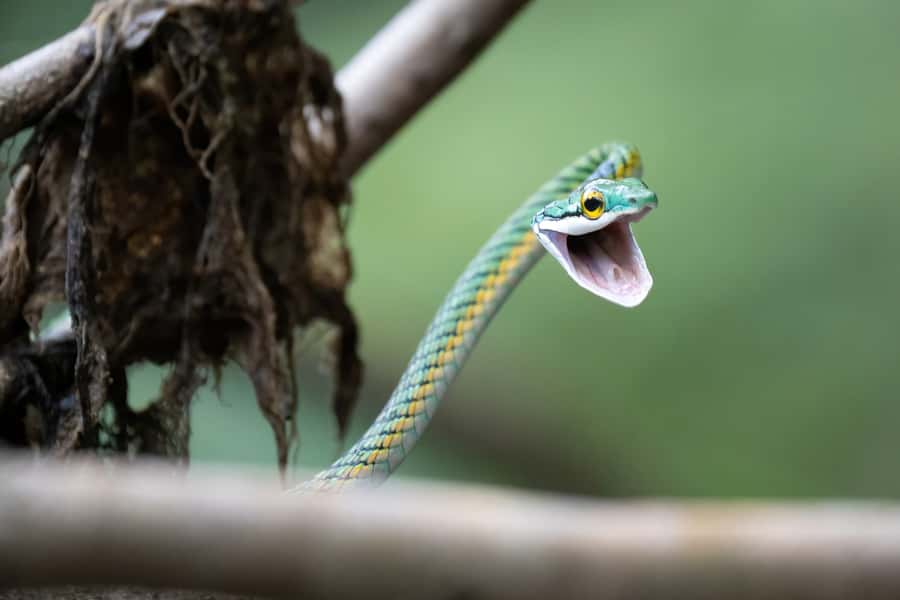
The camp portion lets you hear and feel the forest after dark. Dinner is followed by a boat trip with flashlights to look for caimans. You may see eyes reflecting in the beam, though wildlife sightings can never be guaranteed. The outing is less about a polished show and more about learning how guides search the water at night.
A 5:30 am canoe ride for sunrise
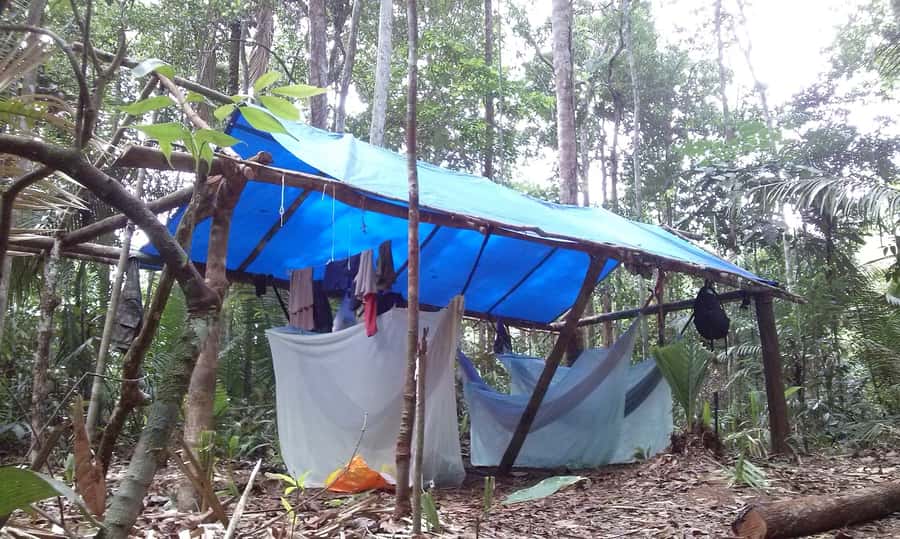
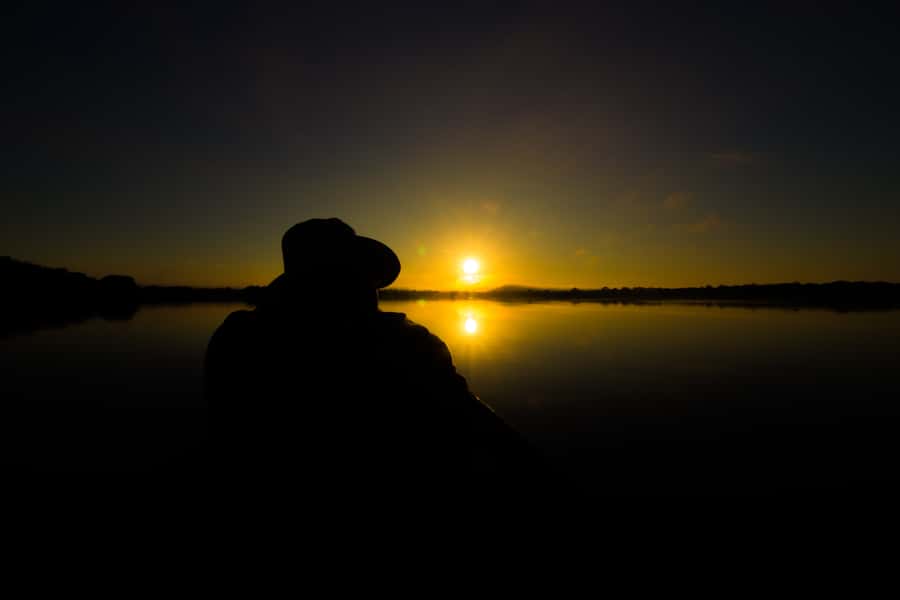
Day two begins at 5:30 am with a canoe trip. This is one of the strongest parts of the program because dawn changes the whole mood of the forest. From a low canoe, you can watch the river and trees wake up before the heat of the day builds.
The early start is not optional in spirit. If you dislike pre-dawn departures, this trip may feel demanding. If you can manage it, the quiet water and morning light give you a very different view of the Amazon than an afternoon boat ride. Breakfast follows at 7 am, so you have a chance to refuel before the morning walk.
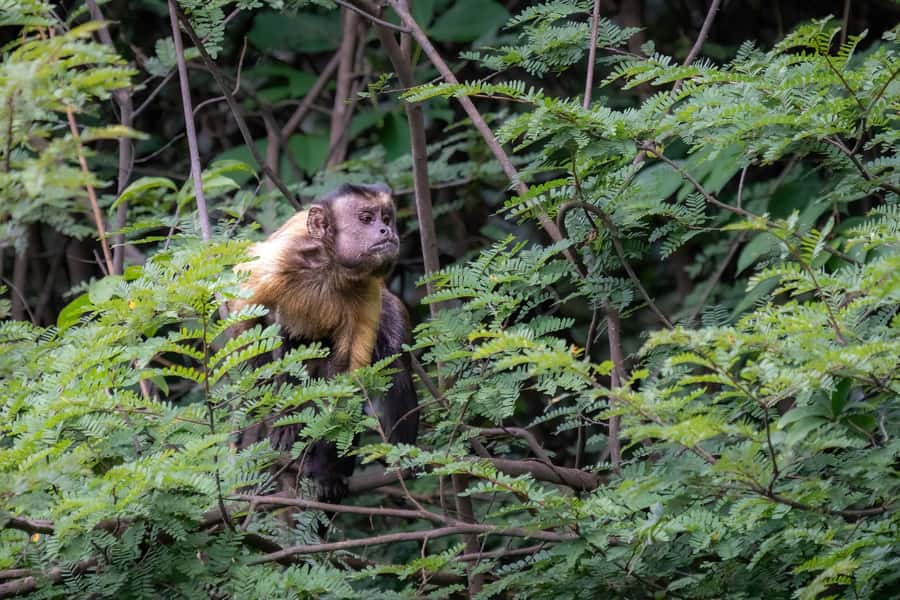
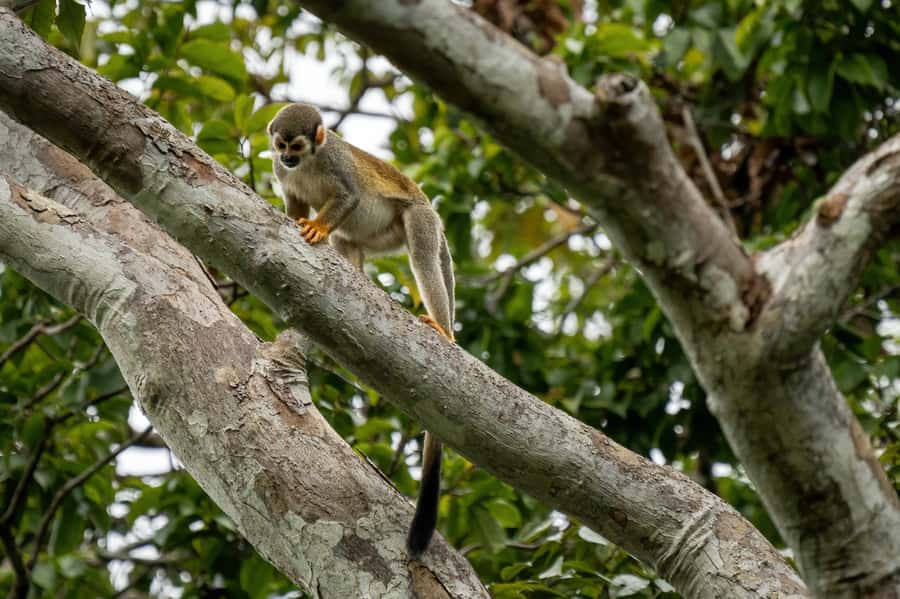
From 8 am until about 11:30 am, your guide leads a jungle hike. The lessons focus on medicinal plants, spiders, and trees, with possible sightings of monkeys. The value here is the explanation. Forest plants can look alike to an untrained eye, and a guide helps you notice what you would otherwise walk past.
The hike also adds context to the survival theme. You are not promised a dramatic emergency challenge, but you do learn how people identify and use parts of the forest. Later activities include more bushcraft and survival techniques, so ask questions and pay attention rather than treating the walks as simple photo stops.
Lunch is served under the rainforest canopy on day two. That setting is part of the pleasure, though you should expect simple outdoor conditions. Bring hand sanitizer or tissues, a small water bottle, and clothing that dries quickly.
Flooded forest, narrow channels, and piranha fishing
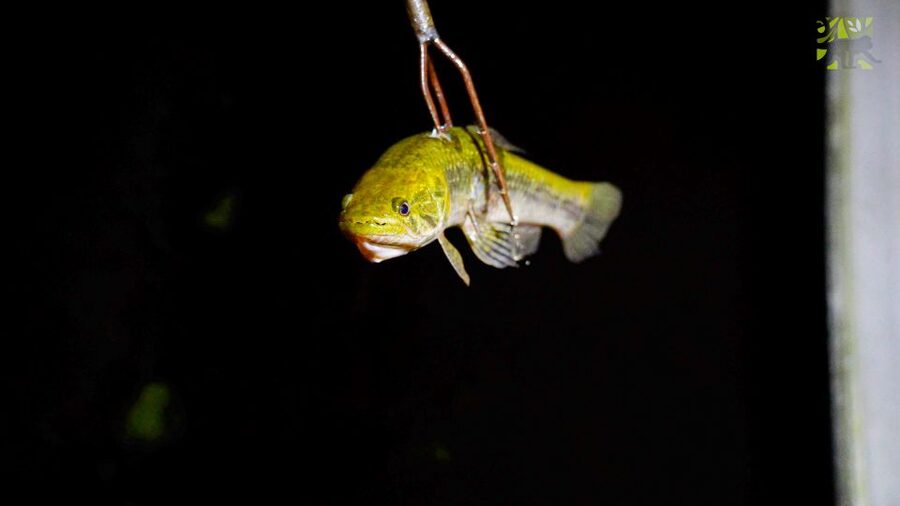
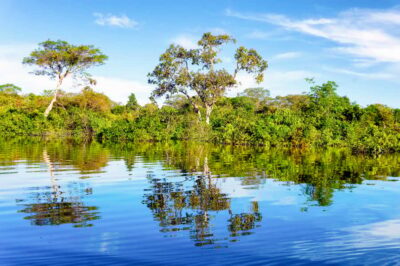
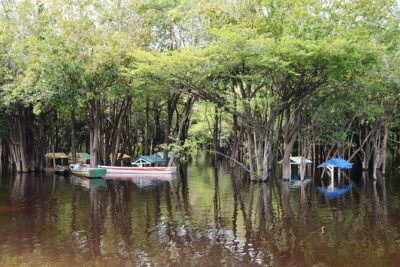
At 3 pm, you take a canoe through flooded forest and smaller channels. This is a good time to focus on the forest at water level. The route gives you a chance to study plants and animals close to the waterways, with possible views of colorful birds and monkeys.
The same outing includes piranha fishing. You fish in the local style and look for feisty piranhas that may become part of dinner. It is a modest activity, but it connects the meal to the river and makes the afternoon more hands-on than a usual sightseeing cruise.
At nightfall, you return to the water with flashlights for another look at Amazon wildlife. The program describes additional nighttime boat outings, including a chance to spot animals and, on the longer version, an opportunity to spearfish. Conditions change with water levels and wildlife activity, so the exact order and sightings can vary.
Do not expect a theme-park version of the jungle at night. The attraction is the uncertainty and the attention required. You listen, scan the banks, and let the guide explain what appears in the beam. That slower approach suits people who want nature observation rather than a packed list of guaranteed animals.
A different side of Brazil altogether:
- Rio de Janeiro: 6-Stop Highlights of Rio with Lunch
★ 4.4 · 5,157 reviews - Christ the Redeemer Entry Ticket by Corcovado Train
★ 4.4 · 4,476 reviews - Rio de Janeiro: Rocinha Favela Walking Tour with Local Guide
★ 4.8 · 3,052 reviews - Rio de Janeiro: Sugarloaf Cable Car Official Ticket
★ 4.6 · 2,873 reviews
How the three, four, and five-day options differ
The schedule supplied for this activity uses several day counts, so check the exact version available when you book. It is advertised as a three to four-day trip, but the detailed program also describes a five-day option.
On the three-day version, you take another nature hike after breakfast on the final morning. You return to the lodge for lunch, then leave for Manaus around 1:30 pm and arrive at about 4:30 pm.
The four-day version adds an afternoon boat trip through small Amazon channels after lunch on day three. You look for colorful birds and finish with fishing for dinner before returning to camp. On day four, breakfast is followed by another hike with instruction in jungle survival techniques. After lunch and a rest at the lodge, you depart for Manaus at 1:30 pm.
The five-day description adds still more time in the forest. One afternoon includes a boat ride through smaller channels to look for monkeys and other animals in flooded forest, followed by a nighttime safari and the possibility of spearfishing. On the final day, you leave camp for the lodge, look for more wildlife, and may swim in the river like local people before lunch and the afternoon return to Manaus.
This longer format makes sense if you want the camping and learning side to be the focus. It also gives you more chances for wildlife sightings, which are never certain on one short outing. Before paying, confirm exactly how many nights, meals, and boat trips are included in the version you select.
Guides, group size, and the pace of the trip
The tour runs in English or Portuguese, and the group is limited to 12 people. That is a useful size for a canoe, a jungle walk, and a camp task. You are less likely to lose the guide’s explanation in a crowd, and there is more room to ask about plants, animals, or survival methods.
Markus is one guide named in the available information. His work included explaining activities in detail and answering questions about the area. You should still confirm the guiding arrangement at booking if having an English-speaking guide for every part of the trip is important to you.
The schedule is busy. Day one begins early and combines several major stops. Day two starts before sunrise and continues through a hike, an afternoon canoe ride, and a night outing. The physical demand comes less from one extreme activity than from heat, humidity, wet conditions, early starts, and repeated time outdoors.
That makes this a good choice for an active visitor who wants to participate. It is less suitable if you want a polished resort stay, long breaks, or a predictable wildlife checklist.
What the $660 price covers
At $660 per person, the cost is easiest to judge as a package rather than as a single boat ride. Hotel pickup and drop-off, boat transport within the program, meals, water during meals, guides, hammock camping, mosquito nets, and the scheduled activities are included.
You are paying for several days of logistics in a remote setting. That includes moving between Manaus, the river, the lodge, the camp, and the forest routes without having to arrange each piece yourself. The small group also adds value because the guide can give more attention than on a large river excursion.
The price does not include your hotel in Manaus, drinks from the bar, soft drinks, alcohol, travel insurance, taxis, extra transport, or meals outside the program. Keep cash available for personal purchases, and do not assume that airport or city costs are covered beyond the stated pickup and drop-off.
The value is strongest if you would otherwise book separate river tours, jungle hikes, and overnight camping. It is weaker if you mainly want the Meeting of the Waters and a short wildlife cruise, since a multi-day survival trip asks you to accept basic sleeping conditions and a tight schedule.
Packing for heat, rain, insects, and limited luggage
The 12-kilogram luggage limit is important. Excess luggage must remain at the partner office or your Manaus hotel, so separate a small forest bag before pickup.
Pack comfortable clothing, long pants, a long-sleeved shirt, hiking shoes, sandals, swimwear, a towel, sunscreen, insect repellent, a hat, rain gear, and a change of clothes. Quick-dry fabric is especially useful because the program includes boats, rain, river activities, and humid forest walks.
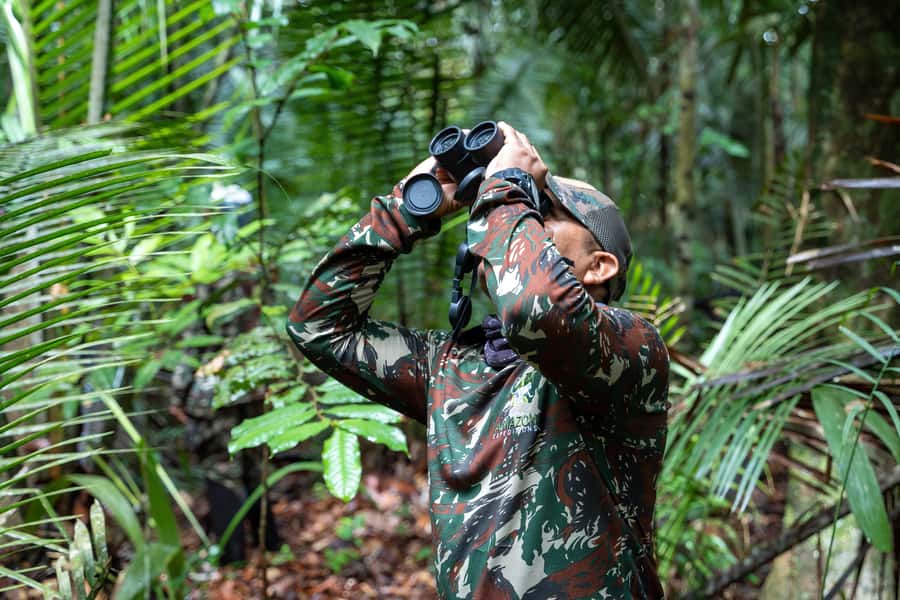
A waterproof bag protects your phone, camera, passport, and cash. Binoculars can help with birds, while a charged smartphone is useful for photos, but keep it protected rather than constantly in your hand. Travel insurance is listed as something to bring or arrange, and it is sensible for a multi-day outdoor trip.
You also need a passport or ID card. Avoid bringing alcohol or drugs, and drinks are not allowed in the vehicle. Baby strollers, bikes, baby carriages, and electric wheelchairs are not permitted. Party groups are not accepted, which fits the quiet, small-group nature of the program.
The guidance also asks you not to give money to children in forest communities. Small gifts such as toys or comic books are welcomed instead. Follow the guide’s advice, and treat visits to local families as encounters with people, not staged photo opportunities.
Timing your Manaus flights
Airport timing needs care. If you arrive at Manaus Airport by 2 pm, you can only take part in the evening activities on the first day. That means you will miss the morning speedboat, Catalao, the Meeting of the Waters, lunch at the lodge, and the first camp transfer.
If you have an afternoon flight out of Manaus, you need to arrange a morning transfer. The usual return reaches Manaus at about 4:30 pm, so it is not a good match for an early evening departure unless the operator confirms a different plan.
Give the provider your hotel address for city pickup. Airport pickup requires your airline, flight number, and arrival time. These details sound minor, but accurate information matters when boats and road transfers are linked to one another.
Free cancellation is available up to 24 hours before departure, and you can reserve now and pay later. Still, confirm the day count and starting time before you finalize other Manaus plans.
Who should book this Amazon camping trip?
I would recommend this trip to you if you want more than a short Amazon cruise. It suits people who enjoy early mornings, basic camping, active walks, small boats, practical lessons, and the chance to take part in fishing and camp tasks.
It is also a good fit for first-time Amazon visitors who want several types of activity in one booking. You get a floating village, huge river fish, the Meeting of the Waters, jungle walks, flooded forest, nighttime wildlife searches, and contact with local forest life.
I would think twice if you need a private room, air conditioning, a highly fixed schedule, or easy access to city comforts. The itinerary can change, and wildlife sightings are possibilities rather than promises. The hammock nights are central to the experience, not an incidental detail.
Should you book it?
Book this Manaus Amazon survival trip if you want a hands-on forest stay and are happy to trade comfort for access. The strongest features are the well-planned transport, the range of activities, the small group, and the chance to learn directly from guides such as Markus.
Before booking, confirm whether you are choosing the three, four, or five-day plan, how many nights you will sleep in hammocks, and what time your return reaches Manaus. If those details fit your schedule and you pack lightly, the $660 price offers a solid way to experience the Amazon beyond a quick sightseeing cruise.
FAQ
How long is the Amazon survival trip?
The activity is advertised as lasting three to four days. The detailed program also describes a five-day version, so confirm the exact duration and schedule before booking.
What languages do the guides speak?
The tour operates with English or Portuguese-speaking guides.
How many people are in each group?
The group is limited to 12 participants.
Where does pickup take place?
Pickup is available from your hotel in Manaus. Airport pickup is also available if you provide your airline, flight number, and arrival time.
What happens if I arrive at Manaus Airport after the morning start?
Guests arriving by 2 pm can only take part in the evening activities on the first day. They will miss the morning program.
What kind of sleeping arrangements are provided?
Hammocks and mosquito nets are provided for the jungle camping portion of the trip.
What luggage limit applies?
Each person may bring a maximum of 25 pounds, or 12 kilograms. Excess luggage must remain at the partner office or your hotel in Manaus.
New in Brazil this month
- Itacare: 4 Beaches Trail and Tijuipe Waterfall★ 5.0 · 3 reviews
- Idyllic Islands Private Speedboat Tour in Paraty★ 5.0 · 3 reviews
- Ilha Grande: Lopes Mendes Private Hiking Tour★ 5.0 · 3 reviews
- São Paulo: Downtown Walking Tour with Farol Santander Entry★ 4.6 · 3 reviews
- Foz do Iguacu: Skydiving Experience with Photos and Videos★ 5.0 · 3 reviews
- São Paulo: Full-Day Guided City Tour from the Port of Santos★ 5.0 · 3 reviews
- Discover Rocinha: Guided Tour of the Famous Favela★ 4.5 · 3 reviews
- Florianópolis: Caminho da Costa da Lagoa Trail★ 4.7 · 3 reviews
Amazon Jungle Tours, compared.
Rio de Janeiro: Guided Jeep Tour through Tijuca Rainforest
Read our review →
Paraty: Jungle Waterfalls and Cachaça Distillery Jeep Tour
Read our review →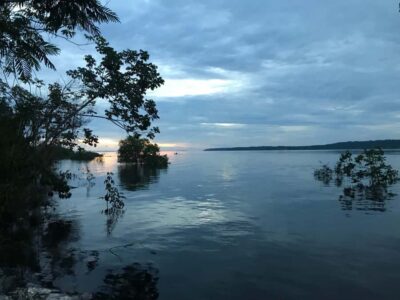
Browse the lists this tour appears in