
Our review · MANAUS TOURS
Amazon Jungle Experience with Overnight
The most remarkable thing here is how much Amazon life fits into two days: forest trails, river travel, pink dolphins, piranha fishing, a floating village, an indigenous community, and the Meeting of Waters. You sleep in a simple jungle lodge rather than returning to Manaus, giving the trip a more local feel.
I like the wide range of activities and the care shown by guides such as Fabio, Dennis, Daniel, and Milton. I also like that meals, transport, water, and accommodation are included. The trade-off is a packed schedule, a long and humid jungle hike, and basic lodging that may not suit anyone expecting a hotel.
Key points to know before booking
- Two distinct Amazon days: Day one centers on forest and Negro River activities, while day two covers villages, cultural visits, floating restaurants, and the Meeting of Waters.
- The jungle hike is serious: Expect about two and a half hours on muddy, humid ground, with some reports of a considerably longer walking distance.
- Your bed is in the forest: The lodge is simple but may include air conditioning, Wi-Fi, mosquito nets, and a private bathroom.
- The animal encounters are real but not guaranteed: You may see sloths, monkeys, tarantulas, caiman, birds, dolphins, and fish, but wild animals set the timetable.
- The price covers a lot: At $300 per person, meals, boat transfers, guides, activities, and one night’s lodging are included.
- The group stays small: A maximum of 12 people makes boat transfers and guide interaction easier.
What $300 buys you in two Amazon days
At $300 per person, this is not a bare boat ride with a quick forest stop. You receive two days of guided activities, two lunches, breakfast, dinner, accommodation, and the transfers needed to link several areas around Manaus.
That matters because the Amazon is spread across waterways and rural communities. Arranging the same mix of boats, guides, meals, and overnight accommodation on your own would take time, local contacts, and careful timing. Here, you can focus on the experience instead of solving each transfer.
The package is also designed for people with limited time in Manaus. You will not spend weeks in the forest, and the schedule does not offer much idle time. Still, it gives you a strong first look at how the river, forest, wildlife, and local communities fit together.
The 4.9 rating from 85 reviews and 99 percent recommendation reflect the tour’s strongest features: friendly local staff, plentiful food, varied activities, and a surprisingly comfortable overnight stay for a jungle base. Those numbers should not hide the harder parts, especially the heat, mosquitoes, long boat rides, and early start.
more amazon river and jungle days
- From Manaus: One-Day Amazon Jungle Experience
★ 4.8 · 408 reviews - Manaus: Full-Day Tour on the Amazon River
★ 4.2 · 362 reviews - 3 Days Amazon Jungle Adventure Tour
★ 4.0 · 145 reviews
Day one begins with Castanho forest and a long walk
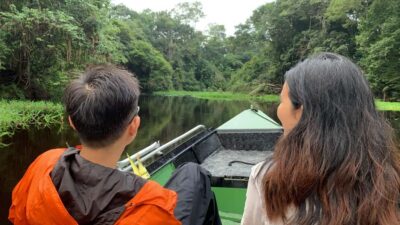
Pickup is listed for 8:00 am at the Amazonas Theater in central Manaus. The first drive takes about an hour west toward the Castanho area, where you board a small motorized canoe. It is the kind of practical boat local residents use for daily work, not a polished sightseeing vessel, which helps set the tone.
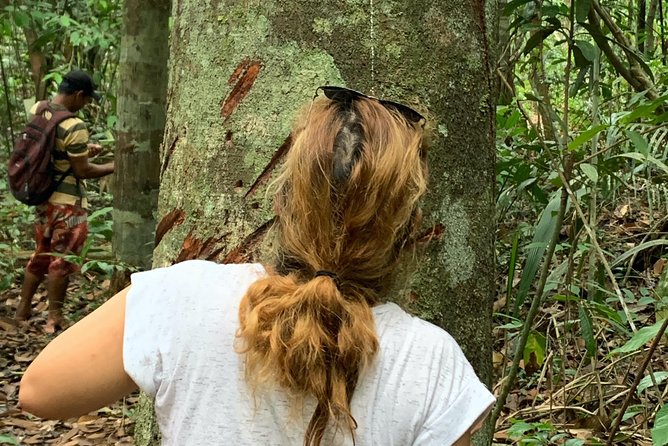
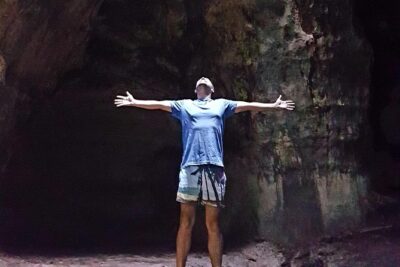
The forest walk lasts about two and a half hours. Your guide explains medicinal plants, local shelter methods, and other things found along the trail. This is one of the more useful parts of the trip because it gives you information you would miss while simply looking at trees from a boat.
You need closed shoes and long pants. During the rainy season, described here as October through July, expect mud and many mosquitoes. Bring repellent, and accept that your clothes and footwear may get dirty.
Set your wildlife expectations carefully. You might see birds, insects, a sloth, a tarantula, or other creatures, but the guides cannot promise sightings. The Amazon is not a zoo, and a long walk can produce more plant knowledge than animal encounters.
That hike is also the main physical test. One account measured more than five kilometers with a phone pedometer, despite the shorter distance suggested in the tour information. If two to three hours in hot, wet forest sounds excessive, ask about the walking distance and your options before booking.
Lunch, a swim, and pink river dolphins
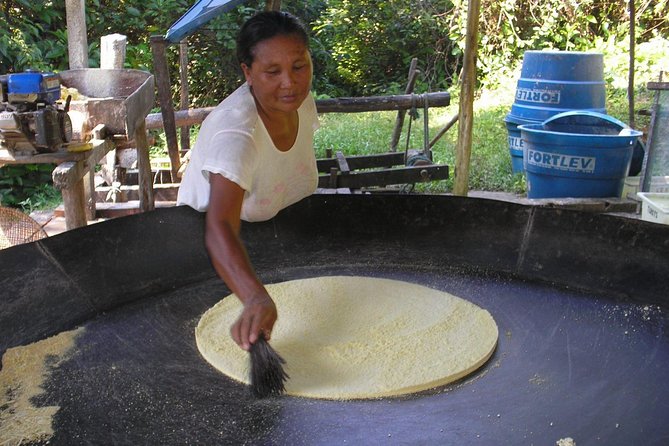
After the hike, you head to a floating house for lunch. Food may include fish or chicken, rice, beans, spaghetti, and manioc. The portions are described as generous, and local-style meals are a real strength of the tour.
Vegetarian meals are not available on the first day, though rice, beans, and spaghetti can work for some vegetarians. If you have allergies, strict dietary needs, or require a special menu, clarify this before paying.
After eating, you have time to rest or swim. Then the canoe takes you to a platform connected with work involving pink river dolphins. You can get close to the dolphins, take pictures, and enter the water in the area.
Bring a swimsuit and towel. Towels and swimming suits are not included, and you may want dry clothes for the rest of the afternoon. Coconut juice or beer may be available for purchase, so small amounts of cash are useful.
This is likely the emotional high point of day one. The dolphins, known locally as botos, are a memorable part of the Rio Negro experience. You should also understand the setting: this is a managed platform encounter, not a guaranteed sighting of dolphins suddenly appearing beside your canoe.
The tour information gives general facts about their size, but the amount of explanation can vary by guide. If you are curious about dolphin behavior, local beliefs, or conservation, ask questions directly. Guides such as Fabio and Daniel are described as patient and eager to explain.
Canoeing, piranha fishing, and the sunset
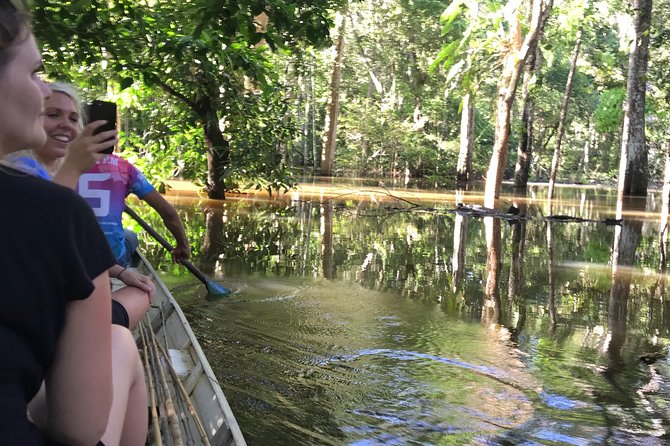
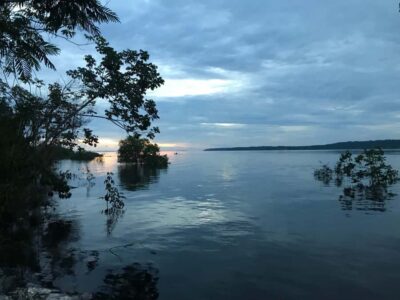
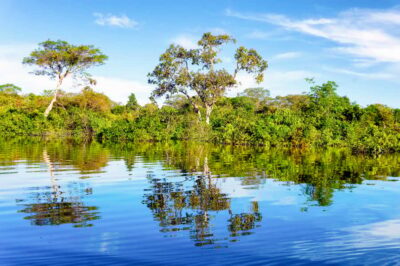
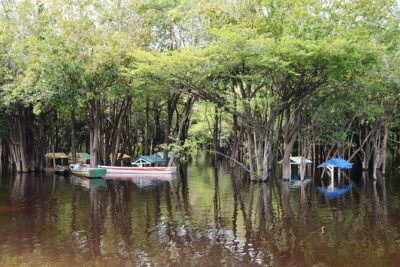
Next comes a longer canoe ride along the Negro River. From March through August, rising water can create an igapó, or flooded forest, where boats pass among trees standing in the water. This is one of the most unusual sights on the trip because the forest changes shape with the river level.
The conditions depend heavily on the season. In high water, the canoe can thread through flooded trees. At other times, you may spend more time looking across open river and forest edges. The river itself is huge and can feel more like a lake than a conventional river.
Piranha fishing follows. The guides provide the equipment, and you use bait to try to catch these sharp-toothed fish. If a large one is caught, it may become part of dinner, which gives the activity a practical local connection rather than making it only a photo stop.
Let the guide remove any fish from the hook. The tour description includes a vivid warning about their teeth, and basic caution is sensible. You do not need fishing experience, but patience helps. Catching one is possible, not guaranteed.
The sunset takes place from the river, with the group paddling toward a position with a broad view. This is a good moment to slow down after the day’s activities. The river horizon, changing light, and small boats make the scene feel large and quiet.
Weather can turn quickly. One account describes a beautiful sunset followed minutes later by thunder, lightning, and heavy rain. Keep a light rain layer in your day bag and protect your phone and camera.
A different side of Manaus altogether:
- From Manaus: Presidente Figueiredo Waterfalls Daytrip
★ 4.3 · 149 reviews - Amazing Waterfalls of the Amazon – Presidente Figueiredo
★ 4.5 · 141 reviews - Amazon Negro River Half-Day Expedition Tour
★ 4.5 · 124 reviews - 4 Days Amazon Jungle Adventure Tour
★ 4.0 · 117 reviews
Night search for caiman and the overnight lodge
After dark, the group goes out looking for nocturnal creatures. With luck, you may spot a caiman and approach closely enough for photographs. Guides may also handle a small caiman for a brief look, but the exact sighting depends on conditions and wildlife behavior.
This activity is less polished than a staged wildlife show, which is part of its appeal. You are on the water at night, listening and scanning with the guide. It can also feel uncertain, so follow instructions and let the guide manage any contact with an animal.
The lodge is a simple guesthouse with beds, mosquito nets, and a private toilet. Several accounts describe the cabins as clean and more comfortable than expected, with air conditioning and even Wi-Fi. That is a pleasant surprise, but you should still think of it as a forest lodge, not a resort.
The accommodation seems to vary, or at least the descriptions do. Some people received their own cabin with air conditioning, while the formal description emphasizes a basic setup. Ask what room type is assigned on your date if air conditioning or privacy matters.
Dinner is included, often based on local food. After a full day, the overnight stay gives you something the two separate day trips cannot provide: you wake near the forest instead of commuting back to Manaus.
Sunrise at 5:30 am, if the weather cooperates
Day two starts around 5:30 am. You leave while it is still dark to look for sunrise and watch the forest wake up. The early hour is not a gimmick. The transition between night and day can be a good time for bird and wildlife activity.
Rain may cancel this outing. During the wet season, the morning can begin with heavy cloud or rain, and the guide may decide that the ride is not worthwhile. Treat sunrise as a bonus, not a promise.
After breakfast, the group uses a faster speedboat to cover the longer distance toward the second day’s stops. This is a more transit-heavy part of the tour, with stretches of open water. If you dislike long boat rides, the schedule may feel tiring.
Indigenous culture and seasonal river beaches
At Comunidade Indigena CIPIA, you learn about the community’s history and culture and see traditional music, dances, and rituals. The community moved from the Colombia border area to a place closer to Manaus while keeping its culture and dialect.
This stop offers a needed human side to a trip otherwise centered on wildlife and scenery. Approach it with respect. You are receiving a short introduction during a busy tour day, not a full study of indigenous life.
Souvenirs may be available, but payment is cash only, and small bills are recommended. Bring only what you need and ask before taking photographs during cultural activities.
Praia do Tupé may be included when river conditions allow. The timing is seasonal, with visits possible during parts of the dry period from August to September and the flood period from January to June. Expect about 30 minutes for swimming, pictures, and warm water.
Because water levels change, this stop may not happen on every departure. The tour can substitute another activity, and one possible alternative mentioned is a rubber museum. Confirm the planned route if the beach is important to you.
Janauary Park and a floating lunch
During suitable water levels, the route continues to Parque Ecologico Janauary. Lunch is served at a floating restaurant, with a wider food selection and vegetarian choices. This is useful after the first day’s limited meal options.
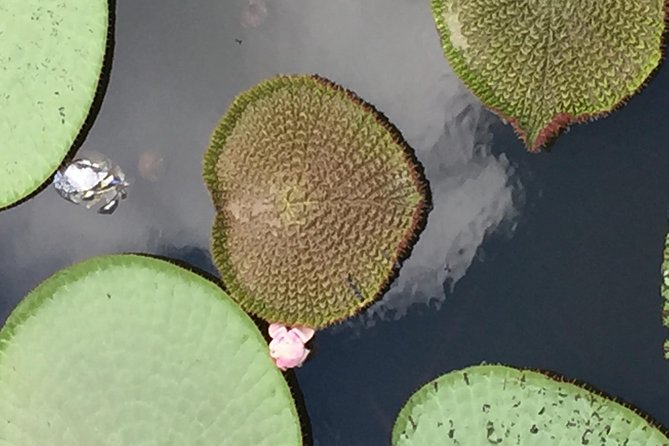
You may walk along a suspended path through flooded forest to a lake with giant water lilies. The walkway reaches toward the treetops, offering a different view from the low canoe rides of day one.
If the water is too low to enter Janauary, lunch takes place at another floating restaurant along the Negro River. Food quality is intended to be similar, but the water lilies will not be part of the visit.
This is another place where season matters. The park visit is listed as possible from January through September, covering parts of both high and low water periods. Ask your operator which stops are likely during your month.
Floating homes, giant pirarucu, and the Meeting of Waters
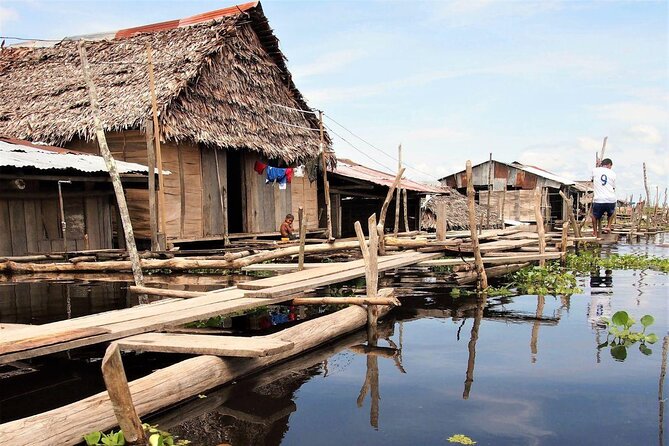
The group then reaches Lago do Catalão, where a floating village is home to more than 100 families. Houses, a school, church, shops, and restaurants are built on structures that float with the lake. It is a striking example of how communities adapt to changing water levels.
At a fish farm, you feed pirarucu, also called arapaima. These are among the largest scaled freshwater fish, and the rods have bait but no hooks. You feel the force of the fish without trying to catch them, making this an easy activity for children and first-time anglers.
The tour ends with the Meeting of Waters, where the dark Rio Negro runs beside the muddy Solimões River without immediately blending. Differences in temperature, speed, density, and acidity keep the two colors side by side.
This is not just a quick photo stop. It is a clear example of how the Amazon is shaped by water movement and chemistry. From the boat, the dividing line is often the simplest and most memorable lesson of the whole trip.
Returning to Manaus by the floating port
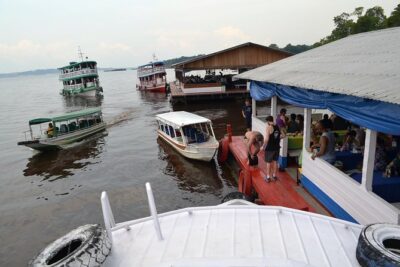
The return route offers a moving view of Manaus from the river. You may pass the industrial area, the large floating port, the fish port, and the main boat terminals used for travel through northern Brazil.
With careful attention, you can also spot the dome of the Amazonas Theater and buildings linked to the rubber boom. A large marker at the port records historic high-water levels, making the city’s relationship with the river easier to understand.
Arrival at the hotel area is expected around 5:00 pm, though river conditions and transfers can affect timing. The listed meeting point is the Amazonas Theater, and the activity ends back at the meeting point.
The small group limit of 12 helps here. You will still change boats and guides, but a smaller group makes boarding, questions, and wildlife stops less awkward than a large river excursion.
What to pack for comfort
Pack for wet heat, mud, and sudden rain rather than for a polished city tour.
- Closed shoes and long pants for the forest walk
- Mosquito repellent, especially from October through July
- Swimsuit and towel
- Dry clothes for after swimming
- Small cash in Brazilian reais for drinks and souvenirs
- A rain cover or waterproof bag for electronics
- Water-friendly footwear for boat and swimming areas
The tour includes bottled water, according to the detailed accounts, along with breakfast, dinner, and two lunches. Special meals are not available on the first day, though the second day’s floating restaurant includes vegetarian choices.
The physical rating is moderate. Getting in and out of boats may be tricky, and the jungle walk can be strenuous for anyone unused to heat or uneven ground. One older person with walking difficulties completed the trip with assistance, but that does not make the route easy. Discuss mobility concerns in advance.
Who should book this Amazon overnight?
I would choose this tour if you want a concentrated introduction to the Amazon and have only two days near Manaus. It suits people who enjoy changing activities, local food, simple accommodation, and a schedule that keeps moving.
It is also a good choice if you want both forest and river experiences. The first day gives you more direct contact with the jungle, while the second day adds culture, floating homes, fish farming, Janauary Park, and the Meeting of Waters.
I would think twice if you need a quiet itinerary, strict dietary control, luxury rooms, or guaranteed animal sightings. The hike may be too long, mosquitoes are part of the deal, and some stops depend on water levels and weather.
For most active visitors, the $300 price is strong value because it combines transport, several guides, meals, accommodation, and a broad set of activities. Book it for variety and local contact, not for a promise of documentary-style wildlife.
FAQ
Where does the Amazon Jungle Experience with Overnight start?
The listed meeting point is the Amazonas Theater at Largo de São Sebastião in central Manaus. The stated start time is 8:00 am.
How long does the tour last?
The experience lasts approximately two days and includes one overnight stay in the jungle area.
Is accommodation included?
Yes. The overnight stay is included. The accommodation is simple, with beds and mosquito nets and a private toilet. Some cabins may also have air conditioning and Wi-Fi.
Are meals included?
Yes. Breakfast, dinner, and two lunches are included. The first day’s meal may include fish or chicken, rice, beans, spaghetti, and manioc. A vegetarian meal is not available on the first day, while the second day’s floating restaurant offers vegetarian choices.
Do I need to bring swimming gear?
Yes. Bring a swimsuit and towel if you want to enter the water near the pink river dolphin platform or swim at Praia do Tupé when that stop is available. Towels and swimming suits are not included.
Can I cancel for a full refund?
You can cancel at least 24 hours before the experience start time for a full refund. A cancellation made less than 24 hours ahead is not refundable, and poor weather or an insufficient minimum group may lead to a rescheduled date or full refund.
Should you book it?
Book this two-day Amazon tour if you want the broadest possible taste of the region in a short stay. You will trade comfort and spare time for dolphins, forest plants, piranha fishing, caiman searches, indigenous culture, floating homes, pirarucu, and the Meeting of Waters. For an active first visit to Manaus, that is a fair trade.
New in Manaus this month
- Manaus: Folklore Amazonian Dinner Show★ 3.3 · 3 reviews
- Manaus : Visit to MUSA (Amazon Museum)★ 3.0 · 4 reviews
- Manaus : A day of fishing on the Rio Negro★ 4.5 · 4 reviews
- Manaus: City Tour★ 3.5 · 4 reviews
- Manaus: Amazon Rainforest Panoramic Airplane Flight★ 4.4 · 5 reviews
- Amazon Jungle 3-Hour Tree Climbing Activity★ 4.6 · 6 reviews
- Amazon Safari® Manaus: Day trip on the Amazon River★ 3.8 · 9 reviews
- Amazon Experience: Indigenous culture and nature phenomenon★ 4.4 · 10 reviews
Manaus Tours, compared.
From Manaus: Presidente Figueiredo Waterfalls Daytrip
Read our review →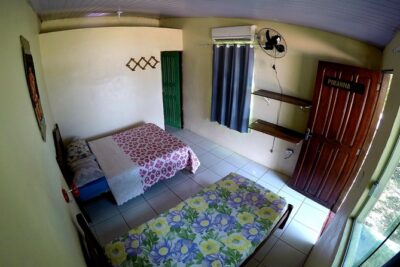
Browse the lists this tour appears in