
Our review · MANAUS TOURS
From Manaus: 3 or 4-Day Rio Negro & Anavilhanas River Cruise
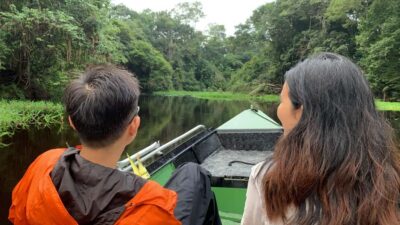
The best part of this trip is the chance to experience the Amazon from the water, not from a lodge or a day-trip speedboat. You cruise the dark Rio Negro, sleep aboard a traditional wooden boat, and step ashore for jungle walks, wildlife outings, and visits with local families and Indigenous communities. Swimming with pink river dolphins and hearing the forest at sunset are the big draws.
I like the mix of activities, especially the Janauri Ecological Park walk and the nighttime search for alligators. I also like that meals are cooked by the local crew, with typical Amazon dishes served on board. The main caution is comfort: this is a simple river boat, not a small cruise ship. Hammock sleeping means little privacy, and a few past departures have had serious complaints about hygiene, maintenance, smoke, and changes to the planned schedule.
Key points to know before you book
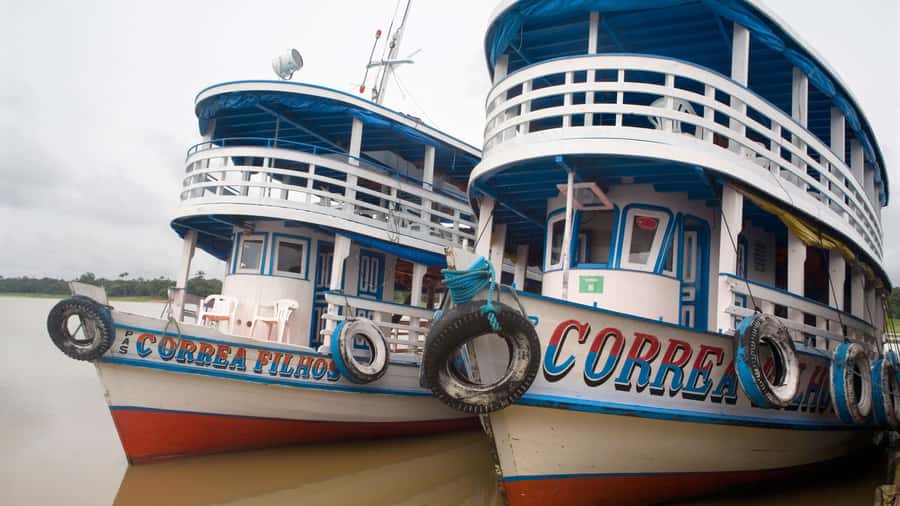
- A traditional 50-foot boat: The vessel was built with Amazon boatbuilding methods and has an upper deck for meals, views, and hammock sleeping.
- Pink dolphins at Acajatuba Lake: You may swim with pink and gray river dolphins after the first jungle outing.
- Two route options: The three-day trip visits a manioc-producing family, while the four-day version adds canoe wildlife watching, jungle survival skills, Tupé Beach, and an Indigenous community.
- Simple sleeping arrangements: Choose a cabin with two twin beds or a hammock. Mosquito nets are available to buy in Manaus.
- A hands-on Amazon program: Expect hikes, canoe trips, piranha fishing, alligator spotting, local food, and forest sounds rather than luxury facilities.
- A mixed record for operations: Some departures have had excellent guides and food, while others have suffered from poor boat condition, weak communication, or shortened activities.
What life is like aboard the Rio Negro boat
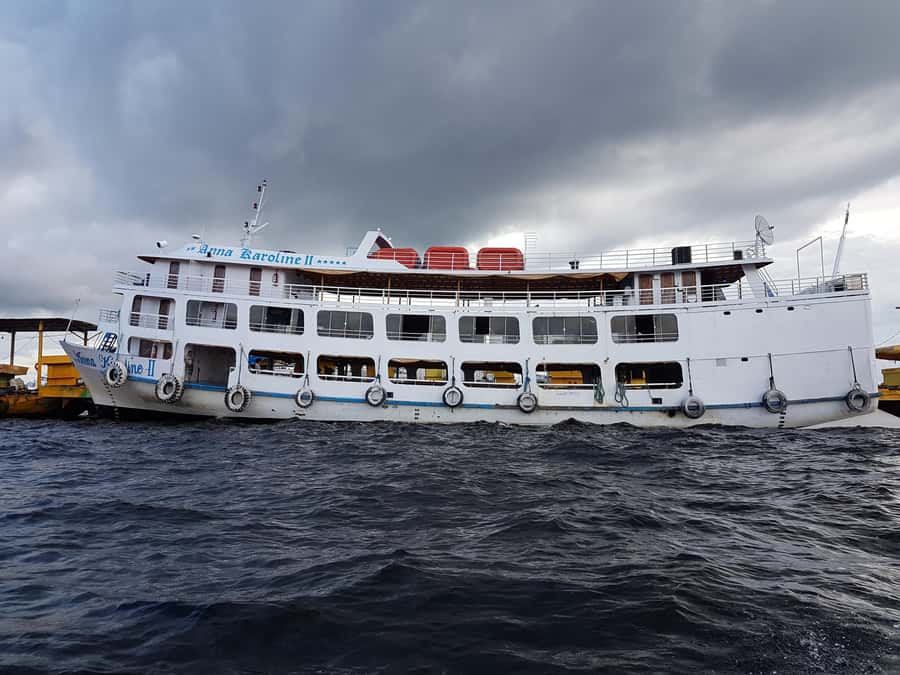
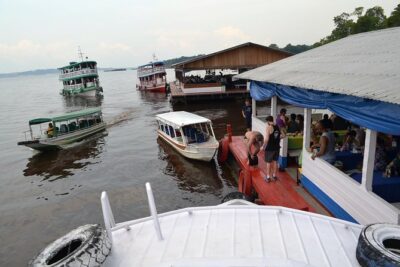
This trip is built around the boat. It is about 50 feet long and nearly 10 feet high, with a kitchen, bathrooms, one small cabin with two twin beds, and room for hammocks. The second floor is used for meals and viewing the river, though you can also sleep there in a hammock.
The published sleeping capacity is up to 15 people in hammocks and two in the cabin, while the departure is described as a small group of up to 10 participants. That should give you more room than a full boat, but I would still ask exactly how many people are booked and where you will sleep before paying.
The cabin is the better choice if you want a door, a bed, and at least a little separation from the group. The hammock option is more in keeping with old Amazon river travel, but it also means less privacy and more exposure to the boat’s noise and movement. Mosquito nets can be purchased in Manaus for about $5, so buy one before departure if you plan to sleep in a hammock.
Do not expect polished fittings or hotel-style comfort. One German visitor described the boat as very basic but found the food, guide, and overall contact with nature highly rewarding. On the other hand, a separate departure had reports of rotten or smelly hammocks, ants, broken fittings, smoke, and doors that did not close properly. These are not minor differences in taste. They affect your health, sleep, and enjoyment.
I would pack light and keep your valuables in a secure place. You are responsible for locking your own documents and belongings. Bring sunscreen, sunglasses, personal hygiene items, a camera, and anything else you need for several days away from shops.
more Manaus days to choose between
- 4 Days Amazon Jungle Adventure Tour
★ 4.0 · 117 reviews - Belém: 2, 3 or 4-Day Marajó Island Excursion with Lodging
★ 3.4 · 9 reviews
Day one: Janauri’s giant trees and a swim with dolphins
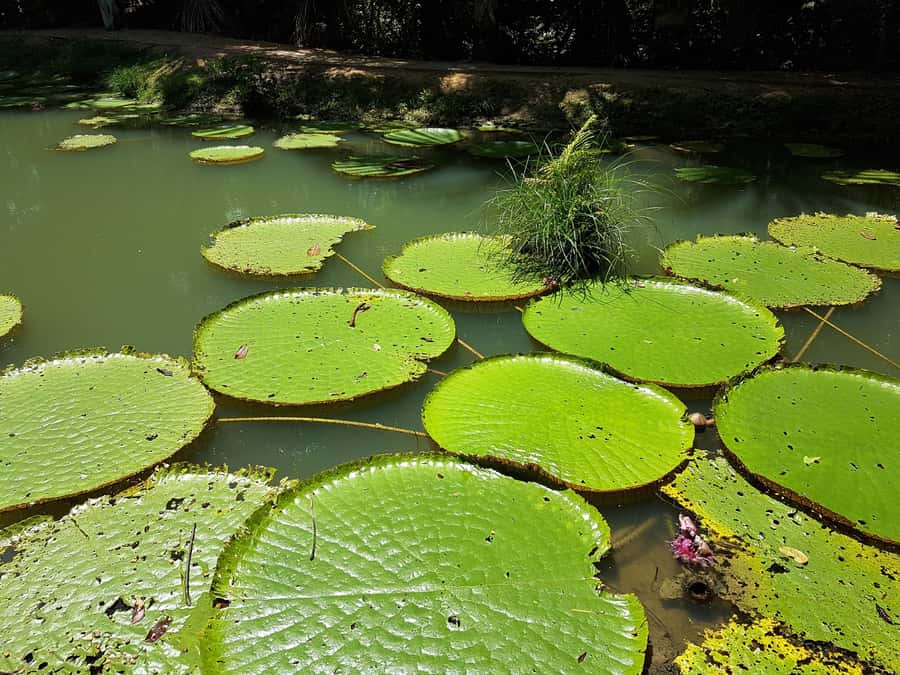
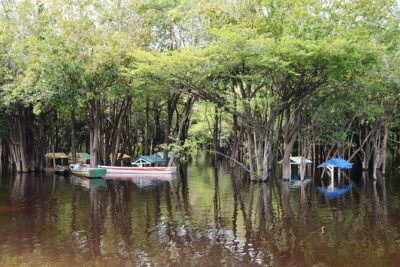
Your Manaus hotel pickup begins a long day on the river. The first major stop is Janauri Ecological Park, an area known for giant samauma trees, large water lilies, and swampy forest habitat.
The jungle walk is meant to show you the forest up close. Look for the broad roots and enormous trunks of the samauma trees, then keep an eye on the water for alligators. The giant lilies are another reason this stop matters. They make the park feel very different from the open river, with plants adapted to slow, shallow water.
The quality of this walk depends heavily on the guide. A good guide can explain medicinal plants, point out animal signs, and help you move quietly enough to hear the forest. You will need to hike and climb, so this is not a good fit if uneven ground or boat boarding is difficult.
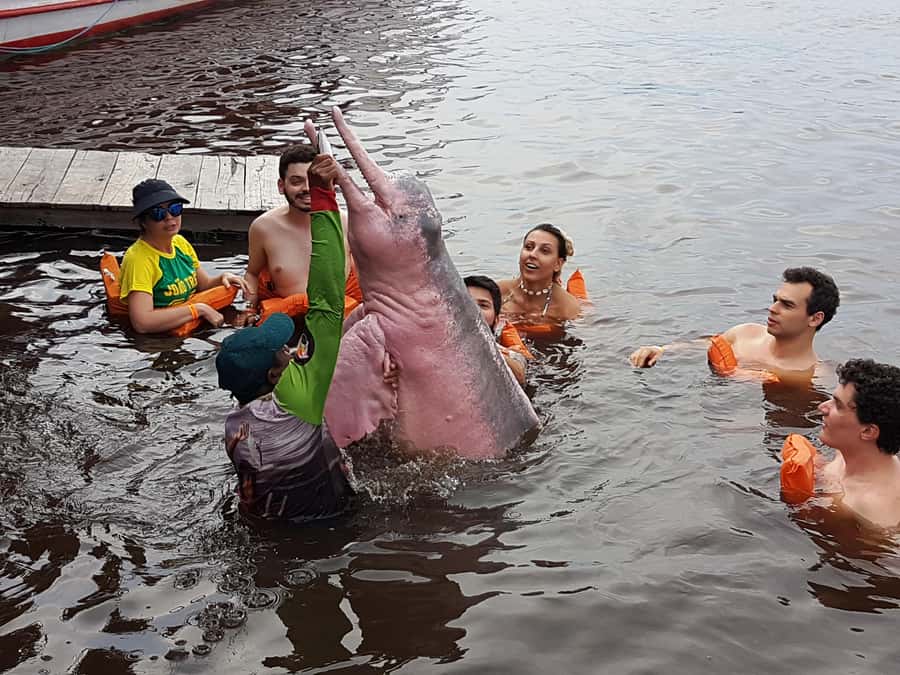
After lunch, the boat continues to Acajatuba Lake. This is the trip’s most memorable wildlife encounter for many people: a chance to swim near pink and gray river dolphins. The animals are one of the Amazon’s best-known symbols, but the setting matters just as much. You are in a lake connected to the river, surrounded by forest, rather than watching dolphins from a city aquarium or a crowded platform.
Follow the guide’s instructions in the water and keep your expectations sensible. The dolphins are wild animals, not performers, so the encounter can vary. Afterward, you return to the boat for dinner and an evening on the river.
The upper deck is a fine place for a sunset drink. Soft drinks and alcoholic drinks cost extra, but the view does not. Bring your camera, though protect it from water and humidity. At night, the forest sounds become part of the program: insects, birds, and movement along the riverbank replace the noise of Manaus.
Day two: Anavilhanas, piranha fishing, and alligators after dark
Day two starts early with a sunrise trip into the Anavilhanas Archipelago. The dawn timing is worth the effort. The river is quieter, the heat is lower, and the changing light gives you a better chance to notice birds and movement along the banks.
The archipelago is a large maze of river channels and forested islands. You explore it partly on foot, then take part in fishing for piranha and other fish. Piranha fishing is a hands-on activity rather than a scenic lookout. It gives you a practical sense of river life and adds a little suspense to the day.
After dinner comes an alligator search in their natural habitat. This is one of the stronger parts of the program because the forest changes after sunset. You need patience and quiet, and the guide’s ability to spot eyes or movement makes a major difference.
The schedule can be tiring. Sunrise, hiking, fishing, and a night outing all take energy, especially in heat and humidity. Pace yourself, drink the included mineral water, and use sunscreen even on cloudy days.
The trip includes breakfast, lunch, and dinner, with local Amazon dishes prepared by the crew. One of the strongest positive impressions from this experience has been the cooking. Do not expect a separate menu for vegetarian, halal, or kosher diets, since those options are not available.
The three-day route: manioc, fruit trees, and a shorter finish
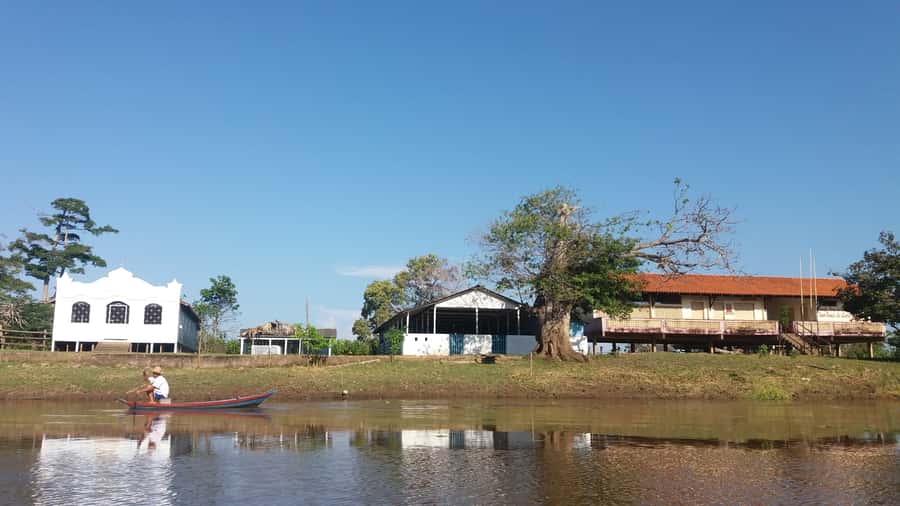
On the three-day version, the final full outing takes you to a native family’s home. You learn about manioc production and see tropical fruit trees. This visit adds an important human side to the trip, since the Amazon is not only forest and wildlife. Manioc is a key food crop in the region, and seeing how it is produced helps connect the meals on the boat with local work and daily life.
The three-day trip returns to Manaus at about 5 PM. It is the better choice if you want a real river experience but have limited time or do not want several nights in a hammock.
There is a tradeoff. The three-day option gives you less time for wildlife watching and leaves out the canoe trip, survival lesson, Tupé Beach, and Indigenous community visit included on the longer route. If you have come a long way to reach the Amazon, the fourth day adds useful variety. If you are unsure about rustic sleeping conditions, three days may be the wiser test.
A different side of Manaus altogether:
- From Manaus: One-Day Amazon Jungle Experience
★ 4.8 · 408 reviews - Manaus: Full-Day Tour on the Amazon River
★ 4.2 · 362 reviews - From Manaus: Presidente Figueiredo Waterfalls Daytrip
★ 4.3 · 149 reviews - 3 Days Amazon Jungle Adventure Tour
★ 4.0 · 145 reviews
The four-day route: canoe wildlife and practical jungle skills
The four-day version adds another day before the return to Manaus. You set out by canoe to look for monkeys and sloths. This is a quieter form of wildlife viewing than the boat rides. A canoe can take you into narrower waterways, but sightings are never guaranteed. Keep your voice low and your eyes moving through the trees.
You also learn jungle survival techniques. The value here is practical rather than theatrical. A good lesson should help you understand how people move, find useful plants, and handle basic challenges in the forest. The supplied details do not specify exactly which techniques are taught, so ask the guide what the session will cover if this is a major reason for booking.
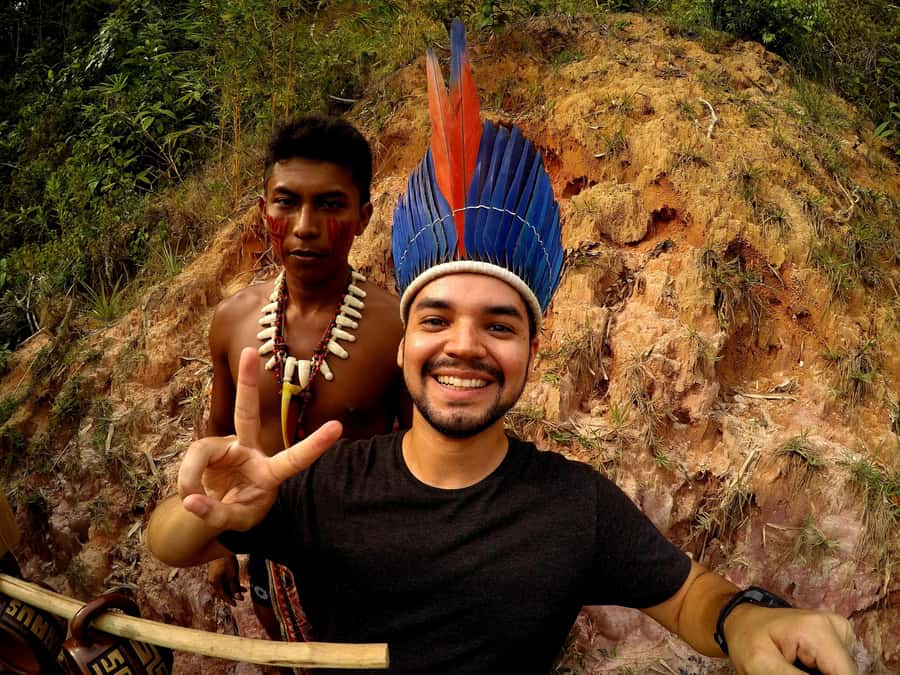
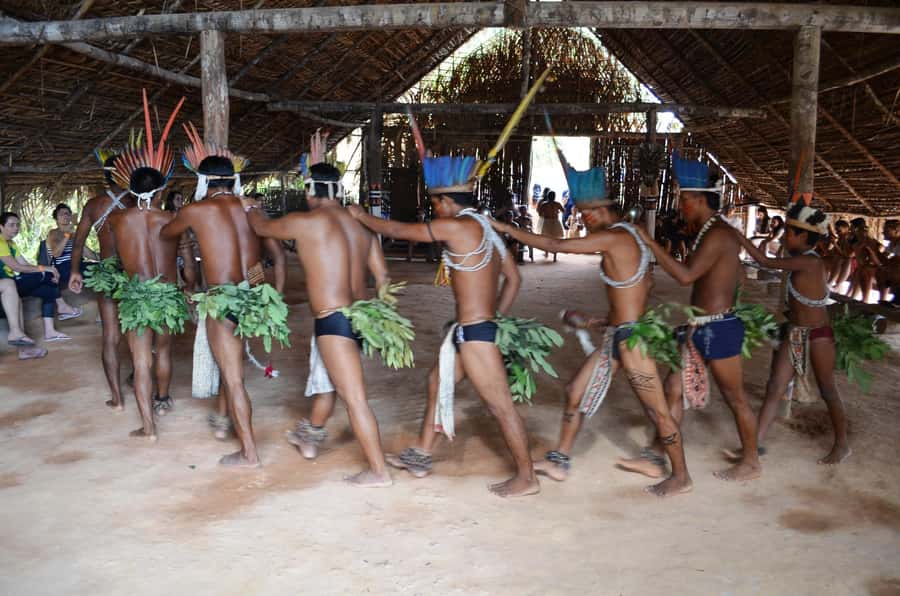
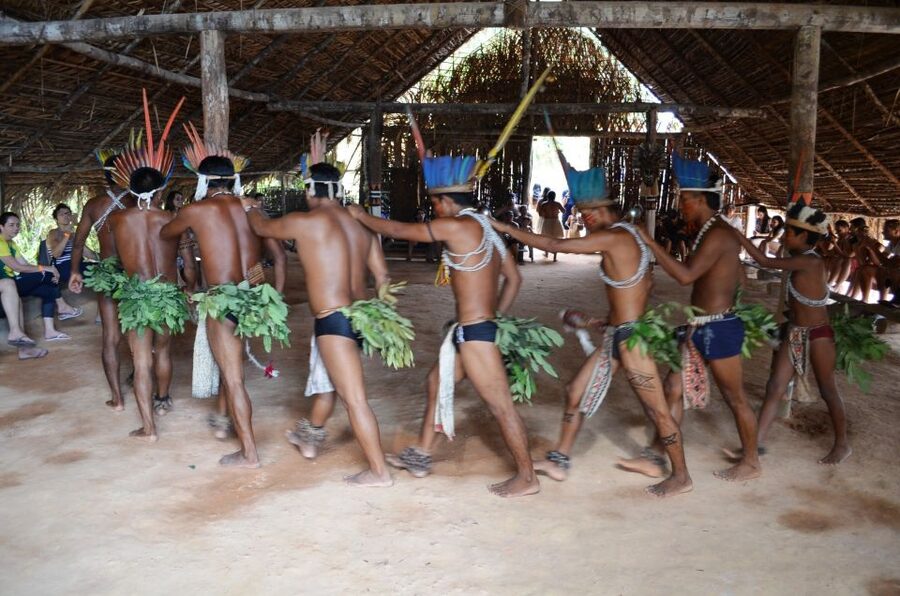
The final day includes Tupé Beach and a visit to an Indigenous community, where you see tribal dances. These stops bring a different rhythm to the trip. Tupé offers a break from forest trails and boat decks, while the community visit gives you a chance to see cultural traditions presented by local people.
Approach the Indigenous visit with respect. Listen to the explanation, follow instructions about photography, and remember that this is a community, not a staged theater built for tourists. The trip is scheduled to reach Manaus around 5 PM on day four, but river conditions and changes in the program can affect timing.
Guides, language, and the quality of the day
The activity is offered in English, Portuguese, and Spanish, with native bilingual guides listed as part of the package. Anailson is one guide whose work received especially strong praise, along with the captain and cook on one small departure. That combination matters. On a small boat, the guide is not only an interpreter but also the person who organizes hikes, explains wildlife, manages timing, and handles questions.
The guide can make a quiet forest walk feel alive. They can also make it feel like a transfer from one stop to the next if explanations are rushed or limited. I would ask at the start of the trip about the day’s plan, the expected hiking time, and what wildlife you are likely to see.
Communication has not been consistent on every departure. One poor experience involved a guide with limited English, making it hard to get answers about problems. The captain and cook may not speak English, so travelers who need detailed communication should confirm who will translate.
There have also been complaints about the program changing without clear explanation, including a jungle walk shortened from about three hours to roughly 40 minutes. That is a major concern because the forest walks are central to the value of the trip. Ask the operator in advance how fixed the route is and what happens if a stop is dropped.
Is $600 a fair price for three or four days?
At $600 per person, the price includes hotel transfers, accommodation in a cabin or hammock, all meals, mineral water, bilingual guiding, and the excursions. On paper, that is a reasonable package for several days of transport, food, and guided access in the Amazon.
The value depends on execution. If the boat is clean, the activities run as planned, and the guide explains what you are seeing, you are paying for a rare experience: several days in the river system, not just a short wildlife outing from Manaus. Strong departures have delivered excellent food, memorable activities, and a lasting sense of sleeping on the Amazon.
If maintenance is poor or activities are cut, the price feels high very quickly. This is not a luxury cruise, and the basic boat should be clear before you book. The biggest question is not the number of meals included. It is the condition of the boat and the reliability of the crew.
I would treat the price as good value for an adventurous, simple river trip, but not as good value if you expect a clean cabin, reliable plumbing, private space, and a fixed schedule. Ask for current photos of the exact boat, confirm the sleeping arrangement, and request a clear outline of the route.
Who will enjoy this Amazon cruise most?
You are a good match if you like outdoor travel, can hike and climb, and are happy to trade comfort for access to the forest. The trip suits people who want several kinds of activity in one package: wildlife, local food, fishing, canoe travel, cultural visits, and time on the river.
It also works well for someone who wants a stronger Amazon experience than a city-based day trip. The four-day route gives you more time, while the three-day version is easier to fit into a short Brazil schedule.
I would be cautious if you need strict dietary accommodation, high cleanliness standards, lots of privacy, or a tightly fixed timetable. The program is simple, and past departures have varied sharply in quality. A flexible attitude helps, but basic safety, sanitation, fuel, and communication should not be treated as optional.
Free cancellation is available up to 24 hours before departure, and you can reserve now and pay later. Those policies help if your plans are still moving, but they do not replace checking the current boat and crew details.
Should you book the Rio Negro cruise?
Book it if your priority is a close, low-comfort encounter with the Amazon. The dolphins, alligator outings, jungle walks, sunrise on Anavilhanas, local meals, and hammock nights offer the kind of memories a short Manaus excursion cannot match.
Choose three days if you want the core river program with a quicker return. Choose four days if the canoe wildlife outing, survival lesson, Tupé Beach, and Indigenous community visit matter to you.
My advice is to book only after confirming three things: the boat’s current condition, your exact sleeping place, and the activities promised for your departure. With an engaged guide such as Anailson and a capable cook and captain, this can be a powerful and personal Amazon trip. With poor maintenance or weak organization, the same basic setup can become uncomfortable and expensive.
FAQ
How long is the Rio Negro cruise?
You can choose a three-day or four-day cruise. The three-day option returns to Manaus at about 5 PM on the final day, and the four-day option returns at about 5 PM on day four.
Does the tour include hotel pickup in Manaus?
Yes. Transfers, including pickup from your hotel in Manaus, are included.
Where do I sleep on the boat?
You can sleep in a cabin with two twin beds or in a hammock, depending on the option you select. The boat has space for hammocks on both the lower and upper levels.
Can I swim with pink river dolphins?
The first day includes a stop at Acajatuba Lake for swimming with pink and gray river dolphins.
Are meals included?
Yes. Breakfast, lunch, and dinner are included, along with mineral water. Soft drinks, fizzy drinks, and alcoholic beverages cost extra.
Is the tour available in English?
Yes. The tour is offered in English, Portuguese, and Spanish with a bilingual guide.
Do I need to bring a mosquito net?
If you sleep in a hammock, mosquito nets are available to purchase in Manaus for about $5. You should also bring sunscreen, sunglasses, personal hygiene items, and your camera.
New in Manaus this month
- Manaus: Folklore Amazonian Dinner Show★ 3.3 · 3 reviews
- Manaus : Visit to MUSA (Amazon Museum)★ 3.0 · 4 reviews
- Manaus : A day of fishing on the Rio Negro★ 4.5 · 4 reviews
- Manaus: City Tour★ 3.5 · 4 reviews
- Manaus: Amazon Rainforest Panoramic Airplane Flight★ 4.4 · 5 reviews
- Amazon Jungle 3-Hour Tree Climbing Activity★ 4.6 · 6 reviews
- Amazon Safari® Manaus: Day trip on the Amazon River★ 3.8 · 9 reviews
- Amazon Experience: Indigenous culture and nature phenomenon★ 4.4 · 10 reviews
Manaus Tours, compared.
From Manaus: Presidente Figueiredo Waterfalls Daytrip
Read our review →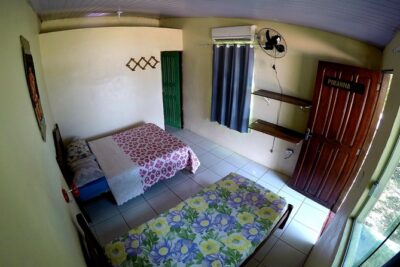
Browse the lists this tour appears in