
Our review · PARATY TOURS
Paraty: Gold Trail Rainforest Hiking Tour
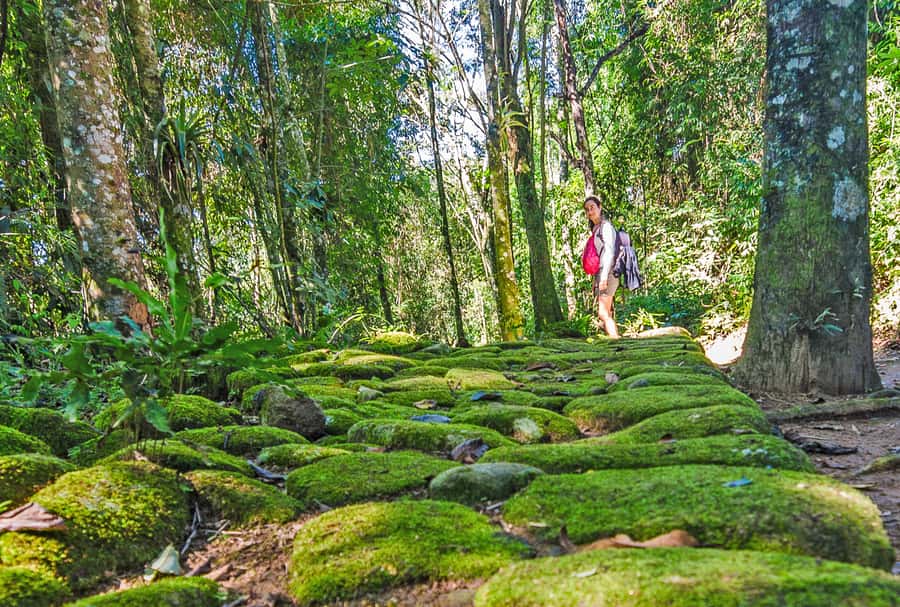
Paraty’s Gold Trail is more than a rainforest walk. In about three hours, you follow part of the old route that linked the mining towns of Ouro Preto and Diamantina with Paraty, once Brazil’s main colonial port for exporting gold. Along the way, your guide connects the stones under your feet with gold diggers, mule drivers, and enslaved people who crossed these mountains.
I like two things here: the history is tied to the actual trail, not delivered as a lecture in a museum, and the small group, limited to six, gives you room to stop for plants, photographs, and questions. Guides such as Gregorio and Leidiana have been praised for their explanations of local vegetation, animals, and colonial history. The main consideration is the medium-level hike, plus the need to use a regular public bus rather than private transport.
Key points at a glance
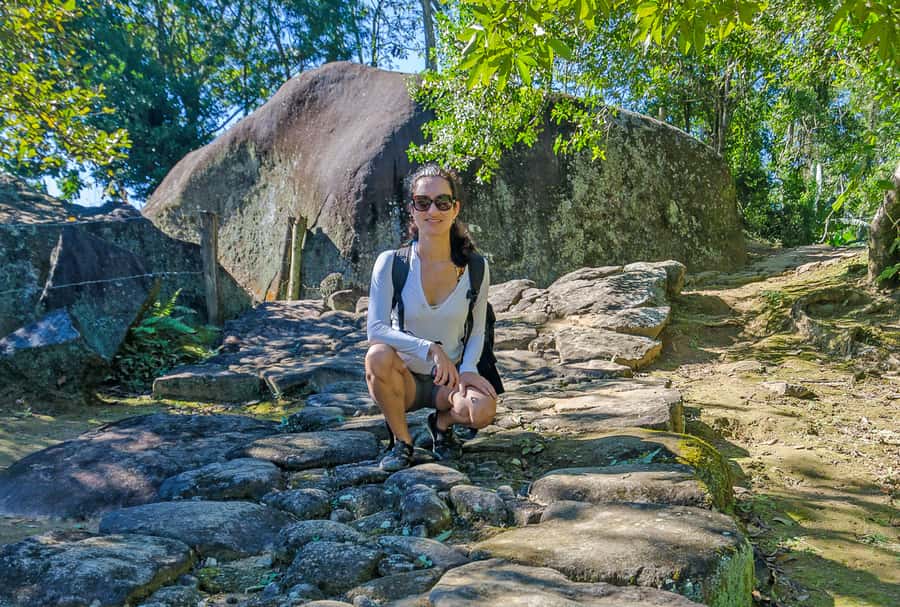
- A 3.6-kilometer section of the Gold Trail: Walk a surviving route once used between Paraty and Brazil’s inland mining regions.
- Atlantic Forest scenery and wildlife: Look for the native plants, trees, and animals your guide points out inside Serra da Bocaina National Park.
- A guide-led history lesson: Learn how gold and diamonds moved through Paraty and helped push Brazil’s borders farther inland.
- A public-bus start and finish: The tour includes bus tickets, but you meet at the agency and travel with regular local passengers.
- Optional waterfall and distillery stop: You may add Tobogã Waterfall and Engenho do D’Ouro distillery, but this visit is not included in the price.
- Small-group format: With no more than six participants, the walk can feel more personal and easier to follow.
Why Paraty’s Gold Trail matters
Paraty’s old town is handsome, but its real importance is economic and strategic. During the colonial period, gold from inland mining areas moved toward the coast, and Paraty became one of Brazil’s most important export ports. The route you walk was part of the overland connection between the coast and the mining centers.
Ouro Preto and Diamantina became famous for the huge quantities of gold and diamonds found around them. Both are now UNESCO World Heritage sites. The Gold Trail helped connect those inland riches with ships leaving Brazil, and the wealth also helped widen the territory controlled by Portugal in South America.
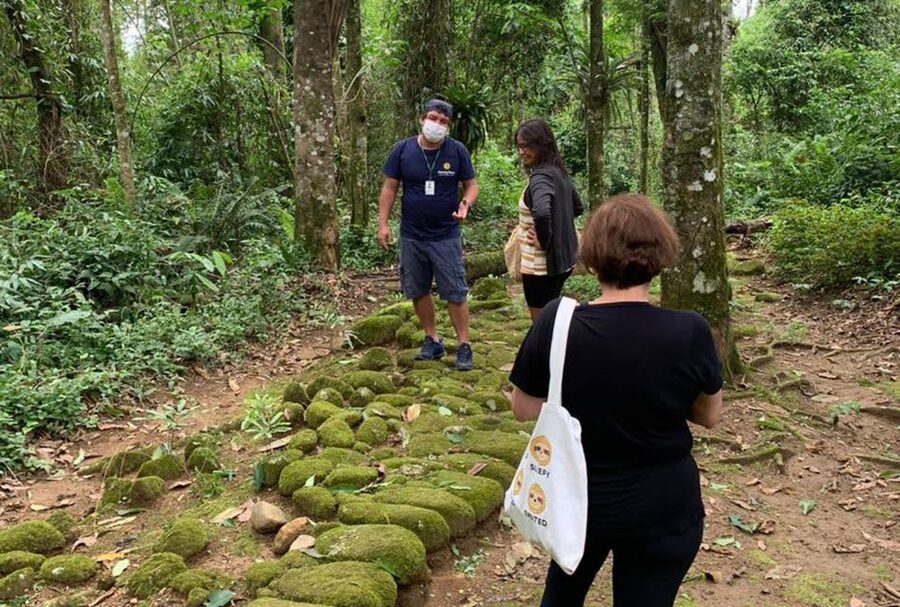
That story becomes easier to grasp on foot. You are not simply hearing that people crossed the mountains. You are walking a route shaped by repeated passage, with your guide explaining the work of the tropeiros, or mule drivers, gold seekers, and enslaved people who moved goods and precious metal through difficult country.
The human cost matters here. The colonial gold trade depended heavily on enslaved labor, and the route carries that uncomfortable part of the story as well. A good guide helps you see Paraty as a working port within a much larger system, not just a pretty coastal town.
more amazon river and jungle days
- Paraty: Jungle Waterfalls and Cachaça Distillery Jeep Tour
★ 4.7 · 491 reviews - Full-Day Jungle Jeep Waterfall and Cachaça Distillery Tour
★ 4.1 · 14 reviews - Paraty: 3-Hour Rainforest Horseback Ride
★ 5.0 · 12 reviews
Meeting at Av. Roberto Silveira
The tour begins at Paraty Tours Agency, at Av. Roberto Silveira, 479, in Centro. You should plan to reach the meeting point with enough time to get organized, since the group takes a short walk to the bus station before boarding a regular public bus.
This arrangement is practical, but it is not the same as being collected from your hotel in an air-conditioned minibus. Pickup and drop-off in Paraty are not included, so you need to make your own way to the agency and back from there.
The public bus is part of the experience. It gives you a more ordinary look at local transport and keeps the price down, but it also means you should expect a shared bus rather than a private ride. The ticket to and from the trail is included.
The tour lasts three hours, so the bus ride, trail walk, and return need to fit within that period. The exact starting times depend on availability. If you want to add the optional stop at Tobogã Waterfall and the Engenho do D’Ouro distillery, allow extra time and confirm how that addition will work before setting other plans for the day.
Walking the 3.6-kilometer route
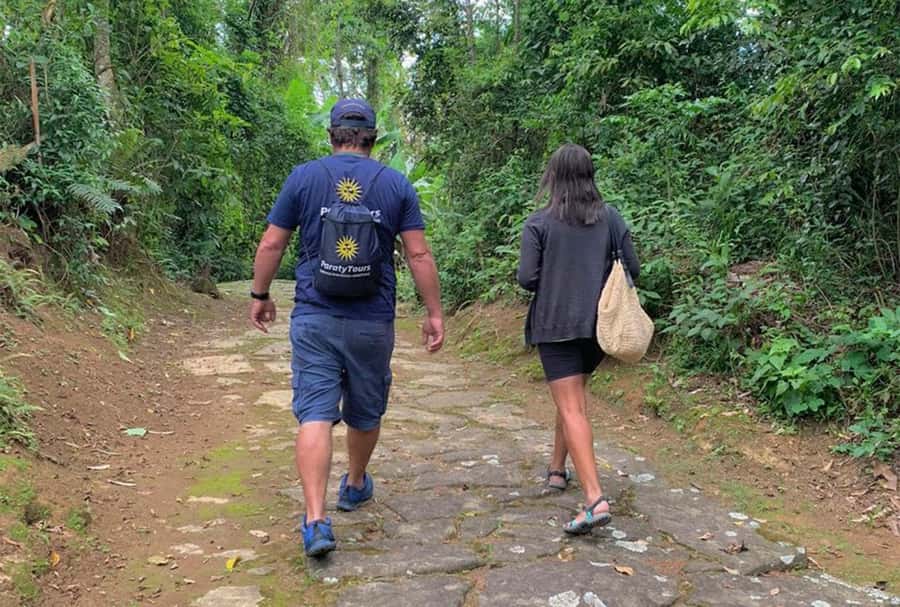
The trail covers about 3.6 kilometers, a useful length for seeing a meaningful section of the Gold Trail without committing to an all-day trek. You walk through Serra da Bocaina National Park, where the Atlantic Forest supplies the natural side of the tour.
This is a medium-level hike, not a gentle stroll along a flat pavement. The information provided does not give an elevation profile or a precise surface description, so you should prepare for uneven conditions and changes in footing. Wear comfortable shoes with a secure grip, and choose clothes you can walk in easily.
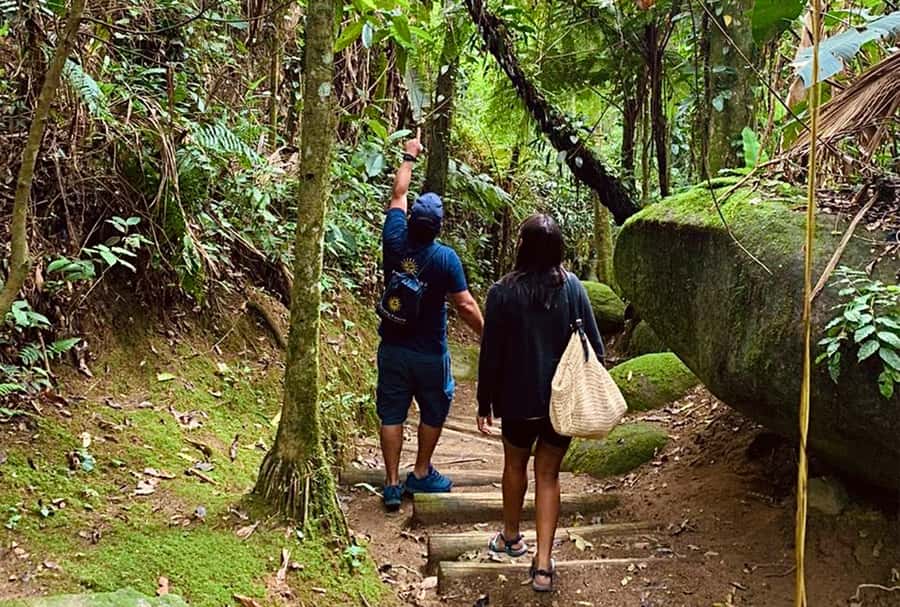
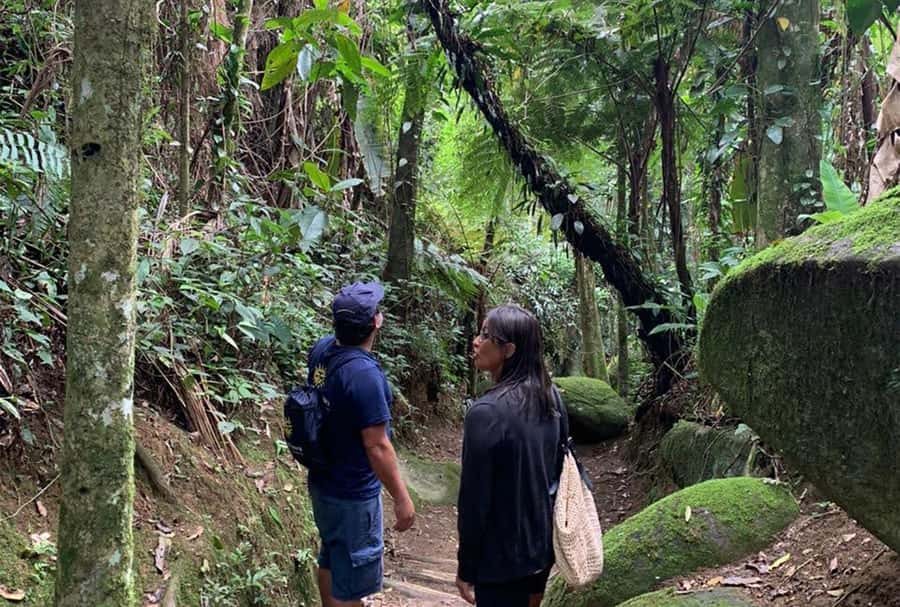
The pace has an important advantage: the guide can stop when something catches your eye. Past groups have taken time to photograph plants and examine individual species, and guide Gregorio was especially praised for patiently waiting while participants looked closely and took pictures. That makes the walk a good fit if you enjoy learning one tree or plant at a time rather than racing to the finish.
You should also bring water, snacks, sunscreen, insect repellent, and a sun hat. Swimwear is worth packing if you plan to visit the waterfall afterward. Food and drinks are not included, so do not count on buying refreshments as part of the walk.
Atlantic Forest plants, animals, and scenery
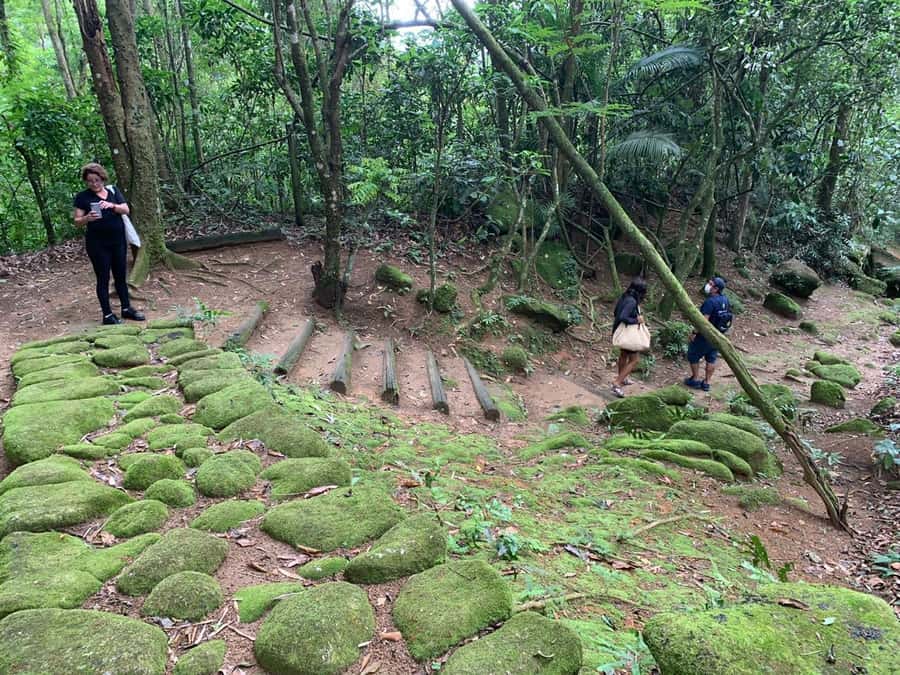
The Atlantic Forest is one of the main reasons to choose this tour instead of a purely historical walk. You move through a protected forest area with plant life and animal species characteristic of southeastern Brazil. The guide helps turn a wall of green into something readable.
Do not expect a wildlife-spotting trip with guaranteed animal sightings. The information promises contact with local fauna and flora, but it does not promise particular species. Your best reward may be the explanation of how different plants fit into the forest, along with the chance to notice details you would probably pass without a guide.
This is where the small group works well. A six-person limit makes it easier to hear explanations and pause without holding up a large crowd. English and Portuguese are offered, so English-speaking visitors can follow the historical and natural information without needing to rely on gestures or a translation app.
Guides Gregorio and Leidiana have both been singled out for clear explanations of the region’s vegetation, animals, and past. You are not guaranteed either guide on your date, but their work gives you a useful idea of the level of interpretation available. The strongest part of the tour is not speed or physical challenge. It is the combination of close observation and local context.
more Paraty days to choose between
- Small Group Hike to Saco Bravo Waterfall
★ 5.0 · 74 reviews - Paraty: Pão de Açucar Peak Trekking and Hiking Tour
★ 4.6 · 6 reviews - Rio: Tijuca Forest Small Group Hike to Caves and Waterfalls
★ 4.9 · 536 reviews - Pedra do Telégrafo Hike and Beach Full-Day Tour
★ 4.5 · 417 reviews
Gold diggers, tropeiros, and enslaved labor
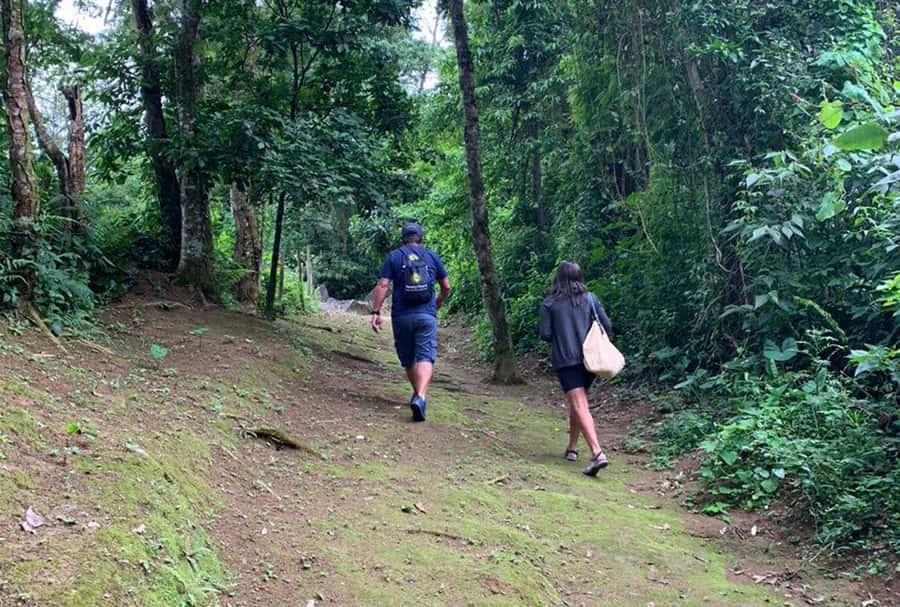
The trail’s name can sound romantic if you only think of adventure and treasure. The actual story is tougher. Gold diggers and mule drivers moved up and down the mountains, while enslaved people performed much of the forced labor that supported the colonial economy.
Your guide describes how these people used the route and how gold and diamonds traveled from the interior toward Paraty. The route linked mining centers with the coast, and Paraty’s port connected inland production to the wider colonial trade.
That physical connection is the tour’s best teaching tool. You can picture animals carrying loads, people struggling over mountain paths, and supplies moving in the opposite direction. A short walk becomes a way to understand how geography shaped Brazilian history.
The tour also explains how this movement of wealth helped widen Brazil’s borders. That is a useful point for anyone who knows Brazil mainly through its beaches and colonial architecture. The country’s size was not an accident of a map. Trade, exploration, mining, and force all played a role.
Tobogã Waterfall and Engenho do D’Ouro
At the end of the hike, you may have the option to visit Tobogã Waterfall and Engenho do D’Ouro distillery near the Paraty-Cunha road, in the community of Vila do Penha. This is not included in the tour price, so treat it as an add-on rather than a guaranteed part of the three-hour outing.
The waterfall is the more natural extension of the hike. Bring swimwear if you want the option to get in the water, and keep in mind that the main tour information does not promise swimming conditions or a fixed amount of time there. One past group described the waterfall as a special highlight, which makes it a sensible addition if your schedule allows.
The distillery offers a different link to local culture, but no tasting details or visit length are specified. Ask about the extra cost and timing before agreeing to the stop. The visit may be a pleasant finish, but it should not be confused with an included tour feature.
If you have only three hours available, stick to the main hike unless the operator confirms that the optional stops fit comfortably. If you have more flexibility, the waterfall can add a refreshing end to a warm walk.
What the $75 price gets you
At $75 per person, this is not the cheapest way to spend three hours in Paraty. The cost covers a bilingual English and Portuguese-speaking guide and regular public bus tickets to and from the trail. It does not cover meals, drinks, hotel transport, or the optional waterfall and distillery visit.
The value depends on what you want from a walk. If you only want to reach a forest path, you can likely find a simpler and less expensive outing. Here, you are paying for interpretation of both the Gold Trail and the Atlantic Forest, plus the convenience of having transport arranged in both directions.
The group limit also matters. A six-person maximum is much more useful than a large coach tour when the guide is identifying plants, explaining the trail’s past, or waiting while you take pictures. The price makes more sense for visitors who would otherwise miss the historical meaning of the route.
The included public bus keeps the experience local and helps control the cost. It does mean less comfort and less control than a private vehicle. I would see the price as fair for a guide-centered walk, but less appealing if you are mainly shopping for a short nature stroll.
Fitness, clothing, and practical comfort
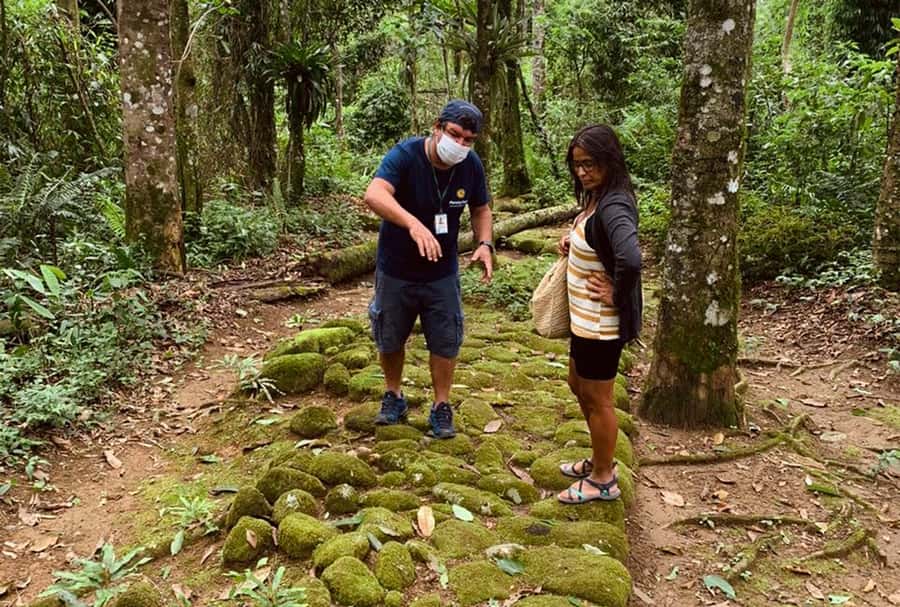
You do not need specialist hiking equipment, but you do need to take the medium-level rating seriously. Comfortable shoes are essential. Sandals or smooth-soled casual shoes would be a poor choice for a trail where footing may change.
Bring enough water for the outing, along with a snack. Since food and drinks are excluded, you are responsible for your own energy and hydration. Sunscreen, insect repellent, and a hat will make the walk more comfortable, especially in warm or humid conditions.
The tour is not suitable for people with mobility impairments or wheelchair users. That limitation comes from the trail and the walking format, not from a lack of interest on the part of the operator. If you need a route with accessible surfaces or vehicle-based sightseeing, choose a different Paraty activity.
The small group can help with questions, but it does not change the physical nature of the hike. You should be comfortable walking the full route and using public transportation at the beginning and end.
Who will enjoy this tour most
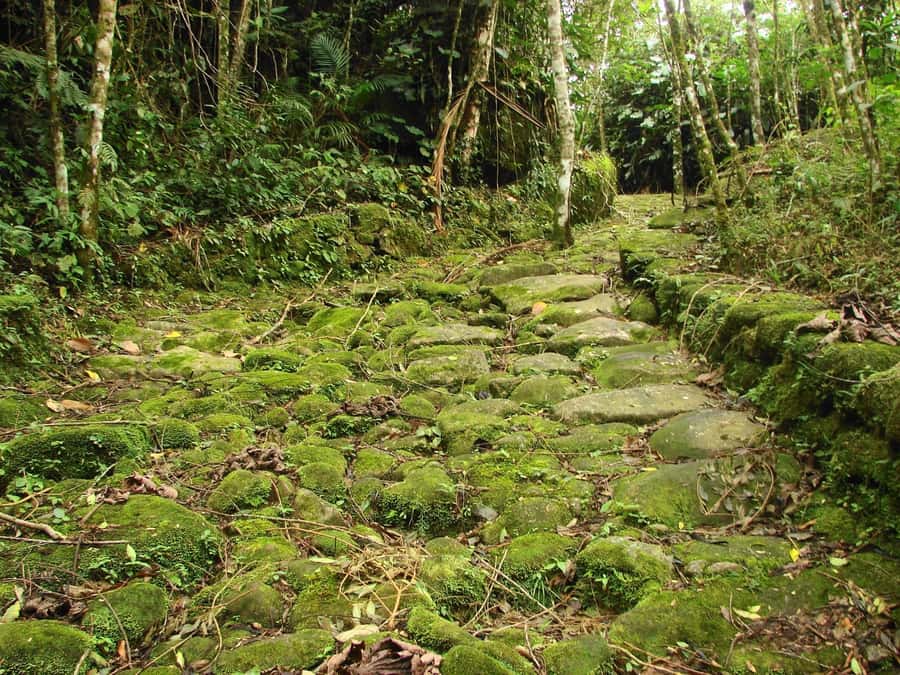
I would choose this tour if you like history best when it is attached to a place. The Gold Trail gives you a direct link between Paraty’s port, the inland mining towns, and the people who moved through the mountains.
It also suits plant lovers and keen photographers. The guide can pause for close looks, and past guiding by Gregorio and Leidiana shows that the nature side receives real attention, not just a quick mention.
English-speaking visitors should be comfortable, since bilingual guiding is available and Leidiana has been noted for speaking English well. Portuguese speakers have the same advantage, with the option to ask questions in the local language.
I would think twice if you dislike public buses, want a private vehicle, or prefer a flat walk. I would also avoid booking it too tightly against another activity if you want the optional waterfall and distillery visit, since those stops are not part of the included three-hour plan.
The activity has earned a 4.9 rating from seven recorded ratings, and the strongest praise centers on the guides’ explanations of history, plants, and animals. That matches the tour’s real strength: it gives you a more informed way to see the forest and Paraty’s place in Brazil’s gold trade.
Should you book Paraty’s Gold Trail?
Book it if you want a small, active outing that joins colonial history with Atlantic Forest nature. The 3.6-kilometer walk is long enough to feel substantial, yet short enough to fit into a Paraty sightseeing plan, and the bilingual guide adds value that you would not get from following the path alone.
Skip it if you need accessible terrain, private transport, or a fully included waterfall visit. Also remember the $75 price does not cover food, drinks, hotel transfers, or the optional add-on.
For the right visitor, this is a thoughtful choice: a real trail, a clear historical purpose, and time to stop and look closely. Reserve now and pay later if you need flexibility, and cancellation is free up to 24 hours before departure.
FAQ
How long is the Gold Trail hike?
The trail section is about 3.6 kilometers, and the full activity lasts three hours.
Where does the tour begin?
You meet your guide at Paraty Tours Agency, Av. Roberto Silveira, 479, Centro, Paraty, Rio de Janeiro. From there, you walk a short distance to the bus station.
Is transport to the trail included?
Yes. The tour includes regular public bus tickets to and from the trail. Hotel pickup and drop-off in Paraty are not included.
What languages are available?
The tour has a live bilingual guide in English and Portuguese.
Is the hike suitable for wheelchair users?
No. The activity is not suitable for wheelchair users or people with mobility impairments, and the trail is rated medium-level.
Are Tobogã Waterfall and the Engenho do D’Ouro distillery included?
No. You may be able to add an optional visit to both after the hike, but it is not included in the tour price.
New in Paraty this month
- Idyllic Islands Private Speedboat Tour in Paraty★ 5.0 · 3 reviews
- Paraty: Half-Day Bike Rental★ 3.6 · 3 reviews
- Trindade Day Trip: Nature and Sea Adventure from Paraty★ 4.6 · 5 reviews
- Paraty: A Private Speedboat Experience in Mamangua★ 5.0 · 5 reviews
- Paraty: Discovery Scuba Diving Experience for Beginners★ 4.7 · 6 reviews
- Paraty: Pão de Açucar Peak Trekking and Hiking Tour★ 4.6 · 6 reviews
- Paraty: Fast Boat Expedition to Saco do Mamangua★ 3.9 · 7 reviews
- Paraty Historical City Walking Tour★ 4.1 · 8 reviews
Paraty Tours, compared.
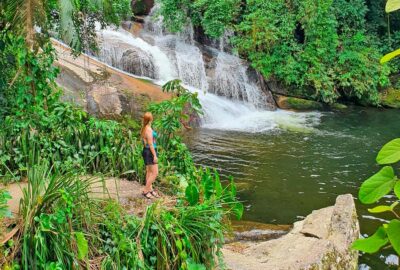
Paraty: Jungle Waterfalls and Cachaça Distillery Jeep Tour
Read our review →
Paraty Bay: Islands & Beaches Boat Tour with Snorkeling
Read our review →
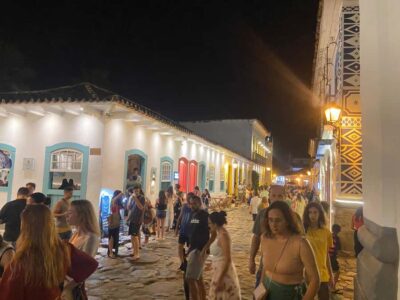
Paraty: Historic Centre Walking Tour & Cachaça Tasting
Read our review →
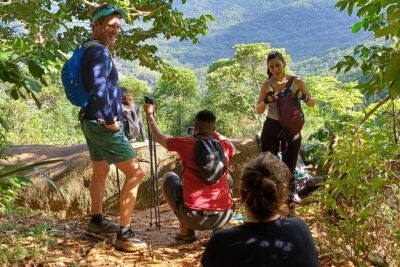
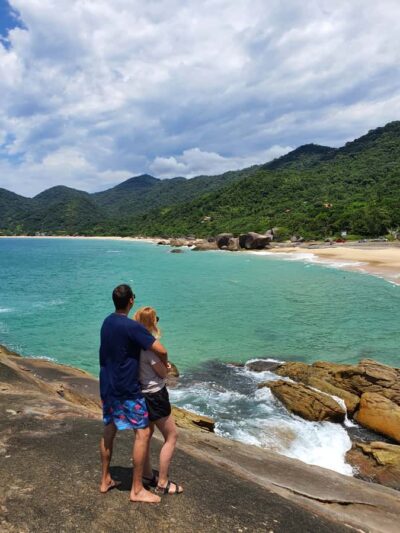
Day Tour to Trindade: Nature and Sea Adventure from Paraty
Read our review →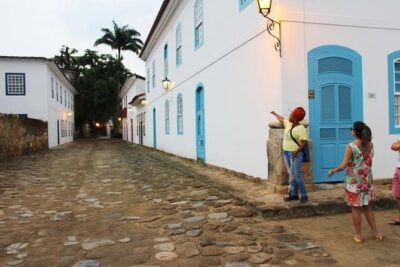
Private walk tour of Paraty’s historical center – BY PARATY TOURS
Read our review →Browse the lists this tour appears in