
Our review · LENÇÓIS MARANHENSES TOURS
Trekking the valley of the pat 3 days/ GUIDE TUTY CHAPADA DIAMANTINA
The best part of this three-day Vale do Pati trek is the way it combines big mountain views with simple local life. You cross the open Gerais do Vieira, walk old mule paths, squeeze through a quartzite cave, swim beneath waterfalls, and sleep in a family home rather than returning to town each evening. I especially like the local dinners made with farm ingredients and the chance to walk with Tuty, a Lençóis native who adjusts the pace and route to suit the group.
I also like that the trek includes several memorable viewpoints instead of saving the scenery for one final stop. The trade-off is real: this is a demanding hike with long days, uneven ground, climbs, and basic overnight lodging. The published details also list a 7:00 am meeting time but say the car leaves at 8:00 am, and the final day description mentions dinner and accommodation even though the activity is described as ending back at the meeting point. Confirm the exact schedule before setting out.
Key points at a glance
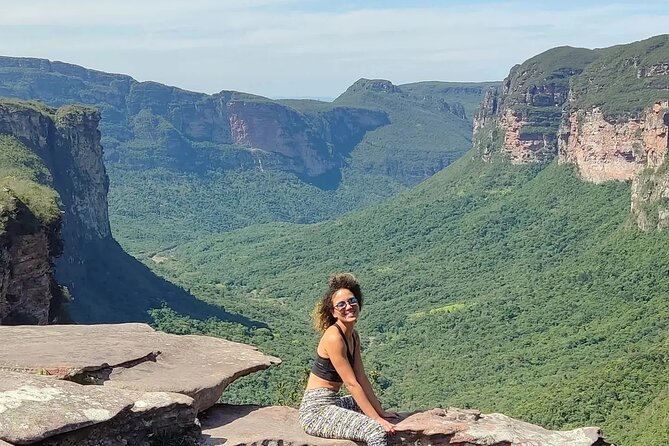
- Three days on foot through Vale do Pati: Expect a genuine backcountry route, not a series of short roadside stops.
- Local guide Tuty: He is from Lençóis, knows the area well, and is praised for safety, flexibility, photography, and clear pacing.
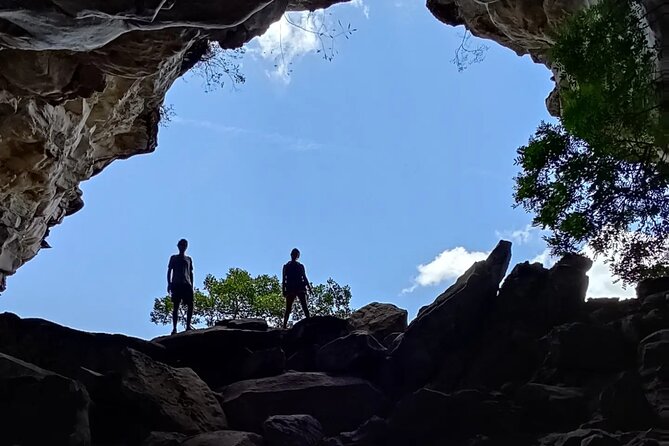
- Morro do Castelo cave: You enter a quartzite cave with a flashlight before reaching a high viewpoint over Pati de Baixo.
- Waterfall breaks: Cachoeira dos Cristais and Funis Waterfall provide welcome places to cool off.
- Local homestays and meals: Overnight stays are at homes such as D. Raquel’s, Mr. Wilson’s, or Casa de João, with home-cooked food.
- Small group size: The outing accepts a maximum of 10 people, useful on narrow paths and steep sections.
Why Vale do Pati is worth three days
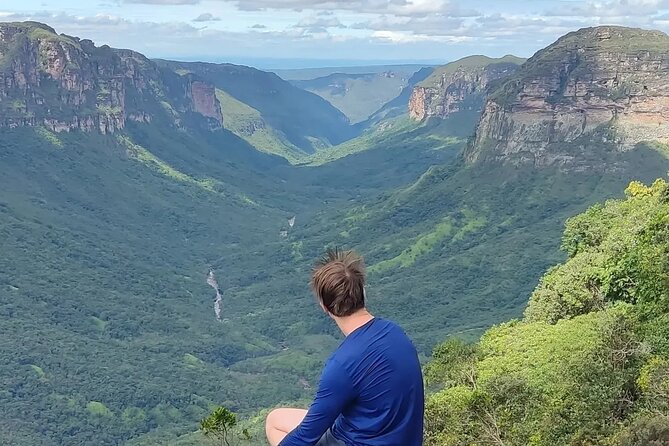
Vale do Pati is one of Brazil’s great walking areas because the scenery changes constantly. You move from wide, high plains to narrow trails, waterfalls, cave passages, and steep viewpoints over the Serra do Sincorá. The route also gives you time away from Lençóis, where the valley’s quiet and local homes become part of the experience.
A three-day format makes sense for people who want more than a quick taste. You spend enough time walking to settle into the rhythm of the trail, yet the trip is shorter than longer four-day versions. The price is listed at $421.82 per person, which is not a small outlay, but it covers a guide-led trek, transport from Lençóis to the trailhead, meals described in the schedule, and overnight stays in local homes. The value depends on what you want. If you prefer independent day hikes and hotel comfort, this will feel expensive and too rustic. If you want a guided route with meals and local hosting, the package is easier to justify.
The maximum group size is 10. That is small enough for the guide to keep an eye on different walking speeds, and it should make the homestay and trail conversations more personal than a large bus excursion. Tuty’s reported willingness to change the route or timing is especially useful here. A flexible guide matters when one person wants more time at a viewpoint, another needs a slower climb, or weather affects the plan.
more Lençóis Maranhenses days to choose between
- Day trekking in Lençóis Maranhenses
★ 5.0 · 3 reviews - Rio: Tijuca Forest Small Group Hike to Caves and Waterfalls
★ 4.9 · 536 reviews - Pedra do Telégrafo Hike and Beach Full-Day Tour
★ 4.5 · 417 reviews
Day 1: Gerais do Vieira and the old mule trail
The day begins in Lençóis, with a car ride to Guiné, the starting point for the Pati trail. The stated meeting time is 7:00 am, while the schedule says departure follows breakfast at 8:00 am. Get that detail confirmed, because an early start matters on a long walking day.
Your first major section crosses Gerais do Vieira, a broad high area marked by gentle rises, rivers, and waterfalls. This is not a paved park walk. The open terrain gives you wide views and a feeling of distance, but it also means exposure to sun and weather. Bring water, sun protection, and a light rain layer even if the morning begins clear.
The planned break is at Cachoeira dos Cristais, where you can eat a trail snack and take a swim. This is a smart place for a pause. A waterfall bath can revive tired legs early in the trip, though you should not assume the water will be warm or that swimming conditions will always be the same. Weather affects river levels and access.
The second section follows the Trilha dos Tropeiros, an old route linked to mule transport through the region. The route opens toward the Serra do Sincorá, with rupestrian vegetation, orchids, insect-eating plants, and evergreens known as Paepalanthus. Birdlife may include pairs of saw-footed hawks, while the plant life gives the walk a strong sense of place.
The published walking times total about five hours, split between the two listed sections, but the full day also includes the transfer from Lençóis, breaks, and the climb or descent involved in reaching the accommodation. Plan for a full day outside rather than a neat five-hour outing.
At night, you stay with local residents in Upper Pati, with D. Raquel or Mr. Wilson named as possible hosts. Dinner uses farm ingredients. This is one of the strongest parts of the trip for me because the overnight stop is not just a bed. It connects the route to the families who live in the valley and gives you a taste of how remote-area hospitality works.
Do not expect hotel standards. The information describes lodging in native homes, not private rooms or resort facilities. That simplicity is part of the appeal, but it is also the main comfort limitation. Ask what bedding, washing facilities, and luggage arrangements are provided before you go.
Day 2: The climb to Morro do Castelo
After breakfast, the route climbs Morro do Castelo, one of the trip’s signature sections. The climb is strenuous, and the six-hour estimate includes the ascent, cave crossing, viewpoint, return, and the visit to Funis Waterfall.
At the top, you reach a quartzite cave at about 1,470 meters. You cross it with a flashlight to reach an observation point over Pati de Baixo. This is an unusual feature for a trekking day: the cave is not simply a photo stop beside the trail. You walk through it, then emerge at a viewpoint where the valley opens below.
You need a proper flashlight, not only a phone light, unless the guide supplies one. The supplied details specifically say to cross the cave with a flashlight, so confirm equipment before leaving Lençóis. Footing inside a cave can be uneven, and darkness makes a steady pace more important than rushing for photos.
The trail lunch is planned at the viewpoint. That timing is practical. You get the main view while resting after the climb, and you avoid carrying the day’s tiredness all the way back to the homestay before eating. Tuty is also praised for preparing lunches and for taking photographs at good angles, so you may come away with better records of the day than hurried phone snapshots.
The return includes a bath and rest at Funis Waterfall. After Morro do Castelo, this stop should feel well earned. Still, water conditions can change, and the schedule does not promise a long swim. Think of it as a chance to cool down and pause, not a guaranteed beach-style afternoon.
Dinner and another night are listed at a local home, again naming D. Raquel or Mr. Wilson. One account of the accommodation describes Casa de João as clean and welcoming, with breakfast and dinner cooked over a fire. Since the exact house may vary, treat that description as an indication of the kind of stay rather than a guarantee of a particular host.
Day 3: Cachoeirão do Pati and the final view
The third day heads through the open areas around Rio Preto toward Cachoeirão do Pati. The viewpoint looks toward the waterfall and the ascent of the Empire, with the mountain scenery stretching far beyond the immediate valley.
Cachoeirão is the kind of place that rewards a patient pause. The view is not about one close waterfall alone. It is about the scale of the valley, the rising rock walls, and the sense of being deep inside Chapada Diamantina. You may also spot the red-tie hummingbird, described as endemic to Chapada, along with fern species that recall the area’s ancient plant life.
The schedule gives less detail for Day 3 than for the first two days. It says you reach Cachoeirão do Pati, then lists dinner and accommodation at a local home. Elsewhere, the activity is described as ending back at the Lençóis meeting point. That is an important gap, not a minor wording issue. Ask the operator exactly where the third day ends, when transport returns to Lençóis, and whether the stated dinner and accommodation are part of this three-day booking or copied from a longer route.
The final day may be the most scenic, but it can also be tiring. You have already completed two demanding walking days, and the route back may include rough ground and climbs. Keep some energy in reserve instead of treating Day 3 as a short farewell walk.
A different side of Lençóis Maranhenses altogether:
- Full-day excursion Lencois Marnahenses, Lagoa Azul & Lagoa Bonita combined
★ 4.8 · 171 reviews - Barreirinhas: Full Day Tour -2 Lagoons (Azul and Bonita)
★ 4.4 · 137 reviews - Sunset Experience in Bonita Lagoon
★ 4.4 · 86 reviews - Experience tourism, trails, boat trips and 4×4 car.
★ 5.0 · 73 reviews
Tuty’s guiding style and why it matters
A good guide is not a luxury on this route. The trail includes remote sections, changing weather, uneven ground, and route choices that are hard to judge from a map alone. Tuty is described as a Lençóis native who knows the terrain and local stories, and his strongest practical qualities are safety, communication, and flexibility.
You can expect guidance on the trail’s difficulty and the time needed according to your walking ability. That is better than a fixed pace designed for the fastest person in the group. Tuty is also described as attentive to food restrictions and pre-trip questions, so tell the operator about dietary needs before arrival rather than waiting until the first dinner.
Photography is another useful extra. Tuty is known for finding good angles and helping record the trek. That does not replace bringing your own camera, but it can be valuable at viewpoints where a quick self-timer shot would miss the scale of the valley.
The best fit is a group that communicates clearly. If you want to alter the route, slow down, or spend more time at a view, discuss it early. Flexibility works both ways. The guide can adapt to the group, but weather, daylight, fitness, and the needs of other walkers still set limits.
Food, homestays, and the human side of the trek
Meals are a major part of the value here. The plan includes trail food, lunch at the Morro do Castelo viewpoint, dinners with farm ingredients, and breakfasts at the local homes. One account specifically praises fresh coffee prepared during the walk, as well as generous evening meals and breakfasts cooked over a fire.
You should still confirm exactly what is included each day. The schedule uses phrases such as trail snack and trail lunch, but it does not provide a full menu. If you have allergies, follow a special diet, or need extra snacks, make those needs clear before the trek.
The homestays offer something a hotel cannot: direct contact with families connected to the valley. You eat in a working home, sleep in a simple setting, and see how food and hospitality fit into a remote walking route. The cost is less privacy and fewer standard facilities. Pack with that in mind.
A small, light bag is important. The supplied information does not explain baggage transport, so ask whether you carry everything yourself or whether a separate arrangement exists. Either way, avoid packing as if you were moving rooms in Lençóis. Bring only the clothes, water, toiletries, and trail gear you truly need.
Fitness, gear, and the daily effort
The activity asks for a moderate fitness level, but the word moderate can be vague. Three days of walking, a climb to Morro do Castelo, a cave crossing, waterfall routes, and long stretches over uneven ground will challenge anyone who is not used to sustained hiking.
You do not need to be an elite athlete, but you should be comfortable walking for several hours and handling uphill and downhill sections. Tell Tuty about your normal walking pace and any knee, ankle, or breathing concerns before departure. His ability to adjust the route is most useful when he knows the group’s limits from the start.
Pack:
- Broken-in hiking shoes with a secure grip
- A flashlight for Morro do Castelo cave
- Sun protection and a rain layer
- Swimwear and a quick-drying towel
- Personal medicines and basic toiletries
- A reusable water container
- Light clothing for walking and a dry change for the homestay
- Extra snacks if you need food between the planned meals
The list above follows the needs clearly described by the route, but it is not a substitute for the operator’s final packing advice. Ask about water access, bedding, luggage, and required equipment before leaving.
Price, group size, and practical value
At $421.82 per person, this is best judged as a multi-day service rather than a simple hike. You are paying for the guide, the route planning, the vehicle transfer from Lençóis, local accommodation, and meals. The local connection also matters. Spending money with a Lençóis-based guide and valley households supports the people who make the route possible.
The value drops if you are comparing it with a self-guided walk and already have transport, camping gear, route experience, and food. The value rises if you want someone to manage navigation, pacing, local stays, meals, and changes to the plan.
The activity is limited to 10 people and is recommended by 99 percent of its listed customers, with a 4.9 rating from 78 ratings. Those figures suggest a strong record, particularly for a demanding route, but they do not remove the need to check the practical details. The unclear Day 3 schedule and the different possible host homes are worth confirming in writing.
Free cancellation is available up to 24 hours before the start time for a full refund. Changes made inside that period are not accepted, and poor weather or failure to reach the minimum group size may lead to a new date or a full refund. Confirmation is normally sent at booking, though bookings made within five days of departure may take up to 48 hours and depend on availability.
Who should book this three-day route?
I would choose this trek if you want Chapada Diamantina through walking, local food, and family-run accommodation rather than a quick collection of day tours. It is a good match for hikers with moderate fitness who enjoy wide views, waterfalls, simple lodging, and a guide who can shape the pace around the group.
I would hesitate if you need private hotel rooms, a tightly fixed timetable, or easy access to transport at every stage. The cave, climbs, and three consecutive walking days require a practical attitude. You should also be comfortable with the possibility that the exact route or timing may change.
Should you book Vale do Pati with Tuty?
Book it if the combination of serious scenery and local hosting appeals to you. Tuty’s local roots, safety-first approach, photography, and willingness to adapt are the strongest reasons to choose this experience. The waterfall swims, Morro do Castelo cave, and Cachoeirão viewpoint give each day its own highlight, while the home-cooked meals add warmth after long hours outside.
Before paying, confirm the 7:00 am meeting time versus the 8:00 am departure, the exact homestay, what equipment is supplied, baggage arrangements, and the final day’s return plan. Once those points are clear, this is a strong choice for a short but substantial introduction to Vale do Pati.
FAQ
Where does the trek start?
The meeting point is Av. Sete de Setembro, 34, Lençóis, Bahia, Brazil.
What time does the activity start?
The listed start time is 7:00 am. The Day 1 schedule also says the group leaves by car at 8:00 am after breakfast, so confirm the exact departure time with the provider.
How long does the experience last?
The trek lasts approximately three days.
How many people can join?
The maximum group size is 10 people.
What fitness level is required?
You should have a moderate physical fitness level. The route includes several hours of walking, climbs, uneven trails, a cave crossing, and waterfall areas.
Where do you sleep?
Overnight accommodation is in local residents’ homes in Vale do Pati. The schedule names D. Raquel or Mr. Wilson as possible hosts, while another accommodation description refers to Casa de João.
Is food included?
The schedule includes trail snacks, trail lunch, breakfast, and dinners made with local or farm ingredients. Confirm the exact meal plan and any dietary arrangements before departure.
Can I cancel for a full refund?
Yes. You can cancel at least 24 hours before the experience start time for a full refund. Cancellations or changes made less than 24 hours before the start are not accepted for a refund.
New in Lençóis Maranhenses this month
- Day trekking in Lençóis Maranhenses★ 5.0 · 3 reviews
- Half-day excursion to Lagoa Azul in the Lencois Maranhenses★ 5.0 · 3 reviews
- Discover Lagoa Azul & Maranhao: Half Day★ 4.6 · 4 reviews
- Day trip to Atins through the Lencois Maranhenses★ 4.8 · 6 reviews
- Private full day: Lencois Maranhenses National Park Tour★ 5.0 · 9 reviews
- Barreirinhas: Lagoa Azul and Maranhao Half-Day Guided Tour★ 4.7 · 12 reviews
- Caburé – Boat tour on the Rio Preguiças★ 4.5 · 12 reviews
- Half-day excursion to Lagoa Bonita in the Lencois Maranhenses★ 5.0 · 13 reviews
Lençóis Maranhenses Tours, compared.
Full-day excursion Lencois Marnahenses, Lagoa Azul & Lagoa Bonita combined
Read our review →
Barreirinhas: Full Day Tour -2 Lagoons (Azul and Bonita)
Read our review →

Experience tourism, trails, boat trips and 4×4 car.
Read our review →
4 FASCINATING DAYS! Reservations from 2 people -Chapada Diamantina by Zentur
Read our review →
2 AMAZING DAYS! Booking from 2 people – Chapada Diamantina by Zentur
Read our review →
3 DAYS OF CHARM! Booking from 2 people – Chapada Diamantina by Zentur
Read our review →
Morning tour at Lençóis Maranhenses (Lagoa Azul)
Read our review →Browse the lists this tour appears in