Our review · RIO DE JANEIRO TOURS
Ginga Tropical Show – Brazilian Rhythms
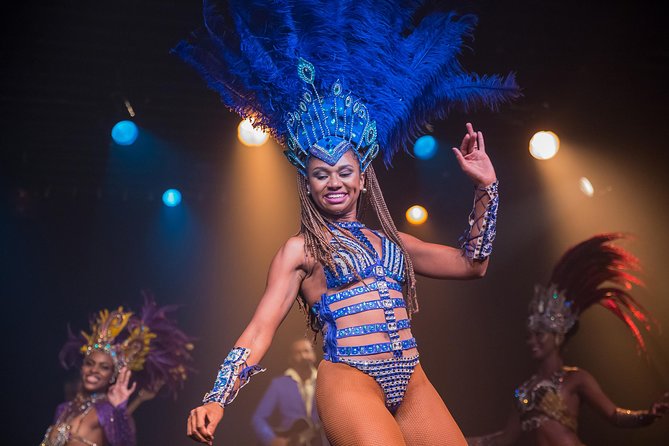
Rio’s Ginga Tropical Show packs Brazil’s many dance traditions into one energetic stage performance. You’ll see samba, bossa nova, lambada, forró, frevo, capoeira, and regional dances tied to places from the Amazon to Bahia and Rio’s Lapa district. The cast uses live drums, bold costumes, acrobatics, and audience participation to turn a cultural presentation into a party.
I like the broad sweep of the program, especially the chance to see more than Carnival samba. I also like the hotel transfer option, since the evening timing and unfamiliar venue can make an independent visit awkward. The main caution is uneven organization: pickup, venue access, and dinner arrangements have caused serious problems for some bookings, so confirm every detail before you go.
Key points to know before booking
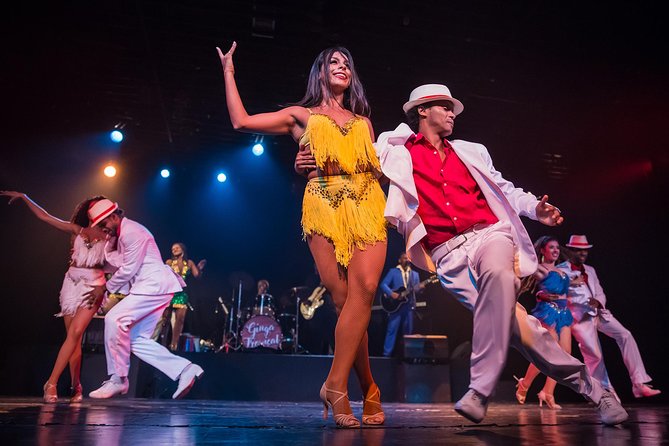
- Brazil beyond samba: The program includes carimbó, xaxado, forró, frevo, maculelê, capoeira, Orixá dances, boleadeiras, bossa nova, and samba de gafieira.
- A highly interactive finale: Dancers invite people onto the stage near the end, and audience participation is a major part of the fun.
- Hotel transfers matter: Pickup and drop-off are available for most hotels in Rio’s South Zone when that option is selected.
- Dinner needs checking: Food and drinks are not included in the standard admission, and the barbecue dinner option has not always been available.
- Allow extra time: The show itself is about an hour and a half, but the full outing lasts roughly 2 to 3 hours, with hotel pickups adding to the evening.
- Book with care: The experience has a 4 out of 5 rating from 64 ratings, but complaints include missed pickups, overbooking, venue changes, and poor communication.
A fast trip through Brazil’s dance traditions
I see Ginga Tropical as a stage introduction to Brazil’s cultural variety rather than a detailed lesson in dance history. In one evening, you move from northern and northeastern traditions to Rio’s social dance styles and finally to Carnival, with the cast using music and movement to connect the regions.
The opening sections may include the Parintins Festival, lambada, carimbó, xaxado, and forró. These are not simply different songs with new costumes. Each dance points to a different part of Brazil, giving you a sense of how wide the country’s cultural map is.
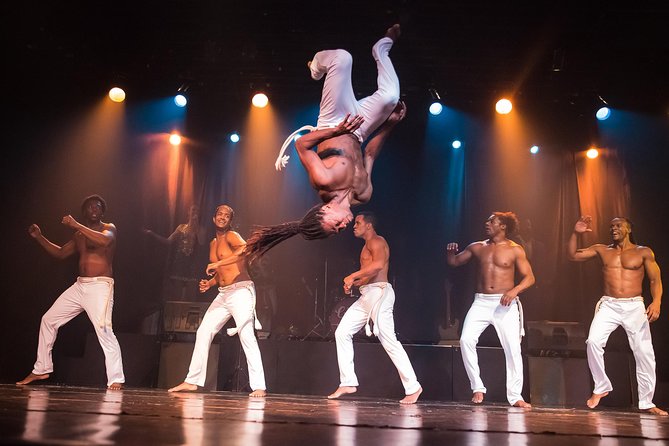
The program then shifts through frevo, maculelê, capoeira, and the Dance of Orixás. Capoeira brings athletic movement and martial arts into the show, while maculelê adds a more rhythmic, choreographed display. The Orixá section draws on Afro-Brazilian religious traditions, so it offers a glimpse of cultural practices that a standard Carnival show might skip.
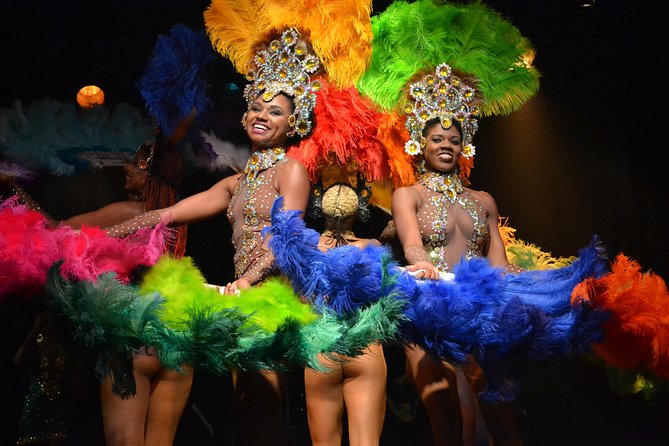
The later sections include boleadeiras from Rio Grande do Sul, bossa nova, samba de gafieira, and Carnival. I appreciate that samba is saved for the finale rather than used as the whole program. You get the familiar Rio sound, but only after seeing how it fits into a much wider national picture.
more Rio de Janeiro days to choose between
- Rio: Ginga Tropical Samba and Folklore Show Ticket
★ 4.7 · 231 reviews - Ginga Tropical – Brazilian Samba and Folklore Show
★ 4.5 · 216 reviews - Rio de Janeiro: Samba Show Admission & Transfer
★ 3.7 · 24 reviews
What the performance feels like inside the theater
The show is built for energy, not quiet observation. Live drumming drives the action, costumes change the mood quickly, and the dancers use athletic movements that are easy to understand even if you know little about Brazilian dance.
The strongest parts are likely to be the capoeira displays, the drumming, the colorful Carnival entrance, and the final invitation for people to dance. If you prefer to watch from your seat, you can do that. If you enjoy being pulled into the action, the ending gives you a chance to join the performers on stage.
That interaction is important. Ginga Tropical is not a formal concert where the audience remains silent from start to finish. The production wants you clapping, moving, and possibly dancing. I would not choose it for a subdued evening or a serious theatrical performance. I would choose it when I want a social night out with a clear Rio flavor.
The show has also been described as lasting about an hour and a half, though the entire outing takes longer. One practical point: the theater has been criticized for limited air conditioning and weaker acoustics. That can affect your enjoyment, especially during a crowded, high-energy performance.
From hotel pickup to Centro Cultural Veneza
With the transportation option selected, the evening begins with pickup from a centrally located Rio hotel, usually in the South Zone. The exact departure time is set after reconfirmation, so do not rely only on the initial booking time. One booking showed 8 p.m. while the confirmed pickup was 7:50 p.m., with the performance beginning later.
Hotel pickup can be useful, but you should expect a shared vehicle and several stops. If your hotel is among the first pickups, the ride to the theater may approach an hour. That is not necessarily a problem, but it means this is not a quick walk-in show.
The listed venue address for ticket collection is Centro Cultural Veneza, Avenida Pasteur, 184, Botafogo, Rio de Janeiro. Another part of the tour information identifies the venue as Fashion Mall Theater, so the location description is not perfectly consistent. I would confirm the exact theater, pickup point, and show time before the evening begins.
The guide is supposed to accompany the group and help with tickets. Guides named Luis or Louis have received especially strong praise for explaining the regional dances in clear English and keeping the evening organized. That level of help makes a difference, since the performance moves quickly and the dances may otherwise blur together.
For the ticket-only option, you must go to the ticket office with the reservation name and voucher number. This is a key distinction. You do not receive the same door-to-door help that comes with a selected transfer option, and you are responsible for reaching the venue yourself.
Why the regional sequence matters
A good cultural show should give you more than costumes and fast music. Ginga Tropical works best when you pay attention to the geographic sequence.
The Amazon and Parintins sections point toward northern Brazil, where festival traditions use strong visual presentation and large-scale performance. Carimbó and lambada bring different rhythms and hip movements, while northeastern styles such as xaxado and forró show how varied Brazilian dance can be even within one broad region.
Frevo is known for quick footwork and lively movement. Maculelê adds a dramatic, percussive quality. Capoeira combines dance, acrobatics, and combat technique, making it one of the clearest crowd-pleasers in the show.
The Bahia section includes mystic rituals and the Dance of Orixás. This is one of the more meaningful parts for anyone who wants to understand Brazil’s African and Indigenous influences, though the format remains a stage presentation rather than a full explanation of religious practice.
Boleadeiras represent Rio Grande do Sul, far from Rio de Janeiro in both geography and cultural feel. Then bossa nova and samba de gafieira bring you back toward Rio’s urban dance culture. A guide can help you connect these pieces, which is why the short talk about Rio’s social dance halls is worthwhile.
A different side of Rio de Janeiro altogether:
- Rio de Janeiro: 6-Stop Highlights of Rio with Lunch
★ 4.4 · 5,157 reviews - Christ the Redeemer Entry Ticket by Corcovado Train
★ 4.4 · 4,476 reviews - Rio de Janeiro: Rocinha Favela Walking Tour with Local Guide
★ 4.8 · 3,052 reviews - Rio: Christ the Redeemer, Sugarloaf, Selaron & BBQ Lunch
★ 4.5 · 2,428 reviews
The social dance hall and Rio’s dance culture
The mention of Rio’s social dance hall adds useful context to an otherwise fast-moving program. Dance in Brazil is not limited to Carnival parades or professional stages. Social dance halls have helped people meet, practice, and pass music between generations.
That background helps explain samba de gafieira, a partner dance with a more polished, social feel than the large group movements of Carnival. It also gives you a better way to think about the finale. When the performers invite people up to dance, the point is not perfect technique. It is participation.
I would listen closely to the guide’s introduction and explanations, especially if you are unfamiliar with Brazilian styles. One strong guide can turn a string of impressive numbers into a connected story. Without that context, you may still enjoy the drumming and costumes, but you may miss why the dances differ.
Transportation, timing, and the dinner question
The listed price is $97.82 per person. That is a fair price if your booking includes reliable hotel transportation, the full performance, and a guide. It is less attractive if you must arrange a costly taxi across Rio, particularly since the ticket-only plan does not include transportation.
The dinner issue deserves careful attention. The standard inclusions list food and beverages as not included, while the tour description presents a Brazilian barbecue buffet as an optional upgrade. Some versions of the outing have included a large buffet with grilled meats, seafood, salads, local dishes, desserts, and drinks available separately.
Other bookings have found that dinner was unavailable after the show moved to a shopping mall theater. The operator has indicated that the dinner portion could be refunded in such cases. I would not assume dinner is available simply because you see it mentioned during booking. Confirm it in writing, and check the final price before paying.
If dinner is available, it may make the evening easier because you avoid finding a restaurant afterward. If it is not, plan your meal separately. The show itself does not include food or drinks unless your confirmed option specifically says otherwise.
The total outing lasts about 2 to 3 hours, but hotel pickups and return transfers can stretch the evening. The show may begin around 9:30 p.m. and finish near 11 p.m. on some schedules. That late start may suit nightlife plans, but families with younger children should consider bedtime.
The minimum age is 6. Most people can participate, but the performance includes audience dancing, standing, and possible stage participation. You can choose to watch instead if you prefer.
The main risks: missed pickups and overbooking
I would not ignore the operational complaints. There have been reports of no pickup, no notification, unanswered calls, and people waiting at hotels without a clear explanation. One account described a late, uncomfortable ride with a rude driver. Those incidents appear to be exceptions, but they are serious enough to justify careful reconfirmation.
Venue access has also been uneven. A previous overbooking problem left some people in plastic chairs or on steps, with long lines and poor assistance. The operator acknowledged that the attraction had made a mistake and said refunds were provided in some cases.
These problems do not tell you that every performance will go badly. Plenty of bookings have had punctual transfers, comfortable vans, helpful guides, and a smooth return to the hotel. They do tell you to keep your booking details handy and reconfirm the pickup time and venue shortly before the show.
If you choose the ticket-only plan, take the logistics seriously. The address is in Botafogo, and one person felt uncomfortable arriving independently and could not find a taxi stand. I cannot make a broader safety judgment from that single experience, but a prearranged transfer is the simpler choice for most first-time visitors to Rio.
Who will enjoy Ginga Tropical most
I would recommend this show to first-time visitors who want a single evening introduction to Brazilian music and dance. It is also a good fit for families with children aged 6 and up, couples seeking a lively night, and groups that enjoy joining the action rather than sitting quietly.
It works particularly well after several days of museums, beaches, and sightseeing. You do not need prior knowledge of samba. You only need some patience for a late start, shared transportation, and a performance style that favors spectacle and participation.
I would be more cautious if you want a small, intimate venue, excellent acoustics, or a carefully controlled theatrical production. The theater may feel basic for the price, and the high-energy format can become tiring if you are looking for subtle choreography.
I would also avoid booking the ticket-only option unless you already understand the venue and have a reliable plan for getting there and back. The included transfer costs more, but it removes one of the evening’s biggest uncertainties.
How to get the best evening
Before departure, I would confirm four things:
- The exact venue and address
- Your hotel pickup time
- Whether return transportation is included
- Whether the barbecue dinner is actually operating
Arrive ready for audience participation. Wear something comfortable, keep your hands free if you expect to dance, and do not treat the final stage invitation as an afterthought. It is one of the most enjoyable parts of the night.
Listen for the guide’s explanations of the regions and dance styles. Luis or Louis has been singled out for making those links clear, and a good explanation helps you remember the show after the costumes and drums fade.
Also, do not count on taking photos during the performance. One dinner-and-show booking reported that photography was not allowed and that a person pulled onto the stage could not get a picture. Rules may vary, but enjoy the show first and ask about photography before using your phone.
Should you book this Rio dance show?
I would book Ginga Tropical if you want a colorful, physical, audience-friendly introduction to Brazil’s regional traditions and you can confirm dependable transportation. The strongest parts are the wide range of dances, the live drumming, the capoeira, the costumes, and the invitation to dance at the end.
I would not book it blindly. The $97.82 price can be good value with hotel pickup and a guide, but dinner may not be available, and past logistics failures are worth taking seriously. Confirm the details before paying, choose the transfer option if you are unsure of the venue, and keep the free cancellation deadline in mind: cancellation must be made at least 24 hours before the start time for a full refund.
FAQ
How long does the Ginga Tropical Show last?
The complete experience takes approximately 2 to 3 hours. The performance itself has been described as lasting about an hour and a half, with transportation making up the remaining time.
What dances are included?
The program includes samba, bossa nova, lambada, forró, capoeira, carimbó, xaxado, frevo, maculelê, Dance of Orixás, boleadeiras from Rio Grande do Sul, samba de gafieira, and Carnival.
Is hotel pickup included?
Hotel pickup and drop-off are included only when you select an option that provides transportation. The service applies to most hotels in Rio’s South Zone.
Where is the ticket-only meeting point?
For the ticket-only option, go to the ticket office at Centro Cultural Veneza, Avenida Pasteur, 184, Botafogo, Rio de Janeiro. Bring the reservation name and voucher number.
Is dinner included?
Food and beverages are not included in the standard experience. A Brazilian barbecue dinner may appear as an optional upgrade, but availability has changed, so confirm it before booking.
What time does the show depart?
The precise departure time is determined after reconfirmation. Some schedules have shown hotel pickup around 7:50 or 8 p.m., with the performance beginning around 9:30 p.m.
Can children attend?
The minimum age is 6 years old. Most people can participate in the activity.
Can I cancel for a full refund?
Yes, if you cancel at least 24 hours before the experience’s local start time. Cancellations or changes made less than 24 hours in advance are not accepted for a refund.
New in Rio de Janeiro this month
- Discover Rocinha: Guided Tour of the Famous Favela★ 4.5 · 3 reviews
- Rio de Janeiro: Hang gliding adventure★ 3.7 · 3 reviews
- Rio de Janeiro: Pedra Bonita & Tijuca Forest Hike Tour★ 5.0 · 3 reviews
- Rio de Janeiro: Hang Gliding or Paragliding Flight★ 5.0 · 3 reviews
- Rio de Janeiro: Local Experience in Forró dance★ 5.0 · 3 reviews
- Rio de Janeiro: Doors-off 30-min helicopter tour★ 5.0 · 3 reviews
- Rio de Janeiro: Pedra do Telégrafo; Grumari/ Prainha Beaches★ 5.0 · 3 reviews
- Rio de Janeiro: Sugar Loaf with Lunch and Helicopter Flight★ 4.7 · 3 reviews
Rio de Janeiro Tours, compared.
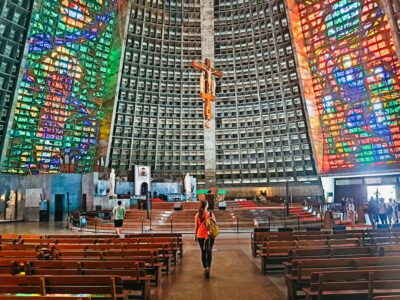
Rio de Janeiro: 6-Stop Highlights of Rio with Lunch
Read our review →
Christ the Redeemer Entry Ticket by Corcovado Train
Read our review →
Rio de Janeiro: Rocinha Favela Walking Tour with Local Guide
Read our review →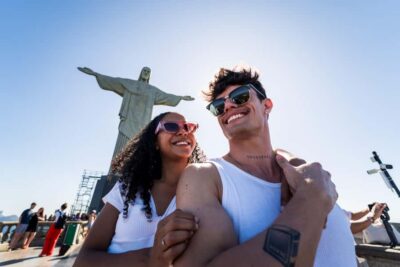
Rio: Christ the Redeemer, Sugarloaf, Selaron & BBQ Lunch
Read our review →
Rio De Janeiro: Half-Day Rocinha Favela Walking Tour
Read our review →
Rio de Janeiro: Angra dos Reis and Ilha Grande Full-Day Tour
Read our review →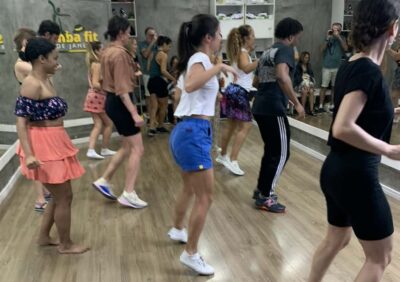
Rio de Janeiro: Beginner Samba Lesson in Ipanema
Read our review →