
Our review · RIO DE JANEIRO TOURS
Explore Santa Teresa: Walking Tour
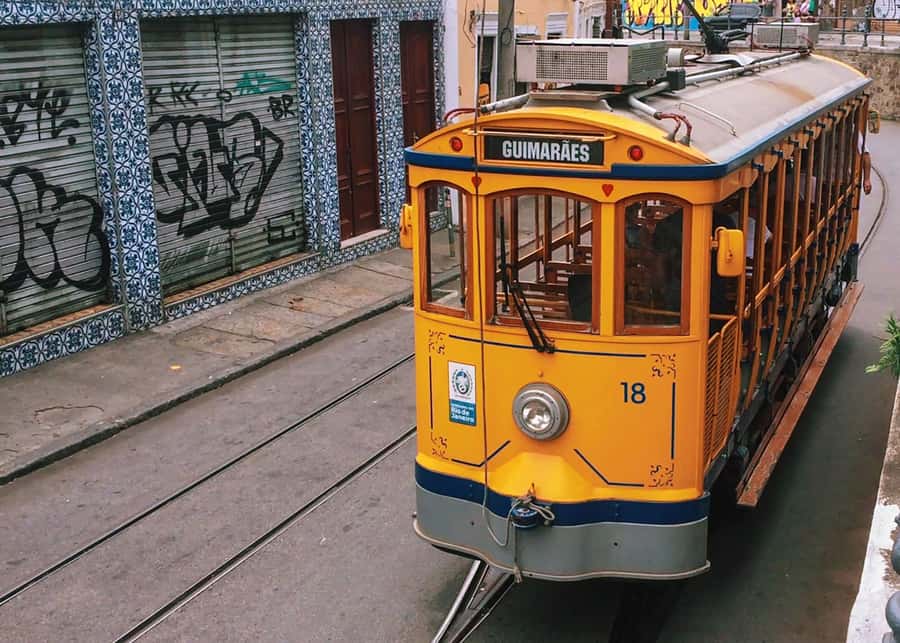
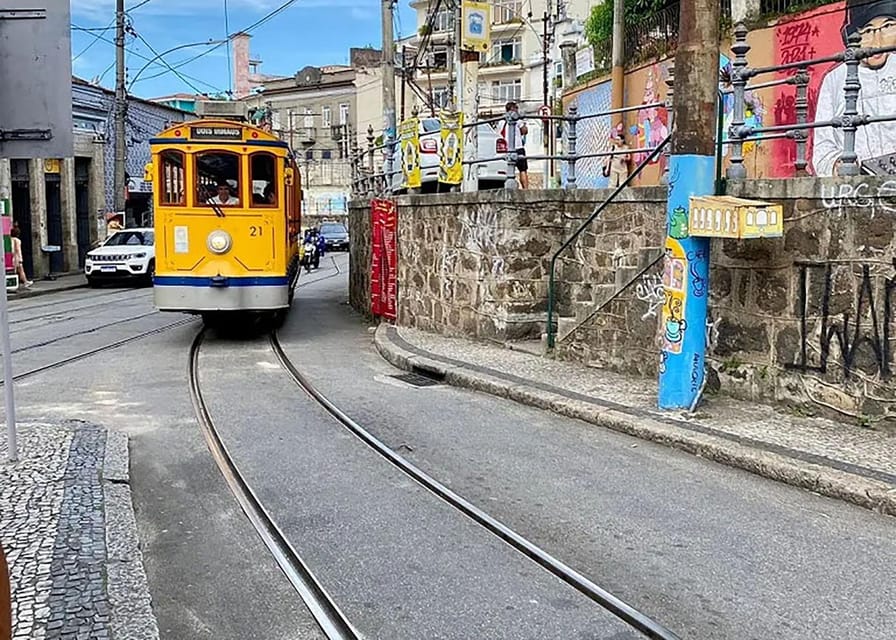
The 1897 Santa Teresa tram is the star here. It rattles through the neighborhood on old tracks, offering broad views over Rio while connecting you with one of the city’s most unusual surviving links to the past. I like the way this tour pairs that ride with Santa Teresa’s narrow streets, old mansions, galleries, and murals.
I also like the practical setup: hotel pickup and drop-off are available in Leblon, Ipanema, Copacabana, Flamengo, and Botafogo, and the tour runs in English, Portuguese, or Spanish. The main drawback is that it is a shared tour, and three hours can feel short if you want to linger in every museum or shop. The route also includes walking on hilly streets, so it is not suitable for wheelchair users.
Key points to know before booking
- Ride a tram dating from 1897: The vintage streetcar provides the tour’s most memorable views and a direct connection to Santa Teresa’s past.
- See Santa Teresa’s artistic side: Galleries, murals, public art, and artist-run boutiques give the neighborhood its creative character.
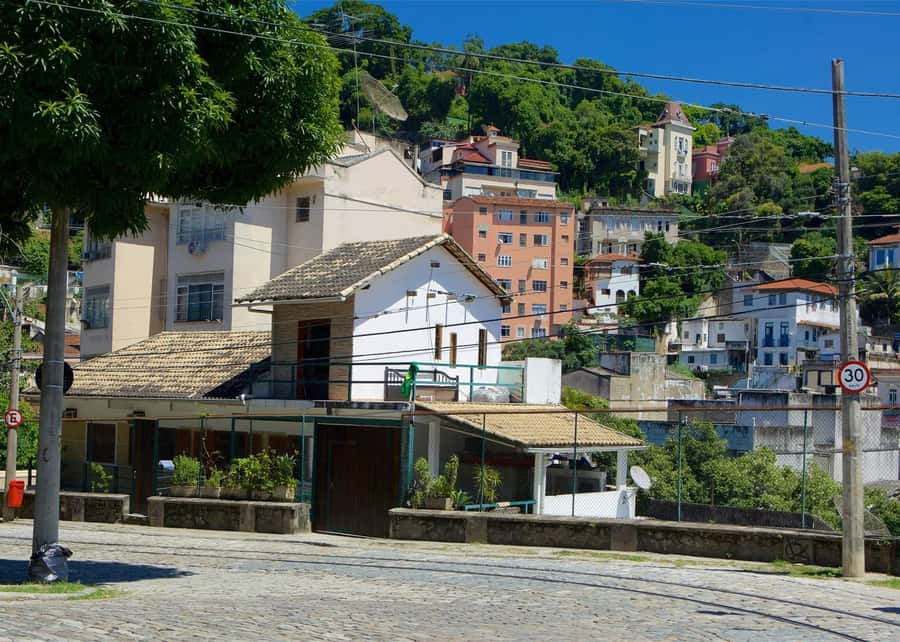
- Visit two museums and several landmarks: Parque das Ruínas, Chácara do Céu Museum, Museu do Bonde, Largo dos Guimarães, and Rua Laurinda Santos Lôbo all appear on the route.
- Choose a morning or afternoon departure: Twice-daily scheduling makes it easier to fit this outing around other Rio plans.
- Use hotel pickup in five districts: Pickup and drop-off are offered in Leblon, Ipanema, Copacabana, Flamengo, and Botafogo.
- Expect a multilingual shared tour: The guide speaks English, Portuguese, and Spanish, but the outing is not private.
Why Santa Teresa is worth three hours
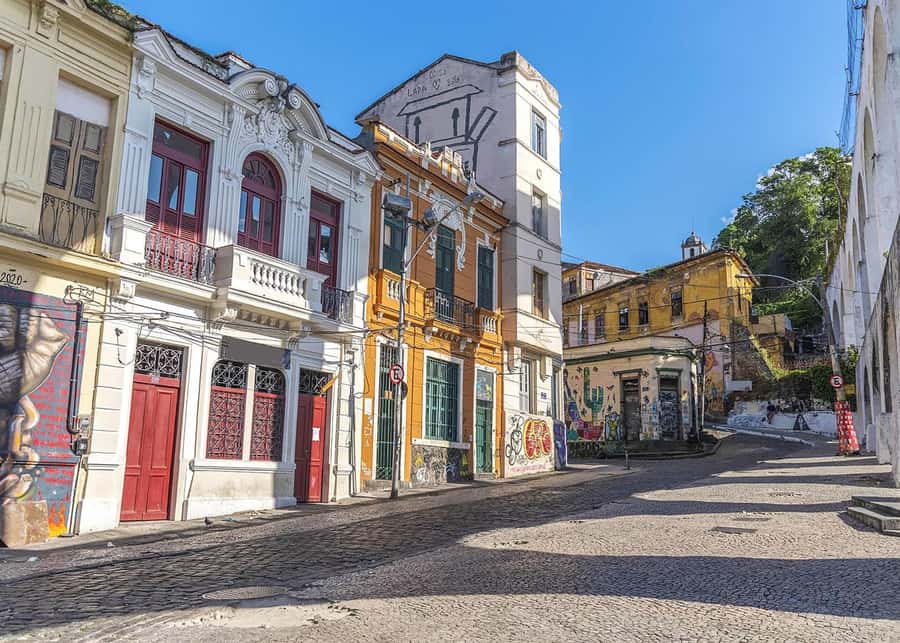
Santa Teresa feels different from the broad avenues and high-rise districts closer to Rio’s beaches. Its streets wind up the hills, old mansions line the route, and creative businesses occupy many of the neighborhood’s historic buildings.
I like Santa Teresa because it gives you a more intimate view of Rio. You are not simply checking off a monument. You are watching the city change as it climbs from the center into a hilltop district shaped by old homes, studios, cultural spaces, and views across the city.
This tour gives you a useful introduction without requiring you to organize several separate visits. A guide handles the transport, explains the places you see, and keeps the outing moving. That matters in Santa Teresa, where the streets can be confusing and the attractions are spread across a hilly area.
The three-hour length is both an advantage and a limit. It works well if you want a first look at the neighborhood or have only part of a day available. If you prefer to spend an hour in every museum, shop at length, or stop often for food and photos, you may want extra time in Santa Teresa after the tour.
More Walking Tours in Rio de Janeiro
- Rio de Janeiro: Rocinha Favela Walking Tour with Local Guide
★ 4.8 · 3,052 reviews - Rio De Janeiro: Half-Day Rocinha Favela Walking Tour
★ 4.7 · 2,272 reviews - Sunrise and Sunrise Walk Two Brothers with Local Guide
★ 5.0 · 193 reviews
The 1897 tram ride sets the tone
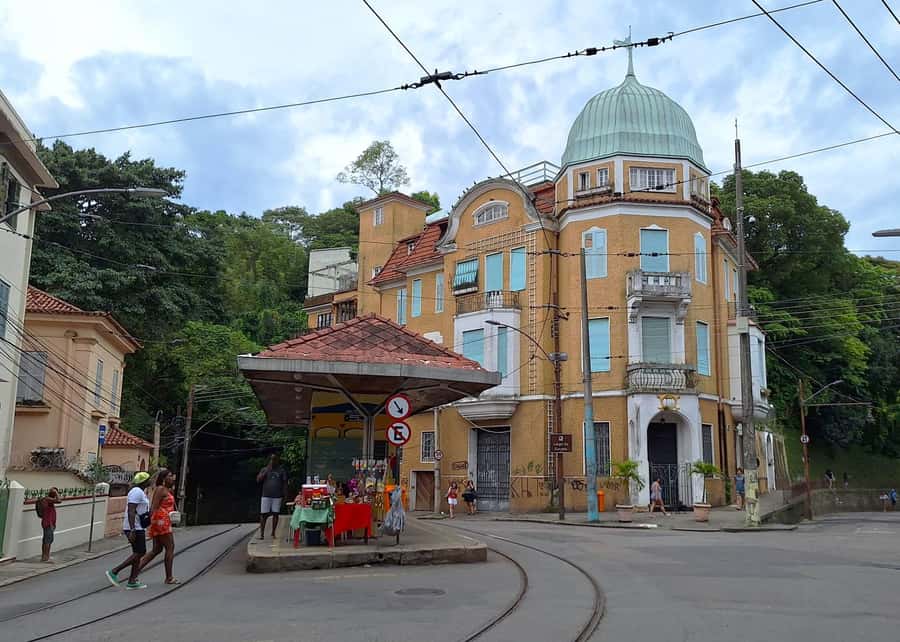
The tram is the experience’s most distinctive feature. Operating since 1897, it clatters along its historic tracks through Santa Teresa, giving you a moving view of the neighborhood rather than a simple walk from one stop to another.
The ride has a nostalgic feel, but its real value is practical as well as atmospheric. Santa Teresa rises above the city, and the tram helps you see the surrounding hills and Rio below while you move between parts of the district.
I would choose a seat with a clear view if possible, though the tour does not promise a particular seat. Keep your phone or camera ready, since the views are part of the appeal. The tram ride also gives your feet a break during a tour that includes several walking stops.
The tram is not the same as the cable car. The cable car ride is not included, so budget separately if that is an attraction you want to add. The tram experience is included in the tour’s main program, while food and drinks are not.
Parque das Ruínas and the view over Rio
The first major stop is Parque das Ruínas, where the guide leads you through the site. Its name points to its defining character: an old structure preserved as a cultural setting, with views that help explain why Santa Teresa has long attracted artists and residents seeking a different pace from central Rio.
This is a good early stop because it combines architecture, culture, and scenery. You get a sense of the neighborhood’s old buildings, then look outward toward the city below. The contrast is important. Santa Teresa is not isolated from Rio, but it feels removed from the noise and density of the center.
The guided visit also gives the place more meaning than a quick photo stop. Your guide can connect the site to Santa Teresa’s cultural role and point out details you might miss on your own.
Allow some patience here if your group stops for photographs. The views are a natural part of the visit, and a shared tour may move at a pace set by the whole group.
Chácara do Céu Museum brings art indoors

Next comes Chácara do Céu Museum, another guided stop. The museum adds an indoor art focus to the outdoor streets, public murals, and old buildings you see elsewhere in Santa Teresa.
I like this change of pace. The neighborhood’s art is not limited to painted walls or shop displays. A museum visit gives you a more formal setting in which to consider Rio’s creative traditions and the role Santa Teresa plays in the city’s cultural life.
The exact amount of time available inside the museum depends on the group and the tour schedule. Three hours covers several stops, so do not expect the leisurely pace of a full museum afternoon. Still, a guided introduction can help you decide if you want to return later for a longer visit.
If you are mainly interested in art, this stop and the neighborhood galleries are likely to be among the tour’s strongest moments. If you prefer street life to museums, the guide-led walk remains important because the museum is only one part of a broader look at Santa Teresa.
A different side of Rio de Janeiro altogether:
- Rio de Janeiro: 6-Stop Highlights of Rio with Lunch
★ 4.4 · 5,157 reviews - Christ the Redeemer Entry Ticket by Corcovado Train
★ 4.4 · 4,476 reviews - Rio: Christ the Redeemer, Sugarloaf, Selaron & BBQ Lunch
★ 4.5 · 2,428 reviews - Rio de Janeiro: Angra dos Reis and Ilha Grande Full-Day Tour
★ 4.6 · 1,673 reviews
Largo dos Guimarães, the neighborhood’s social center
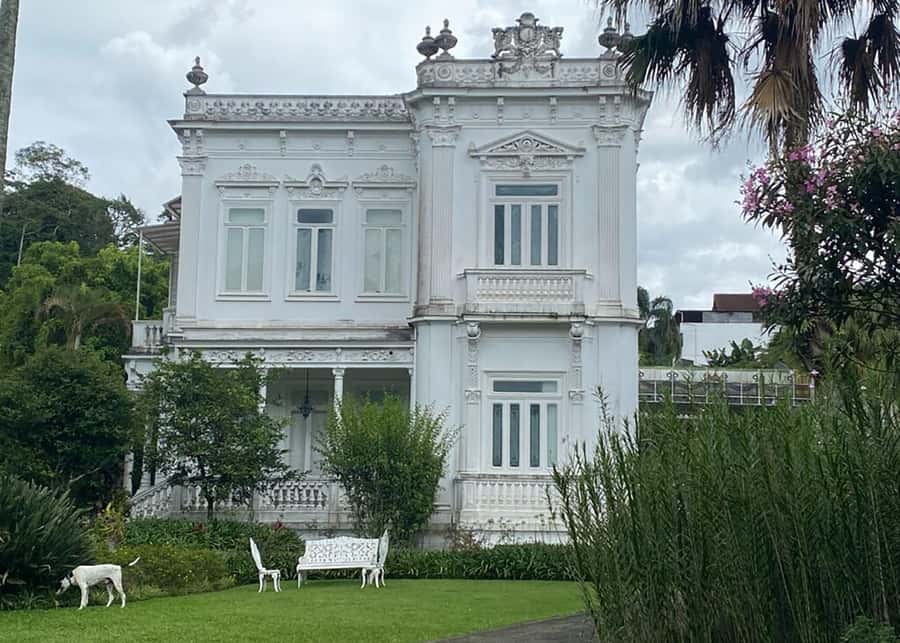
Largo dos Guimarães provides a chance to see Santa Teresa as a lived-in neighborhood rather than only a collection of attractions. The square is one of the area’s recognizable gathering points, with streets leading toward shops, galleries, restaurants, and cultural spaces.
The guide leads you through the area and explains its place in Santa Teresa. This kind of stop is valuable because it helps you get your bearings. You can see how the neighborhood’s creative identity is woven into ordinary streets and local businesses.
It is also one of the better places to notice the contrast between preservation and daily life. Historic façades share space with art boutiques and newer creative businesses. That mix is part of what makes Santa Teresa appealing, though it also means the area is not a museum frozen in time.
You may find yourself wanting to pause here for shopping or a drink. The tour includes time to browse, but food and drinks are not included, and the schedule may not allow a long café stop.
Museu do Bonde explains the tram’s story
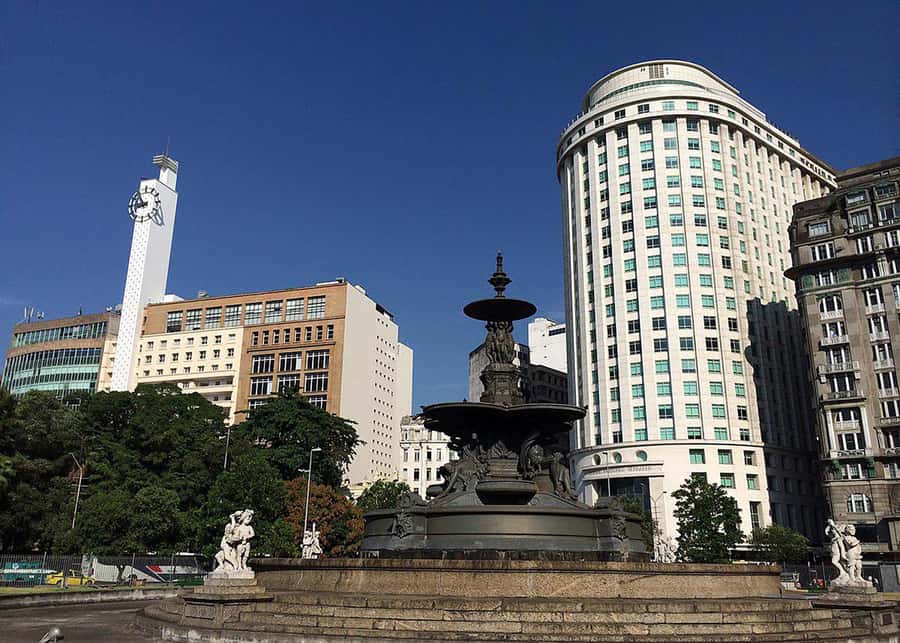
The Museu do Bonde keeps the tram theme running. After riding the famous streetcar, you visit a place devoted to its history and significance, with a guide explaining the role of the tram in Santa Teresa.
This pairing is one of the tour’s smartest choices. The tram ride gives you the sensation of the route, while the museum helps put that experience into context. You are not just riding an old vehicle for the novelty. You are learning why the streetcar matters to the neighborhood.
The museum stop may appeal most to anyone interested in transport, engineering, or Rio’s urban past. It also helps you understand why the tram is such a strong symbol of Santa Teresa.
As with Chácara do Céu Museum, the three-hour schedule means this is an introduction rather than a long museum study. The guide’s explanation is especially useful if you want the basic story without spending half a day on transport history.
Rua Laurinda Santos Lôbo and Santa Teresa’s creative side
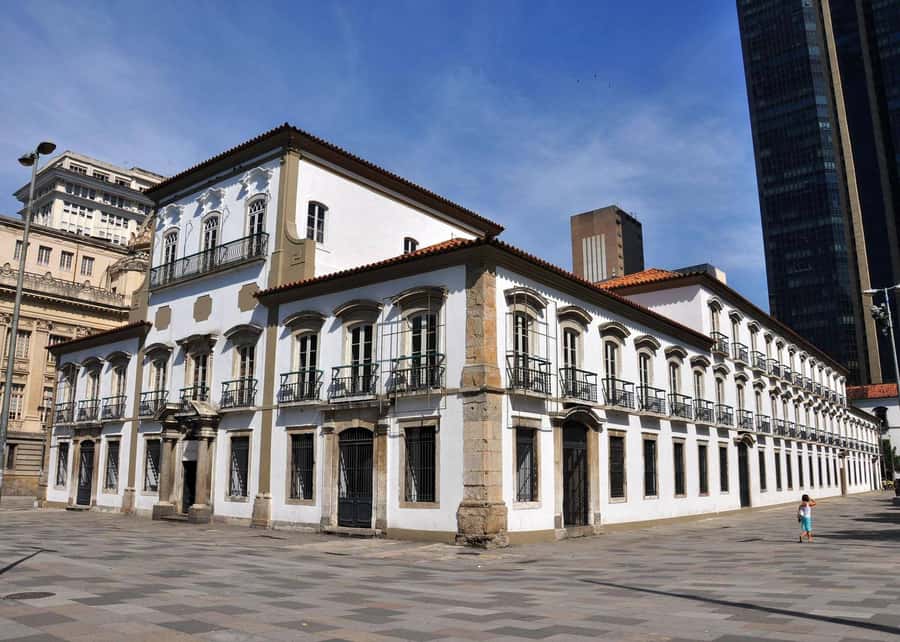
Rua Laurinda Santos Lôbo is another guided walking stop, and it brings the focus back outdoors. The street is associated with Santa Teresa’s artistic and cultural character, making it a natural place to look for galleries, murals, public art, and small shops.
This is where the tour feels most connected to present-day Santa Teresa. The old mansions provide the backdrop, but the studios, galleries, and artist-owned boutiques show how the neighborhood continues to attract creative work.
I like the shopping angle here because the souvenirs are more personal than standard Rio gifts. You may find handcrafted jewelry, distinctive clothing, or other artisanal goods. The information does not promise that every shop will be open or that a particular item will be available, so treat shopping as an opportunity rather than a guaranteed feature.
Keep some room in your luggage if you enjoy locally made goods. The tour is a good fit for anyone who wants a souvenir tied to the neighborhood’s art scene instead of another mass-produced keepsake.
What the guide adds to the route
The guide is central to the experience. This is not simply a transfer to Santa Teresa followed by free time. Each listed stop includes a guided visit, and the guide speaks English, Portuguese, and Spanish.
The tour has been associated with guides named Thiago, Renato, and Leo. Renato is noted for speaking English very well, while Thiago and Leo have also received especially warm praise. Guide assignments can change, so you should not book expecting a particular person, but the names suggest the operator has a pool of guides who have made a strong impression.
Because the tour is shared, the guide must work for the whole group. You may not receive the same level of flexibility as on a private tour, especially at museums, shops, or photo stops. The benefit is a lower-effort introduction to Santa Teresa without having to navigate the streets, arrange transport, or research every site yourself.
The multilingual format can affect the pace. If the guide explains everything in more than one language, some stops may take longer. That is a reasonable tradeoff for a tour open to English, Portuguese, and Spanish speakers.
Pickup, timing, and the shape of the day
Pickup is included from hotels in Leblon, Ipanema, Copacabana, Flamengo, and Botafogo. The guide looks for you at the hotel reception by name, so provide a clear pickup address when booking.
If you do not provide a pickup address, the default meeting point is Socialtel Lapa at Rua Visconde de Maranguape, 9. During high season, pickup may shift to a meeting point near your hotel. This arrangement is intended to reduce delays caused by Rio traffic, so check the final meeting instructions carefully.
The tour is offered twice daily, with morning and afternoon departures. I would choose the time that leaves space around your other plans rather than assuming one departure is better. Morning may suit you if you want the rest of the day free, while an afternoon outing can work well after a beach or city-center morning.
Drop-off returns you to the same five district areas: Leblon, Copacabana, Flamengo, Ipanema, or Botafogo. The tour lasts three hours, though pickup and drop-off traffic can influence the total time taken from your day.
Wear comfortable shoes. The route includes walking through narrow, winding streets and hilly parts of Santa Teresa. Bring your passport or ID card, and carry water since food and drinks are not included.
Is $106 a fair price?
At $106 per person, this is not a bargain-priced neighborhood stroll. The value depends on how much you want handled for you.
You are paying for hotel transport, a professional multilingual guide, several guided cultural stops, and the tram experience. If you are staying in one of the listed districts and want a structured introduction to Santa Teresa, the price can make sense. Getting around the hill district independently may take more planning, especially if you want to connect several museums and cultural landmarks in one short visit.
The price is harder to justify if you mainly want to wander, shop, and stop for coffee. Santa Teresa rewards slow exploration, and a self-guided visit would give you more control over how long you stay in each place. Food, drinks, and the cable car are extra, so include those costs in your day’s budget.
For first-time visitors who value transport and explanation, I see this as a convenience purchase rather than a cheap sightseeing deal. The strongest value comes from the combination of tram, museums, landmarks, and guide. The weakest value comes if you skip the guided interpretation and only want free time.
Who should book this Santa Teresa tour?
I would recommend it to you if you want a compact introduction to Rio’s historic and artistic side. It suits art fans, photographers, visitors interested in old transport, and anyone who prefers a guide to explain the setting as they walk.
It also works well early in a Rio stay. You can learn the shape of Santa Teresa, note the galleries and boutiques that interest you, and return independently if you want more time.
Families and older visitors should think about the walking conditions. The tour is not suitable for wheelchair users, and the hilly streets may be tiring for anyone who has difficulty walking. The tram offers a welcome pause, but it does not remove the walking between stops.
You should also be comfortable with a shared outing and a multilingual guide. If you want a private pace, extended museum visits, or detailed attention to one subject, this may feel too compressed.
The tour operates rain or shine. Since the date is chosen in advance, bad weather does not create a refund. Bring suitable clothing and accept that the views and outdoor walking may be less enjoyable in rain.
Should you book it?
Book this tour if you want the main Santa Teresa experience in one organized three-hour outing: the old tram, hilltop views, museums, cultural landmarks, art streets, and shopping opportunities. The included transport and multilingual guide make it a sensible choice for a first visit, especially from Leblon, Ipanema, Copacabana, Flamengo, or Botafogo.
Skip it if your priority is a slow, unplanned afternoon or if you want to add the cable car without paying extra. Also think twice if rain would spoil your day, since the tour runs in all weather.
For many visitors, the best plan is to use this as an introduction. Let the tram and guide show you the neighborhood’s shape, then return to the streets, galleries, or boutiques that caught your attention.
FAQ
How long does the Santa Teresa walking tour last?
The tour lasts three hours.
Is hotel pickup included?
Yes. Pickup and drop-off are available in Leblon, Ipanema, Copacabana, Flamengo, and Botafogo. The guide looks for you at the hotel reception by name.
What happens if I do not provide a pickup address?
The default meeting point is Socialtel Lapa at Rua Visconde de Maranguape, 9.
What languages does the guide speak?
The live guide speaks English, Portuguese, and Spanish.
Is the cable car ride included?
No. The cable car ride is not included. Food and drinks are also not included.
Is the tour suitable for wheelchair users?
No. The tour is not suitable for wheelchair users.
Can I cancel for a full refund?
Yes. You can cancel up to 24 hours in advance for a full refund. The tour runs rain or shine, and bad weather on the chosen tour date does not generate a refund.
New in Rio de Janeiro this month
- Discover Rocinha: Guided Tour of the Famous Favela★ 4.5 · 3 reviews
- Rio de Janeiro: Hang gliding adventure★ 3.7 · 3 reviews
- Rio de Janeiro: Pedra Bonita & Tijuca Forest Hike Tour★ 5.0 · 3 reviews
- Rio de Janeiro: Hang Gliding or Paragliding Flight★ 5.0 · 3 reviews
- Rio de Janeiro: Doors-off 30-min helicopter tour★ 5.0 · 3 reviews
- Rio de Janeiro: Local Experience in Forró dance★ 5.0 · 3 reviews
- Rio de Janeiro: Pedra do Telégrafo; Grumari/ Prainha Beaches★ 5.0 · 3 reviews
- Rio de Janeiro: Sugar Loaf with Lunch and Helicopter Flight★ 4.7 · 3 reviews
Rio de Janeiro Tours, compared.

Rio de Janeiro: 6-Stop Highlights of Rio with Lunch
Read our review →
Christ the Redeemer Entry Ticket by Corcovado Train
Read our review →
Rio de Janeiro: Rocinha Favela Walking Tour with Local Guide
Read our review →
Rio: Christ the Redeemer, Sugarloaf, Selaron & BBQ Lunch
Read our review →
Rio De Janeiro: Half-Day Rocinha Favela Walking Tour
Read our review →
Rio de Janeiro: Angra dos Reis and Ilha Grande Full-Day Tour
Read our review →
Rio de Janeiro: Beginner Samba Lesson in Ipanema
Read our review →
Browse the lists this tour appears in