
Our review · RIO DE JANEIRO TOURS
Rio de Janeiro: Hiking and Rappelling at Tijuca Forest
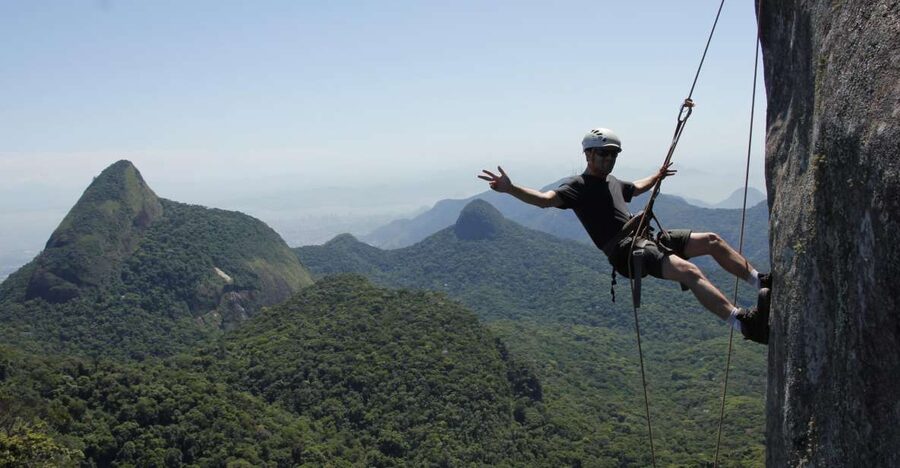
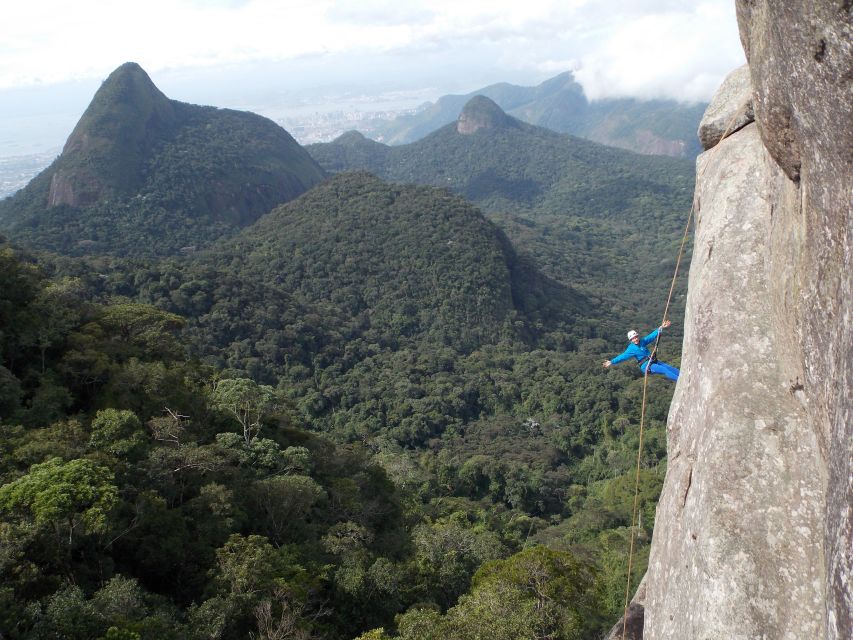
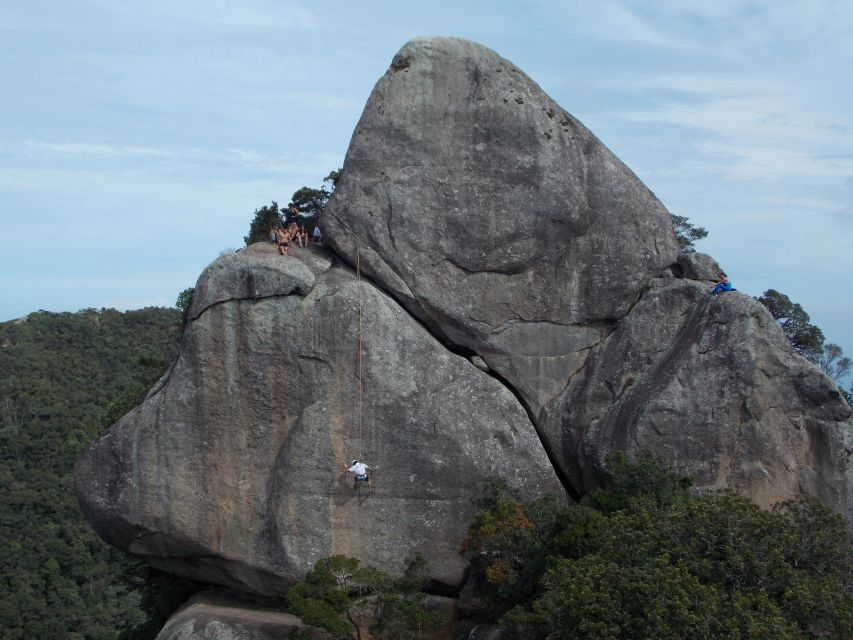
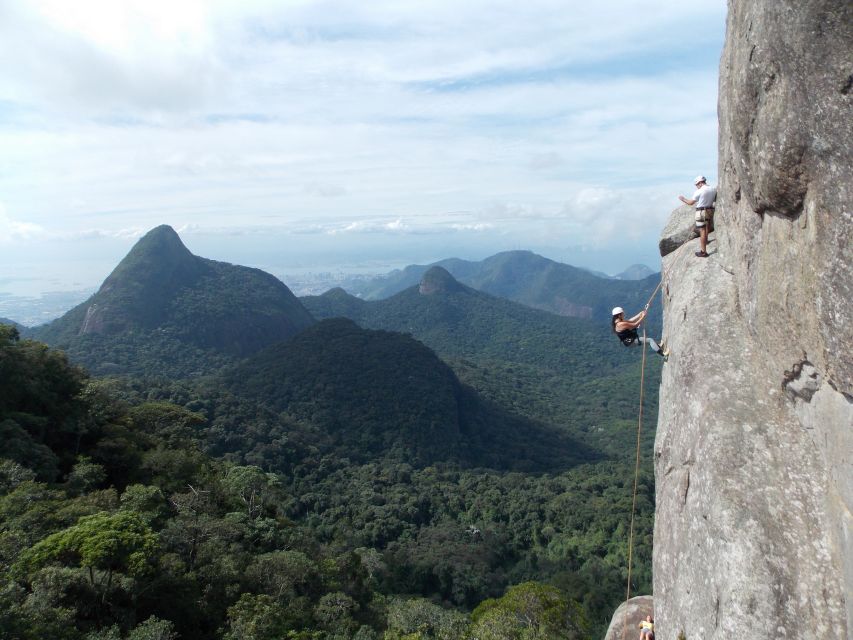
Bico do Papagaio gives you one of Rio’s best city-and-forest adventures in a single day. You hike through Atlantic Forest, scramble over rocky ground, reach the second-highest mountain in Tijuca National Park, then rappel from the summit with views toward Pico da Tijuca, Pedra da Gávea, and Christ the Redeemer. The rappel is the headline, but the forest walk makes up much of the experience.
I like the mix of adventure and nature, especially the stop at Cachoeira das Almas, where you can cool off under a natural waterfall. I also like that the price includes a bilingual professional guide, certified climbing gear, accident insurance, and a museum visit. The catch is simple: this is a hard eight-hour outing with plenty of uphill work, steep sections, rocks, and boulders. It suits you best if you are in good or decent shape and comfortable wearing proper hiking shoes.
Key points to know before you book
- The summit rappel comes after a demanding hike: You must earn the Bico do Papagaio viewpoint on foot before clipping into the climbing system.
- Cachoeira das Almas adds a welcome break: Bring a swimsuit or clothes that can handle getting wet, though the official essentials are water, a daypack, and sunscreen.
- The route includes more than one trail: You pass through Atlantic Forest, visit the park museum, and may ask your guide about an extra indigenous trail challenge.
- The views cover Rio’s major peaks: From Bico do Papagaio, you can see Pico da Tijuca, Pedra do Conde, Cocanha, Pedra Bonita, Pedra da Gávea, Sumaré, and parts of Corcovado and Christ the Redeemer.
- Guide quality matters here: English, Spanish, and Portuguese are available, and guide GG is specifically noted for helping first-time rappellers.
- The $59 price is strong value: It covers guiding, equipment, insurance, the waterfall stop, and museum visit, while hotel transport costs extra if you choose that option.
Why Bico do Papagaio is worth the effort
Tijuca National Park is unusual because a large forest sits within Rio de Janeiro’s city limits. You do not spend the day looking at streets and buildings from a tour vehicle. Instead, you follow trails through Mata Atlântica forest, with the city appearing only from selected high points.
The Bico do Papagaio route lets you see several sides of the park. There is natural scenery, a small dose of park history, a waterfall, a serious mountain trail, and a technical activity at the summit. That variety helps justify the full eight-hour schedule.
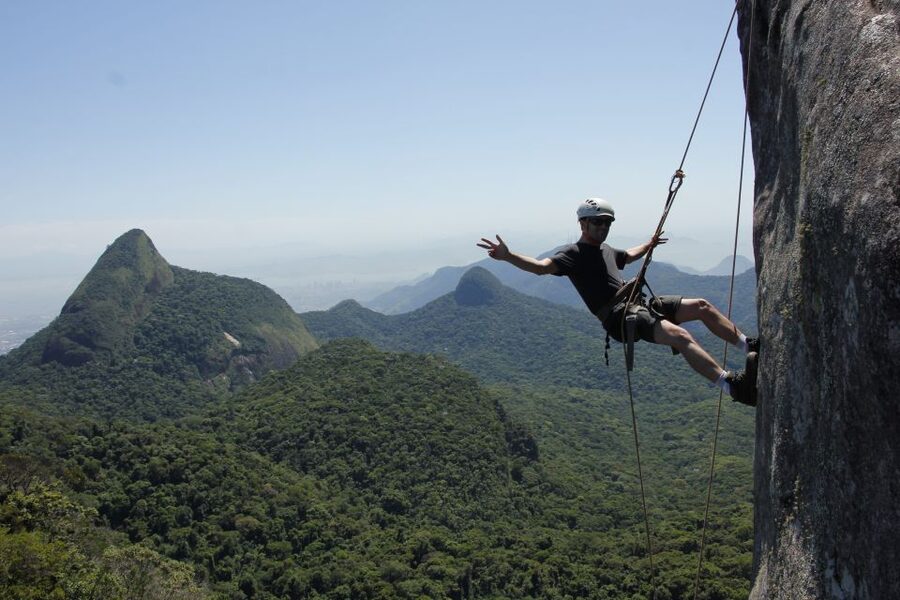
The mountain itself is the second-highest peak in Tijuca Forest. From the top, you get a broad view of the park’s main mountains and several famous Rio landmarks. The sightline includes Pico da Tijuca, Pedra do Conde, Cocanha, Pedra Bonita, Pedra da Gávea, Sumaré, and a small part of Corcovado with Christ the Redeemer.
I would not book this simply to collect a quick viewpoint photo. The appeal is the route itself. You spend hours moving through the forest, dealing with uneven ground, and reaching the summit under your own power. The rappel then gives the day a clear finishing challenge.
More Hiking Tours in Rio de Janeiro
- Rio: Tijuca Forest Small Group Hike to Caves and Waterfalls
★ 4.9 · 536 reviews - Pedra do Telégrafo Hike and Beach Full-Day Tour
★ 4.5 · 417 reviews - Rio de Janeiro: Pedra da Gávea 7-Hour Hike
★ 4.7 · 183 reviews
Starting at Praça Afonso Viseu in Alto da Boa Vista
The activity begins at Praça Afonso Viseu, 104, in Alto da Boa Vista, at the Tijuca National Park entrance area. It ends back at the same meeting point.
You can choose hotel pickup if transportation is available for your booking. Pickup applies to supported hotels in Rio’s tourist zone, so check this carefully instead of assuming every address qualifies. If you meet at the park, plan your morning around the stated meeting point and confirm the exact starting time when you book.
One practical point matters here: the meeting point may not be right beside the hardest part of the trail. The walk and approach before the main climb use energy, and one useful improvement would be placing the meeting point closer to the actual hike. You should arrive ready to walk, not thinking the vehicle will carry you to the base of Bico do Papagaio.
The tour lasts about eight hours. That is long enough for a full outing rather than a quick guided walk, so bring three liters of water if possible, a light snack, sunscreen, and a small daypack. Large luggage does not belong on this route.
Following the Mata Atlântica trails
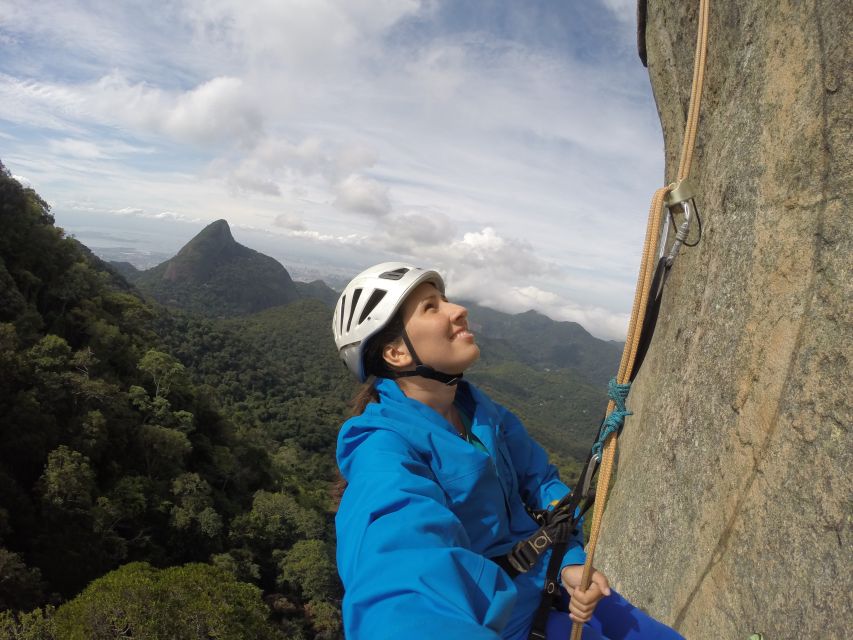
The first major section takes you through several trails inside Tijuca Forest. The forest setting is the main attraction here. You are surrounded by native vegetation and moving through one of the world’s largest urban forests, rather than walking on a paved city path.
The guide adds real value during this part. A good guide can explain the forest, Rio’s culture, and the park while keeping the group moving safely. The available languages are English, Spanish, and Portuguese, and the tour can run as a private outing or a small group.
The trail is not described as a gentle stroll. Expect uphill sections, rocky patches, boulders, and natural obstacles as you get closer to the mountain. You may find the first part manageable, then notice the effort rise as the route approaches Bico do Papagaio.
One particularly useful option is asking your guide about the indigenous trail. This is presented as an extra challenge, so it should not be treated as a required part of the standard route. If your legs and schedule allow it, ask before adding difficulty. If you are already working hard, sticking with the main route is the sensible choice.
This is also where the guide’s attitude matters. Guide GG is noted for helping a first-time rappeller, explaining the activity clearly, and offering useful information. Another guide on the outing was praised for asking about pace and comfort while keeping an eye on well-being. That kind of attention is important on a route where the group may have mixed fitness levels.
The park museum and the meaning of the forest
The guided visit to the Tijuca National Park Museum gives the day some context before or during the trail sequence. It is a short change of pace from hiking, and it helps connect the forest to the wider national park.
The park is a UNESCO World Heritage Site and includes natural and historical attractions. The museum visit is included, so you are not paying extra for this part. Still, do not expect a long museum tour to dominate the day. The mountain route and rappel are the main event.
I like this stop because it keeps the experience from becoming only an exercise session. You get a little information about the place you are crossing, then return to the trails with a better sense of why this forest matters inside Rio.
more tijuca forest days
- Rio de Janeiro: Christ, Selaron Steps, and Tijuca Park Tour
★ 4.7 · 857 reviews - Rio de Janeiro: Guided Jeep Tour through Tijuca Rainforest
★ 4.3 · 740 reviews - Jeep Adventure: Guided Tour through Tijuca Rain Forest
★ 4.0 · 554 reviews - Rio: Half-Day Jeep Tour at Floresta da Tijuca
★ 4.5 · 353 reviews
Cooling off at Cachoeira das Almas
Cachoeira das Almas is one of the most pleasant parts of the schedule. The activity includes time for a natural shower at the waterfall, giving you a chance to cool your body and reset before or after more walking.
This is not a polished resort stop. It is a simple forest waterfall, and that is the point. You should expect a natural setting rather than changing rooms, lockers, or a long leisure break. Keep your belongings light and protect anything that cannot get wet.
The waterfall also helps balance the tougher parts of the route. After rocky climbs and hot forest walking, a cold shower can make the whole day feel more varied. Pack clothing and footwear sensibly, and avoid bringing anything you would worry about around water.
The order of stops can change because of weather and other conditions linked to outdoor adventure activities. Your guide may arrange the museum, waterfall, and mountain sections differently than expected. That flexibility is normal for a route where rain and trail conditions affect safety.
The final climb to Bico do Papagaio
The route becomes more rugged near the mountain base. You encounter additional natural obstacles and a steeper climb, so this is the section that separates a good walking day from a serious mountain outing.
You may need to use your hands for balance around rocky areas and boulders. The supplied information does not give a fixed difficulty grade, but the practical description is clear: the hike is hard, includes lots of uphill climbing, and requires good grip footwear.
I would not schedule this outing immediately after a strenuous activity. You need enough energy for the final ascent and enough focus to follow instructions around the rappel setup. Comfortable shoes with a good sole are required, and sandals or flip flops are not allowed.
The climb is also the reason this tour can feel rewarding even before the rope comes out. The summit view has more meaning when you have walked through the forest and climbed the rougher upper route to reach it. If you want a relaxed park visit, choose a simpler Tijuca Forest outing instead.
Rappelling from the second-highest mountain
At the summit of Bico do Papagaio, the certified local climbing equipment is used for the rappel, also called abseiling. You receive guidance from the professional tour staff, and the gear is included in the price.
For a first-time participant, this part can feel intimidating. That is where clear instructions and a calm guide make a difference. Guide GG is specifically noted for assisting someone doing a first rappel, so ask questions before you begin and tell the guide if you need the sequence explained again.
The rappel is not an isolated activity reached by vehicle. You have already completed the mountain approach, so the experience has a stronger sense of achievement than a short rope descent at an easy-access attraction. At the same time, the height, exposure, and physical demands mean you should take the safety briefing seriously.
Personal accident insurance is included. That is useful, but it does not remove the need to disclose relevant health concerns or follow every instruction. The activity is not recommended for people with heart problems, serious medical conditions, back problems, mobility impairments, or pregnancy. It is not suitable for wheelchair users.
Alcohol and drug use before or during the activity are prohibited, as is carrying weapons. Intoxication can lead to cancellation, and there is no sensible reason to risk a mountain activity while impaired.
What the summit view gives you
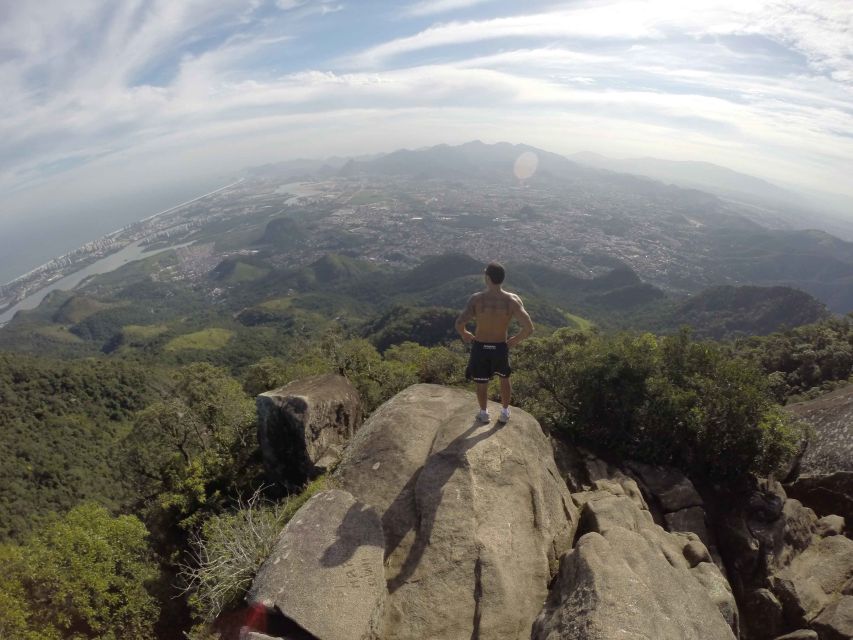
Bico do Papagaio offers a wide look across Tijuca National Park. You can see Pico da Tijuca, Pedra do Conde, Cocanha, Pedra Bonita, and Pedra da Gávea, along with Sumaré and part of Corcovado with Christ the Redeemer.
The view is valuable because it shows how much green space sits inside and around Rio. You are not only looking at one famous monument. You see a chain of peaks, forest, and the city’s best-known high points from a less usual angle.
Weather will affect what you see. The route and the order of sightseeing may change in poor conditions, and clouds can reduce views from the summit. That is a basic risk of any mountain outing. Book this for the full experience of hiking and rappelling, not only for a guaranteed postcard view.
Is $59 a fair price?
At $59 per person, this is a good value if you want a guided adventure rather than a simple self-guided hike. The fee includes an expert bilingual guide, the Bico do Papagaio route, several forest trails, the museum visit, the waterfall stop, certified climbing equipment, and personal accident insurance.
Hotel transportation is optional, so check whether your chosen price includes pickup. If it does not, you will need to arrange your own way to Praça Afonso Viseu. That extra planning does not reduce the value of the activity, but it changes the true cost of the day.
The price is especially appealing for first-time rappellers. Buying or arranging certified gear, finding the route, and managing the summit activity yourself would be far less straightforward. You are paying for supervision as well as equipment.
Private and small-group options are available. A smaller group can make it easier to ask questions, adjust the pace, and get individual help during the rappel. The exact group size and price can vary, so check the option shown for your date.
Free cancellation is available up to 24 hours before the activity for a full refund, and you can reserve now and pay later. Those terms help if Rio’s weather or your schedule remains uncertain.
What to pack for eight hours outside
Keep your load light. The official essentials are water and a daypack, with three liters of water recommended, plus a light snack and sunscreen.
Wear comfortable hiking shoes with good grip. Do not bring sandals or flip flops. Avoid large bags and luggage, which will be awkward on rocky sections and are not allowed.
Because the route includes a natural shower, bring clothing that can get wet. The supplied information does not promise storage or changing facilities, so carry only what you need and protect phones or cameras from spray.
You should also arrive sober, rested, and ready for a full day outside. The guide can help manage the pace, but no guide can turn an eight-hour mountain route into an easy walk.
Who should book this Rio adventure?
I would book this if you are in decent physical condition, enjoy uphill hiking, and want a more active way to see Tijuca Forest. It is a strong choice for someone who wants forest trails, a waterfall, a major viewpoint, and a first rappel in one outing.
It also suits you if you value explanation and local context. The guide can discuss the forest, Rio, and local culture, while the museum adds a small historical and educational element.
I would hesitate if you have heart, back, or mobility issues, or if you are pregnant. It is also a poor match if you dislike steep trails, rocky ground, getting wet, or a long day outdoors.
FAQ
How long does the Tijuca Forest hiking and rappelling activity last?
The activity lasts about eight hours. Starting times depend on availability when you book.
Where does the activity start?
It starts at Praça Afonso Viseu, 104, in Alto da Boa Vista, Rio de Janeiro, near the Tijuca National Park entrance area.
Where does the activity end?
The activity ends back at the meeting point.
Is hotel pickup available?
Optional hotel pickup and drop-off are available when transportation is chosen, but only for supported hotels in Rio de Janeiro’s tourist zone.
What languages does the guide speak?
The live guide service is available in English, Spanish, and Portuguese.
Is the rappel equipment included?
Yes. Certified climbing equipment for local use is included.
How much water should I bring?
Three liters of water are recommended. You should also bring a daypack, a light snack, and sunscreen.
Can I join if I have mobility or health problems?
The activity is not suitable for wheelchair users, pregnant women, or people with mobility impairments, back problems, heart problems, or other serious medical conditions.
Can I cancel the booking?
Yes. You can cancel up to 24 hours in advance for a full refund. Reserve now and pay later is also available.
Should you book it?
Book this tour if you want an active, full-day introduction to Tijuca Forest with a real mountain finish. The combination of forest trails, the museum, Cachoeira das Almas, the Bico do Papagaio summit, and a guided rappel gives you much more than a short walk to a viewpoint.
The main question is your fitness. The hike is demanding, and the final ascent includes steep, rocky ground. If you are comfortable with that and wear proper shoes, the $59 cost offers a lot: guide support, climbing gear, insurance, and several distinct parts to the day.
If you want an easy outing or have a medical condition that makes steep hiking unsafe, skip this one. For fit visitors who want Rio’s forest from a more adventurous angle, it is a well-rounded choice with especially strong value.
More Hiking & Trekking in Rio de Janeiro
- Rio de Janeiro: Tijuca Forest Challenge Hike Full-Day Trip
★ 4.9 · 163 reviews - Rio de Janeiro: Vidigal Favela Tour and Two Brothers Hike
★ 4.5 · 121 reviews - Rio de Janeiro: Dois Irmãos Peak Sunrise, Day or Sunset Hike
★ 4.7 · 94 reviews - Rio de Janeiro: Pedra da Gávea Guided Hike Tour
★ 4.9 · 86 reviews
New in Rio de Janeiro this month
- Discover Rocinha: Guided Tour of the Famous Favela★ 4.5 · 3 reviews
- Rio de Janeiro: Hang gliding adventure★ 3.7 · 3 reviews
- Rio de Janeiro: Pedra Bonita & Tijuca Forest Hike Tour★ 5.0 · 3 reviews
- Rio de Janeiro: Hang Gliding or Paragliding Flight★ 5.0 · 3 reviews
- Rio de Janeiro: Local Experience in Forró dance★ 5.0 · 3 reviews
- Rio de Janeiro: Doors-off 30-min helicopter tour★ 5.0 · 3 reviews
- Rio de Janeiro: Pedra do Telégrafo; Grumari/ Prainha Beaches★ 5.0 · 3 reviews
- Rio de Janeiro: Sugar Loaf with Lunch and Helicopter Flight★ 4.7 · 3 reviews
Rio de Janeiro Tours, compared.

Rio de Janeiro: 6-Stop Highlights of Rio with Lunch
Read our review →
Christ the Redeemer Entry Ticket by Corcovado Train
Read our review →
Rio de Janeiro: Rocinha Favela Walking Tour with Local Guide
Read our review →
Rio: Christ the Redeemer, Sugarloaf, Selaron & BBQ Lunch
Read our review →
Rio De Janeiro: Half-Day Rocinha Favela Walking Tour
Read our review →
Rio de Janeiro: Angra dos Reis and Ilha Grande Full-Day Tour
Read our review →
Rio de Janeiro: Beginner Samba Lesson in Ipanema
Read our review →
Browse the lists this tour appears in