
Our review · RIO DE JANEIRO TOURS
Little Africa – Walking tour from the passed to the future
Rio’s Little Africa is not a postcard stop. It is a place where the city’s past is still underfoot. This three-hour walking tour takes you through the area where Africans entered Rio, were bought and sold, lived, worked, and were buried. You will hear about the slave market, homes, stores, graveyards, and the cultural life that grew from this painful beginning. The subject is serious, but the tour also points toward Black art, culture, and Brazil’s future.
I like two things here: the focus on Black Brazilian history, which is often missed on a first visit to Rio, and the chance to walk through actual historic areas rather than only look at museum displays. Guides such as Larissa, Gabriela, and Luana have been praised for bringing the past to life with care and feeling. The main concern is language consistency. Two English-speaking customers found their guides difficult to understand, so ask about your guide’s English if that matters to you.
Key points to know
- Little Africa was once an entry point for Africans brought to Brazil, with markets, homes, shops, and burial grounds in the area.
- The tour lasts three hours and begins in downtown Rio de Janeiro.
- Guides speak English, Portuguese, or Spanish, but English delivery has not been equally strong with every guide.
- The walk links painful history with present-day art and culture, rather than treating the area as a frozen memorial.
- The advertised online price is US$32, but the total payment is listed as R$310 per person, including R$160 paid directly to the guide.
- One museum may charge an extra entry fee, so bring money and ask what is included before setting out.
Why Little Africa matters in Rio
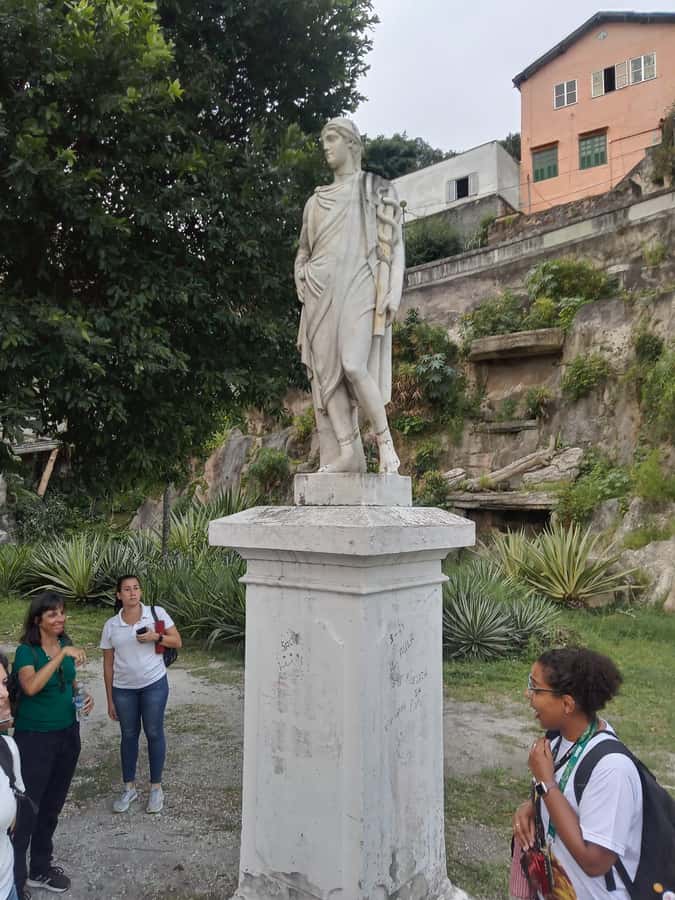
Rio’s history is often presented through beaches, samba, grand avenues, and colonial churches. Those subjects matter, but they do not tell the whole story. Little Africa brings you to the part of the city shaped by the forced arrival of men, women, and children from Africa.
This was not simply a residential district. It included an open slave market, stores, houses, and graveyards. Walking through the area helps you understand how the slave trade was tied to ordinary city life. Commerce, housing, religion, death, and work were all connected here.
I find this kind of tour valuable because it gives geography to history. A date in a book can feel remote. A street, alley, or surviving site gives the subject weight. You are asked to pay attention to what the guide points out, not just to move from one famous attraction to the next.
The emotional tone matters. You may find parts of the walk upsetting, and the description of the experience openly acknowledges that many people become emotional. That is not a reason to avoid it. It is a reason to arrive ready to listen, behave respectfully, and give the subject the attention it deserves.
More Walking Tours in Rio de Janeiro
- Rio de Janeiro: Rocinha Favela Walking Tour with Local Guide
★ 4.8 · 3,052 reviews - Rio De Janeiro: Half-Day Rocinha Favela Walking Tour
★ 4.7 · 2,272 reviews - Sunrise and Sunrise Walk Two Brothers with Local Guide
★ 5.0 · 193 reviews
Beginning downtown and entering the historic district

The meeting point is in downtown Rio de Janeiro. The exact route can vary, so you should confirm the meeting instructions after booking and arrive ready for a three-hour walk.
The opening part of the tour sets the scene. Your guide explains why this section of Rio became so important to the history of African people in Brazil. Rather than treating Little Africa as an isolated pocket, the tour presents it as part of the city’s growth and daily life.
This introduction is especially useful if you know little about Brazil’s African heritage. You will not need a detailed background in Brazilian history to follow the discussion. A good guide can explain the setting in plain language, then add detail as you move from one place to another.
The walk takes place in alleys and historic areas, so this is best approached as a street-based lesson rather than a formal museum tour. Look around as you walk. The point is not only the guide’s words, but the connection between those words and the physical place.
The slave market and the human cost of the port
One of the hardest subjects is the former slave market. Little Africa served as an entry point for Africans brought across the Atlantic, and the market was part of the area’s commercial life.
The guide’s role is important here. A careful explanation can show how the trade operated without turning suffering into spectacle. The strongest guides reported for this experience, including Larissa, Gabriela, and Luana, have been praised for speaking with passion, kindness, and thoughtfulness.
You should expect this section to be direct. The history is not softened into a pleasant sightseeing story. At the same time, the tour is not described as a lecture built only around sorrow. It connects the forced arrival of African people with the culture, communities, and identity that developed afterward.
That balance is one of the tour’s strengths. You learn about exploitation, but you also learn that African influence is central to Brazil’s story, not a small side note. The experience asks you to hold both ideas at once.
Stores, houses, and the city built around slavery
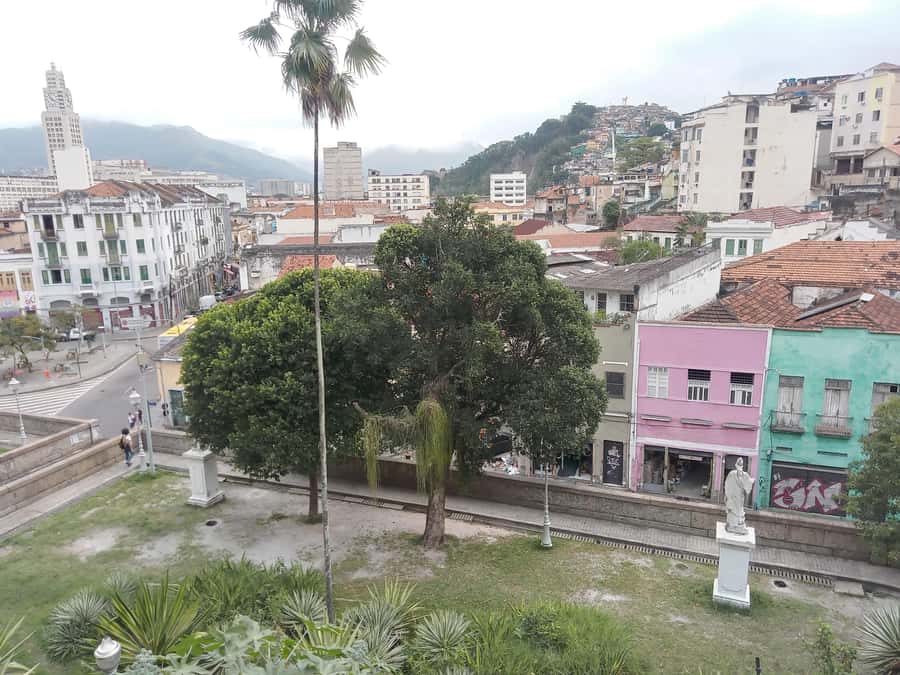
The area once contained shops and houses, showing how slavery was woven into the structure of Rio. These sites can be easy to overlook if you walk through the district without a guide. A doorway or narrow passage may seem ordinary until someone explains its earlier role.
This is where the walking format earns its price. You are not simply shown a collection of objects. You are encouraged to read the area itself, with the guide explaining how people lived, worked, traded, and moved through the neighborhood.
The route’s alleys also help keep the focus on scale. Historic injustice can sound abstract when described in broad terms. Streets and buildings make you think about how close the market, homes, businesses, and burial places were to one another.
Do not expect every building to be perfectly preserved or presented as a major sight. The power of the tour often comes from interpretation. Without context, some stops may look modest. With context, they become part of a larger account of Rio.
A different side of Rio de Janeiro altogether:
- Rio de Janeiro: 6-Stop Highlights of Rio with Lunch
★ 4.4 · 5,157 reviews - Christ the Redeemer Entry Ticket by Corcovado Train
★ 4.4 · 4,476 reviews - Rio: Christ the Redeemer, Sugarloaf, Selaron & BBQ Lunch
★ 4.5 · 2,428 reviews - Rio de Janeiro: Angra dos Reis and Ilha Grande Full-Day Tour
★ 4.6 · 1,673 reviews
Graveyards and the parts of history cities prefer to hide
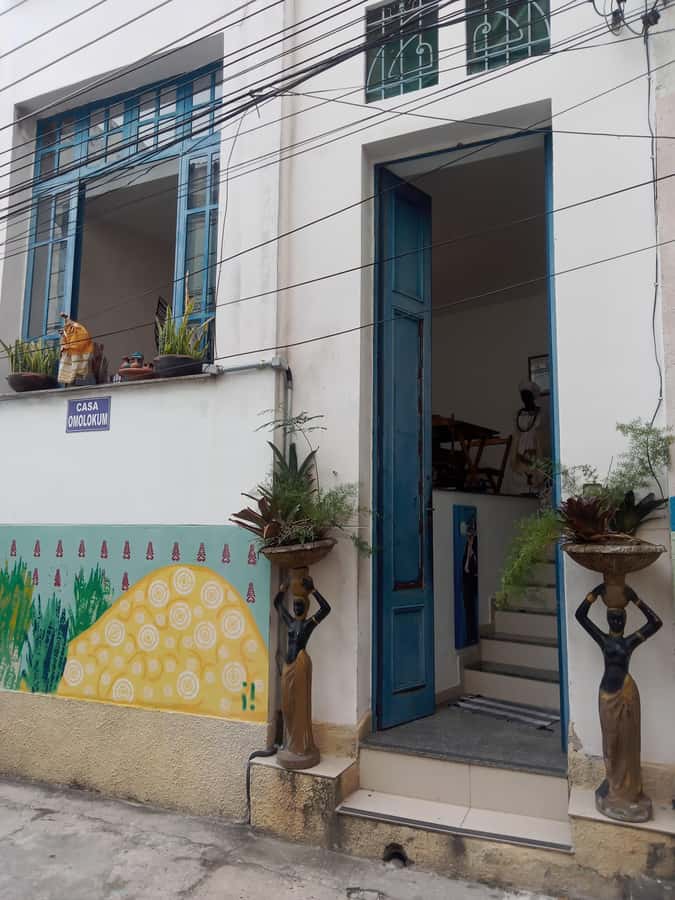
The former graveyards are among the most important places on the walk. Burial grounds reveal the human cost of the trade in a way that market descriptions alone cannot.
Your guide explains the role of these sites and places them within the wider story of Africans in Brazil. You may find this part quiet and reflective, especially after the more factual discussion of commerce and arrival.
This is also where respect matters most. The experience specifically asks you to be respectful, and that advice should be taken seriously. Keep your voice low when appropriate, listen to the guide, and avoid treating memorial sites as casual photo backdrops.
I appreciate that the tour includes places connected with death and memory rather than stopping at the more easily photographed parts of the district. The walk is meant to help you understand people, not collect attractive city scenes.
From painful memory to Black art and culture

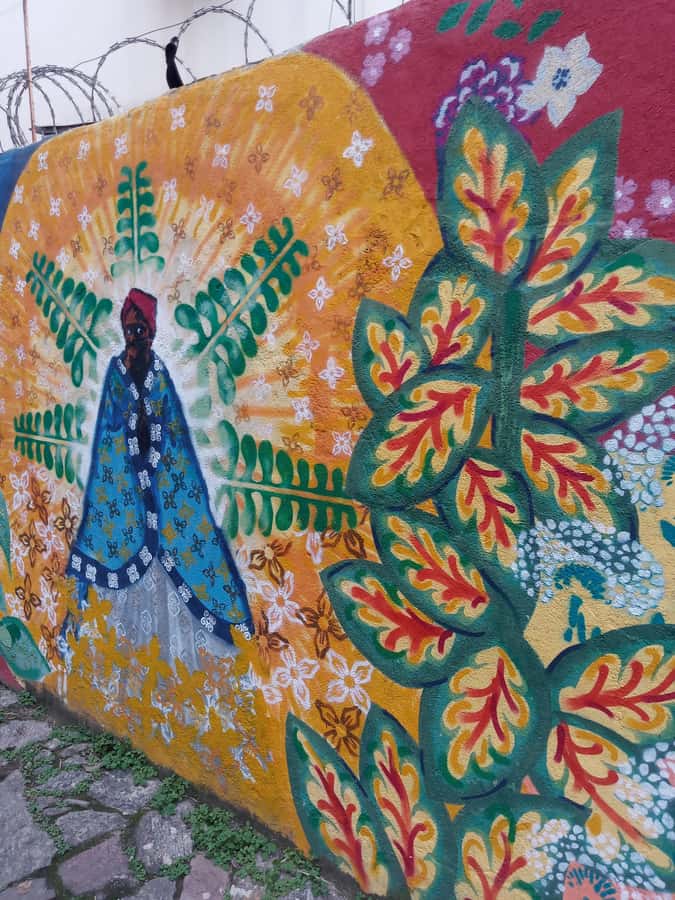
The tour is not limited to slavery. Its stated focus also includes Black heritage, art, culture, and the future. That wider view matters because African influence in Brazil did not end with arrival or oppression. It shaped the country’s cultural life and continues to shape its future.
You may visit a museum or art-related space during the route, depending on the program and what is open. One customer reported paying an additional museum entry fee and missing an art exhibit that was not part of the tour. Treat museum access as something to clarify, not as a guaranteed part of the standard price.
That uncertainty is a drawback, but it also points to a useful question to ask before booking: which cultural sites are included, and which require separate admission? The online details include guide service and online service, but do not include food, drinks, transportation, or souvenirs.
The strongest part of the cultural discussion is its link to the present. You are not asked to view Black Brazilian culture as something confined to a historic district. The tour’s future theme suggests a conversation about how memory, art, and identity continue to develop in Rio.
The guides make or break the experience
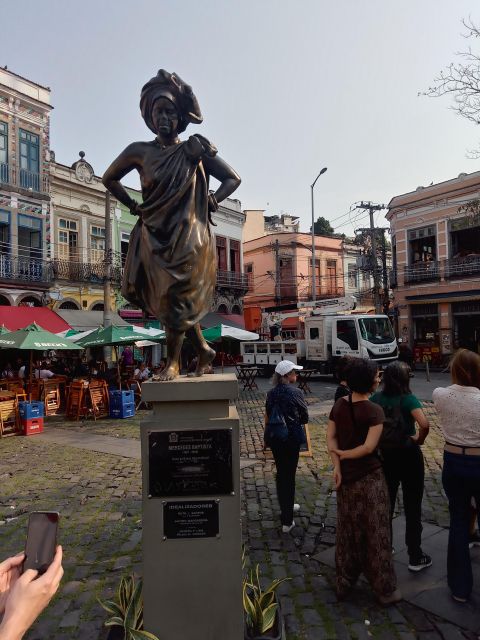
A walking tour about difficult history depends heavily on the guide. The guide must explain facts accurately, speak clearly, and know when to let a place speak for itself.
Several guides have received strong praise for their approach. Larissa was described as passionate and able to tell the story in a way that helped the past feel immediate. Gabriela was praised for being personable and well informed. Luana was valued for her informative style, kindness, and thoughtfulness. Rafael also received credit for helping a group after a delayed flight caused them to miss the original tour time.
Those details suggest a company willing to help when plans go wrong, but do not assume every departure will have the same guide. The experience is offered in English, Portuguese, and Spanish. English quality appears to vary. Two English-speaking customers found it hard to follow their guides, even though they felt the guides knew the subject.
If you are booking in English, contact the provider in advance and confirm that an English-speaking guide is available for your date. This is the single most important practical step for protecting the value of your booking.
Price, extra charges, and what you receive

The online reservation price is listed as US$32 per person. However, the payment information also says that you pay R$160 per person directly to the guide, making the stated total R$310 per passenger.
Because exchange rates change, the exact dollar value of the total will vary. The key point is simple: US$32 is not the full amount. Read the payment notes carefully before booking and confirm the final cost in Brazilian reais.
Payment to the guide can be made by credit or debit card, with a listed 5 percent tax. Food, drinks, transportation, and souvenirs are not included. Museum admission may also be extra, based on the information provided.
For a three-hour private or small-group style cultural walk, the cost may be reasonable if you want guided interpretation rather than a quick look at the area. Its value depends on three things: the clarity of the guide, the exact route, and how many cultural sites are open during your visit.
The tour has a minimum of two customers. If you are alone, contact the provider before making a reservation. That simple step can prevent a booking problem and may clarify whether the tour can operate on your date.
Children from five to ten receive a 50 percent discount, while children from zero to four can go free on a parent’s lap. The information also refers to children from three to ten paying half price in the guide payment section, so families should confirm the age rule and final amount before booking. An ID or copy is mandatory.
Who should take this three-hour walk

I would choose this tour if you want Rio’s story to include the people and systems that shaped the city beyond its famous sights. It suits visitors who enjoy history, social context, art, and walking at a thoughtful pace.
It is also a good fit if you prefer a guide who can explain why a place matters. Little Africa may not offer a long list of grand attractions at every turn. The experience depends on the guide connecting streets, remains, and cultural sites to the lives of the people who passed through them.
Families with older children may find it worthwhile, especially if they have prepared them for serious subject matter. Young children can attend under the stated age rules, but the topic may be difficult for them to understand.
I would be cautious if you need a polished, museum-heavy tour with every admission included. I would also be cautious if you cannot confirm strong English. The history deserves clear communication, and two poor language experiences show that this should not be left to chance.
Practical advice before you go
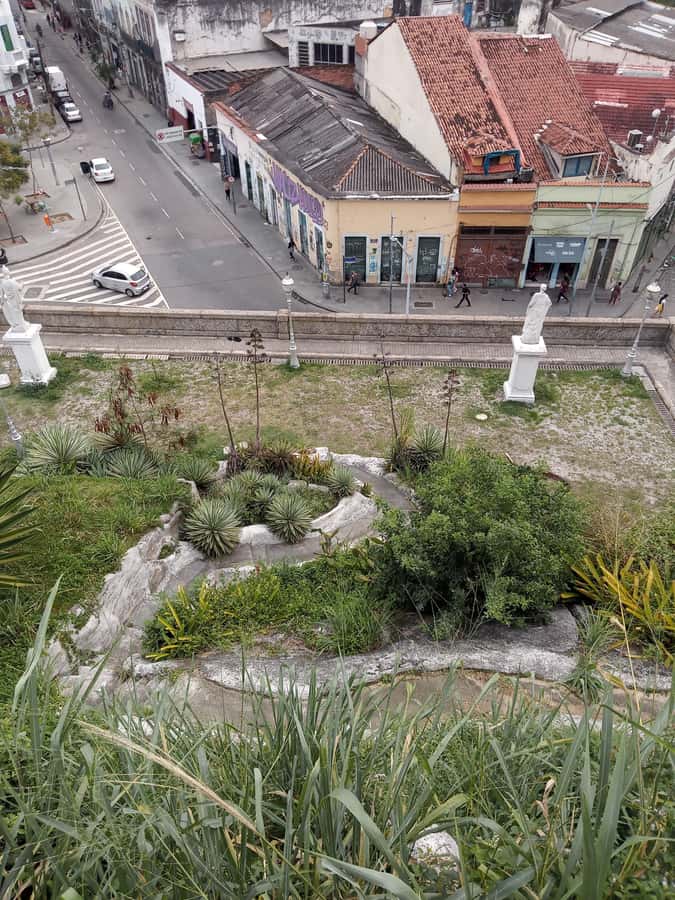
Wear comfortable shoes and bring water, since the experience lasts three hours and includes walking through streets and alleys. Food and drinks are not included, and transportation to or from the meeting point is your responsibility.
Bring the required ID or a copy. If you hope to visit a museum or art space, ask whether admission is included and whether the exhibit will be open on your date.
Give yourself emotional space. This is not a light sightseeing stop, and rushing from the tour to another appointment may leave you little time to process what you have heard.
The tour offers free cancellation up to 24 hours before the start time. It also allows you to reserve now and pay later through the booking platform, which can help if your Rio plans are still shifting.
Should you book Little Africa?
Book it if you want to understand Rio through Black Brazilian heritage and lived history, not only through beaches and landmarks. The walking route, historic remains, and strong guides can give you a more grounded sense of how African people shaped the city and its culture.
Before paying, confirm three things: the guide’s language ability, the total cost including the R$160 direct payment, and any museum admission. If those details are clear, this is a worthwhile three-hour addition to a Rio itinerary.
If your main goal is easy sightseeing, guaranteed museum access, or a tour with no serious subject matter, choose something else. Little Africa asks you to listen carefully and show respect. For the right visitor, that is exactly its value.
FAQ
Where does the Little Africa walking tour meet?
The meeting point is in downtown Rio de Janeiro. The exact meeting instructions should be confirmed after booking.
How long does the tour last?
The walking tour lasts three hours.
What languages are available?
The tour is offered in English, Portuguese, and Spanish.
What places does the tour discuss?
The tour covers the former slave market, stores, houses, graveyards, historic alleys, and other places connected with Little Africa. It also includes discussion of Black art, culture, and Brazil’s future.
Is transportation included?
No. Transportation is not included in the tour price.
Is food or drink included?
No. Food and beverages are not included.
What is the total tour payment?
The payment information lists US$32 per person through the booking website or app, plus R$160 per person paid directly to the guide. It gives the total as R$310 per passenger.
Is there an extra card fee?
Yes. Payment by credit or debit card to the guide carries a listed 5 percent tax.
Do children receive a discount?
Children from five to ten years old receive a 50 percent discount, and children from zero to four can attend free on a parent’s lap. The payment notes also refer to half price for children from three to ten, so families should confirm the final age rule.
Can I cancel for a refund?
Yes. You can cancel up to 24 hours in advance for a full refund.
Is there a minimum number of customers?
Yes. The minimum is two customers. If you are traveling alone, contact the provider before reserving.
Is museum admission included?
Museum admission is not clearly included in the stated inclusions. One museum may require an additional entry payment, so ask the provider what your specific tour covers.
New in Rio de Janeiro this month
- Discover Rocinha: Guided Tour of the Famous Favela★ 4.5 · 3 reviews
- Rio de Janeiro: Hang gliding adventure★ 3.7 · 3 reviews
- Rio de Janeiro: Pedra Bonita & Tijuca Forest Hike Tour★ 5.0 · 3 reviews
- Rio de Janeiro: Hang Gliding or Paragliding Flight★ 5.0 · 3 reviews
- Rio de Janeiro: Local Experience in Forró dance★ 5.0 · 3 reviews
- Rio de Janeiro: Doors-off 30-min helicopter tour★ 5.0 · 3 reviews
- Rio de Janeiro: Pedra do Telégrafo; Grumari/ Prainha Beaches★ 5.0 · 3 reviews
- Rio de Janeiro: Sugar Loaf with Lunch and Helicopter Flight★ 4.7 · 3 reviews
Rio de Janeiro Tours, compared.

Rio de Janeiro: 6-Stop Highlights of Rio with Lunch
Read our review →
Christ the Redeemer Entry Ticket by Corcovado Train
Read our review →
Rio de Janeiro: Rocinha Favela Walking Tour with Local Guide
Read our review →
Rio: Christ the Redeemer, Sugarloaf, Selaron & BBQ Lunch
Read our review →
Rio De Janeiro: Half-Day Rocinha Favela Walking Tour
Read our review →
Rio de Janeiro: Angra dos Reis and Ilha Grande Full-Day Tour
Read our review →
Rio de Janeiro: Beginner Samba Lesson in Ipanema
Read our review →
Browse the lists this tour appears in