
Our review · RIO DE JANEIRO TOURS
Rio: African Culture Walking Tour
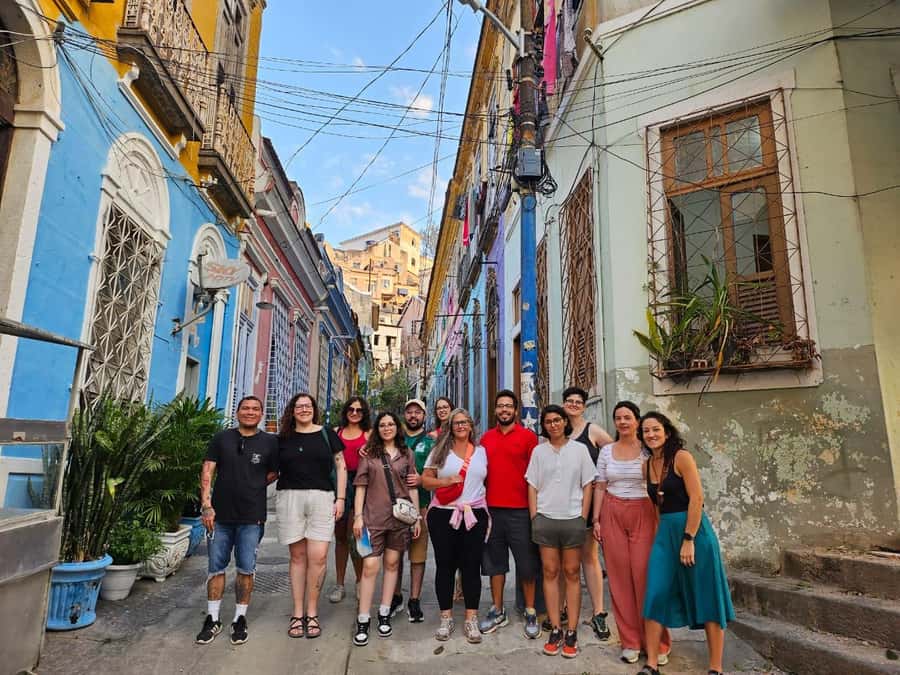
Rio’s African Culture Walking Tour puts Black resistance and Afro-Brazilian culture at the center of the story. You walk through Little Africa and Pedra do Sal, places tied to slavery, abolition, music, and community life, before entering Cidade do Samba to see where Carnival schools build their enormous parade displays.
I like the small format, with a maximum of 15 people, and the way the tour links street history to the modern samba parade. I also like that guides such as Rafael make room for questions and discussion. The main consideration is the $100 price for three hours, especially since food, drinks, and transport are not included.
Key points
- Little Africa and Pedra do Sal: Visit Rio areas connected with Black history, resistance, and Afro-Brazilian traditions.
- Abolition and slavery: Hear a clear account of Brazil’s struggle to end slavery and how that past still shapes Rio.
- Cidade do Samba access: Go behind the scenes at a Carnival school warehouse and see where parade creations are made.
- Small private setting: The group is limited to 15 people, with English, Spanish, or Portuguese guiding available.
- Flexible discussion: Guides can adapt the conversation to your questions and interests.
- Practical booking terms: The tour lasts three hours, costs $100 per person, and allows free cancellation up to 24 hours before departure.
Why Little Africa changes your view of Rio

Rio is often sold through beaches, mountain views, and samba rhythms. Those are real parts of the city, but they do not explain how Rio became Rio. This walk turns your attention toward the African presence that shaped the city’s labor, faith, music, food, and public life.
Little Africa is especially important because it connects the past to places you can see today. Instead of hearing about Afro-Brazilian history only inside a museum, you walk through the city itself. Your guide explains the role of Black communities, the violence of slavery, and the long fight for abolition in Brazil.
That setting gives the subject weight. A classroom lecture can explain dates and laws. A walk through an actual neighborhood helps you understand how history sits inside streets, gathering places, and cultural traditions.
The tour also works well for visitors who already know the standard Rio sights. You may have seen Christ the Redeemer and Copacabana, but Little Africa gives you a different key to the city. The emphasis is not on postcard views. It is on memory, identity, and the people whose work and traditions helped build Rio.
More Walking Tours in Rio de Janeiro
- Rio de Janeiro: Rocinha Favela Walking Tour with Local Guide
★ 4.8 · 3,052 reviews - Rio De Janeiro: Half-Day Rocinha Favela Walking Tour
★ 4.7 · 2,272 reviews - Sunrise and Sunrise Walk Two Brothers with Local Guide
★ 5.0 · 193 reviews
Walking through Pedra do Sal
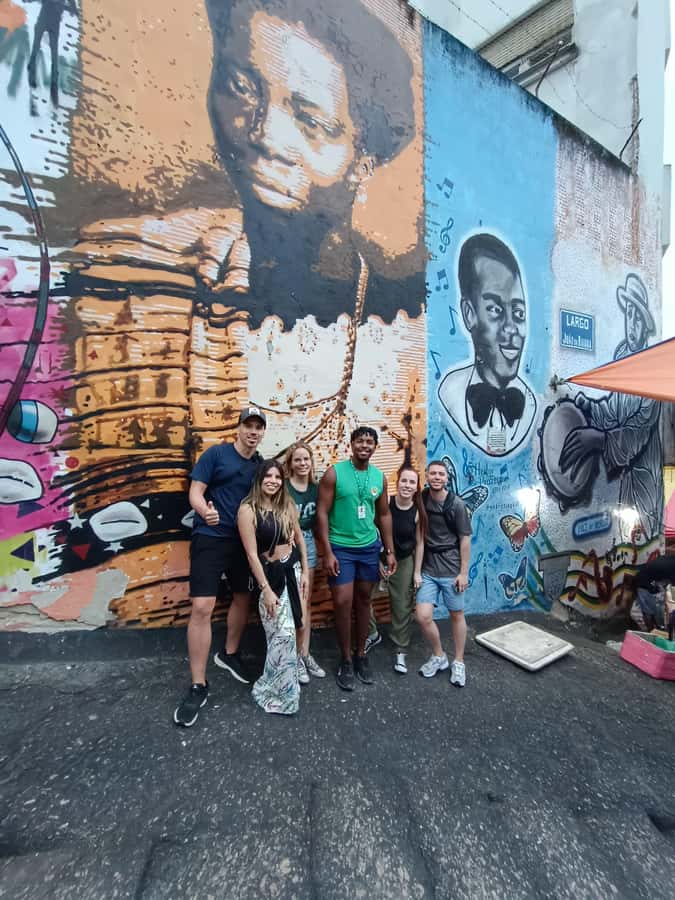
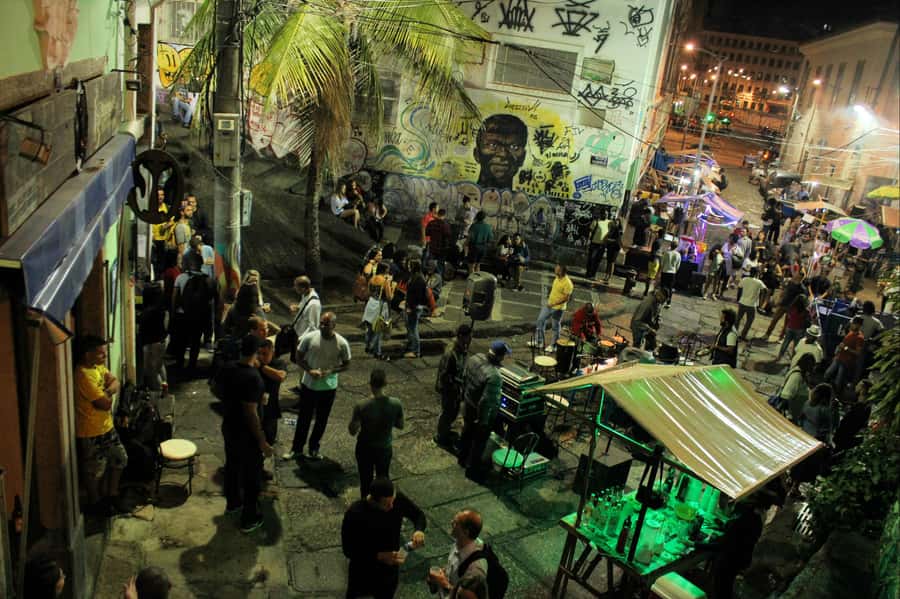
Pedra do Sal is one of the tour’s key stops. The area is associated with Afro-Brazilian culture and with the growth of samba in Rio. Your guide uses the surroundings to explain how Black traditions survived, changed, and found public expression despite discrimination and oppression.
Expect the walk to be more conversational than theatrical. The guide provides context, then gives you room to ask questions. This matters because the subject is not simple. Brazil’s history of slavery and abolition has connections to other parts of the Americas, but it also has its own laws, social structures, and cultural developments.
One useful feature is the opportunity to compare Brazil with the United States. A visitor from the United States may notice familiar patterns in systems of racial oppression, along with major differences in how race, class, religion, and music developed. The guide can help sort out those parallels without reducing Brazil’s story to an American framework.
You should bring curiosity and be ready for serious conversation. This is not a light sightseeing walk with a few historical comments added in. The focus is on slavery, Black resistance, Afro-Brazilian heritage, and the effects of that past in present-day Rio.
Understanding slavery and abolition in Brazil
The tour gives a direct account of the struggle to abolish slavery in Brazil. That subject is essential to understanding both Rio’s population and its cultural life. The guide explains the forces behind slavery, the resistance of enslaved people, and the long process that eventually led to abolition.
The value here is the chance to ask questions as the story unfolds. One guide, Rafael, has been described as especially attentive, and another guide was praised for explaining Afro-Brazilian subjects in a clear, well-structured way. The language options are English, Spanish, and Portuguese, so you can choose the language in which you are most comfortable discussing a difficult topic.
Do not expect a full academic course in three hours. The tour has enough time to provide a useful framework, but not enough to cover every region, law, or historical figure connected with Brazilian slavery. Think of it as a strong introduction that helps you recognize important themes during the rest of your time in Rio.
I find that approach sensible for a city walk. You leave with a better set of questions, a clearer understanding of the places you have seen, and a stronger sense of why samba and Afro-Brazilian traditions matter.
From street history to samba school workshops
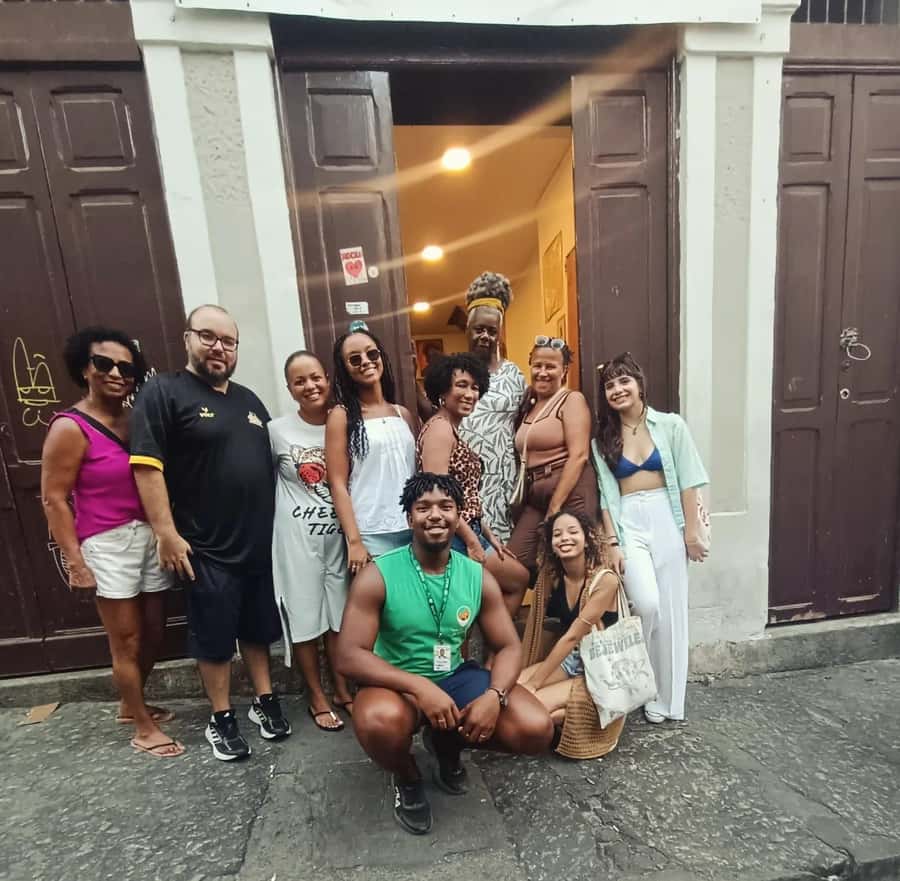
The final part takes you to Cidade do Samba, also called the City of Samba. This is where the tour shifts from historical explanation to present-day Carnival production.
Inside, you learn about the origins of samba school parades and see the work that goes into creating Carnival. The visit includes the Carnaval Experience, which offers access to a samba school warehouse and the large-scale creations prepared for parade performances.
This behind-the-scenes stop is a real strength. Carnival can look effortless when you see the finished parade on television or in photographs. At Cidade do Samba, you get a better sense of the physical work behind it: the costumes, decorative elements, and huge parade pieces that need to be designed, built, stored, and prepared.
The contrast with Little Africa is useful. The first part asks where Afro-Brazilian culture comes from and how Black communities shaped Rio. The second shows one way that culture appears in modern public life. Samba is not treated as a colorful show detached from history. It is presented as part of a long cultural story.
There is one small limitation. The warehouse visit is organized for sightseeing, so it may feel less personal than the walking portion. One person who took the tour found this section slightly less authentic than the history walk. That is fair. You are seeing a production space connected to Carnival, not entering an ordinary neighborhood celebration.
Still, access to a major samba school warehouse is unusual. If you have any interest in Carnival, the visit adds value that a standard city tour usually misses.
A different side of Rio de Janeiro altogether:
- Rio de Janeiro: 6-Stop Highlights of Rio with Lunch
★ 4.4 · 5,157 reviews - Christ the Redeemer Entry Ticket by Corcovado Train
★ 4.4 · 4,476 reviews - Rio: Christ the Redeemer, Sugarloaf, Selaron & BBQ Lunch
★ 4.5 · 2,428 reviews - Rio de Janeiro: Angra dos Reis and Ilha Grande Full-Day Tour
★ 4.6 · 1,673 reviews
A three-hour format that keeps the subject focused
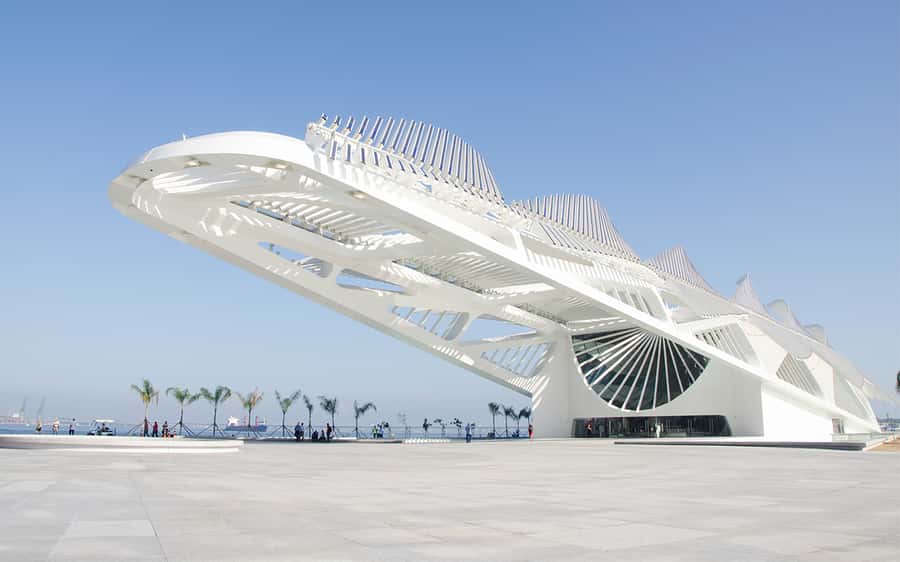
Three hours is a good length for this experience. The topic deserves more time than a quick stop, but a full-day history program could feel heavy, particularly in Rio’s heat. The tour gives you enough time for walking, discussion, and the Cidade do Samba visit without turning the day into a long lecture.
The small-group setup also matters. With a maximum of 15 people, the guide can hear questions and adjust the pace more easily than on a large coach tour. The experience is listed as a private group, so confirm the exact group arrangement when booking if that point is important to you.
The walking is not described as especially strenuous. One person specifically found that the tour covered a lot without requiring too much walking. Even so, you should wear comfortable shoes and be prepared to spend part of the three hours on foot.
The tour is wheelchair accessible, which makes it more suitable for a wider range of visitors. Because the experience includes several areas and an indoor venue, it is still sensible to confirm the current route and access details when you provide your WhatsApp contact.
How the guides shape the experience
This tour depends heavily on the guide. The subject involves history, race, culture, and politics, so a guide who can explain clearly and respond thoughtfully will make a major difference.
The strongest guide style here is open and discussion-based. You can ask about slavery, abolition, samba, racial inequality, or the present-day meaning of Afro-Brazilian traditions. Guides have also helped shape the rest of a visitor’s day by suggesting other activities or assisting with an additional graffiti stop before a ride back to a hotel.
That extra flexibility is useful, but do not treat the graffiti stop as a guaranteed part of the tour. It was an added arrangement, not one of the stated inclusions.
Rafael is one guide associated with the experience. If you are hoping for a particular guide, ask the operator when you contact them. The available guiding languages are English, Spanish, and Portuguese, which is a major advantage for a subject where small differences in wording matter.
What the $100 price includes
At $100 per person, this is not a bargain-priced stroll. The price reflects a private or small-group format, a live guide, the focused historical subject, and admission to Cidade do Samba and Carnaval Experience.
The value depends on what you want from Rio. If you are looking only for famous sights and quick photo stops, the price may feel high. You are paying for interpretation and access, not a long list of attractions.
For someone interested in Black history, samba, Carnival, or Brazilian culture, the cost is easier to justify. The two halves of the tour work together, and the admission to the samba venue saves you from having to arrange that visit separately.
Food and drinks are not included. The activity also does not list hotel transfers, so plan your own way to and from the meeting points. Send your WhatsApp contact as requested so the operator can communicate with you about the tour.
The reservation terms add some useful flexibility. You can reserve now and pay later, and cancellation is free up to 24 hours in advance for a full refund. Check available starting times before committing, since the tour lasts three hours and the schedule can affect your plans for the rest of the day.
Who should book this Rio experience
I would choose this tour if you want to understand Rio beyond its famous views. It suits first-time visitors who want historical context, as well as repeat visitors who have already seen the main sights.
It is particularly good for:
- People interested in Black history and the legacy of slavery in Brazil
- Visitors who want to understand samba as culture, not just entertainment
- Anyone curious about how Carnival is created behind the scenes
- Small groups that prefer conversation over a large organized tour
- English, Spanish, or Portuguese speakers who want a live guide
- Visitors looking for places that are not part of the usual Rio sightseeing circuit
It may not suit you if you want a relaxed food tour, a beach activity, or a purely visual excursion. The subject is serious, and much of the value comes from listening and asking questions.
Families and mixed-interest groups can still enjoy it, but it helps if everyone is willing to spend time on history. The Cidade do Samba visit adds a colorful, practical finish, yet the first part remains the heart of the experience.
My verdict on Little Africa and Cidade do Samba

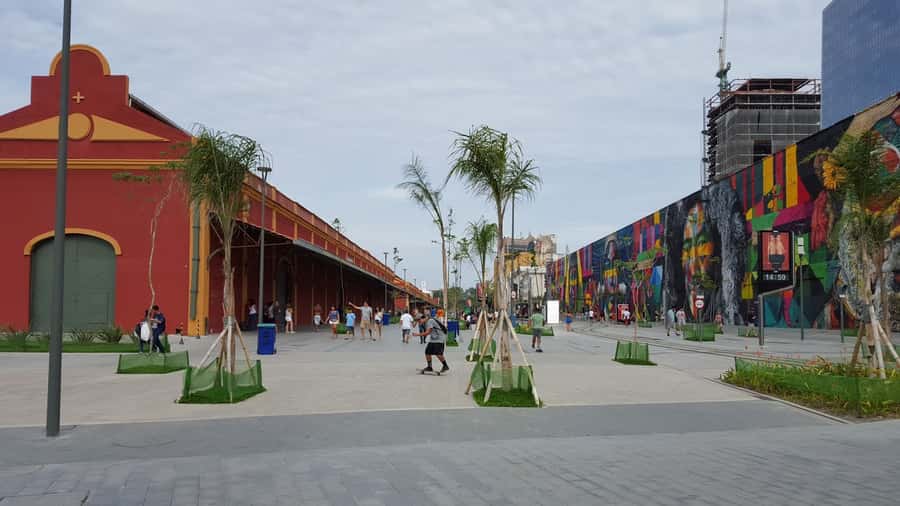
Book this tour if you want a more honest picture of Rio, one that includes the Black communities and traditions that shaped the city. The combination of Little Africa, Pedra do Sal, slavery and abolition, and a working Carnival venue gives the experience a clear purpose.
The $100 price is reasonable for a private or small-group cultural tour with admission included, though it is more than you would pay for a basic walking tour. The main tradeoff is that Cidade do Samba may feel more arranged for visitors than the street-based history portion.
I would place it early in a Rio visit. The guide’s explanations can help you understand samba, public art, neighborhoods, and cultural traditions you encounter later. Bring questions, allow for serious discussion, and confirm the meeting details through WhatsApp. If that sounds like your kind of afternoon, this is one of the more useful ways to spend three hours in Rio.
FAQ

How long does the African Culture Walking Tour last?
The tour lasts three hours.
How much does the tour cost?
The price is $100 per person.
Which parts of Rio does the walking tour visit?
The walking portion covers Little Africa and the Pedra do Sal region.
Is Cidade do Samba included?
Yes. The experience includes entrance to Cidade do Samba and Carnaval Experience, with a behind-the-scenes visit connected to Rio Carnival.
What languages are available?
The live guide can conduct the tour in English, Spanish, or Portuguese.
Is the tour wheelchair accessible?
Yes, the activity is listed as wheelchair accessible.
Is food or drink included?
No. Food and drinks are not included in the price.
Can I cancel the tour for a refund?
Yes. You can cancel up to 24 hours in advance for a full refund. You can also reserve now and pay later.
New in Rio de Janeiro this month
- Discover Rocinha: Guided Tour of the Famous Favela★ 4.5 · 3 reviews
- Rio de Janeiro: Hang gliding adventure★ 3.7 · 3 reviews
- Rio de Janeiro: Pedra Bonita & Tijuca Forest Hike Tour★ 5.0 · 3 reviews
- Rio de Janeiro: Hang Gliding or Paragliding Flight★ 5.0 · 3 reviews
- Rio de Janeiro: Local Experience in Forró dance★ 5.0 · 3 reviews
- Rio de Janeiro: Doors-off 30-min helicopter tour★ 5.0 · 3 reviews
- Rio de Janeiro: Pedra do Telégrafo; Grumari/ Prainha Beaches★ 5.0 · 3 reviews
- Rio de Janeiro: Sugar Loaf with Lunch and Helicopter Flight★ 4.7 · 3 reviews
Rio de Janeiro Tours, compared.

Rio de Janeiro: 6-Stop Highlights of Rio with Lunch
Read our review →
Christ the Redeemer Entry Ticket by Corcovado Train
Read our review →
Rio de Janeiro: Rocinha Favela Walking Tour with Local Guide
Read our review →
Rio: Christ the Redeemer, Sugarloaf, Selaron & BBQ Lunch
Read our review →
Rio De Janeiro: Half-Day Rocinha Favela Walking Tour
Read our review →
Rio de Janeiro: Angra dos Reis and Ilha Grande Full-Day Tour
Read our review →
Rio de Janeiro: Beginner Samba Lesson in Ipanema
Read our review →
Browse the lists this tour appears in