

Our review · RIO DE JANEIRO TOURS
Favela Tour The Original, Rocinha & Vila Canoas since 1992
Rio’s Rocinha and Vila Canoas offer a view of Brazil that beaches and postcard sights cannot. This three-hour tour takes you through residential lanes, shops, a handcraft center, a local bar, and a community school, while explaining how favelas became home to a large share of Rio’s population.
I like the friendly, non-voyeuristic approach, and I like that part of the tour money supports educational work in the community. The sweeping views over Rio are another strong point, especially as the route shows how hillside neighborhoods and wealthy coastal districts sit close together.
The main consideration is that the tour depends on local conditions and language demand. A past Italian-language booking had to be moved, and one scheduled visit to Rocinha did not go ahead because of a dispute over a local fee. Confirm your language and route before setting out.
Key points to know before you go

- Two very different communities: Visit Rocinha, Brazil’s largest favela, and smaller Vila Canoas in one morning or afternoon.
- The school is a highlight: Favela Tour helps finance a community school, giving the visit a practical social purpose.
- Walking begins before Rocinha: Transport gets you there, but much of the experience takes place on foot through narrow lanes.
- Local contact matters: The route includes a local bar, shops, a handcraft center, and conversations around everyday community life.
- Excellent city views: Hillside streets open to broad views over Rio, including the contrast between informal and formal neighborhoods.
- Book with care: Pickup is generally from south-zone hotels, and tours should be confirmed directly by phone, email, or WhatsApp.
Why Rocinha changes the way you see Rio

Rocinha is often pictured from a distance as a dense patchwork climbing a hill. From inside, you see something more complex: homes, small businesses, services, schools, and a steady flow of ordinary daily life.
That change in viewpoint is the heart of the experience. Instead of treating the favela as a dramatic backdrop, the guide explains how these communities developed and how they fit into Brazil’s wider social structure. Rio has close to 1,000 favelas, and about 20 percent of the city’s population lives in them. Those figures help put the visit in context, but walking through the streets makes the subject much more real.
You should come ready to listen rather than photograph everything that catches your eye. The tour’s stated aim is to connect visitors and residents, not to turn poverty into entertainment. That matters. A guide who explains local life, answers questions, and points out community projects gives you a fairer picture than a quick drive past a hillside ever could.
The current score of 4.5 from 113 ratings reflects the tour’s main strength: clear explanations from guides who can make a difficult subject accessible. Mateo has been singled out for giving useful insight into Brazilian culture, while Francesco has been praised for explaining both the past and present of favela life. Guide quality can shape the whole morning, so a fluent guide in your chosen language is important.
more favela walks in Rio de Janeiro
- Rio de Janeiro: Rocinha Favela Walking Tour with Local Guide
★ 4.8 · 3,052 reviews - Rio De Janeiro: Half-Day Rocinha Favela Walking Tour
★ 4.7 · 2,272 reviews - Rio de Janeiro: Favela Santa Marta Top Tour with Local Guide
★ 4.9 · 488 reviews
The ride from Rio’s south zone to the hills
Pickup is offered around Leblon, Ipanema, Copacabana Beach, and São Conrado, with many meetings arranged at hotels near the beachfront. You may need to walk to a designated hotel if your own accommodation is not on the regular route.
The vehicle ride is part of the tour, not just a transfer. The guide begins giving information as soon as you board, helping you understand the city before you enter the communities. That makes good use of the three-hour schedule.
The tour returns to the same general south-zone areas: São Conrado, Ipanema, Leblon, and Copacabana Beach. This is handy if you have evening plans, though you should allow some flexibility because the route involves walking and local conditions can affect timing.
The tour is offered in English, French, Spanish, Italian, and Portuguese. English appears to be the easiest option to arrange, while other languages may need to match wider demand. Confirm your language before you arrive in Rio. Do not rely on a hotel desk or an informal intermediary to sort this out, since that can create confusion about times, prices, or meeting points.
Walking Rocinha’s lanes and local businesses

The walking section lasts roughly two hours and 15 minutes. Expect a close look at both residential and commercial areas rather than a single viewpoint or short photo stop.
Rocinha is the largest favela in Brazil, and its size helps explain why it cannot be reduced to one simple story. Parts of the route show tightly packed architecture and narrow passageways. Other sections reveal shops and local services that support daily life. The contrast between what you may have expected and what you actually see is part of the lesson.
A stop at a local bar gives the group a chance to pause and see a familiar social setting. It also keeps the experience connected to everyday life rather than making the entire visit a lecture. Drinks and snacks are extra, so carry some Brazilian reais or another suitable way to pay if you want to buy something along the way.
The handcraft center adds another practical stop. You can look at locally made items and choose to buy a souvenir that brings money directly into the community. Purchasing is optional, but it is a more meaningful choice than treating the area as a place for photographs alone.
The streets can be busy and uneven, and you are told to come ready to walk. The tour description does not provide accessibility details, so anyone with mobility concerns should ask the operator before booking. This is a walking visit through favela lanes, not a coach tour with easy pavement throughout.
Vila Canoas and the smaller-scale view
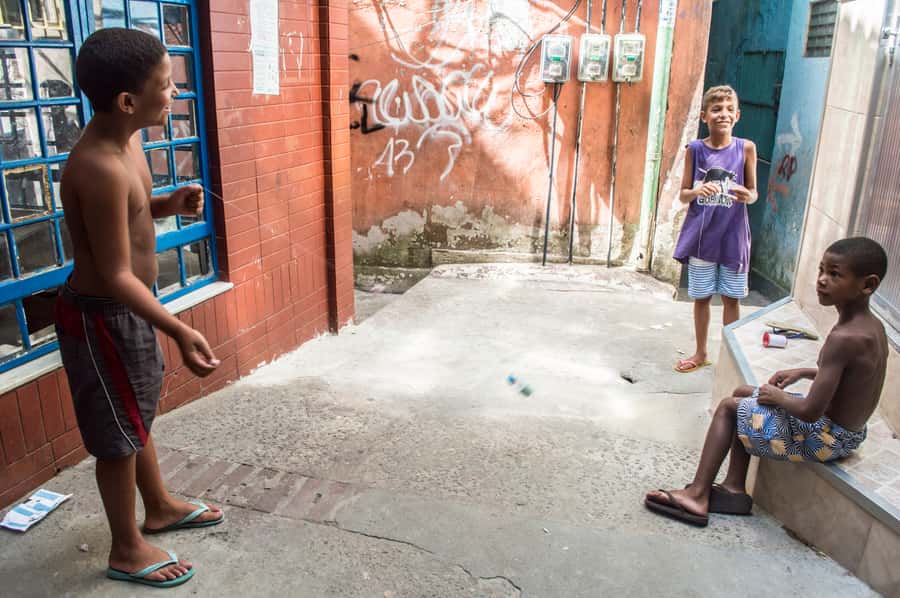
Vila Canoas gives the tour a second point of comparison. Seeing two communities helps you avoid assuming that every favela has the same size, layout, or feel.
Rocinha offers scale and density. Vila Canoas provides a different setting and helps show that favela communities are not one uniform type of neighborhood. The guide can place both areas within the broader story of Rio’s growth, inequality, and local initiative.
That comparison is useful because visitors often arrive with one fixed image of a favela. A second community complicates that image in a good way. You see different buildings, streets, and community spaces, while still hearing about shared social pressures and the efforts residents make to improve local life.
The visit is not designed to hide problems. It presents both positives and challenges, including the social contrasts that shape Rio. That balance is one of the best reasons to choose this tour over a simple viewpoint or a short sightseeing drive.
A different side of Rio de Janeiro altogether:
- Rio de Janeiro: 6-Stop Highlights of Rio with Lunch
★ 4.4 · 5,157 reviews - Christ the Redeemer Entry Ticket by Corcovado Train
★ 4.4 · 4,476 reviews - Rio: Christ the Redeemer, Sugarloaf, Selaron & BBQ Lunch
★ 4.5 · 2,428 reviews - Rio de Janeiro: Angra dos Reis and Ilha Grande Full-Day Tour
★ 4.6 · 1,673 reviews
The community school gives the visit a purpose
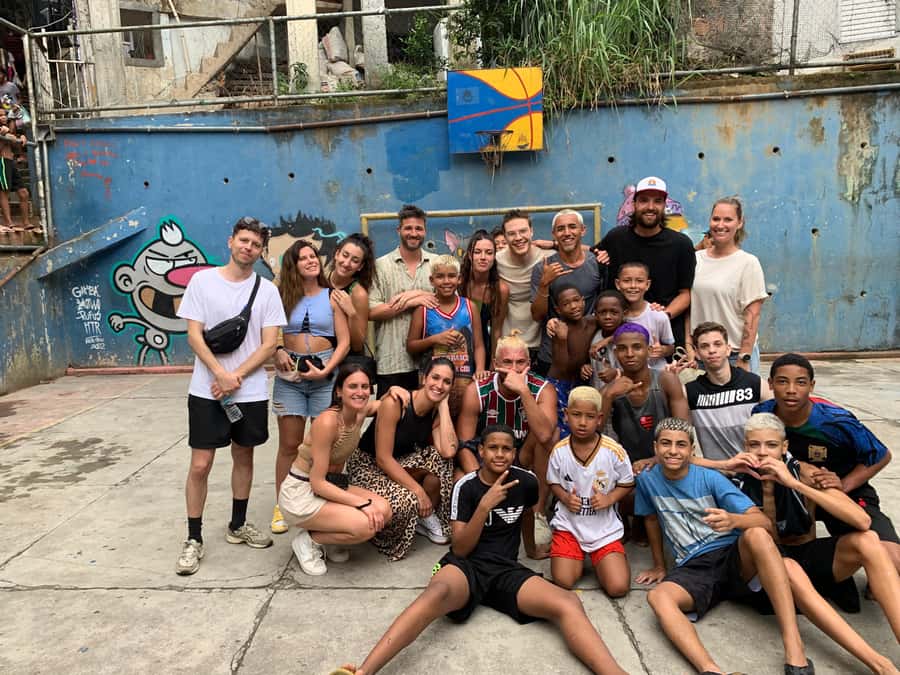
The community school is likely to be the most important stop for many people. Favela Tour helps finance it, so your booking contributes to an educational project rather than ending when the vehicle leaves the neighborhood.
One visitor specifically picked the school as the high point of the experience. I understand why. A school makes the tour’s social purpose tangible, showing how local education can become part of a community’s response to limited resources and unequal access.
You should keep expectations sensible. The information provided does not promise a classroom lesson, a meeting with students, or a particular school activity on every departure. What you can expect is a visit connected to a project supported by the tour, along with an explanation of its role.
This is also where respectful behavior matters most. Follow the guide’s instructions, avoid intrusive photos, and remember that the school is a working community institution, not a display for outsiders.
The views explain Rio’s sharp contrasts
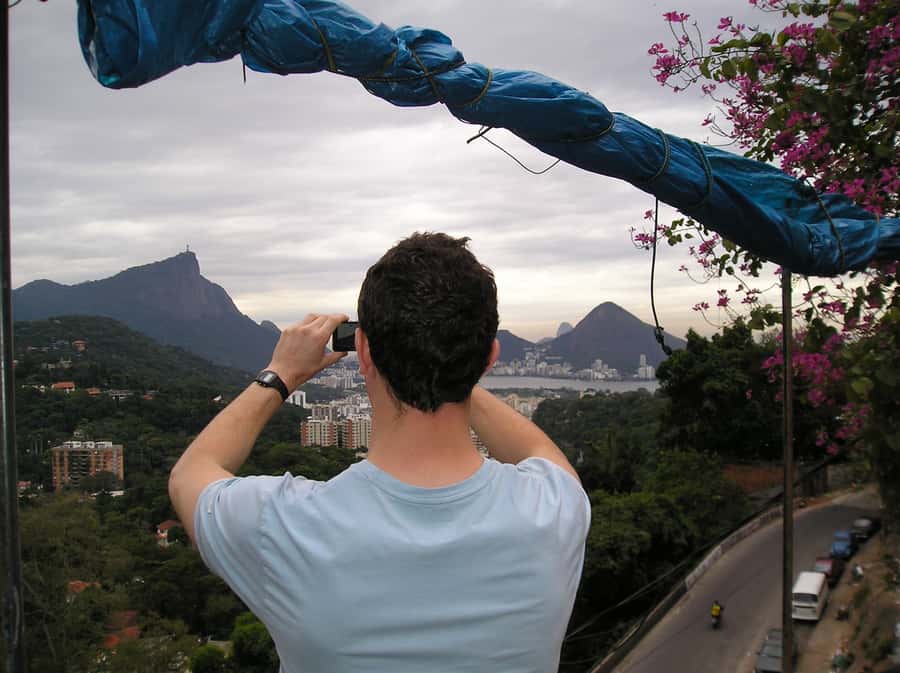
The hilltop setting brings some of Rio’s best wide views. From above, the city’s coastal districts, hills, roads, and dense neighborhoods come together in one frame.
These views are not just scenic rewards. They help explain the physical side of Rio’s social divisions. Favelas are often built on former public land on hillsides, close to districts that look very different in wealth and infrastructure. From a distance, the contrast is easy to simplify. From the streets, you begin to see how geography and economics have shaped one another.
Bring a phone or camera if you want pictures, but do not let the views turn the visit into a photo hunt. The strongest part of the tour is the combination of scenery and explanation. The guide gives meaning to what you are looking at.
Is $33 good value for three hours?
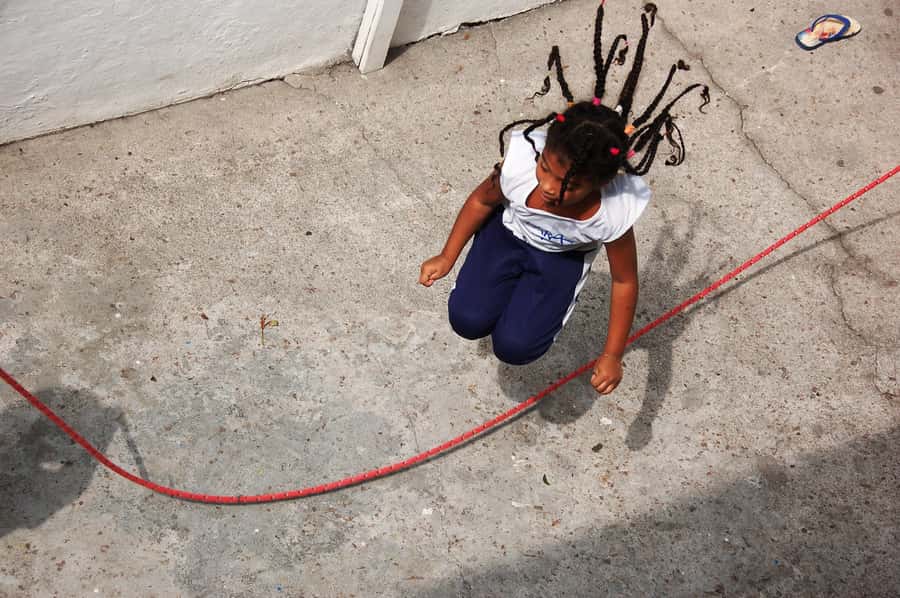
At $33 per person, this tour is fairly priced if you want transport, a guide, two communities, and a social project in one compact outing. It costs more than simply taking a viewpoint photo, but it offers far more context and a safer way to visit an unfamiliar area.
The value also comes from the guide’s role. The best guides explain history, economics, local customs, and daily life in plain language. Recent feedback praises Mateo and Francesco for doing exactly that, with one person describing the tour as offering more value than expected.
You should budget extra for drinks, snacks, or handcrafts. Those purchases are not included, but they give you a chance to support local businesses if you choose.
The tour is especially good value for a first visit to Rio when you want something beyond Sugarloaf Mountain, Christ the Redeemer, and the beaches. It fits into half a day and returns you to the south zone, leaving time for other plans.
Safety, respect, and the right mindset
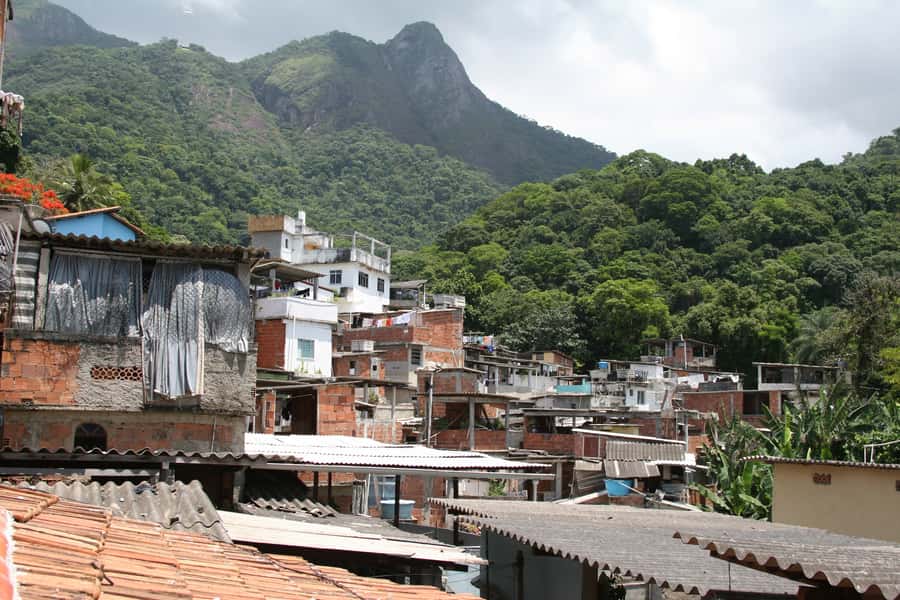
The tour presents favelas as safer than many outsiders assume, but it also gives a clear piece of advice: visit with an organized tour. Do not attempt to explore alone simply because the neighborhood looks close on a map.
An organized guide helps with local etiquette, route decisions, and communication. It also creates a connection with residents rather than leaving you to wander without context. You are welcomed as a visitor, but that does not mean every street or situation should be treated casually.
Dress for walking and bring only what you need. The supplied information does not set out a formal dress code or a list of restricted items, so the safest practical approach is to stay low-key and follow the guide’s directions.
The ethical question is worth thinking about before you book. A favela tour can feel uncomfortable if it turns people’s homes into scenery. This experience tries to avoid that by including local projects, commercial stops, and explanations of social conditions. Your own conduct still matters. Listen, ask thoughtful questions, and do not assume that one visit explains every favela in Brazil.
Who will get the most from this tour?
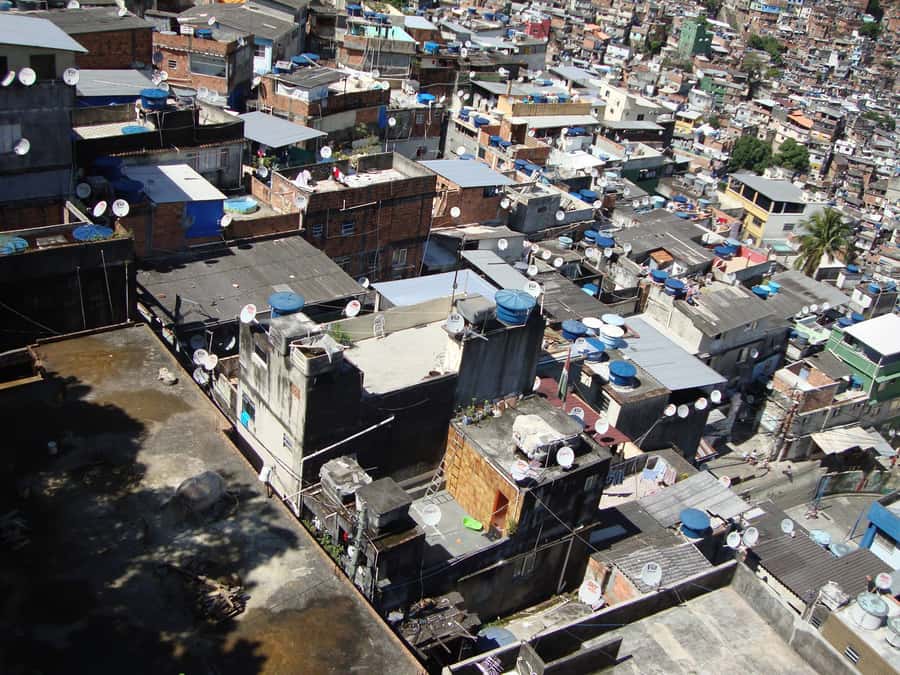
I would choose this for anyone who wants a fuller picture of Brazil’s social structure and is willing to spend three hours walking and listening. It suits first-time visitors who want to understand Rio beyond its famous sights.
It is also a good match for people interested in community projects, urban development, and the difference between public image and daily reality. The school visit and the two-community format give the tour more substance than a quick stop in one neighborhood.
It may not suit you if you want a relaxed sightseeing ride with little walking, a polished attraction, or guaranteed service in a less common language on a particular date. One Italian booking had to be changed because the requested departure was unavailable, and the planned Rocinha visit later did not take place because the guide objected to a local fee. Confirm the details directly before you commit.
Free cancellation is available up to 24 hours before departure, and you can reserve now and pay later. Those policies help if your Rio schedule is still shifting, but they do not replace confirming the meeting point and language.
Should you book Favela Tour?
Book it if you want Rio explained through its people, neighborhoods, and social contrasts, not only through famous monuments. The combination of Rocinha, Vila Canoas, local businesses, panoramic views, and a school project gives you a serious three-hour introduction.
Before booking, confirm the exact pickup hotel, departure language, and whether both communities are planned for your date. If those details are clear, $33 is a sensible price for a guided visit that offers real context and directs some support toward local education.
FAQ
How long does the Favela Tour last?
The tour lasts three hours, including transportation, guided visits, and walking in Rocinha and Vila Canoas.
Which favelas does the tour visit?
The planned route includes Rocinha, the largest favela in Brazil, and Vila Canoas.
Where does pickup take place in Rio?
Pickup is available from many hotels in the south zone, especially around Leme, Copacabana, Ipanema, and Leblon. Regular pickup areas also include São Conrado, and you may need to meet at a specific hotel near the beachfront.
Which languages are available?
The tour is offered in English, French, Spanish, Italian, and Portuguese. Languages other than English may depend on wider demand, so confirm your preferred language in advance.
Is transportation included?
Yes. Transportation from and back to many hotels in Rio’s south zone is included. The tour itself is mainly a walking experience once you arrive.
Can I cancel or pay later?
You can cancel up to 24 hours in advance for a full refund. You can also reserve and pay later, keeping your plans flexible.
New in Rio de Janeiro this month
- Discover Rocinha: Guided Tour of the Famous Favela★ 4.5 · 3 reviews
- Rio de Janeiro: Hang gliding adventure★ 3.7 · 3 reviews
- Rio de Janeiro: Pedra Bonita & Tijuca Forest Hike Tour★ 5.0 · 3 reviews
- Rio de Janeiro: Hang Gliding or Paragliding Flight★ 5.0 · 3 reviews
- Rio de Janeiro: Doors-off 30-min helicopter tour★ 5.0 · 3 reviews
- Rio de Janeiro: Local Experience in Forró dance★ 5.0 · 3 reviews
- Rio de Janeiro: Pedra do Telégrafo; Grumari/ Prainha Beaches★ 5.0 · 3 reviews
- Rio de Janeiro: Sugar Loaf with Lunch and Helicopter Flight★ 4.7 · 3 reviews
Rio de Janeiro Tours, compared.

Rio de Janeiro: 6-Stop Highlights of Rio with Lunch
Read our review →
Christ the Redeemer Entry Ticket by Corcovado Train
Read our review →
Rio de Janeiro: Rocinha Favela Walking Tour with Local Guide
Read our review →
Rio: Christ the Redeemer, Sugarloaf, Selaron & BBQ Lunch
Read our review →
Rio De Janeiro: Half-Day Rocinha Favela Walking Tour
Read our review →
Rio de Janeiro: Angra dos Reis and Ilha Grande Full-Day Tour
Read our review →
Rio de Janeiro: Beginner Samba Lesson in Ipanema
Read our review →
Browse the lists this tour appears in