
Our review · RIO DE JANEIRO TOURS
Green Rio: Guided Tour of Botanical Garden and Lage Park
Rio’s best city escape may be this paired visit beneath Corcovado Mountain. The Botanical Garden gives you grand palms, rare Brazilian plants, ponds, and calm paths, while Parque Lage adds forest trails, art, and a mansion courtyard with a clear view toward Christ the Redeemer.
I like the mix of serene gardens and wild forest, and I like that a guide explains Brazil’s plant life and conservation work instead of leaving you to guess what you are seeing. The five-hour length also gives you enough time to enjoy both sites without turning the day into a rushed photo stop.
The main caution is weather and renovation work. Some sections may close in poor weather, and Parque Lage could be replaced by Tijuca Forest if the park is closed. One recent booking noted that weather blocked access to some areas, so keep your plans a little flexible.
Key Points to Know Before Booking
- Two major green spaces in one half-day: Visit the Botanical Garden and Parque Lage on a guided route beneath Corcovado Mountain.
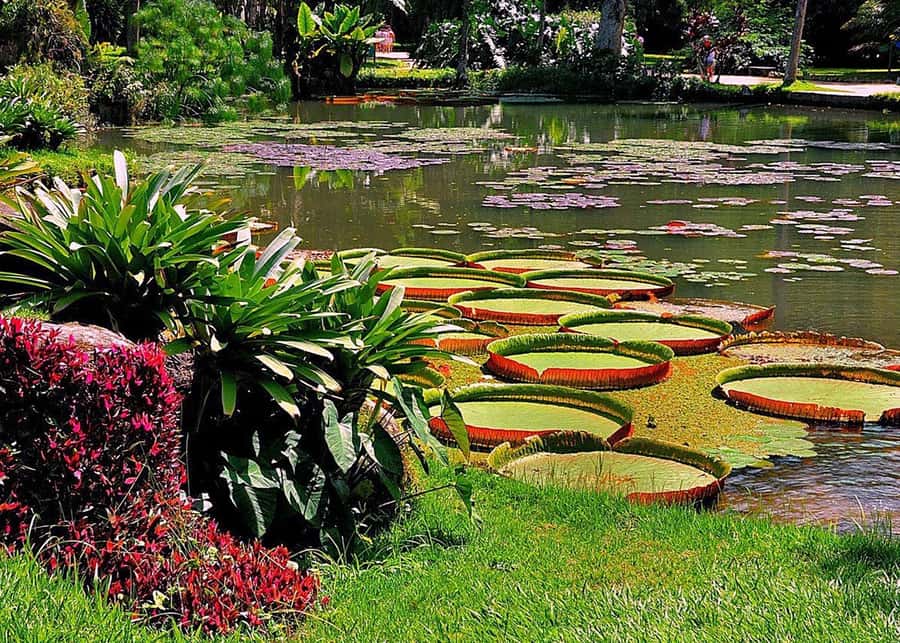
- The 1808 Botanical Garden: See more than 7,000 plant species, including orchids, bromeliads, palms, fountains, lakes, and a Japanese Garden.
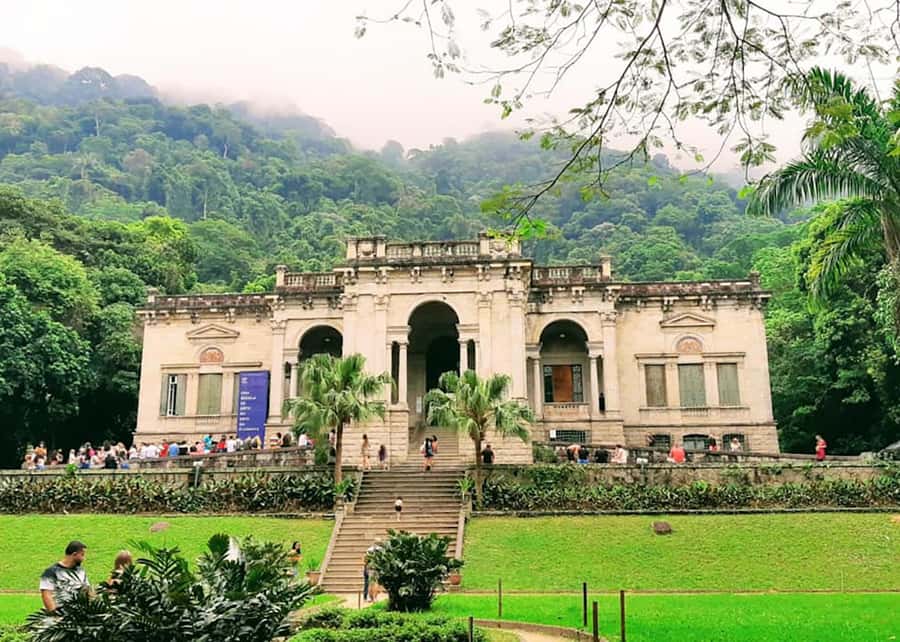
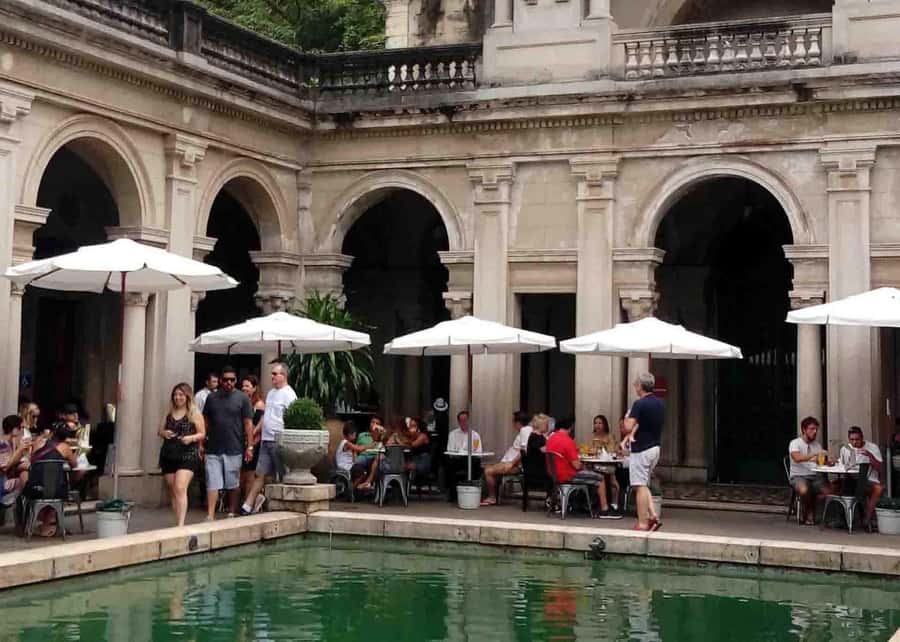
- Parque Lage’s famous courtyard: The historic mansion, central pool, and Christ the Redeemer view make this a strong stop for photographs and art lovers.
- Transfers from key beach areas: Pickup and drop-off are available in Leblon, Ipanema, and Copacabana, with meeting points in Botafogo, Flamengo, and Lapa.
- Weather can change the plan: Access to some areas may be limited, and Parque Lage may be replaced by Tijuca Forest during renovations or closure.
- Best for walkers: Comfortable clothing, sunscreen, water, and insect repellent are useful. The tour is not suitable for wheelchair users.
Why These Two Rio Sites Work So Well Together
This tour makes sense because the two parks offer different kinds of nature. The Botanical Garden is ordered and educational, with broad paths, formal plantings, water features, and named garden areas. Parque Lage feels more irregular, shifting from cultivated grounds to forest trails and old stone features.
I like this contrast. At the first stop, you can focus on Brazil’s plant diversity and the work of protecting it. At the second, you get a stronger sense of Rio’s cultural side, with art, architecture, and a historic setting folded into the greenery.
Both sites sit below Corcovado Mountain, so you get a natural break from Rio’s traffic and dense streets. This is not a strenuous wilderness outing, but you should expect time on foot, uneven outdoor paths, and warm conditions depending on the weather.
The guide matters here. English, Portuguese, and Spanish tours are available, and the guide helps connect the plants, buildings, and conservation work to the city around you. Without that context, you could still enjoy the scenery, but you would miss much of the meaning behind these places.
more Rio de Janeiro days to choose between
- Rio de Janeiro: Rocinha Favela Walking Tour with Local Guide
★ 4.8 · 3,052 reviews - Rio de Janeiro: Guided Jeep Tour through Tijuca Rainforest
★ 4.3 · 740 reviews - Jeep Adventure: Guided Tour through Tijuca Rain Forest
★ 4.0 · 554 reviews
Starting with the Botanical Garden’s Royal Palms
The Botanical Garden dates to 1808 and contains more than 7,000 plant species. That number is easy to skim past, but it explains why this is more than a pleasant public garden. You are entering a major collection of Brazilian and tropical plant life, presented across shaded paths and formal sections.
The Avenue of Royal Palms is the visual centerpiece. Tall imperial palms line the route and create the sort of grand entrance that makes even a short walk feel ceremonial. Your guide can place this famous avenue within the garden’s wider plant collection, rather than treating it as just a quick picture stop.
You can expect to see orchids, bromeliads, and tall palms, along with other tropical species. The tour description does not promise a fixed list of every plant or a particular blooming season, so the exact display will depend on conditions during your visit.
I would bring water and sunscreen even though parts of the garden are shaded. Rio’s heat can make a gentle walk feel longer, and insect repellent is specifically recommended for the outdoor setting.
Lakes, Fountains, and the Japanese Garden
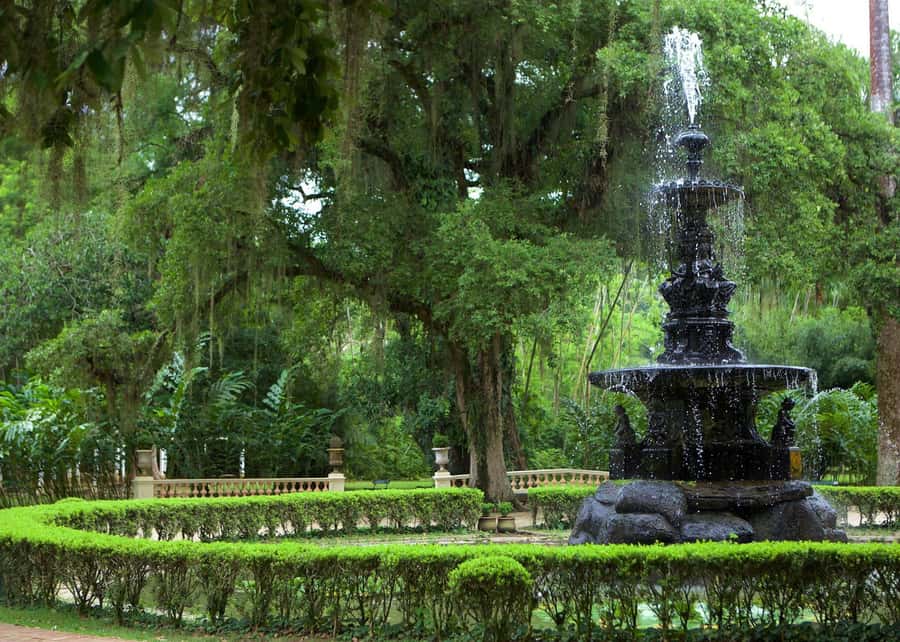
The garden’s ponds and fountains provide quieter pauses between the larger plant displays. I like these spots because they break up the walking and give you somewhere to slow down, take photographs, or simply sit with the sound and shade.
The Japanese Garden offers a different mood. Its ponds, bridges, and lanterns create a more restrained setting than the tropical plantings around it. You are still in the Botanical Garden, but the design asks you to pay closer attention to balance, water, and open space.
A guided visit is useful here because the garden is not only about visual beauty. You will hear about Brazil’s flora and conservation efforts, which gives the stop a clear purpose. The experience connects a pleasant morning walk with the larger question of how Brazil protects its plant diversity.
Smoking and touching the plants are prohibited. That may sound obvious, but it matters in a botanical collection where fragile specimens and conservation work share the same public paths.
Moving from Formal Gardens to Parque Lage
After the Botanical Garden, the tour continues to Parque Lage. Round-trip transportation is included, so you do not need to arrange a taxi between the two sites. That is a real convenience in Rio, especially when you are trying to fit both locations into a five-hour schedule.
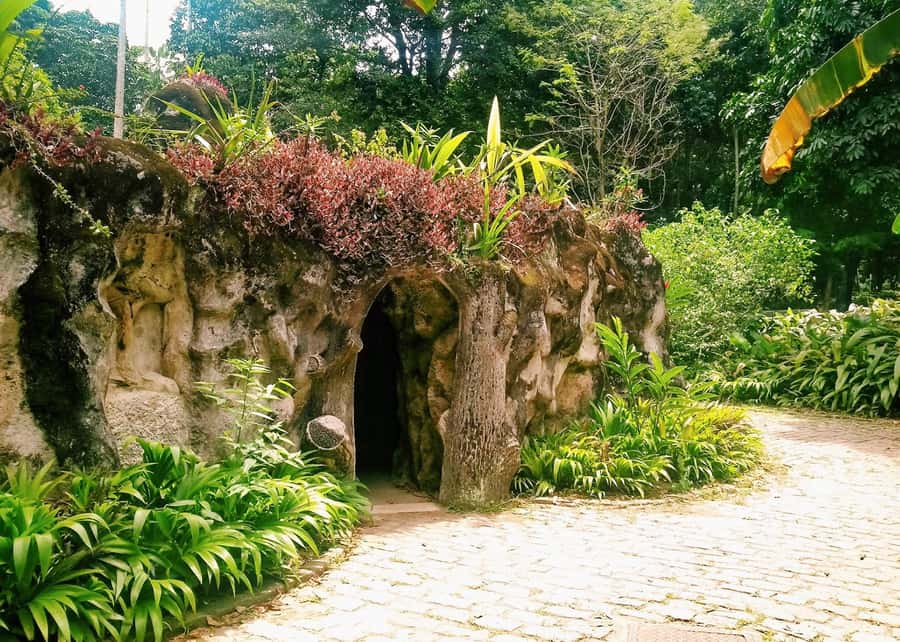
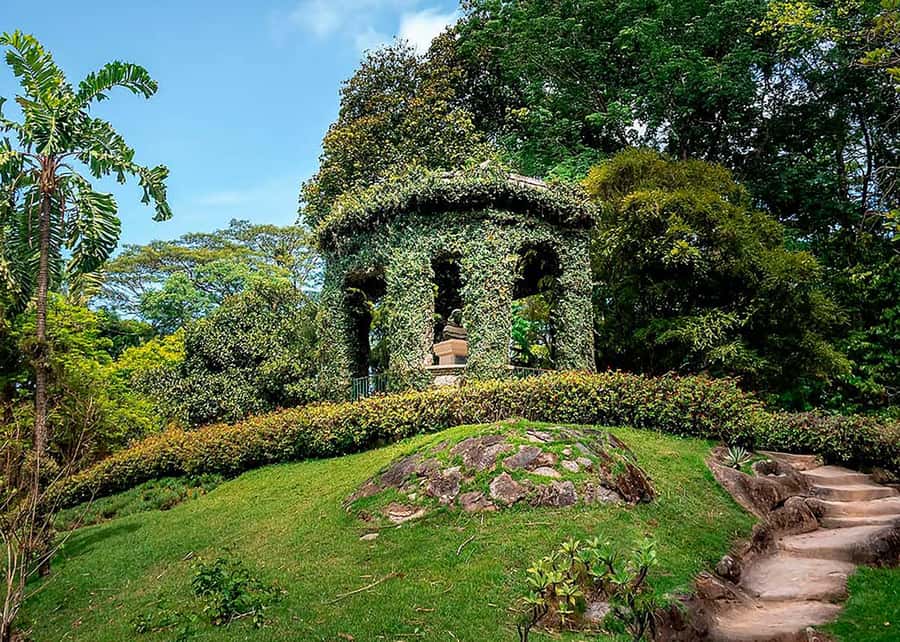
Parque Lage changes the tone. Its English-style gardens, artificial grottos, and forest trails create a more exploratory visit than the Botanical Garden’s formal avenues. You might find yourself moving between open garden areas and denser woodland, with old structures adding texture to the walk.
The park combines cultivated grounds with untamed forest. That mix gives it a less polished feel, though it also means the footing and access can vary. I would choose sturdy, comfortable shoes rather than anything meant only for city sightseeing.
The exact order of the two attractions can change with the weather. That is not a major problem, since both stops are included, but it is worth knowing if you are picturing a precise sequence for photographs or lunch plans.
A different side of Rio de Janeiro altogether:
- Rio de Janeiro: 6-Stop Highlights of Rio with Lunch
★ 4.4 · 5,157 reviews - Christ the Redeemer Entry Ticket by Corcovado Train
★ 4.4 · 4,476 reviews - Rio: Christ the Redeemer, Sugarloaf, Selaron & BBQ Lunch
★ 4.5 · 2,428 reviews - Rio De Janeiro: Half-Day Rocinha Favela Walking Tour
★ 4.7 · 2,272 reviews
The Mansion, Pool, and Corcovado View
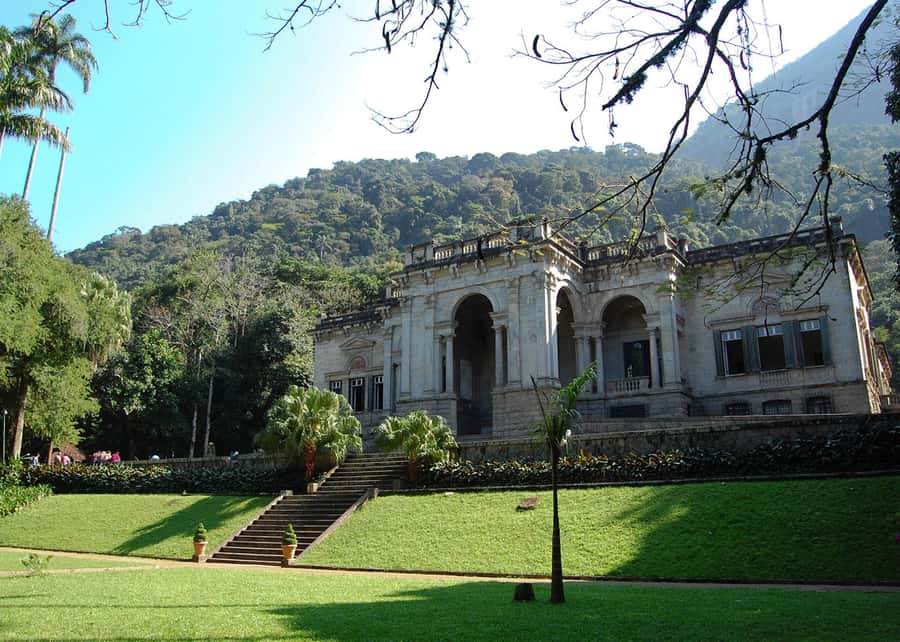
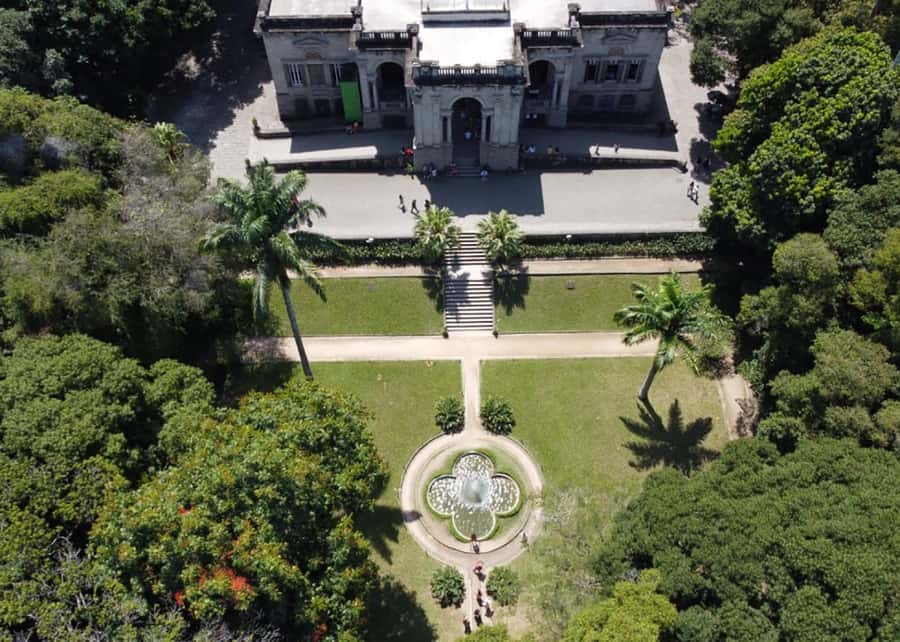
The centerpiece of Parque Lage is its stately mansion, now home to the School of Visual Arts. The building adds an artistic and historical layer to the tour, especially after the plant-focused visit to the Botanical Garden.
Inside the grounds, the central courtyard and clear pool create one of Rio’s most recognizable settings. The view toward Christ the Redeemer gives the courtyard its strongest visual moment. It is the kind of place where you will want to pause rather than hurry through with the group.
The mansion is also valuable because it shows how Rio’s cultural life fits into its natural surroundings. You are not visiting a museum in isolation. You are seeing art, architecture, forest, and mountain views share one location.
Parque Lage is especially appealing if you enjoy photography, but the stop is not only for photographers. The courtyard gives you a strong sense of place, while the nearby trails offer a quieter way to experience the park.
How Much Walking Should You Expect?
The tour lasts five hours, including transport and guided visits. The supplied details do not give an exact walking distance or a group size, so you should not expect a precise pace or route until the day itself.
You will walk through garden paths, outdoor areas, and forest trails. Comfortable clothing is recommended, along with water, sunscreen, and insect repellent. I would also carry your passport or ID card, which is listed among the items to bring.
This is not suitable for wheelchair users. The combination of outdoor paths, forest sections, and possible uneven access makes that restriction important to consider before booking.
For most visitors, the challenge is likely heat rather than intense exertion. Still, the tour is not a sit-down sightseeing outing. If you want to see both parks properly, plan on spending much of the five hours moving between paths, courtyards, and garden areas.
Transfers from Copacabana, Ipanema, and Leblon
Pickup and drop-off are available from Copacabana, Ipanema, and Leblon. These areas are useful starting points for people staying near Rio’s famous beaches, and having transport included simplifies the morning.
There are also meeting points for Botafogo, Flamengo, and Lapa:
- Botafogo Praia Shopping, Praia de Botafogo, 400
- Uliving Rio Hotel, Praia do Flamengo, 20
- Selina Lapa Rio de Janeiro, Rua Visconde de Maranguape, 9
The guide arrives at the site and calls you by name. If you do not provide a pickup address, the default meeting point is Socialtel Lapa at Rua Visconde de Maranguape, 9.
During high season, pickup may be changed to a meeting point near your hotel. This is intended to reduce delays caused by traffic, but it means you should read the final meeting instructions carefully rather than assume a door-to-door pickup.
The transfer is one of the stronger practical features of the tour. You pay $107 per person, and part of that cost covers admission to both attractions, a specialized guide, and round-trip transport. If you would otherwise need two entrance fees and separate rides, the price becomes easier to justify.
Is $107 a Fair Price?

At $107, this is not a bargain walking tour. The value depends on how much you want help with transport, entry, and interpretation.
I see three clear advantages. You visit two important Rio sites in one outing, entrance fees are included, and you have a guide in English, Portuguese, or Spanish. Hotel transfers from the main beach districts also remove some planning and traffic stress.
The price is less attractive if you prefer to explore slowly on your own or already have easy transport arranged. You may also want more time at one site than this half-day format allows. A private or self-guided visit could give you more control, though the provided information does not specify whether this tour is private or how large the group will be.
For a first visit to Rio, I think the package works best as a structured introduction to the city’s plant life and cultural spaces. It is especially useful when you want a guide to explain what you are seeing and do not want to spend part of the day working out tickets and transfers.
Weather, Renovations, and the Backup Plan
Weather is the main variable. The order of the attractions may change, and access to some areas may be limited. A recent booking reported that bad weather prevented entry to certain sections, so you should not treat every path or viewpoint as guaranteed.
Parque Lage is also undergoing renovations. If it is closed on your chosen date, the tour may switch to Tijuca Forest. That gives you another forest experience, but it will not provide the mansion, central courtyard, pool, or School of Visual Arts setting.
I would avoid scheduling a nonrefundable dinner, timed attraction, or important evening connection immediately after the tour. The planned duration is five hours, but weather and Rio traffic can affect the day.
You can cancel up to 24 hours in advance for a full refund, and the reserve-now, pay-later option gives you some flexibility. Those terms are useful when your Rio schedule is still shifting.
Who Will Like This Half-Day Tour?
I would recommend it to you if you enjoy plants, photography, architecture, or quiet outdoor places. It also suits first-time visitors who want to see a side of Rio beyond beaches and major viewpoints.
The tour is a good fit for anyone who wants cultural context without spending a full day in museums. The Botanical Garden explains Brazil’s flora, while Parque Lage adds art, architecture, and one of the city’s best-known courtyard views.
It may be less suitable if you want a strenuous hike, a long independent visit, or guaranteed access to every part of Parque Lage. The park’s renovation status and weather rules make the experience somewhat changeable.
Families and older visitors should judge the walking conditions for themselves, since the available information does not provide an exact accessibility rating beyond stating that the activity is not suitable for wheelchair users. Comfortable shoes and a sensible pace will help.
Should You Book the Botanical Garden and Parque Lage Tour?
Book it if you want an easy, guided way to combine two of Rio’s most attractive green spaces. The strongest reasons are the 1808 garden, the Avenue of Royal Palms, the Japanese Garden, Parque Lage’s central courtyard, and transport from major beach neighborhoods.
I would skip it if your priority is complete independence or a guaranteed visit to every Parque Lage feature. The weather and renovation warnings are real, and the $107 price makes most sense when you value admission, transport, and a multilingual guide together.
For many visitors, this is a smart half-day break from city traffic. Just bring water, sunscreen, insect repellent, identification, and enough flexibility to accept a changed route if conditions require it.
FAQ
How long does the tour last?
The tour lasts five hours, including the guided visits to the Botanical Garden and Parque Lage and round-trip transfer.
Which languages are available?
The live guide is available in English, Portuguese, and Spanish.
Is hotel pickup included?
Pickup and drop-off are included for locations in Leblon, Ipanema, and Copacabana. Meeting points are available in Botafogo, Flamengo, and Lapa.
What happens if Parque Lage is closed?
If Parque Lage is closed because of renovations, the tour may be changed to Tijuca Forest. The order of the attractions may also change because of weather.
What should I bring?
Bring your passport or ID card. Comfortable clothing, sunscreen, water, and insect repellent are recommended.
Can wheelchair users join the tour?
No. The activity is not suitable for wheelchair users.
New in Rio de Janeiro this month
- Discover Rocinha: Guided Tour of the Famous Favela★ 4.5 · 3 reviews
- Rio de Janeiro: Hang gliding adventure★ 3.7 · 3 reviews
- Rio de Janeiro: Pedra Bonita & Tijuca Forest Hike Tour★ 5.0 · 3 reviews
- Rio de Janeiro: Hang Gliding or Paragliding Flight★ 5.0 · 3 reviews
- Rio de Janeiro: Local Experience in Forró dance★ 5.0 · 3 reviews
- Rio de Janeiro: Doors-off 30-min helicopter tour★ 5.0 · 3 reviews
- Rio de Janeiro: Pedra do Telégrafo; Grumari/ Prainha Beaches★ 5.0 · 3 reviews
- Rio de Janeiro: Sugar Loaf with Lunch and Helicopter Flight★ 4.7 · 3 reviews
Rio de Janeiro Tours, compared.

Rio de Janeiro: 6-Stop Highlights of Rio with Lunch
Read our review →
Christ the Redeemer Entry Ticket by Corcovado Train
Read our review →
Rio de Janeiro: Rocinha Favela Walking Tour with Local Guide
Read our review →
Rio: Christ the Redeemer, Sugarloaf, Selaron & BBQ Lunch
Read our review →
Rio De Janeiro: Half-Day Rocinha Favela Walking Tour
Read our review →
Rio de Janeiro: Angra dos Reis and Ilha Grande Full-Day Tour
Read our review →
Rio de Janeiro: Beginner Samba Lesson in Ipanema
Read our review →