
Our review · RIO DE JANEIRO TOURS
Pantanal of Rio de Janeiro
Rio’s urban wetlands offer a surprising change of pace from Copacabana and Ipanema. In about three hours, you travel by boat among the islands near Barra da Tijuca, watching for caimans, capybaras, and other animals with Pedra da Gávea rising behind the waterways.
I like the wildlife sightings and the chance to visit Gigóia Island, where you can see a quieter side of Rio and stop for food after the tour. I also like the guide service, especially when Ione leads in clear Spanish or English and adds useful context about Brazilian culture and local life.
The main catch is cost clarity: the advertised price does not include the boat. You pay the captain R$60 in cash, or 5 percent more by card. One afternoon is also enough for the island and waterways, so this suits you best if you want an unusual half-day outing rather than a major full-day nature expedition.
Key points to know before you go
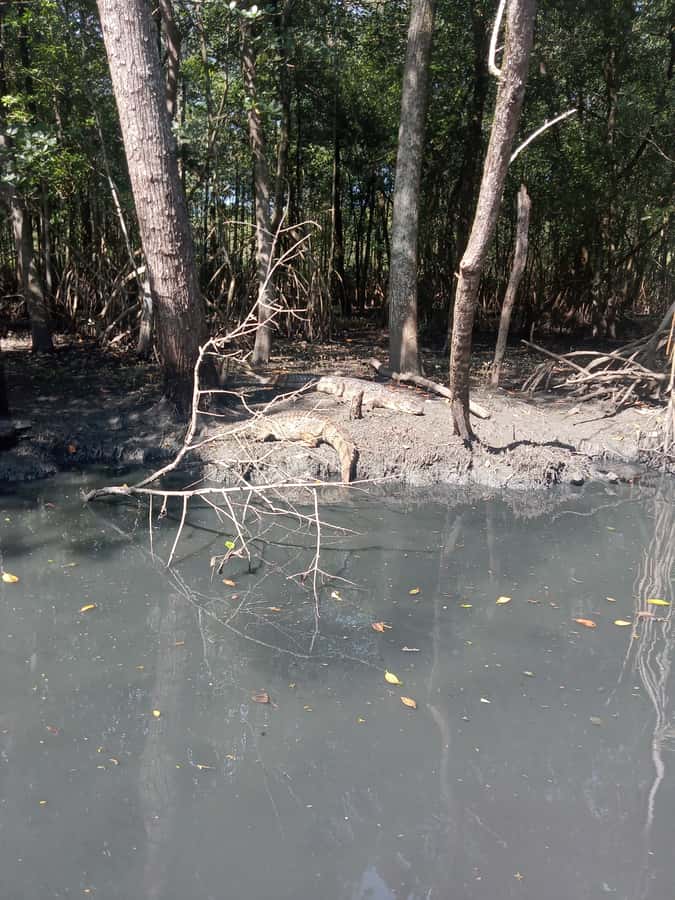
- Wildlife by boat: Look for caimans, capybaras, and other animals in the waterways and mangrove areas.
- Gigóia Island visit: Walk around Rio’s largest island in this archipelago and consider staying for a meal afterward.
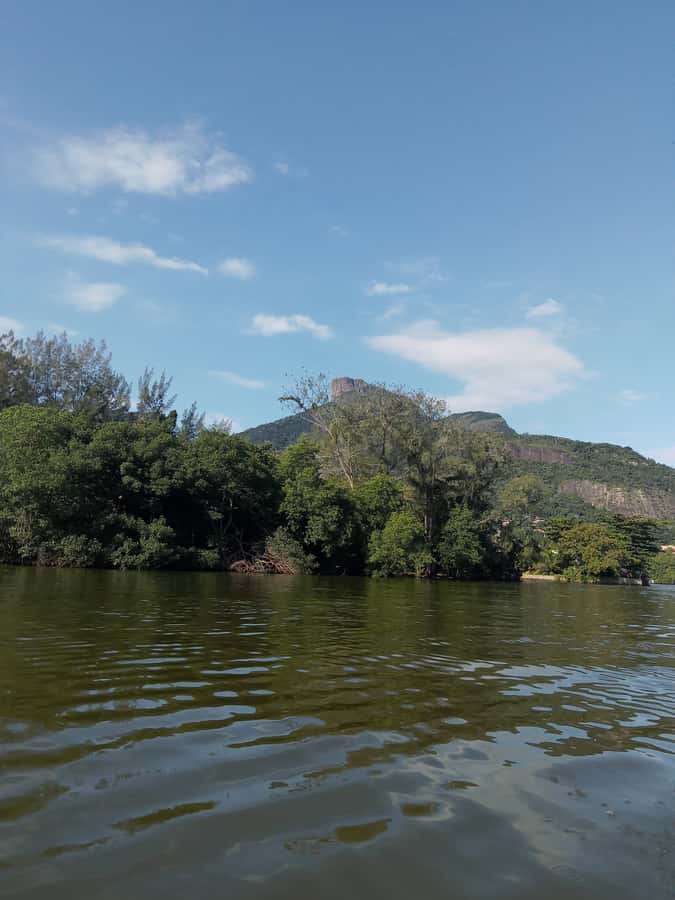
- Pedra da Gávea views: The famous rock formations give the wetland setting a distinctly Rio backdrop.
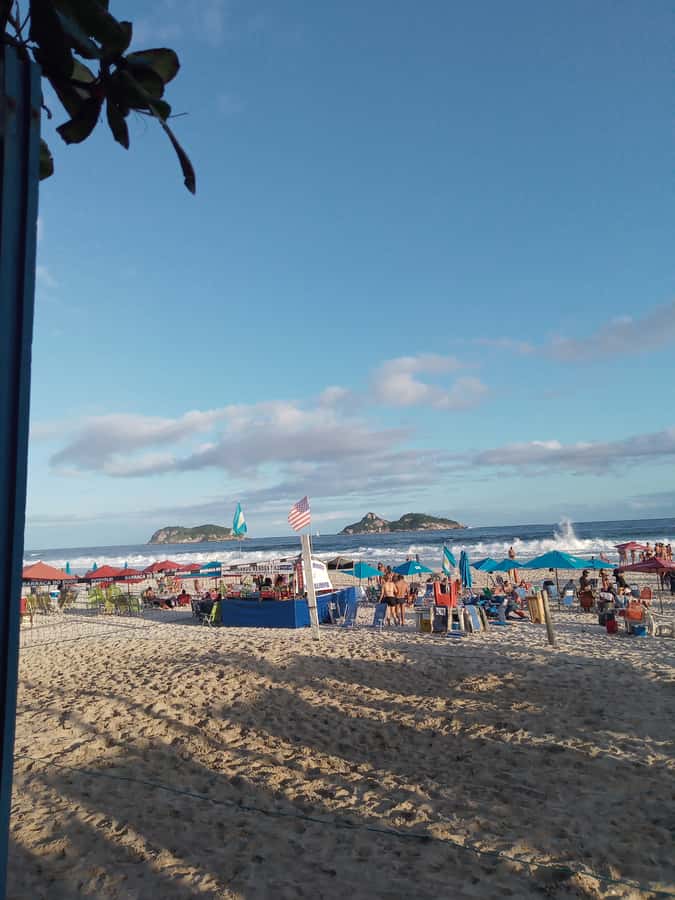
- Optional Barra da Tijuca beach stop: Add beach time if the timing and group plans allow.
- Three languages available: Guides operate in English, Portuguese, and Spanish, with Ione specifically praised for her Spanish and English.
- Extra boat charge: The tour price is $32 per person, but the captain’s R$60 boat fee is separate.
Rio’s Pantanal is a wetland escape inside the city

The name may sound like a remote wilderness trip, but this experience takes place in Rio de Janeiro City, near Barra da Tijuca. You meet at Jardim Oceânico subway station, exit A, then make your way toward the waterways and islands of the area.
That location matters. You do not need to spend a full day reaching a distant nature reserve. Instead, you can combine this outing with other plans in western Rio, or use it as a break from the city’s famous beaches and hills.
The setting brings together several things that make Rio special: water, mangroves, wildlife, island communities, and huge rock formations. The view toward Pedra da Gávea gives the boat ride a strong sense of place. You are not looking at nature in isolation. You are seeing it alongside one of the city’s most recognizable mountains.
I would choose this tour if I wanted to understand Rio beyond its postcard center. It shows that the city is not only beaches, samba, and viewpoints. Its waterways support a different kind of daily life, with small islands and boat transport close to modern urban neighborhoods.
Other Rio de Janeiro days that go well with this one:
- Rio de Janeiro: 6-Stop Highlights of Rio with Lunch
★ 4.4 · 5,157 reviews - Christ the Redeemer Entry Ticket by Corcovado Train
★ 4.4 · 4,476 reviews - Rio de Janeiro: Rocinha Favela Walking Tour with Local Guide
★ 4.8 · 3,052 reviews
Meeting at Jardim Oceânico and getting oriented
The meeting point is in front of Jardim Oceânico subway station, at exit A. That is a useful landmark, but I would still arrive with a little extra time. The experience depends on finding the guide before the group heads toward the water, and one reported problem involved the activity appearing to have started before the guide arrived.
That sort of timing issue can cause needless worry, particularly if you are standing outside a busy station and wondering if you have missed the group. Keep your phone available for messages and confirm the guide’s instructions before leaving the station area.
The guide service is one of the tour’s strongest features. The experience is offered in English, Portuguese, and Spanish, and Ione has been specifically praised for speaking excellent English and very good Spanish. She also handles questions about Brazil’s culture, history, and current affairs, so the walk and boat ride can become more than a wildlife checklist.
I like tours where the guide helps you read the setting. A caiman or capybara is fun to spot, but the outing becomes more worthwhile when you also understand how the islands fit into Rio’s daily life.
Cruising among the islands and mangroves
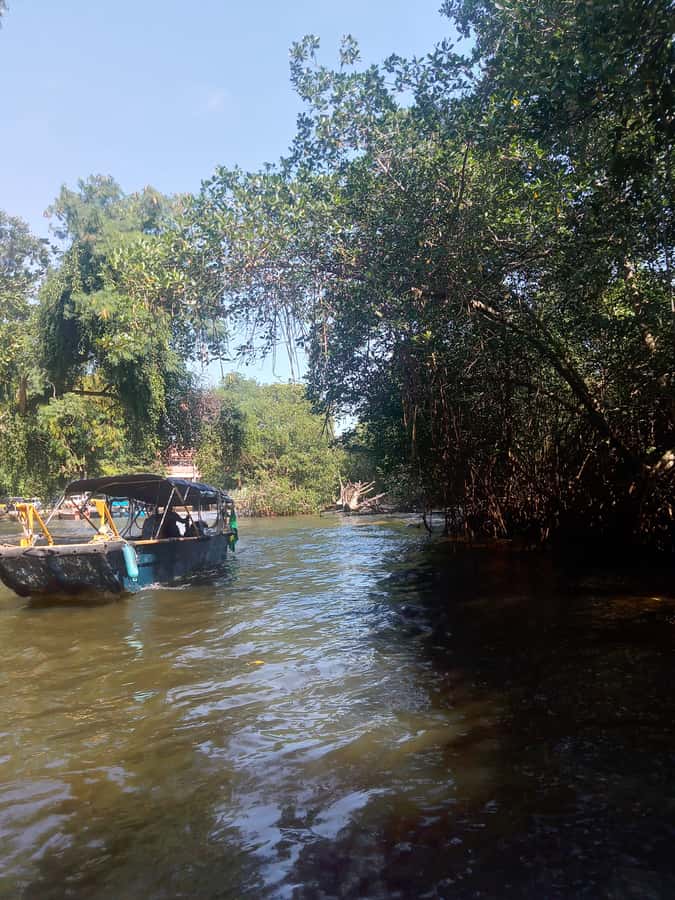
The central part of the experience is a boat trip through the archipelago. Gigóia Island is the largest island in the group, and it is the main land-based stop.
From the water, you look for caimans and capybaras along the banks and among the vegetation. Sightings are naturally dependent on the animals, weather, and timing, so you should not treat this as a guaranteed wildlife show. Still, the chance to see these animals so close to a major city is the reason to book.
The waterways also give you a different view of Rio’s geography. Mangroves line parts of the route, while Pedra da Gávea and other large rock formations provide a dramatic backdrop. You get a mix of river, island, and mountain scenery in a compact outing.
The ride itself is not a long expedition. The tour lasts three hours, which keeps the plan manageable but also limits how much territory you can cover. If you want an intense wildlife trip with hours in the field, this is not that. If you want a relaxed boat ride with a reasonable chance of animal sightings, it is better suited.
Bring patience and pay attention to the banks. Wildlife can be easy to miss when you are focused only on the scenery. I would also keep expectations sensible: the animals are part of the setting, not trained performers.
What makes Gigóia Island worth the stop
Gigóia Island adds a human side to the tour. You are not simply circling wetlands and returning to the subway. You also get a look at island life within the Rio metropolitan area.
The island is described as the largest in the archipelago, and the walk gives you time to see its local character. This is where the experience feels most different from a standard city sightseeing route. You can slow down, listen to the guide, and notice how a place surrounded by water functions next to one of Brazil’s biggest cities.
You may also want to plan for food after the boat portion. Several restaurants are available on the island, and Ione has recommended a restaurant with a particularly good view. That turns the outing into a more flexible half-day plan rather than a tightly packed excursion.
One practical detail matters for your return. If you eat on the island, you may need a water taxi back toward the subway area. One reported fare was R$6 extra. This is not a large amount, but it is worth carrying some Brazilian currency so a small return transfer does not become a nuisance.
I would not rush off the island the moment the guided portion ends. If you have time and the restaurant schedule works, a meal with a view can be one of the more pleasant parts of the day. On the other hand, if you have a fixed afternoon reservation elsewhere, ask the guide how much time remains before you commit to lunch.
A different side of Rio de Janeiro altogether:
- Rio: Christ the Redeemer, Sugarloaf, Selaron & BBQ Lunch
★ 4.5 · 2,428 reviews - Rio De Janeiro: Half-Day Rocinha Favela Walking Tour
★ 4.7 · 2,272 reviews - Rio de Janeiro: Angra dos Reis and Ilha Grande Full-Day Tour
★ 4.6 · 1,673 reviews - Rio de Janeiro: Beginner Samba Lesson in Ipanema
★ 4.9 · 1,071 reviews
The optional Barra da Tijuca beach stop
Barra da Tijuca beach is listed as an optional part of the experience. That gives you some flexibility, but it also means you should not assume a long, guaranteed beach visit is built into every departure.
The beach adds another layer to the area. After seeing waterways and mangroves, you can connect the wetland setting with Rio’s broad coastal spaces. For some people, that contrast is a highlight. For others, the wildlife and island are the main event, and the beach is easy to skip.
I would treat Barra da Tijuca as a bonus rather than the reason to reserve the tour. If the beach is especially important to you, check the day’s timing with the guide. The boat ride, island visit, and wildlife viewing already fill the three-hour schedule, so the optional stop may depend on the group and the route.
This is also a useful choice for repeat visitors to Rio. If you have already seen the central beaches, Barra offers a different part of the city. If this is your first visit and you have limited time, compare it with Rio’s classic sights before booking.
The price and the separate boat fee
The advertised price is $32 per person, which covers the guided experience, but the boat payment is separate. You pay the captain R$60 directly. Cash is preferred, while card payment costs 5 percent more.
This is the most important budget point. At first glance, $32 may look like the complete price. It is not. Add the boat fee when comparing this tour with other Rio activities, and carry enough Brazilian currency for the captain and any food or water taxi afterward.
Is it good value? For you, probably yes if you care about an unusual setting, wildlife, and a guide who can talk about Brazilian culture as well as the route. The outing offers several elements in one package: boat transport through the islands, a Gigóia Island visit, a guide in three languages, and views of Pedra da Gávea.
The value is weaker if you only want a quick animal sighting. One person felt the tour was too expensive for the caimans, capybaras, and island glimpse, with little else worth the time. That is a fair warning. The experience works best when you value the whole setting, not just the animals.
The separate fee also makes group size and boat arrangements worth confirming before departure. The supplied details do not state the group size or boat capacity, so I would ask the provider if a private or small-group feel matters to you.
How the guide shapes the experience
A good guide can make this outing much more useful. Ione has been praised for explaining the area without rushing the group, and for speaking clearly in Spanish and English. She has also handled detailed conversations about Brazil’s culture, history, and development.
That is important here because the scenery does not explain itself. You may see an island, a mangrove, or a mountain, but a guide can connect those sights to local life and the wider city.
The guide also helps with practical choices. For example, Ione recommended a restaurant with a good view on Gigóia Island and explained the water taxi option back to the metro. Those small details can save time and make the outing feel less like a fixed route.
Communication before the meeting is one area to watch. A late guide caused concern for at least one booking, especially because the activity status suggested the tour had already begun. If you arrive and do not immediately see the guide, contact the provider rather than assuming you are in the wrong place.
Who should book this three-hour outing
I would recommend this tour to you if you fit one or more of these descriptions:
- You want a less familiar side of Rio beyond the central beaches and major viewpoints.
- You enjoy watching animals in a natural setting and can accept that sightings are not guaranteed.
- You like tours that combine scenery with local culture.
- You are staying near Barra da Tijuca or can easily reach Jardim Oceânico.
- You speak English, Portuguese, or Spanish and want a guide who can explain more than the basic route.
- You have about three hours and want a manageable activity rather than a full-day trip.
Families may enjoy the caimans and capybaras, but the supplied details do not state age limits, boat safety equipment, or accessibility arrangements. If those points affect your plans, ask the provider before booking.
I would be more cautious if your priority is a large, untouched nature reserve. This is an urban wetland experience, with islands and city connections. It gives you an unusual view of Rio, but it is not a substitute for a dedicated wildlife trip outside the city.
Practical planning for the day
Start by meeting at Jardim Oceânico subway station, exit A. Confirm the guide’s name and language, especially if you booked English or Spanish service.
Carry R$60 in cash for the boat. Add extra Brazilian reais for snacks, a meal on Gigóia Island, and the possible R$6 water taxi fare mentioned for the return to the metro. If you prefer to pay by card, remember that the boat operator adds 5 percent.
Wear clothes suitable for a warm outdoor boat ride, though the available information does not specify equipment or weather provisions. Bring a way to protect your phone, since the trip takes place on the water, and keep your camera ready for the banks and island views.
Do not fill the rest of your day with a tight schedule. The tour lasts three hours, but the optional beach stop, island meal, or a delayed start could affect your timing. You can cancel up to 24 hours in advance for a full refund, and you can reserve now and pay later, which helps if your Rio plans are still shifting.
Should you book the Rio Pantanal tour?
Book it if you want an accessible, offbeat look at Rio’s waterways, with caimans, capybaras, mangroves, Gigóia Island, and Pedra da Gávea in one outing. The guide service is a real advantage, particularly if Ione leads and you want thoughtful conversation in English or Spanish.
Skip it if you are judging the experience only by the number of animals seen, or if the extra R$60 boat payment makes the total poor value for your budget. The itinerary is compact, and one part of it may feel skippable if your main goal is wildlife.
For the right traveler, this is a pleasant change from Rio’s usual circuit. Just budget for the boat separately, confirm meeting details, and allow the island enough time to show you more than its shoreline.
FAQ
Where does the tour meet?
The meeting point is in front of Jardim Oceânico subway station, at exit A.
How long does the tour last?
The activity lasts three hours. Starting times depend on availability.
What animals might I see?
The tour is designed to look for caimans, capybaras, and other animals in the waterways and mangrove areas.
Is the boat included in the $32 price?
No. The boat fee is paid separately and costs R$60 directly to the captain.
Can I pay the boat fee by card?
Yes. Card payments are accepted, but a 5 percent surcharge applies. Cash payment is R$60.
Which languages are available?
The live guide service is available in English, Portuguese, and Spanish.
Is Gigóia Island part of the tour?
Yes. The route includes a visit to Gigóia Island, the largest island in the archipelago described for this experience.
Is Barra da Tijuca beach included?
A visit to Barra da Tijuca beach is optional.
Can I cancel the booking?
Yes. You can cancel up to 24 hours in advance for a full refund. You can also reserve now and pay later.
New in Rio de Janeiro this month
- Discover Rocinha: Guided Tour of the Famous Favela★ 4.5 · 3 reviews
- Rio de Janeiro: Hang gliding adventure★ 3.7 · 3 reviews
- Rio de Janeiro: Pedra Bonita & Tijuca Forest Hike Tour★ 5.0 · 3 reviews
- Rio de Janeiro: Hang Gliding or Paragliding Flight★ 5.0 · 3 reviews
- Rio de Janeiro: Local Experience in Forró dance★ 5.0 · 3 reviews
- Rio de Janeiro: Doors-off 30-min helicopter tour★ 5.0 · 3 reviews
- Rio de Janeiro: Pedra do Telégrafo; Grumari/ Prainha Beaches★ 5.0 · 3 reviews
- Rio de Janeiro: Sugar Loaf with Lunch and Helicopter Flight★ 4.7 · 3 reviews
Rio de Janeiro Tours, compared.

Rio de Janeiro: 6-Stop Highlights of Rio with Lunch
Read our review →
Christ the Redeemer Entry Ticket by Corcovado Train
Read our review →
Rio de Janeiro: Rocinha Favela Walking Tour with Local Guide
Read our review →
Rio: Christ the Redeemer, Sugarloaf, Selaron & BBQ Lunch
Read our review →
Rio De Janeiro: Half-Day Rocinha Favela Walking Tour
Read our review →
Rio de Janeiro: Angra dos Reis and Ilha Grande Full-Day Tour
Read our review →
Rio de Janeiro: Beginner Samba Lesson in Ipanema
Read our review →