
Our review · RIO DE JANEIRO TOURS
Rio: Tijuca National Park Small-Group Hike to Pedra Bonita
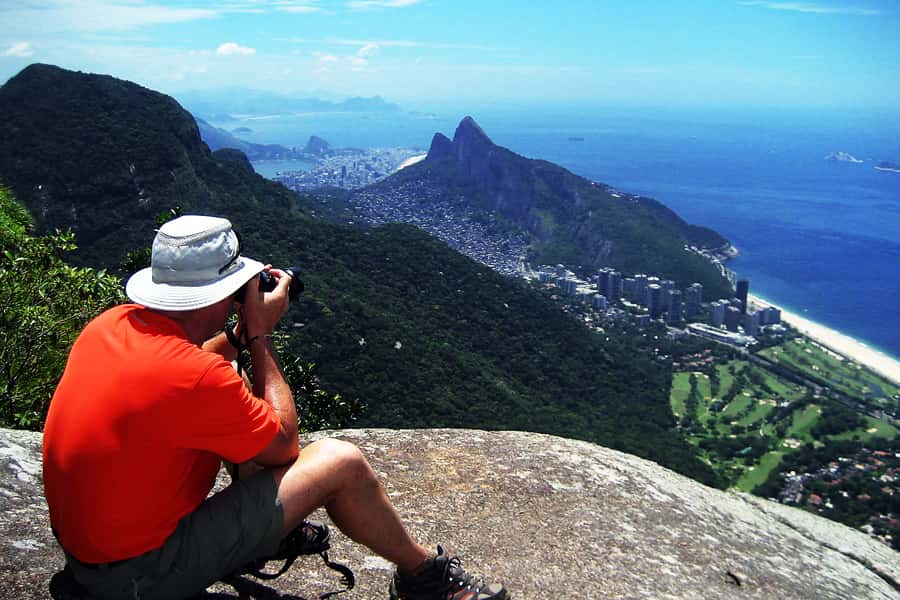
Rio’s Pedra Bonita hike gives you something many city tours cannot: rainforest, mountain history, and a grand view of Rio in one half-day. The trail reaches a bare rock summit at 696 meters, with a memorable angle toward the huge Pedra da Gavea monolith and the coast beyond.
I like the small maximum-six group, which leaves room for questions and a slower look at plants and wildlife. I also like the guide’s focus on Tijuca’s coffee-farm past and 19th-century reforestation, rather than treating the forest as mere scenery. The main caution is simple: easy does not mean flat or effortless. You need to handle rough ground, uphill sections, and about two hours of walking.
Key points to know before booking
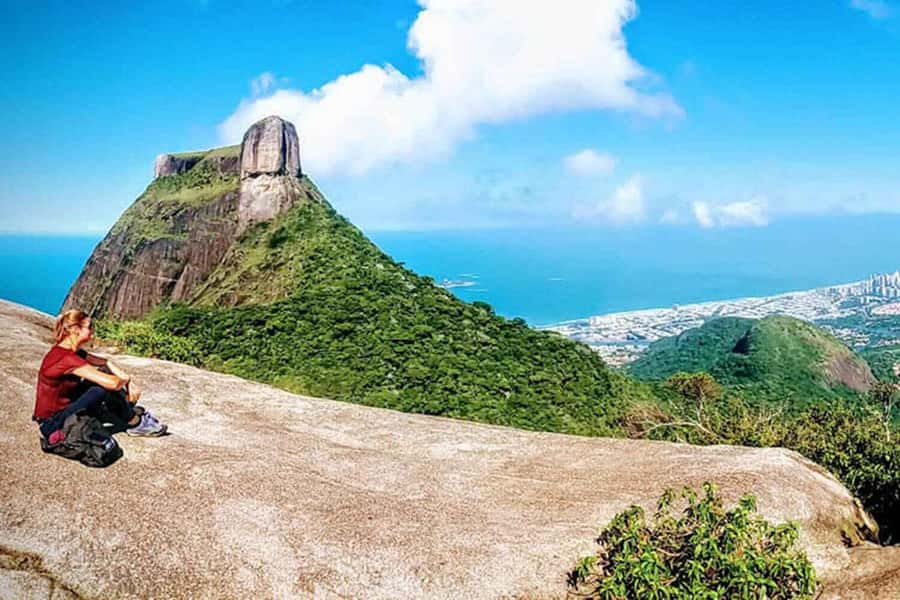
- Pedra Bonita reaches 696 meters: The summit offers a broad view of Rio and a striking look across to Pedra da Gavea.
- The hike covers 3.5 kilometers: Expect about two hours on uneven rainforest ground, with 203 meters of elevation gain.
- A group of up to six feels personal: You can ask about Brazilian plants, animals, coffee farming, and forest restoration without shouting across a crowd.
- Tijuca has a human story: The forest was replanted in the 19th century after coffee cultivation damaged the area.
- Vista Chinesa adds a second viewpoint: The short stop gives you another chance for photos before returning to the city.
- Hotel pickup covers Rio’s South Zone: Transport is included from many hotels in Ipanema, Copacabana, Botafogo, Flamengo, Leme, Leblon, and nearby areas.
Why Pedra Bonita is a smart Rio hike
Rio has no shortage of famous viewpoints, but Pedra Bonita offers a useful mix of effort and payoff. You get a real walk through Atlantic Rainforest, then reach an open summit where the trees give way to rock and sky.
The view is especially appealing because Pedra Bonita faces Pedra da Gavea. That enormous monolith rises to about 844 meters and runs down toward the ocean. From Pedra Bonita, you see it from a more dramatic angle than from many city viewpoints, with Rio’s mountains and coastline spreading around it.
The hike itself is described as easy, but I would call it easy to moderate for most people. The distance is not long, yet the route goes uphill and downhill over rough rainforest terrain. A 203-meter gain is manageable for anyone who regularly walks, but it can feel demanding in heat, humidity, or wet weather.
This is not the right outing if you want to step from a vehicle onto a viewpoint. It suits you if you want a short physical challenge and enough explanation to understand what you are seeing.
More Hiking Tours in Rio de Janeiro
- Rio: Tijuca Forest Small Group Hike to Caves and Waterfalls
★ 4.9 · 536 reviews - Pedra do Telégrafo Hike and Beach Full-Day Tour
★ 4.5 · 417 reviews - Rio de Janeiro: Pedra da Gávea 7-Hour Hike
★ 4.7 · 183 reviews
From South Zone hotels to Tijuca National Park
The day begins with pickup from a long list of hotels and hostels in Rio’s South Zone. The covered areas include much of Ipanema, Copacabana, Leme, Leblon, Botafogo, Flamengo, and Santa Teresa.
That transport matters in Rio. You do not need to arrange your own route into the Tijuca Mountains, and you avoid the hassle of finding the trail area on your own. The drive also shifts the mood of the day, taking you from beach neighborhoods into the forested mountain zone.
Pickup and drop-off are tied to designated locations, so check that your accommodation appears on the list. Transport from outlying areas is not included. The total outing lasts about five hours, including driving, guiding, viewpoints, and the hike.
A bilingual guide leads in English and Portuguese. The strongest part of this setup is not simply translation. A good guide can connect the forest to Rio’s past, explain what you are looking at, and help you notice small details that you would likely pass without seeing.
Entering Tijuca National Park and its coffee past
The first guided portion in Tijuca National Park lasts about 20 minutes. This is where the walk gains its setting and context.
Tijuca is one of the world’s largest urban forests, a remarkable fact when you consider how close it is to Rio’s neighborhoods. The forest is not untouched wilderness in the simple sense. Its current form is closely tied to the city’s growth, coffee production, environmental damage, and later replanting.
Your guide explains the coffee farms that once operated here, their prosperous period, and the reforestation carried out in the 19th century. That background gives the trees a second layer of meaning. You are not only walking through a pretty forest. You are seeing part of a long effort to restore water sources and forest cover near a growing city.
The guides associated with this walk include Tito, Alex, and Eddie. Tito is noted for explaining Brazilian ecosystems, history, and the economy in clear English. Alex is described as an engaging guide who combines Rio’s past with practical information during the outing. Your guide may be someone else, but the experience depends heavily on this storytelling role.
The 50-minute climb through Atlantic Rainforest
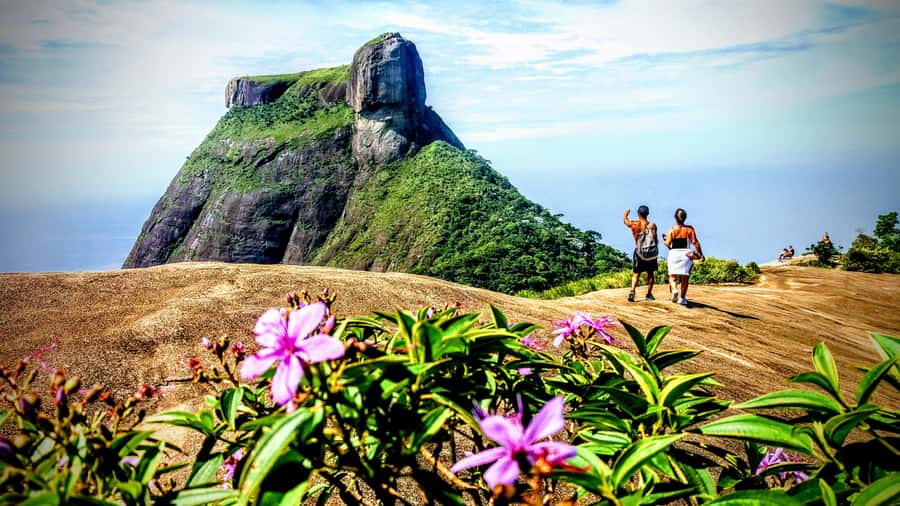
The main route toward Pedra Bonita includes about 50 minutes of guided hiking on the way up. The full walking portion is roughly two hours, including the summit area and the return through the park.
Wear sneakers or hiking boots. Sandals are not suitable, and large bags or luggage are not allowed. Bring a small daypack with one to two liters of water, snacks, sunscreen, insect repellent, and clothing suited to the weather.
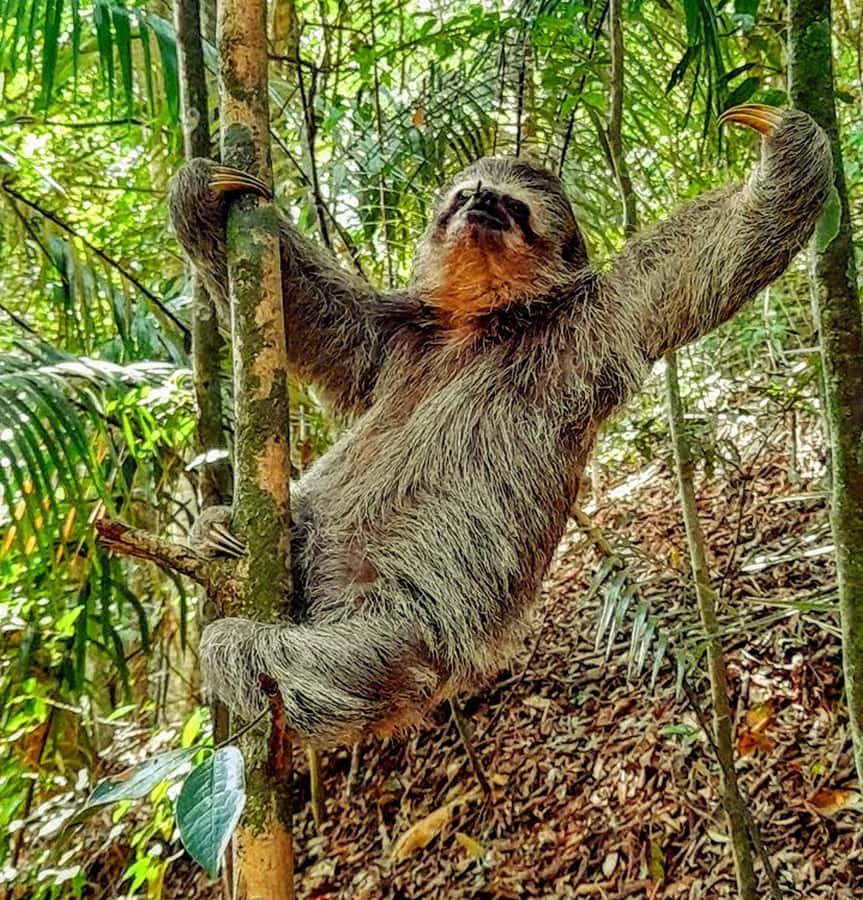
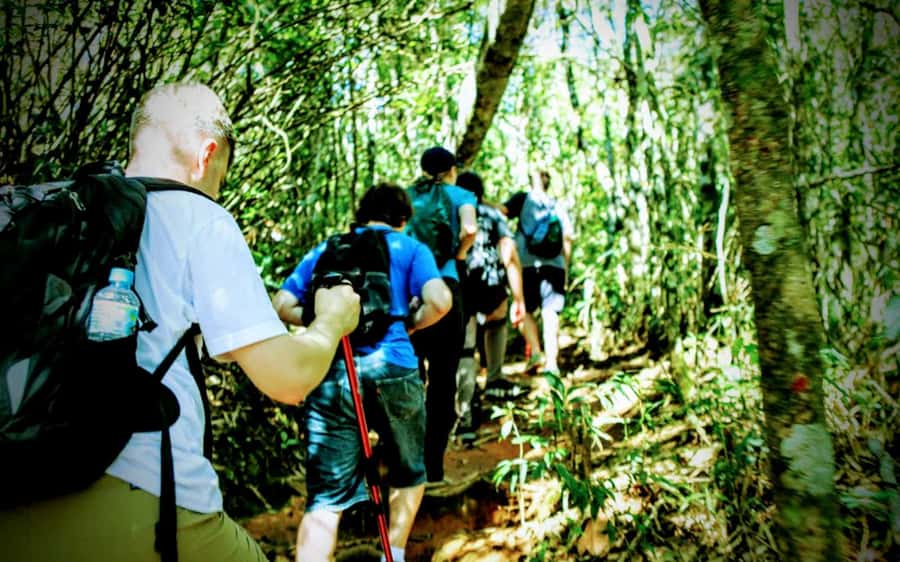
The forest section is one of the best reasons to choose this excursion. The guide points out plants, trees, fruits, and signs of wildlife. You might spot monkeys, though wildlife sightings are not guaranteed. The point is to learn how the forest works, not to collect a particular animal sighting.
The small group helps here. With no more than six people, the guide can stop to identify a plant or answer a question without holding up a large line. You also get a better chance to hear explanations about the Atlantic Rainforest, which has a very different feel from a simple city park.
Expect natural trail conditions. The path is not presented as a paved walkway, and rain can make rainforest ground more difficult. One person may find the route comfortable while another finds the inclines tiring. The operator can refuse participation if someone appears unable to manage the physical demands, so take the fitness warning seriously.
more tijuca forest days
- Rio de Janeiro: Christ, Selaron Steps, and Tijuca Park Tour
★ 4.7 · 857 reviews - Rio de Janeiro: Guided Jeep Tour through Tijuca Rainforest
★ 4.3 · 740 reviews - Jeep Adventure: Guided Tour through Tijuca Rain Forest
★ 4.0 · 554 reviews - Rio: Half-Day Jeep Tour at Floresta da Tijuca
★ 4.5 · 353 reviews
Reaching Pedra Bonita at 696 meters
The summit visit lasts about 30 minutes and includes a photo stop, guided explanation, and time on the rock. This is the payoff, but it is not a rushed photo platform with only one direction to face.
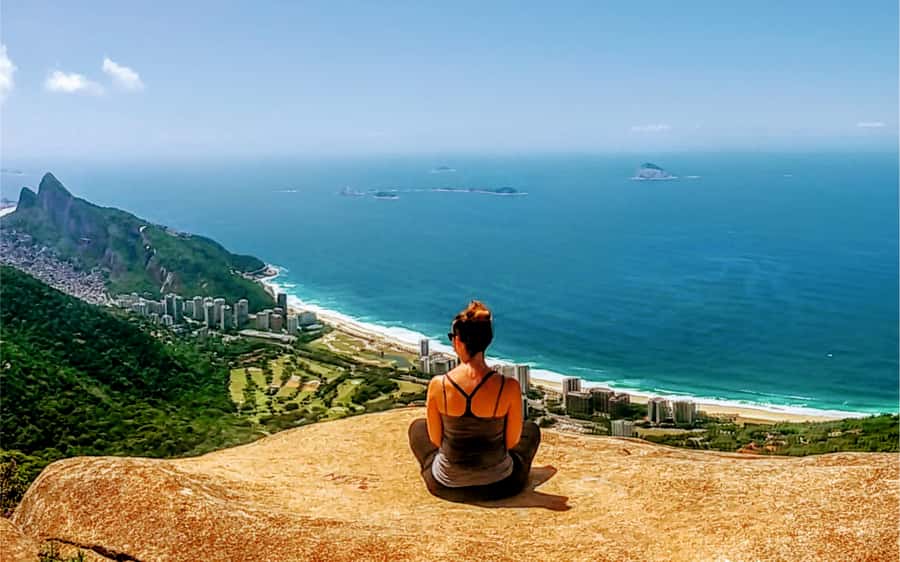
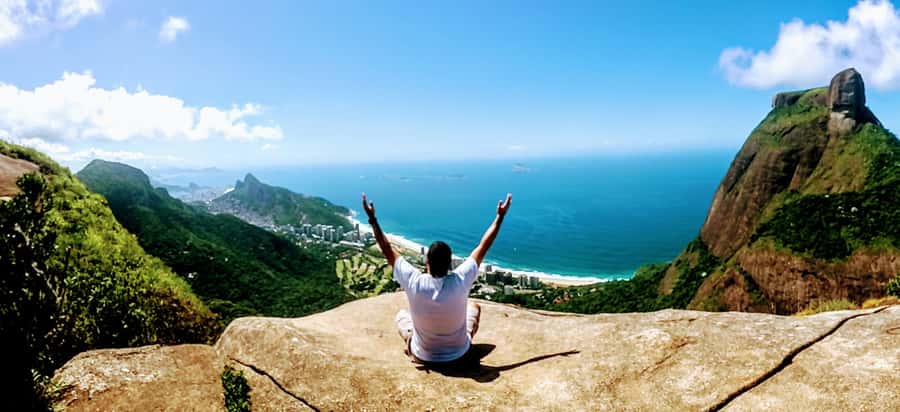
At 696 meters, Pedra Bonita gives you a high view over Rio’s famous mix of mountains, forest, urban districts, and ocean. The open rock contrasts with the shaded trail below, and the change in setting makes the summit feel like a proper destination rather than a pause on a wooded path.
The view toward Pedra da Gavea is the star. At roughly 844 meters, it is one of the world’s highest monoliths and drops toward the ocean. Pedra Bonita’s position lets you appreciate its scale and shape from across the valley.
Bring your camera, but do not spend the entire half-hour looking through it. The summit is the place to stop, breathe, and take in the arrangement of Rio’s natural features. Weather controls the quality of the view. On a clear day, the reward is sweeping. In cloud or rain, visibility can shrink quickly.
A past outing continued despite poor weather and still proved enjoyable, but bad conditions can limit the panorama. If the view is your top priority, check the forecast and keep your cancellation option in mind. You can cancel up to 24 hours ahead for a full refund, according to the activity terms.
Returning through the park and stopping at Vista Chinesa
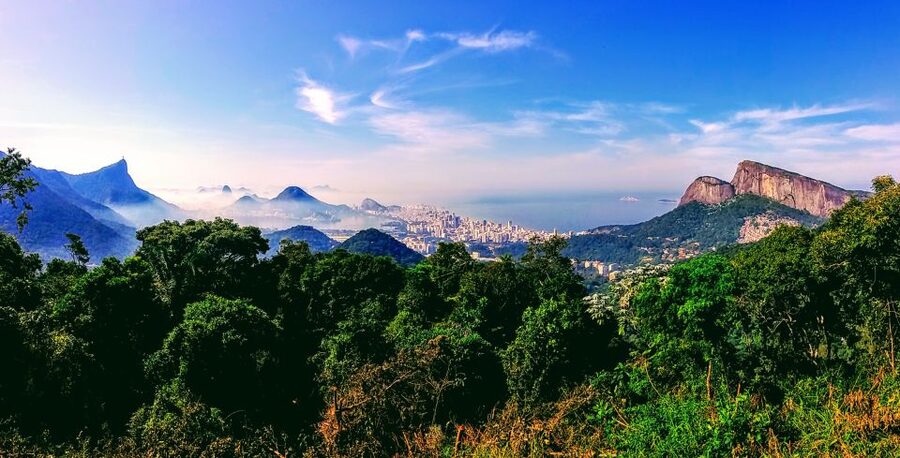
After Pedra Bonita, the tour continues through Tijuca National Park for about 40 minutes of guided hiking. This return section gives you another chance to notice the forest after seeing it from above.
The route is not only about reaching the summit. The guide continues discussing the plants, animals, and history of the park. If you have already used up your questions on the climb, the return is a good time to ask about the reforestation project, coffee cultivation, or Rio’s mountain environment.
A final stop at Vista Chinesa lasts about 15 minutes. This is a short sightseeing and photo break, not another long hike. It adds a different viewpoint and rounds out the day with one more look at the city and surrounding mountains.
The stop also makes practical sense. After the main walk, you get a scenic pause without adding another demanding section. Still, do not expect Vista Chinesa to replace Pedra Bonita. Pedra Bonita is the physical centerpiece and offers the more distinctive view toward Pedra da Gavea.
What the five-hour schedule really feels like
Five hours sounds generous, but the time includes hotel transport, park guiding, the climb, summit time, the return, and Vista Chinesa. This is a half-day outing, not a full-day wilderness trip.
The hiking portion is about two hours. The uphill section takes roughly one hour, followed by time at the summit and the walk back. The exact rhythm can change with group pace, trail conditions, traffic, and the amount of time spent discussing the forest.
A maximum-six group is a strong middle ground. A private outing gives you more control, but a small shared group can offer similar personal attention at a lower cost. If you prefer complete control over stops and pace, ask about the private option. If you enjoy meeting a few other people and want the price to stay moderate, the small group should work well.
At $63 per person, the value comes from the combination of transport, a bilingual guide, national park access through a planned route, and a summit that would be awkward to organize independently without local knowledge. Food and drinks are not included, so pack your own supplies.
How hard is the Pedra Bonita trail?
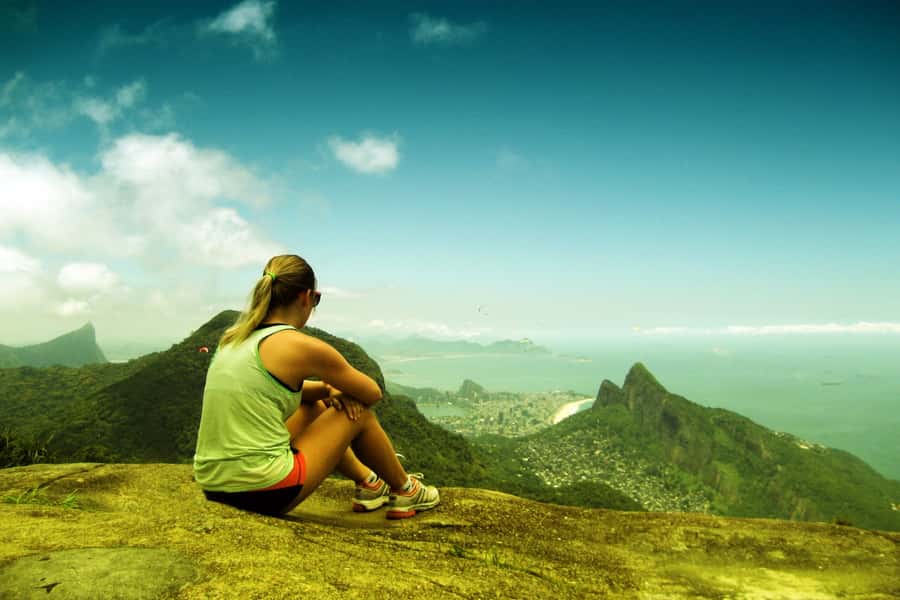
The official rating is easy, with 3.5 kilometers of total hiking and 203 meters of elevation gain. That is a short route by mountain standards, but the surface and climate matter more than the mileage.
You should be moderately fit and able to walk uphill and downhill for about two hours. The tour is not suitable for children under 12, wheelchair users, people with mobility impairments, or people with heart, pulmonary, cardiovascular, or other conditions that conflict with strenuous activity.
One earlier outing included a participant who struggled but reached the top with the guide’s support. That is encouraging, but it should not be treated as a promise. The operator decides whether someone can safely continue.
I would book this if you are comfortable with ordinary hiking and do not mind sweating. I would choose another Rio activity if you need a flat, paved route, frequent seating, or a fully predictable surface.
What to pack for a comfortable walk
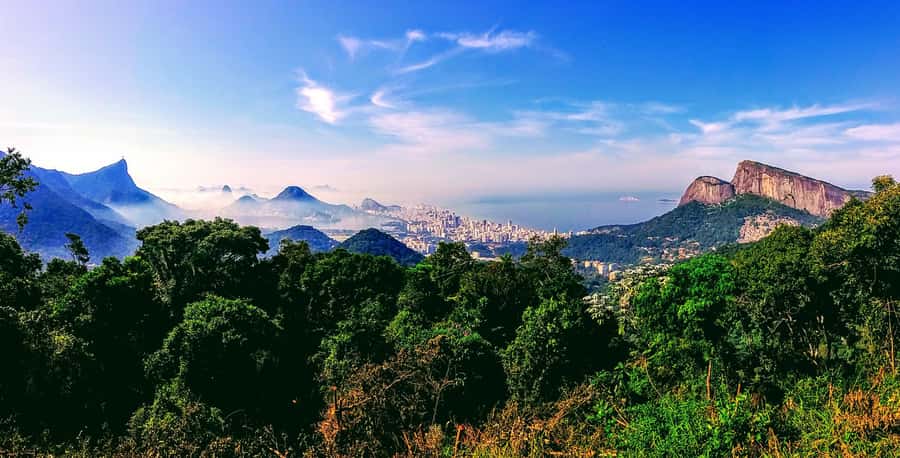
Keep your bag small. Large luggage is not allowed, and a daypack is enough for this route.
Bring:
- One to two liters of water
- Snacks, since food is not supplied
- Sneakers or hiking boots
- Sunscreen
- Insect repellent
- Comfortable clothes
- A light layer or other weather-appropriate clothing
- A phone or camera for the viewpoints
Water is particularly important because the walk includes uphill sections and exposed rock at the summit. Do not assume you can buy drinks during the hike. The tour information specifically tells you to bring your own.
Good footwear matters even on an easy route. Sandals leave your feet exposed and offer poor grip on uneven ground. A small pack also keeps your hands free and makes the climb more comfortable.
Who will get the most from this experience?
This hike is a good choice if you want to combine nature and culture. The guide does not simply point out a view. You hear about coffee production, forest restoration, Brazilian ecosystems, and Rio’s development while walking through the setting itself.
It suits couples, friends, and solo visitors who prefer a group small enough for conversation. It also works well as a first introduction to Tijuca National Park, since transport and route planning are handled for you.
I would especially recommend it to anyone who has already seen Rio from the beach and wants a different angle. The city looks very different from the mountains, and Pedra Bonita gives you a strong view without the much harder reputation of some of Rio’s longer mountain hikes.
It is less suitable for families with young children, people with medical restrictions, and anyone who wants a guaranteed clear panorama. The summit depends on weather, and the trail still asks for real effort.
The guide makes the difference
The walk’s strongest praise centers on guiding. Tito is described as speaking excellent English and explaining ecosystems, history, and the Brazilian economy. Alex is remembered for his humor, punctual professionalism, and explanations of Rio’s past. Eddie is described as attentive when a participant found the hike difficult.
Those details point to what you should expect from a good outing: not a lecture delivered all at once, but useful explanations placed along the route. You learn about a tree when you are standing beside it, and the forest’s past becomes easier to understand while you are walking through restored woodland.
The guide also helps with pace and confidence. A small group makes it easier to stop for photos, catch your breath, or ask about something you have noticed. That personal attention is a bigger benefit here than it would be on a short city transfer.
Is $63 a fair price?
At $63, this is not the cheapest way to reach Tijuca National Park, especially if you are already comfortable arranging transport and hiking independently. But the price is reasonable for a five-hour, guide-led half-day with pickup from many South Zone hotels and a group capped at six.
You are paying for more than the trail. You get local route planning, bilingual interpretation, transport into the Tijuca Mountains, help identifying nature, and a structured visit to Pedra Bonita and Vista Chinesa.
The value is strongest for a first visit to Rio, a solo visitor, or anyone who does not want to handle mountain logistics alone. It is weaker for experienced hikers who already know the park and only want a basic walk.
FAQ
How long does the tour last?
The full experience lasts five hours, including hotel transport, guided time in Tijuca National Park, the hike, Pedra Bonita, and the Vista Chinesa stop.
How far is the hike?
The round-trip hiking distance is about 3.5 kilometers, or 2.2 miles.
How much elevation gain does the hike include?
The route gains about 203 meters, or 667 feet.
Is the hike difficult?
It is rated easy, but you still need moderate fitness for about two hours of uphill and downhill walking on rough rainforest terrain.
What languages does the guide speak?
The tour is offered with live guiding in English and Portuguese.
Is hotel pickup included?
Transportation is included from designated hotels in Rio’s South Zone. Transport from outlying areas is not included.
Should I bring food and water?
Yes. Bring snacks and one to two liters of water. Food, water, and drinks are not included.
Is the tour suitable for children?
It is not recommended for children under 12. It is also unsuitable for people with mobility impairments, wheelchair users, heart problems, or medical conditions that make difficult physical activity unsafe.
Should you book the Pedra Bonita hike?
Book it if you want a manageable mountain walk with a major view, and if learning about Rio’s forest matters as much as taking photos. The combination of small-group guiding, South Zone pickup, Tijuca’s coffee and reforestation story, and the Pedra da Gavea viewpoint gives this half-day real substance.
Skip it if you need a flat route, dislike uneven ground, or are visiting during weather that may hide the summit. Bring proper shoes, enough water, and a small pack. For an active visitor who wants to see a greener, higher side of Rio without giving up the convenience of guided transport, this is a strong use of five hours.
More National Parks in Rio de Janeiro
- Tijuca National Park and all its wonders
★ 5.0 · 88 reviews - Rio de Janeiro: Tijuca National Park Tour
★ 4.7 · 85 reviews - Rio de Janeiro: Tijuca National Park & Botanic Garden Tour
★ 4.4 · 39 reviews - Tijuca National Park and all its wonders!
★ 5.0 · 3 reviews
More Hiking & Trekking in Rio de Janeiro
- Rio de Janeiro: Tijuca Forest Challenge Hike Full-Day Trip
★ 4.9 · 163 reviews - Rio de Janeiro: Vidigal Favela Tour and Two Brothers Hike
★ 4.5 · 121 reviews - Rio de Janeiro: Dois Irmãos Peak Sunrise, Day or Sunset Hike
★ 4.7 · 94 reviews - Rio de Janeiro: Pedra da Gávea Guided Hike Tour
★ 4.9 · 86 reviews
New in Rio de Janeiro this month
- Discover Rocinha: Guided Tour of the Famous Favela★ 4.5 · 3 reviews
- Rio de Janeiro: Hang gliding adventure★ 3.7 · 3 reviews
- Rio de Janeiro: Pedra Bonita & Tijuca Forest Hike Tour★ 5.0 · 3 reviews
- Rio de Janeiro: Hang Gliding or Paragliding Flight★ 5.0 · 3 reviews
- Rio de Janeiro: Local Experience in Forró dance★ 5.0 · 3 reviews
- Rio de Janeiro: Doors-off 30-min helicopter tour★ 5.0 · 3 reviews
- Rio de Janeiro: Pedra do Telégrafo; Grumari/ Prainha Beaches★ 5.0 · 3 reviews
- Rio de Janeiro: Sugar Loaf with Lunch and Helicopter Flight★ 4.7 · 3 reviews
Rio de Janeiro Tours, compared.
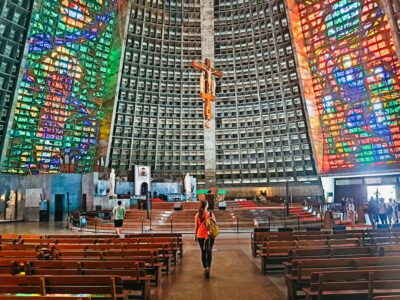
Rio de Janeiro: 6-Stop Highlights of Rio with Lunch
Read our review →
Christ the Redeemer Entry Ticket by Corcovado Train
Read our review →
Rio de Janeiro: Rocinha Favela Walking Tour with Local Guide
Read our review →
Rio: Christ the Redeemer, Sugarloaf, Selaron & BBQ Lunch
Read our review →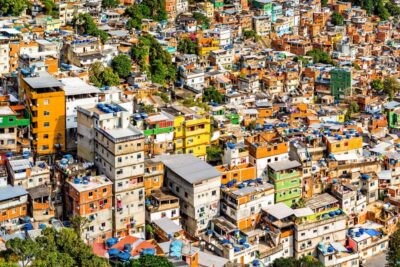
Rio De Janeiro: Half-Day Rocinha Favela Walking Tour
Read our review →
Rio de Janeiro: Angra dos Reis and Ilha Grande Full-Day Tour
Read our review →
Rio de Janeiro: Beginner Samba Lesson in Ipanema
Read our review →
Browse the lists this tour appears in