
Our review · RIO DE JANEIRO TOURS
Rio de Janeiro: Tijuca Forest Challenge Hike Full-Day Trip
Tijuca Forest is not just a quick stop for a waterfall photo. This 10.4 km rainforest hike climbs steeply through rough, little-used trails to Taquara Hill, then drops into quieter forest to find coffee-farm ruins, caves, wildlife, and a waterfall. I like the two-part design: hard uphill work first, then a more secret-feeling forest circuit. I also like the small groups, capped at six, which lets guides such as Gustavo, Ricardo, Pietro, and Tito adjust the pace and explain what you are seeing. The catch is plain: 848 meters of climbing makes this a serious day out, not a casual nature walk.
I especially like that the hike shows you a side of Rio that can get lost between beaches and famous monuments. You get wide views toward the western city, coastline, and lagoons, but also quiet stretches where you may see monkeys, coatis, frogs, and birds. The main drawback is weather. Rain can make the trail harder and may block the views, while waterfall flow changes with recent rainfall.
Key points before you book
- 10.4 km and 848 meters of ascent: Expect four to five hours of demanding hiking on steep and uneven ground.
- Taquara Hill reaches 814 meters: Its summit is about 100 meters higher than the Christ the Redeemer statue.
- A quieter side of Tijuca: The route uses lesser-known tracks, old coffee-farm ruins, grottos, and the Bat Cave.
- A waterfall finish: Cascata da Baronesa offers a chance to cool off, so pack a swimsuit and towel.
- Small groups of six or fewer: Guides can keep the pace personal and give more attention to safety.
- South Zone pickup included: Transport is offered from designated hotels and hostels in neighborhoods such as Copacabana, Ipanema, Leblon, Santa Teresa, Gloria, Catete, Flamengo, and Botafogo.
Why this Tijuca Forest hike is different
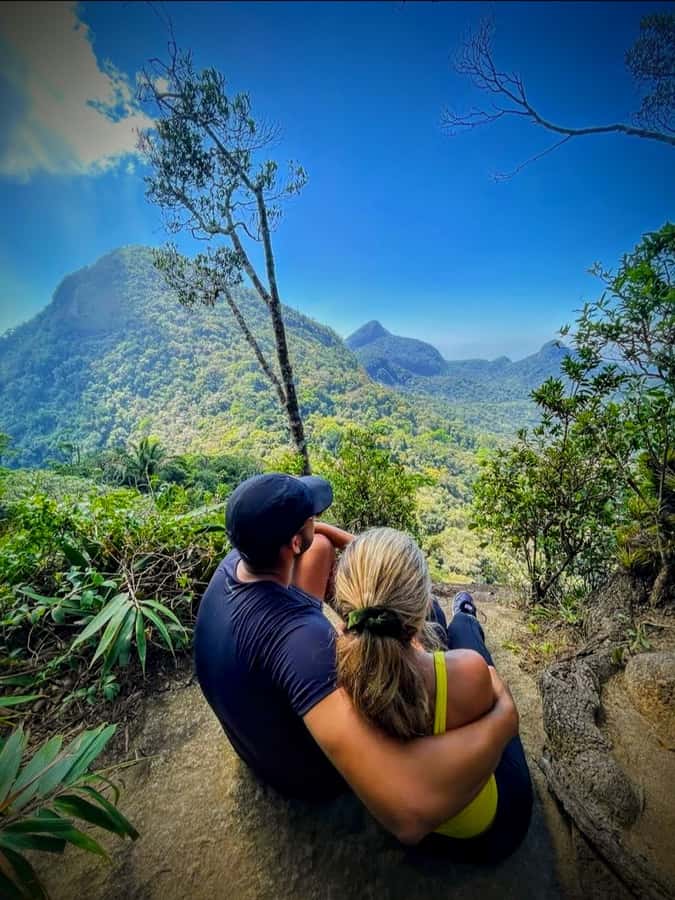
Tijuca National Park is one of the world’s largest urban forests, tucked into Rio’s hills rather than far from the city. That setting gives this excursion its appeal. You can spend the morning in a major Brazilian city and soon be walking under rainforest cover, with the sound of water and birds replacing traffic.
Many Rio nature outings focus on a single waterfall, a short trail, or a famous lookout. This one asks more of you. The reward is a fuller picture of the forest, from high ridges to damp gullies and remnants of the area’s coffee-growing past.
The route was designed with tracks and sites that are not among the park’s regular stops. You should not expect a perfectly groomed path from start to finish. Some sections are steep, and careful footing matters. That roughness is part of the appeal, but it also explains why the operator reserves the right to turn away anyone unable to handle the hike.
More Hiking Tours in Rio de Janeiro
- Rio: Tijuca Forest Small Group Hike to Caves and Waterfalls
★ 4.9 · 536 reviews - Pedra do Telégrafo Hike and Beach Full-Day Tour
★ 4.5 · 417 reviews - Rio de Janeiro: Pedra da Gávea 7-Hour Hike
★ 4.7 · 183 reviews
Pickup from Rio’s South Zone
The nine-hour schedule includes transportation from designated hotels and hostels in Rio’s South Zone. Pickup areas include Copacabana, Ipanema, Leblon, Leme, Santa Teresa, Gloria, Catete, Flamengo, and Praia de Botafogo.
Check the exact address before booking. If your hotel is not covered, the operator provides a nearby meeting point when possible. Transport is not included from outlying areas, so this matters if you are staying well beyond the listed neighborhoods.
The ride is useful because reaching the forest trailhead independently can add planning and uncertainty to a demanding day. It also means you do not have to navigate Rio after a five-hour hike. Food and drinks are not included, so take water and snacks with you. Large bags and luggage are not allowed.
Cascatinha Taunay and the park’s first introduction
The outing begins with Cascatinha Taunay, one of the recognizable waterfall sights in Tijuca Forest. The scheduled stop is short, about 15 minutes, so think of it as an introduction rather than a long rest or swimming break.
A brief guided explanation follows in Tijuca National Park. This is where the day’s wider story comes into focus. The guides connect the forest to Brazil’s past, Rio’s growth, and the coffee farms that once occupied these hills.
That background adds real value. The forest you see today was shaped by reforestation in the 1800s, after coffee cultivation had altered the area. Instead of treating Tijuca as untouched jungle, the guide helps you understand it as a restored part of Rio’s natural world.
Guides are a major part of the experience. Gustavo is praised for linking forest details with the history, politics, geography, and culture of Brazil. Ricardo is known for keeping conversation lively while pointing out plants and animals. Pietro, Tito, Roberto, Alex, and the other guides bring their own style, but the strongest pattern is clear: this is much better with a guide who enjoys explaining the place.
The main climb toward Taquara Hill
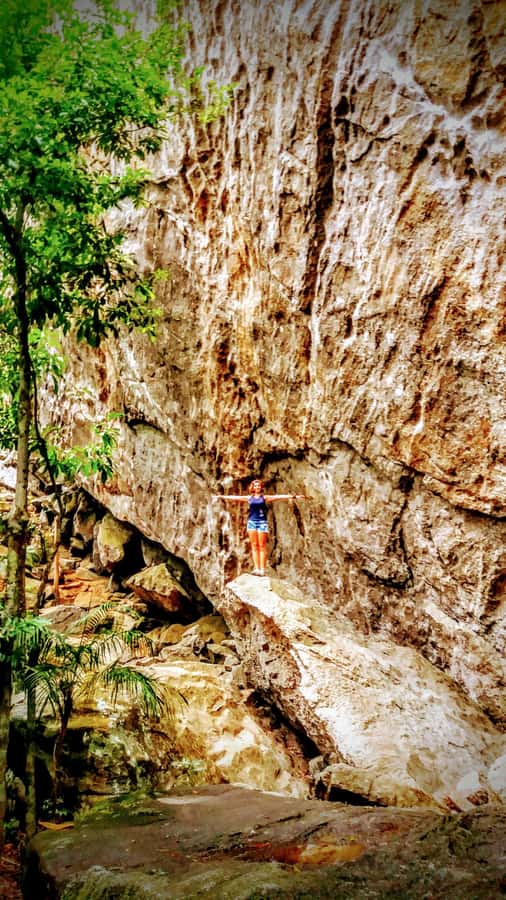
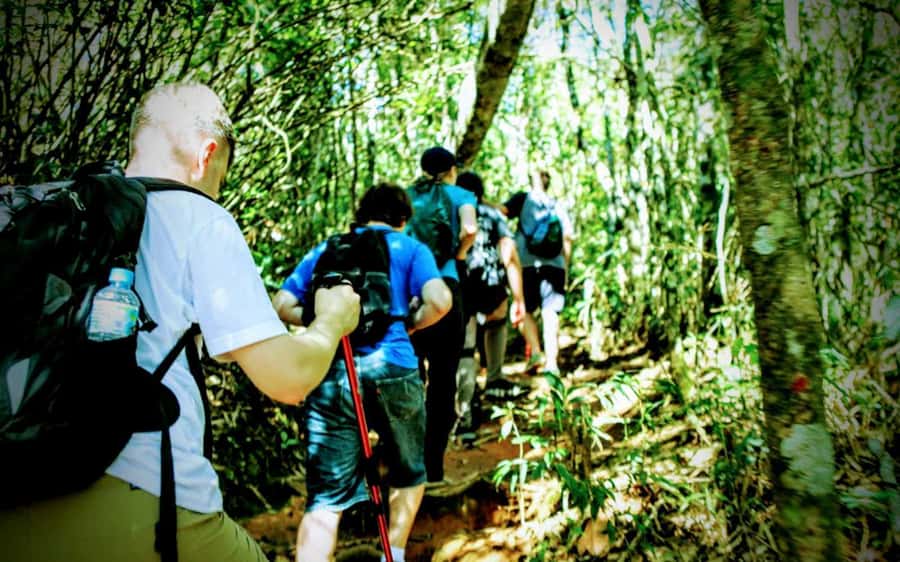
The core hike lasts roughly four to five hours and covers about 10.4 kilometers. You will go uphill and downhill over a total elevation gain of 848 meters, or 2,782 feet.
The climb is the part you need to take seriously. It is rated hard, and the description is not marketing fluff. The trail includes rough surfaces, steep grades, and sections where you need to place your feet carefully. A past participant suggested that first-time bookers should be warned about the steep inclines and consider walking aids. That is sensible advice if you regularly use trekking poles.
Most of the route is shaded, which helps in Rio’s heat, but shade does not remove the physical work. Set a steady pace rather than trying to race the first climb. The small group format helps here. A guide can slow down, wait, and make sure the group stays together. Tito has adapted the pace for an older hiker who was slower than expected, while still completing the full route on time.
You should have a good level of fitness and some hiking experience. The tour is not suitable for anyone with heart or lung problems, or a medical condition that makes difficult exercise unsafe. It is also not suitable for wheelchair users or children under 14. Children over 14 may join if they genuinely enjoy hiking and can manage a full eight to nine-hour day.
more tijuca forest days
- Rio de Janeiro: Christ, Selaron Steps, and Tijuca Park Tour
★ 4.7 · 857 reviews - Rio de Janeiro: Guided Jeep Tour through Tijuca Rainforest
★ 4.3 · 740 reviews - Jeep Adventure: Guided Tour through Tijuca Rain Forest
★ 4.0 · 554 reviews - Rio: Half-Day Jeep Tour at Floresta da Tijuca
★ 4.5 · 353 reviews
Taquara Hill and the two big views
The high point is Taquara Hill at 814 meters. It is roughly 100 meters higher than the Christ the Redeemer statue, a neat comparison that gives you a sense of the climb.
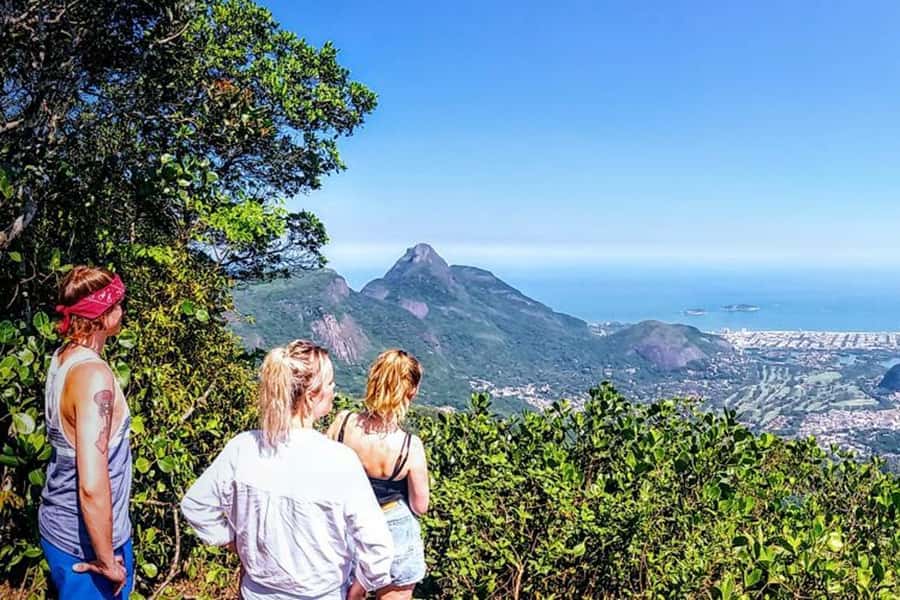
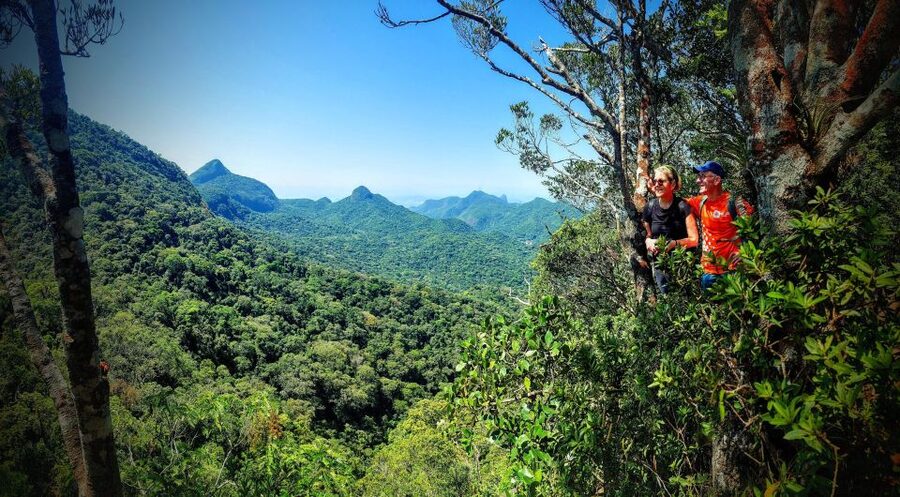
On a clear day, the summit area offers two different views. One looks into the forest valley, showing the folds and height of Tijuca from above. The other faces western Rio, with views toward the coastline and lagoons.
These are not guaranteed. Clouds, mist, and rain can cover the city, especially in the forest. Do not judge the entire day by the summit forecast. Several guides use cloudy weather as a reason to focus more on trees, animals, caves, and the forest itself. On a wet day, you may see monkeys, coatis, frogs, and hear birds even when the city views disappear.
The route includes a viewpoint stop of about 30 minutes, giving you time to rest, take photographs, and catch your breath. I would treat the views as a bonus rather than the sole purpose of booking. The demanding hike still needs to feel worthwhile if the summit is foggy.
The old coffee farm and the quieter trail
After the high section, the route heads deeper into the forest. This is where the excursion feels most unlike a standard Rio sightseeing trip.
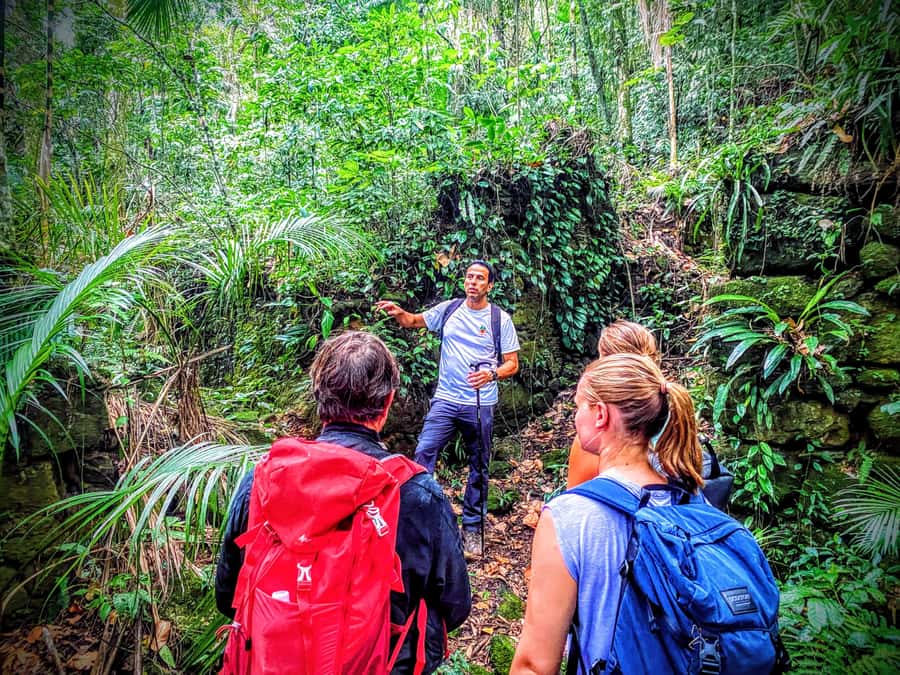
Within about an hour of hiking uphill and downhill, you reach the remains of an old coffee farm. These ruins offer a physical link to the area’s agricultural past. They also give the guide a natural place to explain how coffee production affected the hills and why reforestation became necessary.
The trail here is described as almost secret because it sees very little foot traffic. You might not encounter many other people, and some parts can feel far removed from the city even though Rio is close by.
That quiet is valuable, but it comes with tradeoffs. Lesser-used trails can be less predictable underfoot, especially after rain. You should wear proper hiking shoes with good grip, not casual sneakers or sandals. Insect repellent is also a good idea, as the route passes through thick forest rather than staying on paved park roads.
Grottos, the Bat Cave, and a different kind of adventure
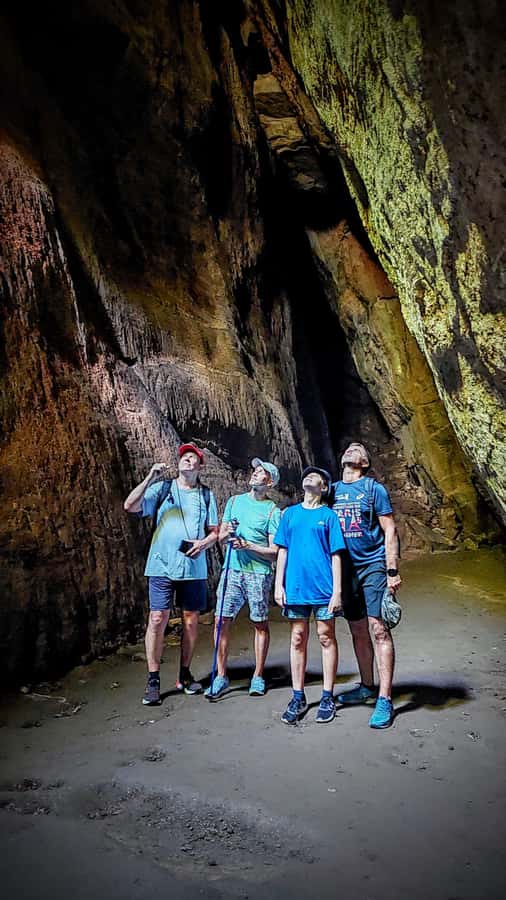
The route continues to a grotto and a cave in the rainforest. A scheduled stop at the Bat Cave lasts about 15 minutes, so this is an exploration stop rather than a lengthy underground visit.
The caves are memorable because they change the rhythm of the day. After long uphill stretches and open viewpoints, you move into darker, cooler spaces surrounded by forest. You will want to watch your footing and listen to the guide rather than rush through for a quick photograph.
The itinerary also includes a short stop described as a hidden gem, though I would think of it simply as one of the route’s lesser-known forest features. The appeal is not a grand monument. It is the feeling of finding places that do not appear on every standard Tijuca schedule.
Guides also point out plants, trees, and signs of wildlife along the way. You might see monkeys, coatis, frogs, and birds, but wildlife is never guaranteed. The forest is the main attraction, not an animal show.
Cascata da Baronesa and the post-hike cool-down
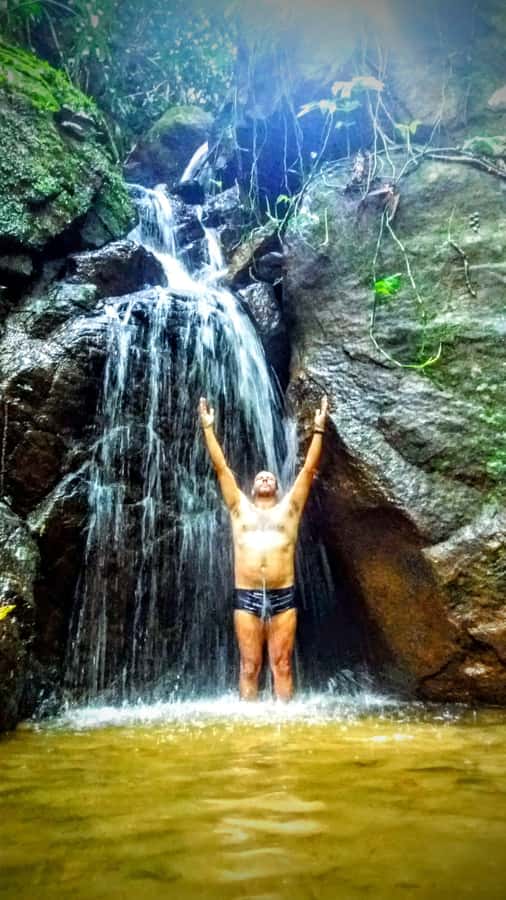
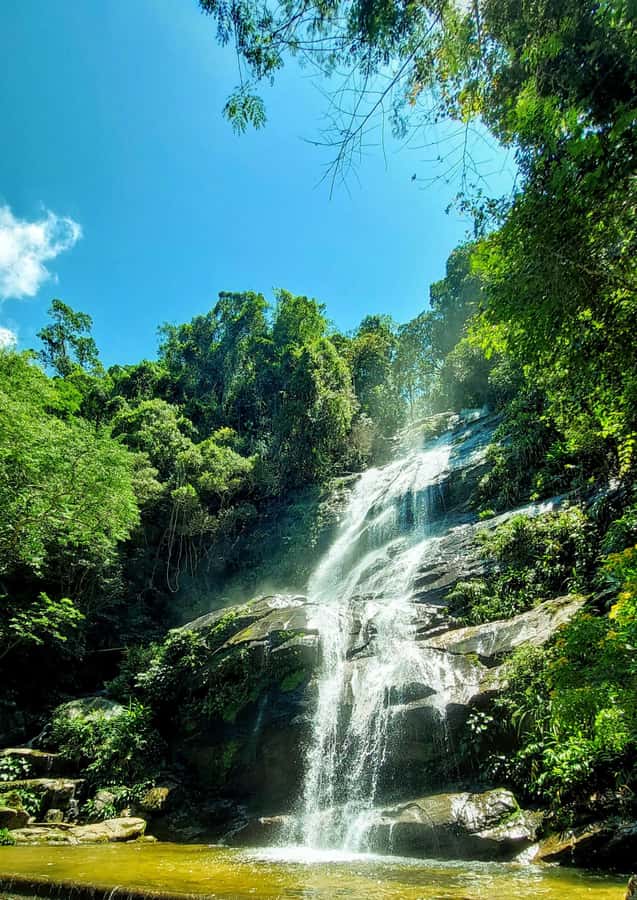
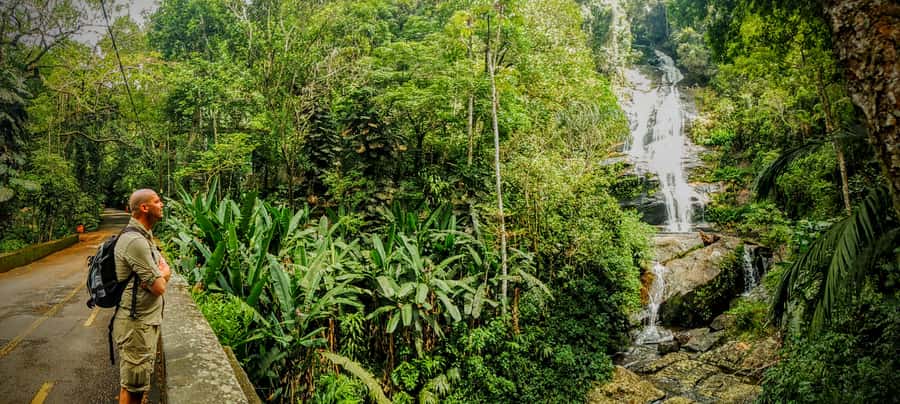
The waterfall near the end is Cascata da Baronesa. The planned visit lasts about 20 minutes, and you can refresh yourself under the water after the long hike.
Bring a swimsuit and towel. You will also need to carry your own water and snacks for the day. Water flow changes with rainfall, so the cascade may be stronger after wet weather and lighter during a dry spell.
The timing makes sense. A waterfall stop would be pleasant at any point, but after several hours of climbing, it becomes a genuine recovery break. It is also a useful reminder that the excursion is built around experiencing the forest, not simply reaching a summit.
Use care on wet rock. The trail is already demanding, and slippery surfaces can make the final stretch tiring. Your guide can tell you how to approach the water safely, but you remain responsible for bringing suitable footwear and following instructions.
Vista Chinesa on working days
The return includes a viewpoint photo stop, and on working days the tour also goes to the Vista Chinesa summit after the hike. This is an added city-view opportunity, but it depends on the calendar.
Vista Chinesa is closed to vehicles on weekends and public holidays, so you should not assume it will be included on those days. The main forest hike still takes place, but this extra stop may not.
That distinction is worth noting if you are building your Rio schedule around a particular viewpoint. The tour’s primary route is the forest, Taquara Hill, caves, ruins, and waterfall. Vista Chinesa is a useful bonus on days when access is open, not the foundation of the booking.
Group size, guides, and the human side of the day
The maximum group size is six, with private tours and small-group options available. That is one of the strongest reasons to choose this outing over a large coach excursion.
A small group lets you ask questions without holding up dozens of people. It also makes it easier for the guide to adjust the pace and notice when someone needs a short break. For a hard hike, that personal attention is not just pleasant. It can make the day feel safer and more manageable.
The guides are repeatedly praised for more than trail direction. Gustavo brings detailed explanations of Rio and Brazil. Ricardo mixes facts with humor and takes plenty of photographs. Pietro is described as energetic and funny, while Tito is good at explaining history and adapting to different hiking speeds. Roberto and Alex have also been singled out for their care and strong knowledge of the forest.
The bilingual guiding is in English and Portuguese. If you enjoy learning as you walk, this is a strong match. You can ask about the Mata Atlantica, coffee cultivation, reforestation, geography, wildlife, or Rio beyond the usual postcard sights.
What to bring and how to prepare
Treat this as a mountain hike in a tropical forest, not a city tour with a short walk attached. Pack lightly, since large bags and luggage are not allowed, but carry the essentials:
- Hiking shoes with solid grip
- Plenty of water
- Snacks
- Sunscreen
- Sunglasses and a sun hat
- Insect repellent
- Swimsuit and towel for the waterfall
The forest provides shade, but sun protection still matters at viewpoints and exposed sections. Rain is possible, and wet conditions can change both footing and visibility. A flexible attitude helps, especially if clouds hide Taquara Hill’s city views.
You must provide each participant’s full name, birth date, and passport number for the included insurance. The operator can refuse participation if someone appears unable to endure the hike, so be honest about your fitness rather than hoping the route will be easier than described.
Is the $86 price good value?
At $86 per person, the price is reasonable if you want a full day with transport, a bilingual guide, insurance, and a demanding route that would be difficult to plan alone.
You are paying for more than five hours of walking. The day also includes pickup and drop-off from the South Zone, route planning through less-used tracks, interpretation of the forest and Brazil’s past, and support on a challenging trail. A private or very small group can make the cost feel stronger if you value a personal pace and detailed explanations.
The price does not include food, water, or drinks. Bring your own supplies rather than expecting a café stop in the forest. If you want only a short waterfall visit or a simple lookout, this excursion is probably more than you need. If you want a full day of active exploration and a guide who can connect nature with history, the value is much better.
Free cancellation is available up to 24 hours before departure, and you can reserve while paying later. Check availability for the starting time, and confirm pickup from your exact Rio address.
Who should book this hike?
I would choose this for an active visitor who has some hiking experience, wants a break from Rio’s beaches, and enjoys learning about the place while walking. It suits solo bookers especially well, since a small group and a friendly guide can make the day social without feeling crowded.
It is also a good choice for anyone who has already seen Christ the Redeemer and Sugarloaf and wants something less predictable. The old farm ruins, Bat Cave, waterfall, and quieter paths give you a different view of the city.
I would skip it if you dislike steep climbs, struggle with long days, have a condition that makes hard exercise unsafe, or mainly want easy sightseeing. The operator’s hard rating should guide your decision. This is a real trek, even though the route remains a guided day trip.
Should you book the Tijuca Forest Challenge Hike?
Book it if you want a full forest experience, not just a quick Rio photo stop. The route combines serious exercise with high viewpoints, rainforest wildlife, coffee history, caves, and a waterfall, and the small group format gives the guide room to make the day personal.
Do not book it hoping for a gentle stroll or guaranteed sunshine. The 848-meter climb is demanding, weather can block the views, and the waterfall changes with rainfall. For fit hikers who pack properly and welcome a challenge, this is one of the most rewarding ways to see Rio’s wild side.
FAQ
How long is the Tijuca Forest hike?
The hike covers approximately 10.4 kilometers, or 6.5 miles, and takes about four to five hours. The full activity lasts around nine hours, including transportation and stops.
How difficult is the route?
It is rated hard. You will hike uphill and downhill over rough terrain, with an elevation gain of 848 meters, or 2,782 feet.
What is the highest point on the hike?
The route reaches Taquara Hill, which is 814 meters, or 2,670 feet, high. It is about 100 meters higher than the Christ the Redeemer statue.
Is hotel pickup included?
Pickup and drop-off are included from designated hotels and hostels in Rio’s South Zone. Listed areas include Copacabana, Ipanema, Leblon, Leme, Santa Teresa, Gloria, Catete, Flamengo, and Botafogo. If your address is not covered, a nearby meeting point may be provided.
Are food and drinks included?
No. You need to bring your own water, drinks, and snacks.
Can I swim at the waterfall?
You can refresh yourself with a waterfall shower at Cascata da Baronesa. Bring a swimsuit and towel. Water flow varies depending on recent rainfall.
Is the tour suitable for children?
The hike is not recommended for children under 14. Children over 14 can join if they enjoy hiking and nature and can manage a full eight to nine-hour day.
What languages are available?
The live guide service is available in English and Portuguese.
More Full-Day in Rio de Janeiro
- Rio de Janeiro: Angra dos Reis and Ilha Grande Full-Day Tour
★ 4.6 · 1,673 reviews - Full Day Tour to Angra dos Reis and Grand Island
★ 4.0 · 469 reviews - Rio de Janeiro Full-Day Sightseeing Tour
★ 4.7 · 121 reviews - Full Day Tour to Angra dos Reis with Lunch
★ 4.0 · 118 reviews
More Hiking & Trekking in Rio de Janeiro
- Rio de Janeiro: Vidigal Favela Tour and Two Brothers Hike
★ 4.5 · 121 reviews - Rio de Janeiro: Dois Irmãos Peak Sunrise, Day or Sunset Hike
★ 4.7 · 94 reviews - Rio de Janeiro: Pedra da Gávea Guided Hike Tour
★ 4.9 · 86 reviews - Rio: Tijuca National Park Small-Group Hike to Pedra Bonita
★ 4.9 · 79 reviews
New in Rio de Janeiro this month
- Discover Rocinha: Guided Tour of the Famous Favela★ 4.5 · 3 reviews
- Rio de Janeiro: Hang Gliding or Paragliding Flight★ 5.0 · 3 reviews
- Rio de Janeiro: Hang gliding adventure★ 3.7 · 3 reviews
- Rio de Janeiro: Pedra Bonita & Tijuca Forest Hike Tour★ 5.0 · 3 reviews
- Rio de Janeiro: Local Experience in Forró dance★ 5.0 · 3 reviews
- Rio de Janeiro: Doors-off 30-min helicopter tour★ 5.0 · 3 reviews
- Rio de Janeiro: Pedra do Telégrafo; Grumari/ Prainha Beaches★ 5.0 · 3 reviews
- Rio de Janeiro: Sugar Loaf with Lunch and Helicopter Flight★ 4.7 · 3 reviews
Rio de Janeiro Tours, compared.

Rio de Janeiro: 6-Stop Highlights of Rio with Lunch
Read our review →
Christ the Redeemer Entry Ticket by Corcovado Train
Read our review →
Rio de Janeiro: Rocinha Favela Walking Tour with Local Guide
Read our review →
Rio: Christ the Redeemer, Sugarloaf, Selaron & BBQ Lunch
Read our review →
Rio De Janeiro: Half-Day Rocinha Favela Walking Tour
Read our review →
Rio de Janeiro: Angra dos Reis and Ilha Grande Full-Day Tour
Read our review →
Rio de Janeiro: Beginner Samba Lesson in Ipanema
Read our review →
Browse the lists this tour appears in