
Our review · RIO DE JANEIRO TOURS
Rio de Janeiro: Brazilian Cooking Class in Rio de Janeiro
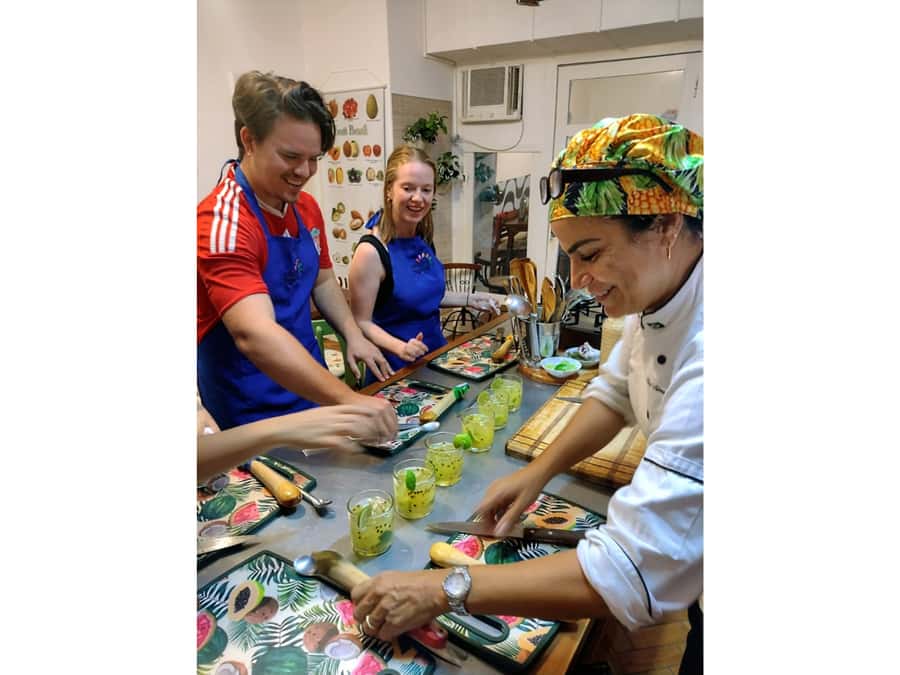
Brazilian cooking comes alive in this small Copacabana class, where Chef Simone teaches you to make a full spread rather than simply handing you a recipe sheet. Depending on the day, you will prepare seafood moqueca or pork-and-bean feijoada, plus cassava, rice, drinks, and dessert.
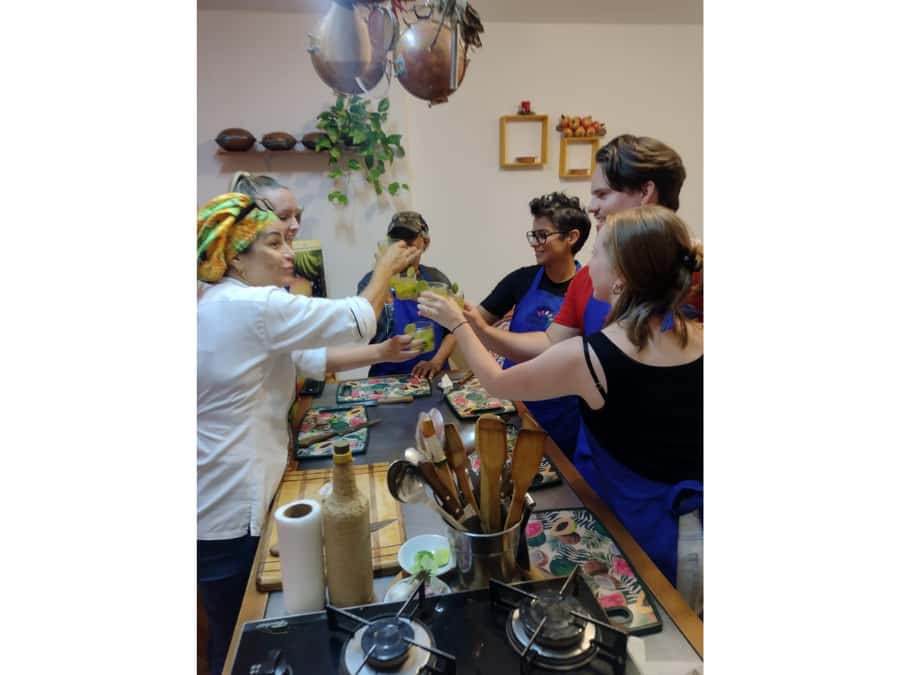
I like the small group of up to seven, which leaves room for questions and hands-on work. I also like the social side: you cook, sit down with the chef, and toast the meal with a caipirinha and a coconut drink. Chef Simone’s warm style and her stories about Brazilian food and culture are major parts of the appeal.
The main caution is scheduling. The details describe the activity as both three and four hours, so confirm the exact length when you book. The $220 price is also a serious outlay, and transportation to and from the Copacabana studio is not included.
Key points to know before booking
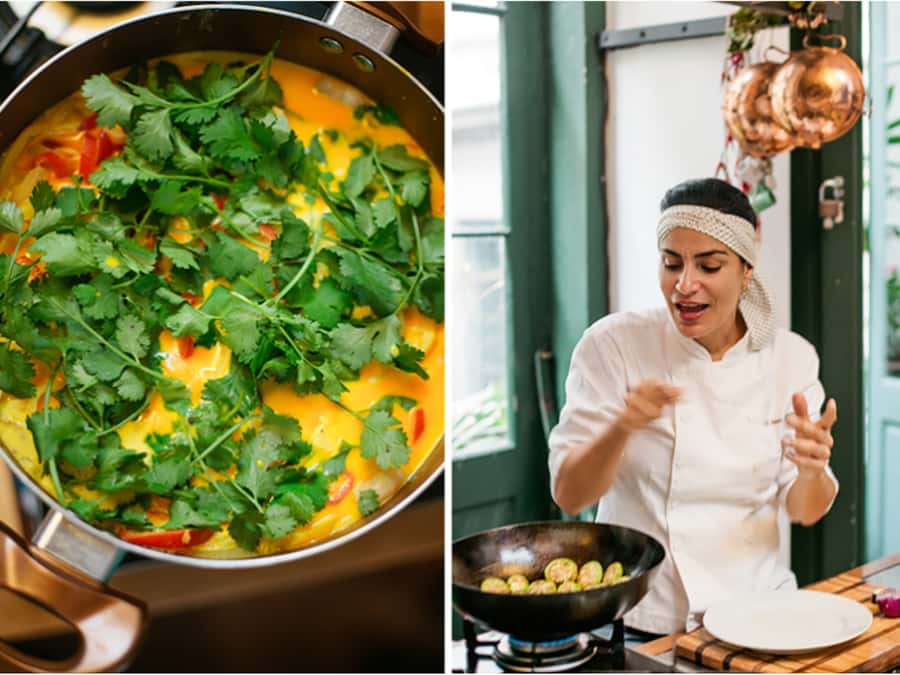
- Your main dish depends on the day: Seafood moqueca is offered on Mondays, Wednesdays, and Fridays. Saturday is reserved for feijoada.
- Chef Simone leads the class: She teaches in Portuguese, English, or Spanish and has been praised for her friendly, attentive way of explaining Brazilian food.
- You cook the meal yourself: This is a practical class, not a demonstration where you only watch.
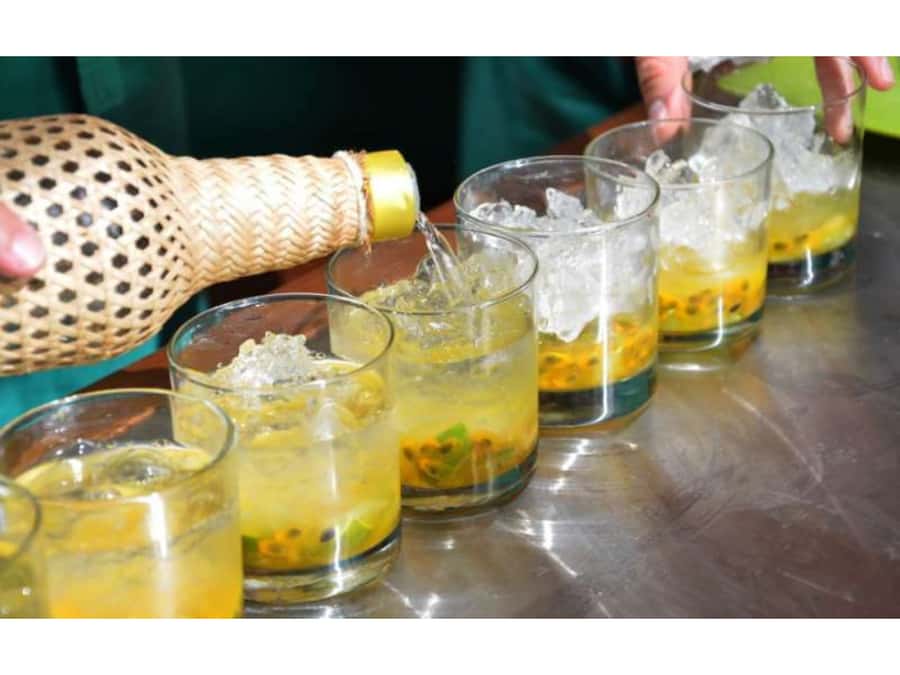
- The meal includes two Brazilian drinks: You prepare a lime caipirinha and a batida de coco, with alcoholic drinks included.
- The group is limited to seven people: The small size should make it easier to ask questions and take part at the stove.
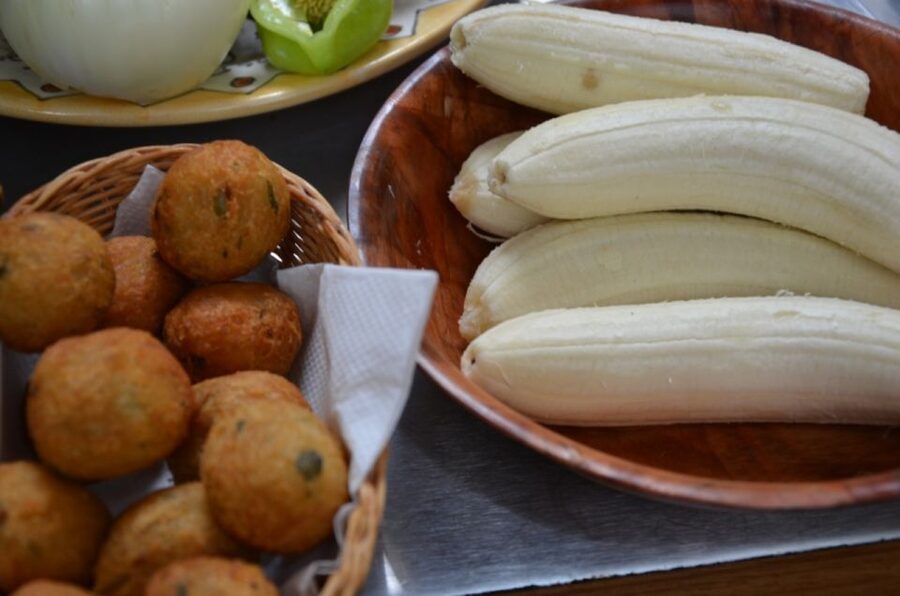
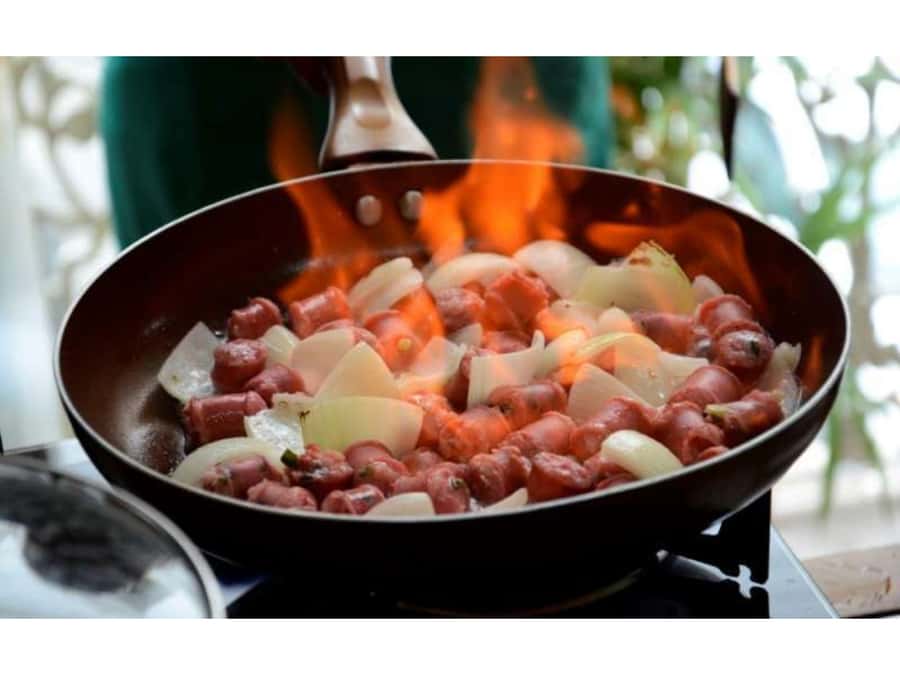
- The menu goes beyond one main course: Expect fried cheese, sausage, cassava sticks, flavored rice, farofa, and a changing dessert.
What this Copacabana cooking class is really about
This experience gives you a useful way to meet Brazilian food at close range. Instead of ordering one unfamiliar plate in a restaurant, you work through several ingredients and techniques, then taste how they fit together in a complete meal.
The class takes place in the Copacabana region of Rio de Janeiro. The setting is a cooking studio, and the instruction is led by a native Brazilian chef. That matters because the class is not limited to measurements and cooking times. You also hear about the place food holds in Brazilian culture and daily life.
Chef Simone is the central personality. She teaches in English, Portuguese, or Spanish, and the class is suitable for beginners as well as people who already cook. Her daughter sometimes assists, adding to the informal, friendly feel described by people who took the class together.
You should expect participation from the start. You are not just watching a chef assemble a polished plate. You help prepare the food and drinks, ask questions, and follow the cooking process with guidance from the instructor.
more Rio de Janeiro days to choose between
- Rio de Janeiro: Brazilian Cooking Class with Hotel Pickup
★ 5.0 · 5 reviews - Cooking class in Salvador, an authentic dinning experience
★ 5.0 · 132 reviews - 4h Cooking Class in Salvador with 9 Recipes & Bottomless Drinks
★ 5.0 · 73 reviews
Choosing between moqueca and feijoada
The choice of main dish is simple, but it affects the character of the class.
On Mondays, Wednesdays, and Fridays, the focus is seafood moqueca. This is a Brazilian fish dish prepared as the centerpiece of the meal. One class participant specifically praised the fish dish and enjoyed hearing about the history of food in Brazil while cooking it.
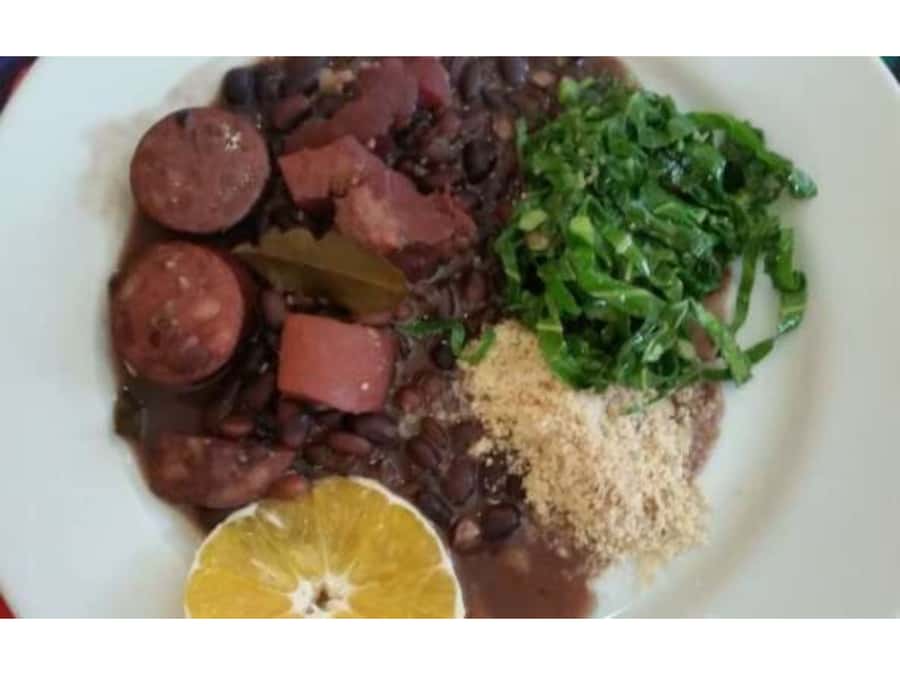
On Saturdays, you make feijoada, the substantial pork-and-black-bean dish. One particularly useful tip is to choose Saturday if feijoada is high on your list. It was singled out as a favorite, and it gives you a chance to work with one of Brazil’s best-known comfort foods.
The schedule means you should not assume you can choose either dish on any date. Check the day before booking, especially if your main reason for taking the class is to learn feijoada or moqueca.
The menu descriptions use both five courses and seven favorite recipes. The clearest way to understand this is that the class includes a five-course meal built from several separate preparations: fried cheese with spicy guava jam, sausage, the main dish, sides, drinks, and dessert. The exact course count may be presented differently by the provider, but you can expect a broad meal rather than one recipe.
Starting with Brazilian snacks and drinks
The meal begins with small, strongly Brazilian tastes. Fried cheese is served with spicy guava jam, pairing salty cheese with sweet heat. It is an easy opening dish, but it also gives you a quick lesson in the sweet-and-savory combinations common in Brazilian cooking.
You also prepare fried sausage slivers. This adds a savory snack to the opening part of the class and gives you another hands-on task before the main dish is ready.
The drinks are part of the cooking lesson, not just something poured at the end. You make a lime caipirinha, Brazil’s famous lime-and-cachaça cocktail, and a batida de coco, a coconut drink. Two alcoholic drinks are included with the meal.
This is worth noting if you do not drink alcohol. The supplied details identify both included drinks as alcoholic, so ask the provider about alternatives before booking if that matters to you. The class is also a poor fit for anyone looking for a strictly alcohol-free food activity unless an alternative is confirmed.
Preparing the main dish and Brazilian sides
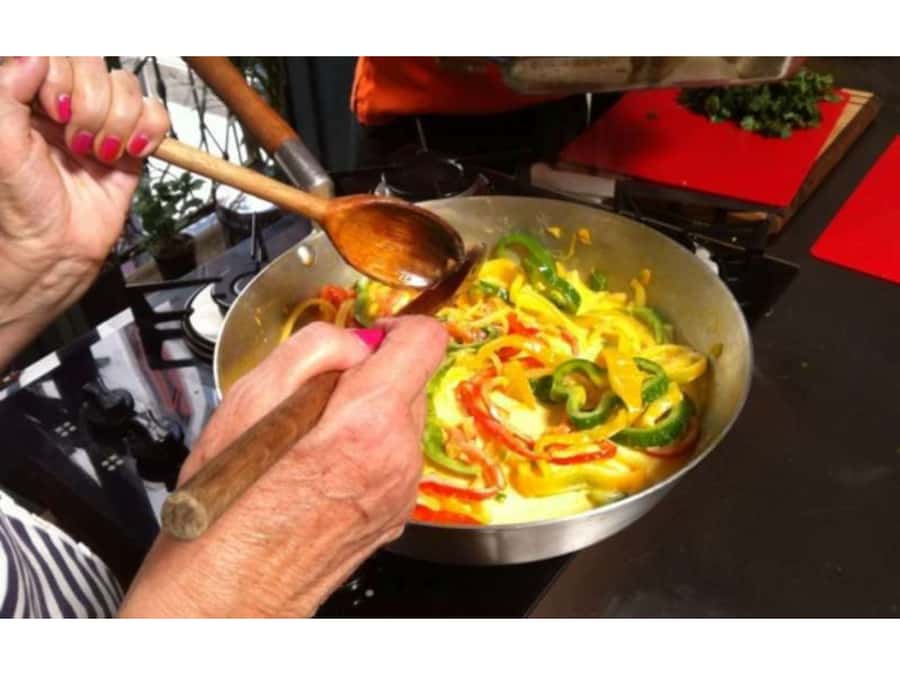
Once the opening dishes are underway, the class turns to moqueca or feijoada. Chef Simone guides you through the process and answers questions as you cook. The experience is designed for people with no prior cooking experience, so you do not need advanced kitchen skills to take part.
The sides give the meal much of its Brazilian character. Cassava sticks are served with the main dish, and the menu also includes banana farofa with flavored rice. Cassava is an important Brazilian staple, while farofa adds a toasted, grainy side element with banana for sweetness.
These side dishes are useful for home cooks because they are less familiar to many visitors than the headline recipes. You leave with more than a plan for seafood or beans. You also learn combinations that can turn a simple main course into a Brazilian-style meal.
The ingredient list is intended to be practical. The class states that the products used can be found around the world, which makes the recipes more useful after your return home. You may not find every Brazilian brand or exact ingredient in your local shop, but the recipes are meant to be repeated outside Rio.
That makes this more valuable than a meal that depends on rare local produce. You can ask questions about substitutions while you have the chef beside you, then try the dishes in your own kitchen later.
A different side of Rio de Janeiro altogether:
- Rio de Janeiro: 6-Stop Highlights of Rio with Lunch
★ 4.4 · 5,157 reviews - Christ the Redeemer Entry Ticket by Corcovado Train
★ 4.4 · 4,476 reviews - Rio de Janeiro: Rocinha Favela Walking Tour with Local Guide
★ 4.8 · 3,052 reviews - Rio: Christ the Redeemer, Sugarloaf, Selaron & BBQ Lunch
★ 4.5 · 2,428 reviews
Ending with dessert and a shared meal
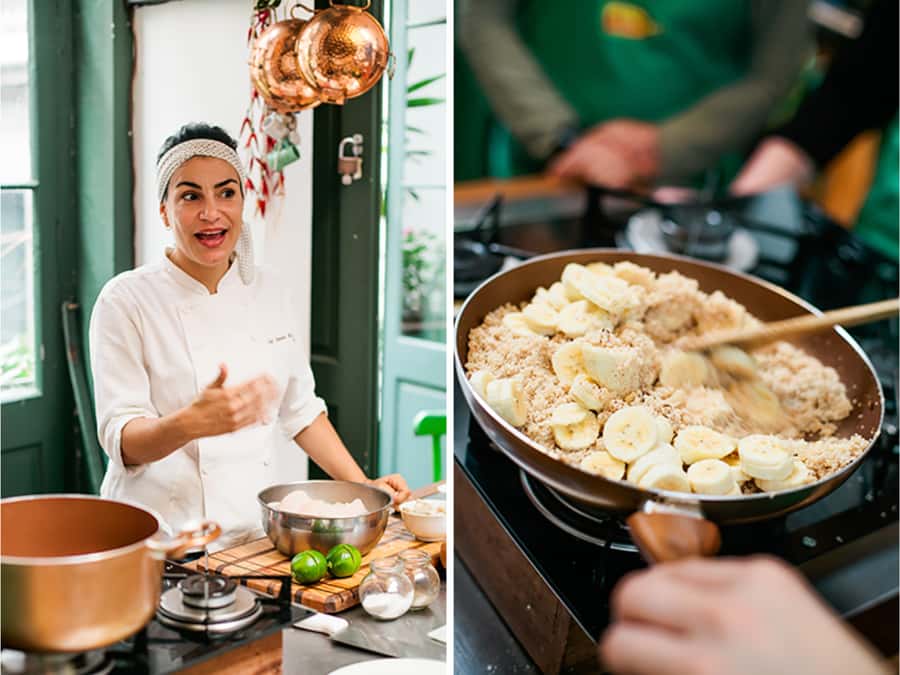
After the cooking is finished, you sit down with the instructor and eat what you prepared. That final meal is an important part of the format. You can taste each component while the cooking steps are still fresh in your mind, and you have time to continue the conversation.
Dessert changes according to the exotic fruit available or the sweets the chef produces on her farm. Possible examples include brigadeiro or doce de leite. Because the dessert varies, you should treat it as a pleasant surprise rather than a fixed menu item.
The meal also includes coconut drinks and caipirinhas, so the ending feels like a toast to the work you have done. The social setting is one of the strongest reasons to choose this class. People who attended with family or friends described the atmosphere as relaxed and personal, with time to chat as well as cook.
Chef Simone’s connection to Brazilian food and the country is another draw. One particularly strong account described her as helpful even after the class, offering contact afterward and sharing advice about Rio and Brazil. That suggests the experience can function as a friendly introduction to the city, not only a kitchen lesson.
Group size, languages, and the pace of the class
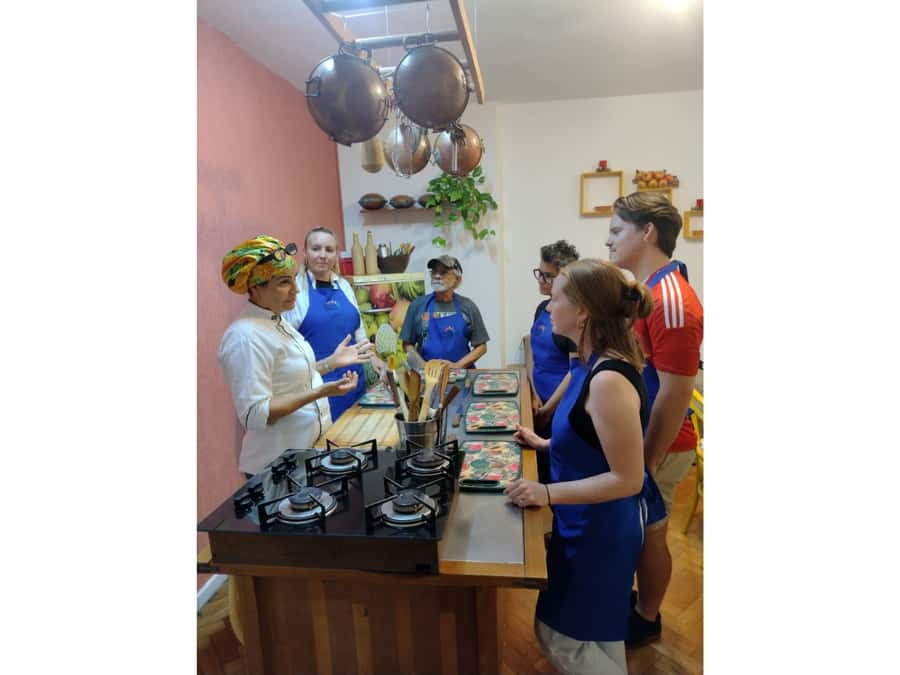
The group is limited to seven participants, and the activity is described as a private group experience. This combination should make the class more personal than a large demonstration. You have a better chance of handling ingredients, getting corrections, and asking about a technique without waiting through a long line of questions.
The class is offered in Portuguese, English, and Spanish. That is useful in Rio, where food terms and cooking explanations can move quickly. Select the language that lets you ask detailed questions, especially if you want to recreate the recipes at home.
The advertised duration needs a little care. The main description calls it a four-hour cooking class, while the activity details list three hours. Since the class includes preparation, several recipes, drinks, dining, and conversation, the actual schedule matters. Check the starting time and expected finish when reserving, particularly if you have evening plans or a flight connection.
No experience is required. I would recommend it to a first-time cook who wants clear guidance, but an experienced home cook should still find value in the Brazilian ingredients, side dishes, and cultural context.
Is $220 per person a fair price?
At $220 per person, this is not a budget meal or a casual market snack. You are paying for a small-group cooking lesson, all ingredients and equipment, five dishes, two drinks, instruction, and the time spent dining with the chef.
The price makes more sense if you value personal attention. A class capped at seven can give you more contact with Chef Simone than a large group session, and the three-language instruction is useful for people who want to ask precise questions. You also receive recipes and techniques that you can use after Rio, rather than only a prepared meal.
The value is weaker if you mainly want to eat Brazilian food. A restaurant meal will cost less, and you will not need to spend several hours cooking. This class earns its price through participation, cultural conversation, and the chance to repeat the dishes at home.
Transportation is not included. You need to make your own way to the Copacabana-area studio, so add that cost and travel time to your plans. The exact meeting details are not provided here, so confirm them before booking.
Taxes, VAT, handling charges, ingredients, equipment, the cooking class, five dishes, and two drinks are included. There should not be a separate charge for the basic cooking supplies listed in the activity details.
Who will enjoy this experience most?
I would choose this class if you like food enough to spend part of your Rio visit preparing it. It suits couples, families, and small groups who want a shared activity with a meal at the end.
It is also a good choice for a parent and older child who can take part in kitchen tasks together. A parent and son enjoyed the cook-along format, the fish dish, and the chance to talk with Chef Simone and her daughter.
Beginners should feel comfortable. The class promises no required experience, and the chef guides you through the work. If you are already a confident cook, focus on the chance to learn Brazilian combinations such as farofa, cassava, moqueca, and feijoada rather than expecting advanced culinary training.
I would be more cautious if you have strict dietary needs. The supplied information does not explain vegetarian, vegan, allergy-friendly, or alcohol-free substitutions. Ask before paying if those details affect your decision.
The same applies to anyone with limited time. The class is described as three hours in one place and four hours in another. Confirm the duration so you do not have to rush through the meal or miss another booking.
Booking advice for your Rio schedule
Pick the day based on the main dish you want. Monday, Wednesday, or Friday gives you moqueca. Saturday gives you feijoada. This is the most important scheduling detail.
Allow time to reach Copacabana because pickup and drop-off are not provided. The class begins at the studio, and the meeting location and starting times should be confirmed when you check availability.
The booking terms are flexible: you can cancel up to 24 hours in advance for a full refund, and you can reserve now and pay later. Those terms are useful if your Rio plans are still changing, though you should still check the final conditions at booking.
The provider is Gregtur Tourism. Instruction is available in Portuguese, English, and Spanish. The class is presented as a private group, with no more than seven participants.
Should you book this Brazilian cooking class?
Book it if you want to learn by doing, enjoy a relaxed meal with a local chef, and care about taking Brazilian recipes home with you. Chef Simone’s personal approach, the small group, and the mix of food stories, cooking, drinks, and conversation give the class more substance than a standard demonstration.
Choose a weekday for seafood moqueca or Saturday for feijoada, and confirm the duration before committing. At $220 per person, it is best for someone who values instruction and connection, not someone looking for the cheapest Brazilian dinner in Rio.
FAQ
Where does the cooking class take place?
The class takes place in a cooking studio in the Copacabana region of Rio de Janeiro.
How long does the class last?
The activity details list three hours, while the main description calls it a four-hour class. Confirm the exact duration and starting time when booking.
Which main dish will I cook?
You cook seafood moqueca on Mondays, Wednesdays, and Fridays. Saturday classes focus on pork-and-bean feijoada.
Do I need cooking experience?
No. The class is designed for beginners and experienced cooks, and the instructor guides you through the cooking process.
Which languages are available?
The class is offered in Portuguese, English, and Spanish.
How many people can join?
The group is limited to a maximum of seven participants and is described as a private group.
Are transportation and drinks included?
Transportation to and from the studio is not included. The class includes two alcoholic drinks, a lime caipirinha and a batida de coco, along with the cooking class, ingredients, equipment, five dishes, taxes, VAT, and handling charges.
New in Rio de Janeiro this month
- Discover Rocinha: Guided Tour of the Famous Favela★ 4.5 · 3 reviews
- Rio de Janeiro: Hang Gliding or Paragliding Flight★ 5.0 · 3 reviews
- Rio de Janeiro: Hang gliding adventure★ 3.7 · 3 reviews
- Rio de Janeiro: Pedra Bonita & Tijuca Forest Hike Tour★ 5.0 · 3 reviews
- Rio de Janeiro: Local Experience in Forró dance★ 5.0 · 3 reviews
- Rio de Janeiro: Doors-off 30-min helicopter tour★ 5.0 · 3 reviews
- Rio de Janeiro: Pedra do Telégrafo; Grumari/ Prainha Beaches★ 5.0 · 3 reviews
- Rio de Janeiro: Sugar Loaf with Lunch and Helicopter Flight★ 4.7 · 3 reviews
Rio de Janeiro Tours, compared.

Rio de Janeiro: 6-Stop Highlights of Rio with Lunch
Read our review →
Christ the Redeemer Entry Ticket by Corcovado Train
Read our review →
Rio de Janeiro: Rocinha Favela Walking Tour with Local Guide
Read our review →
Rio: Christ the Redeemer, Sugarloaf, Selaron & BBQ Lunch
Read our review →
Rio De Janeiro: Half-Day Rocinha Favela Walking Tour
Read our review →
Rio de Janeiro: Angra dos Reis and Ilha Grande Full-Day Tour
Read our review →
Rio de Janeiro: Beginner Samba Lesson in Ipanema
Read our review →
Browse the lists this tour appears in