
Our review · SALVADOR TOURS
Cooking class in Salvador, an authentic dinning experience
Salvador’s best food lesson may begin with a cold caipirinha in a home kitchen, not a restaurant dining room. With Karla guiding you, you prepare a full Bahian meal from scratch, starting with snacks and ending with moqueca, coffee, and liqueur.
I like the hands-on format and the way the class links ingredients to Brazilian food traditions. I also like the personal advice from Karla, who can explain where to eat in Salvador and adjust the menu for dietary needs or for people who do not enjoy seafood. The main consideration is that this is a four-hour meal-making session, so it suits you best if you want conversation and participation rather than a quick cooking demonstration.
Key points to know
- Eight Brazilian recipes: Prepare appetizers, side dishes, a main course, dessert, and drinks.
- Karla hosts in her home: The setting is relaxed, social, and more personal than a standard culinary school.
- Moqueca is the centerpiece: You marinate fish, prawns, or other seafood, then serve it with rice, pirão, and farofa.
- Caipirinhas are part of the lesson: You make them with a fruit of your choice, with nonalcoholic options available.
- Menu changes are possible: Vegetarian, vegan, and gluten-free needs can be requested when booking.
- Stella Maris location: The class begins and ends at R. Eng. Adozindo Magalhães, 255, with no private transportation included.
A caipirinha starts the Salvador cooking class
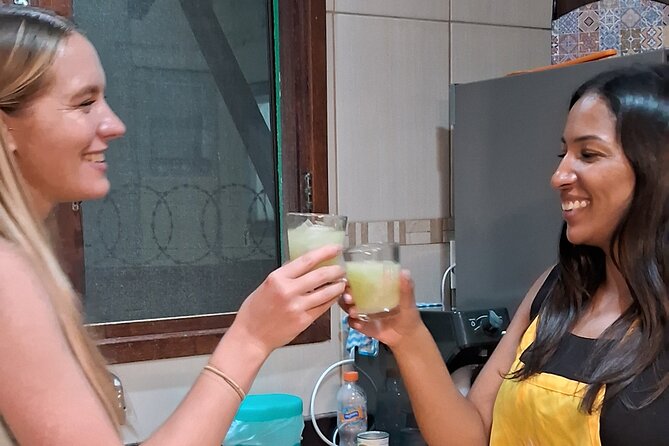
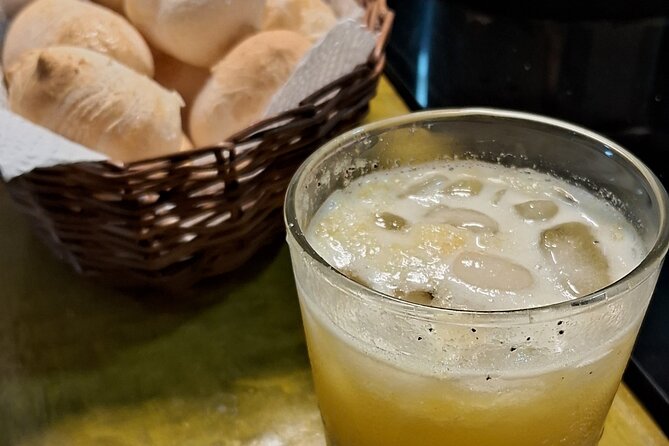
The class begins with one of Brazil’s most familiar drinks, made your way with a fruit of your choice. You prepare caipirinhas while tasting appetizers, then move into the first recipes. If you prefer not to drink alcohol, you can have a fruit cocktail without alcohol, Brazilian tea, soda, sparkling water, or other nonalcoholic choices.
This opening matters because the class is built around doing, tasting, and talking. You are not simply watching Karla cook while taking notes. You handle ingredients, ask questions, and eat small bites as the meal takes shape.
The pace is social rather than rushed. That makes the class a good choice for couples, families, or a private group that wants a shared activity in Salvador. It also means you should not expect a tightly timed professional kitchen lesson. The fun comes from the relaxed rhythm.
more Salvador days to choose between
- 4h Cooking Class in Salvador with 9 Recipes & Bottomless Drinks
★ 5.0 · 73 reviews - Rio de Janeiro: Brazilian Cooking Class with Hotel Pickup
★ 5.0 · 5 reviews - Rio de Janeiro: Brazilian Cooking Class in Rio de Janeiro
★ 5.0 · 4 reviews
Pão de queijo and the ingredients behind Brazilian food
One of the first cooking tasks is pão de queijo, Brazil’s chewy cheese bread. Karla explains the ingredients and where they come from, giving you useful context before the bread reaches the table.
The class also introduces vegetables prepared in a simple Brazilian style. This may sound basic, but it helps you notice how much of the country’s home cooking depends on good ingredients and straightforward preparation. You get to taste the vegetables as you work, rather than treating them as background material.
I like this part because it gives you recipes you may actually repeat at home. Moqueca can feel like a special-occasion dish, but pão de queijo, vegetable sides, rice, and brigadeiro are more approachable souvenirs of the meal.
The food lesson is also tied to Bahia. Salvador’s cooking carries African, Indigenous, and Portuguese influences, and the class presents those roots through familiar ingredients and traditional combinations. The experience does not try to turn a four-hour meal into a formal history lecture. Instead, food provides the entry point.
Queijo coalho, pineapple pepper jelly, and shrimp tapioca
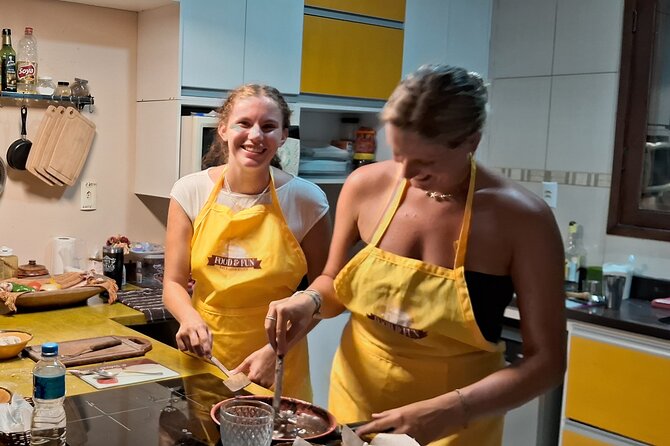
The appetizer course adds some of the class’s more distinctive combinations. Queijo coalho, a firm Brazilian cheese often served grilled, is paired with a pineapple pepper jelly. The sweet fruit and gentle heat give the cheese a sharper, more interesting partner than a plain sauce.
You also prepare camarão na tapioca, or deep-fried shrimp in tapioca. This brings together seafood and one of Brazil’s important native ingredients. If you enjoy trying regional snacks, this is one of the more memorable parts of the menu.
The class can be adjusted if seafood is not your thing. Karla has changed the menu for a participant who said they did not enjoy seafood, creating a more personal meal instead. You should state your preferences when booking rather than waiting until the class begins.
That flexibility is especially useful for a private activity. Only your group participates, so a menu adjustment does not require a large class to agree on a different plan. Vegetarian, vegan, and gluten-free requests can also be accommodated when noted in advance.
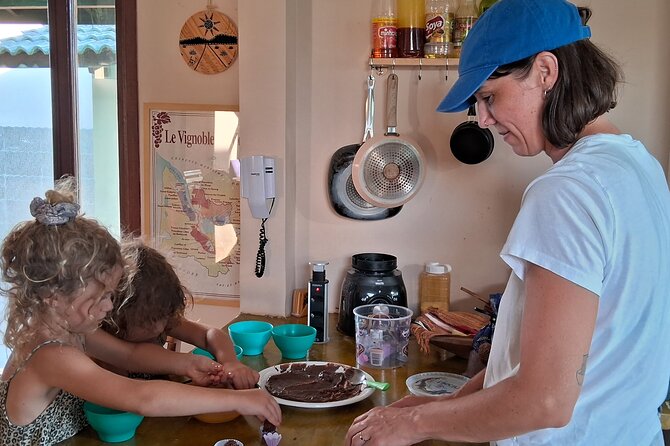
Brigadeiro comes first because dessert needs time
Before the main course, you make brigadeiro, a traditional Brazilian sweet. It is simple to prepare and widely found in Brazilian cafes, but the class makes it part of the meal rather than an afterthought.
The reason for preparing it early is practical. The dessert needs time to cool, so making it near the start lets you finish the class with a ready sweet. This small bit of kitchen planning shows how the recipes fit together in a real home meal.
Brigadeiro is also a good choice for anyone who wants a recipe with an easy path from class to home kitchen. You do not need to wait for a special trip to find the ingredients or recreate the entire Bahian menu. The sweet is a manageable reminder of the afternoon.
You then move on to the main course, giving the class a clear progression from drink and snack to dessert preparation, seafood, side dishes, coffee, and liqueur.
A different side of Salvador altogether:
- Tour to the Frades Islands and Itaparica, from Salvador – Ba
★ 4.0 · 130 reviews - From Salvador: Schooner Tour to Frades Islands and Itaparica
★ 3.9 · 98 reviews - Tour Praia do Forte and Guarajuba, Leaving Salvador-Bahia.
★ 4.5 · 97 reviews - Afro-Brazilian Roots Private City Tour in Salvador
★ 4.7 · 88 reviews
Moqueca gives the meal its Bahian character
The main dish is moqueca, prepared with fish, prawns, or other seafood. You marinate the main ingredient before cooking it, learning how the seasoning builds flavor rather than simply adding a sauce at the end.
Moqueca is served with several classic partners: Brazilian-style rice, pirão, and farofa. Each one changes the meal. Rice gives you a mild base, pirão adds a soft and savory texture, and farofa brings a toasted, crumbly contrast.
This is the part of the class where the menu feels most like a full Brazilian dinner. You are not making one isolated dish. You are learning how a main course works with its traditional sides, which helps you understand the meal as it would be served at home.
The seafood focus is worth noting before you book. The published menu centers on moqueca, shrimp tapioca, and other coastal ingredients. If you love seafood, that is a strong reason to choose this class. If you do not, contact Karla in advance and ask for the available alternative.
Coffee from Bahia and a final drink
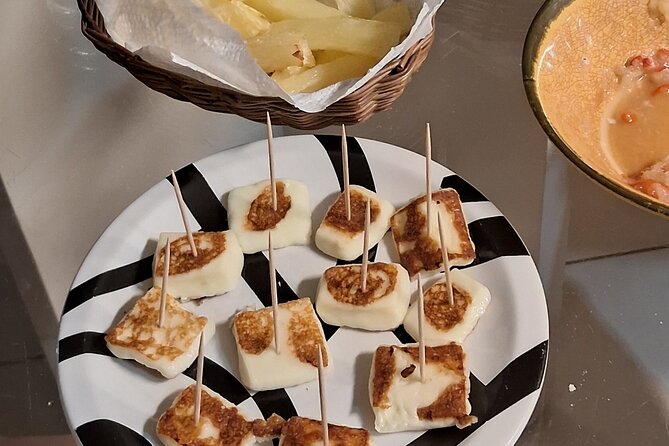
The meal closes with Brazilian coffee from the Bahia region, followed by liqueur. Tea, guarana, sparkling water, and other drink choices are available during the experience as well.
This final course keeps the class from feeling like a meal that ends the moment the main dish is cleared. You have time to sit, talk, and ask for more food suggestions. Karla also shares tips about Salvador and, according to the experience details, can offer ideas for eating in Salvador and São Paulo.
Those conversations may be one of the class’s most useful extras. A cooking class gives you something more practical than a list of restaurant names because you can discuss flavors, ingredients, and the kinds of dishes you have just prepared.
The Stella Maris setting and possible market visit
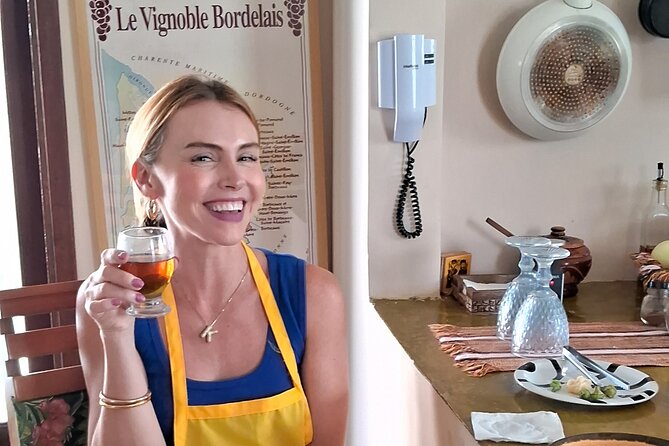
The cooking class takes place at Karla’s home in Stella Maris, at R. Eng. Adozindo Magalhães, 255. The activity begins and ends there, and private transportation is not included.
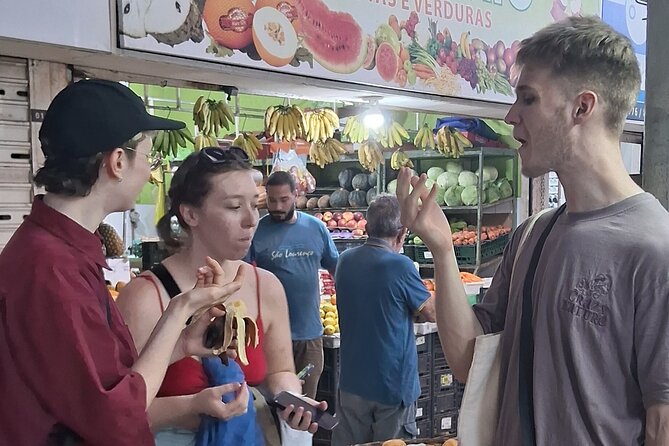
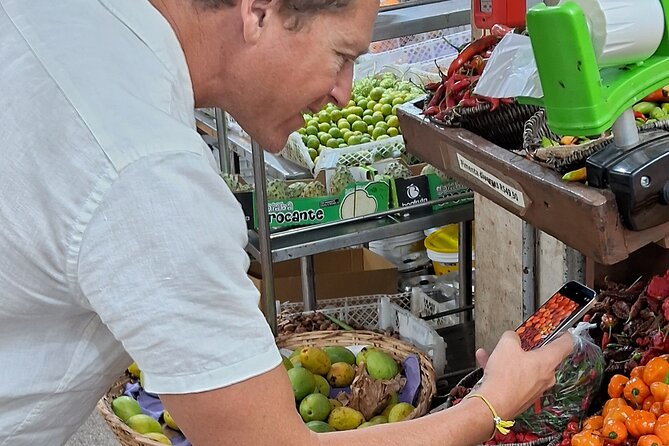
Some arrangements have included a visit to a market before going to the home. In that version, Karla showed the group local foods, fruits, sweets, and even cachaça, answering questions while they looked around. If seeing a market is important to you, confirm the exact plan before booking, because the cooking-only option starts at the home.
The neighborhood is described as safe and easy to access, with public transportation nearby. Still, you need to arrange your own way there. Build that transfer into your plans, especially if you are unfamiliar with Salvador.
The home setting changes the tone. You get a more personal afternoon than you would in a commercial cooking studio, with conversation about food, local life, and places to eat. The tradeoff is that the experience depends on enjoying a domestic setting and a slower, more informal format.
What the $68.67 price really covers
At $68.67 per person, the value comes from the amount of food and participation included. You are not paying for one recipe and a small tasting. You prepare eight recipes across appetizers, the main course, side dishes, and dessert, while also making and drinking caipirinhas.
The included meal is substantial: pão de queijo, queijo coalho with pineapple pepper jelly, shrimp tapioca, brigadeiro, moqueca, rice, pirão, and farofa. Coffee and liqueur finish the meal, and nonalcoholic drinks are available.
For you, the strongest value is the combination of instruction and dinner. A restaurant meal would let you taste moqueca, but not learn how to marinate the seafood or make the side dishes. A formal class might teach technique, but not provide the same home-hosted conversation and local eating advice.
The price is less attractive if you are looking only for a short demonstration or if you plan to skip most of the menu. It also does not include private transportation, so that cost and planning remain yours.
Who will enjoy this class most
I would choose this experience if you like cooking with other people, asking questions, and learning through a meal. It works well for anyone who wants more contact with Brazilian food than a restaurant menu can provide.
It is also a strong fit if you enjoy seafood and want to understand moqueca in its wider setting. You will learn not just the centerpiece, but also the rice, pirão, and farofa that make it a complete meal.
Families and private groups may appreciate the flexible structure. Since only your group takes part, you can request vegetarian, vegan, or gluten-free changes. People who do not drink alcohol can choose a nonalcoholic fruit cocktail or other available drinks.
You may want to skip it if you dislike long meals, home-based activities, or group conversation. The class lasts about four hours, and much of its appeal comes from the time spent preparing and eating together. This is not the right pick if you need to fit in a dozen Salvador sights in one afternoon.
Practical details before you book
Confirmation is provided at booking. The meeting point is the home in Stella Maris, and the activity returns there at the end.
You can cancel for a full refund if you do so at least 24 hours before the local start time. Changes made inside that 24-hour window are not accepted, and late cancellations are not refunded.
Service animals are allowed, and the location is near public transportation. Dietary restrictions should be stated when you book. Do not assume a last-minute change will be possible, particularly if it affects the seafood-centered menu.
The class is booked an average of 17 days ahead, so I would not leave it until the last moment if your Salvador schedule is fixed. With a five-star rating from 132 reviews and 100 percent recommendation, demand appears steady, but the main reason to reserve early is to match the class with your preferred day.
Should you book Karla’s Salvador cooking class?
Book it if you want a personal, hands-on meal and you are happy to spend four hours cooking, eating, and talking. The menu gives you a broad look at Brazilian food, from caipirinha and pão de queijo to moqueca, farofa, brigadeiro, and Bahia coffee.
I would especially recommend it to seafood lovers, curious home cooks, and anyone who values local advice as much as a recipe. Ask about a market visit if that interests you, and mention any dietary needs or seafood dislikes before the day.
Skip it if you want a fast activity, a restaurant-only meal, or a class with strict professional-kitchen structure. For the right person, though, the price buys far more than dinner. You leave with recipes, a better sense of Brazilian ingredients, and practical ideas for eating well in Salvador.
FAQ
Where does the cooking class take place?
The class takes place at Karla’s home at R. Eng. Adozindo Magalhães, 255, in Stella Maris, Salvador. The activity ends back at the same meeting point.
How long does the experience last?
The cooking class lasts approximately four hours.
What food will I prepare?
You prepare eight recipes, including pão de queijo, queijo coalho with pineapple pepper jelly, shrimp tapioca, brigadeiro, moqueca, Brazilian-style rice, pirão, and farofa.
Is seafood part of the menu?
Yes. The main course is moqueca made with fish, prawns, or other seafood, and shrimp tapioca is also included. Menu changes can be requested if you do not eat seafood.
Are drinks included?
Yes. You can make and drink caipirinhas with a fruit of your choice. Brazilian tea, guarana, sparkling water, Brazilian coffee, liqueur, and a nonalcoholic fruit cocktail are also available.
Can dietary restrictions be accommodated?
Vegetarian, vegan, and gluten-free restrictions can be accommodated. You should provide this information when booking.
Is private transportation included?
No. Private transportation is not included. The meeting point is near public transportation.
Is this a private activity?
Yes. Only your group participates in the cooking class.
What is the cancellation policy?
You can cancel at least 24 hours before the local start time for a full refund. Cancellations or changes made less than 24 hours before the start are not accepted for a refund.
New in Salvador this month
- From Salvador: Schooner Tour to Frades Island★ 3.9 · 3 reviews
- From Salvador: Quilombo Heritage Daytrip with Lunch★ 3.4 · 3 reviews
- Salvador: Caipirinha Masterclass with Unlimited Drinks★ 4.2 · 4 reviews
- Salvador: Schooner Cruise with Pickup and Itaparica Stop★ 3.8 · 5 reviews
- BOXE CLASS – EX BAHIAN CHAMPION (SALVADOR-BA)★ 5.0 · 7 reviews
- Salvador by Night: Pelourinho & Old Town Tour★ 4.3 · 8 reviews
- Salvador: 3-Hour Percussion Class★ 4.9 · 10 reviews
- Salvador: Traditional Drumming and Percussion Workshop★ 4.4 · 10 reviews
Salvador Tours, compared.

Tour to the Frades Islands and Itaparica, from Salvador – Ba
Read our review →
From Salvador: Schooner Tour to Frades Islands and Itaparica
Read our review →
Tour Praia do Forte and Guarajuba, Leaving Salvador-Bahia.
Read our review →
Afro-Brazilian Roots Private City Tour in Salvador
Read our review →


Schooner Trip Only Ilha dos Frades, Leaving Salvador-Bahia.
Read our review →
4h Cooking Class in Salvador with 9 Recipes & Bottomless Drinks
Read our review →Browse the lists this tour appears in