
Our review · SALVADOR TOURS
From Salvador: Quilombo Heritage Daytrip with Lunch
The most meaningful part of this day trip is not a grand monument. It is the chance to sit with a Quilombola elder, hear about community life, and then work with your hands on the making of manioc flour and palm oil. This is a cultural visit rooted in daily work, not a staged dance show.
I like the stop at Santo Amaro’s public market and the journey through sugar cane, manioc, and tobacco farms. I also like the small-group format, which gives you a better chance to ask questions and have an actual conversation. The main drawback is value: at $170 per person, the practical demonstrations may feel brief if you expect a full day of hands-on activities.
Key points to know before booking
- Manioc flour is the day’s central lesson: You learn how a basic Brazilian staple is made, rather than simply being told about it.
- The Quilombo Kaonge visit is personal: Time with a community elder gives the stop a human focus.
- Santo Amaro adds useful context: Its market and old houses help explain the area’s plantation economy.
- Cachoeira closes the day with colonial sights: You cross the Paraguaçu River and visit the Danneman cigar factory.
- The group is kept small: The activity is described as limited to four participants, while other details mention a maximum of six, so confirm the final group size when booking.
- Lunch is included, drinks are not: A vegetarian meal is available if requested ahead of time.
Why the Bahia Recôncavo makes a worthwhile day trip
Salvador is the natural base for exploring Bahia’s Recôncavo, the broad area around the Bay of All Saints. The region brings together Portuguese colonial rule, sugar production, African cultural traditions, and the long struggle of enslaved people and their descendants to shape their own communities.
That background matters here. This is not simply a trip from one pretty town to another. Santo Amaro, the Quilombo Kaonge community, and Cachoeira each show a different part of the same story.
You begin with the town’s public face: a market, old secular houses, and streets shaped by the sugar economy. You then move into rural areas where manioc, tobacco, and sugar cane are grown. At Kaonge, the focus shifts from colonial commerce to the knowledge preserved within a Quilombola community.
The day ends in Cachoeira, one of the Recôncavo’s key cities. That sequence gives the outing a clear rhythm. You start with history in the streets, see agriculture along the road, share time with a living community, and finish with architecture and industry.
more Salvador days to choose between
- Full-Day Historic Private City Tour of Salvador with Lunch
★ 5.0 · 50 reviews - Salvador: Anthropological City Tour with Lunch IN 6 HOURS
★ 4.9 · 20 reviews - Rio de Janeiro: 6-Stop Highlights of Rio with Lunch
★ 4.4 · 5,157 reviews
Santo Amaro, market life and plantation history
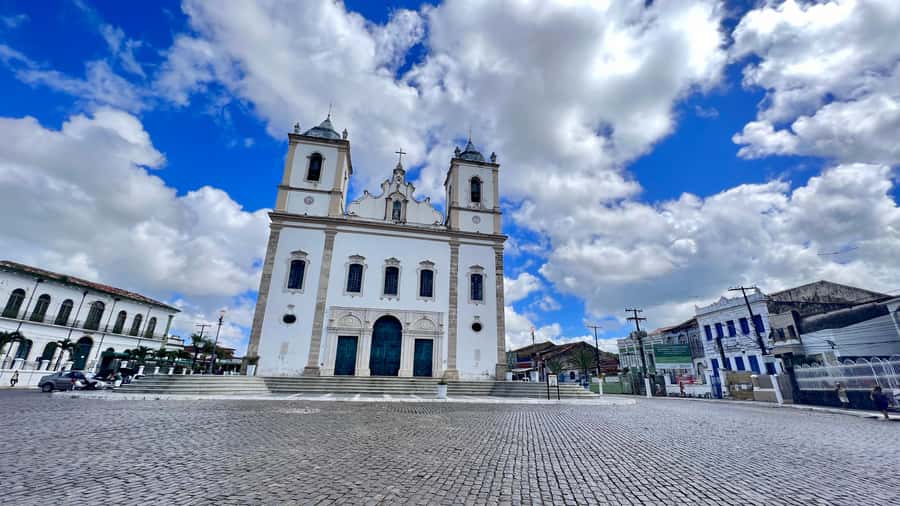
The first planned stop is Praça da Purificação in Santo Amaro, with about 30 minutes for a guided visit and sightseeing. The square is a useful place to begin because it links the town’s public life with its past.
Santo Amaro’s economy was driven largely by sugar cane plantations and enslaved labor. You will see secular houses and the public fair, where the town’s daily trade offers a more grounded view than a museum display. The market stop is short, so think of it as an introduction rather than a full food tour or long walking exploration.
I like this part because it gives you a frame for everything that follows. When the road later passes sugar cane, manioc, and tobacco farms, you already have some sense of how crops and labor shaped the region.
The limitation is time. Thirty minutes is enough to look around and listen to the guide, but not enough for a slow architectural study. If you enjoy lingering over town squares, you may wish this stop were longer. Still, it is a sensible opening to the day and keeps the focus on the wider region.
The road to Quilombo Kaonge
From Santo Amaro, the route continues through rural Bahia toward Quilombo Kaonge. The drive is part of the lesson, since the crops along the way connect directly to the community visit.
You will pass areas devoted to sugar cane, manioc, and tobacco. These are not random country views. They point to the food, trade, and labor systems that have supported the Recôncavo for generations.
The experience is strongest when you treat the ride as preparation for the visit rather than dead time between attractions. Listen for the guide’s explanation of how farming fits into local life, and use the drive to think about the difference between seeing a crop in a field and understanding how it becomes food or a product.
The tour is conducted in English, Spanish, or Portuguese, which is useful in a region where a good explanation can make a major difference. Wilson is the guide name associated with this experience, and he has been specifically praised for bringing humor and useful information to the day. Since guide assignments can vary, confirm who will lead your departure if that matters to you.
Meeting the community elder
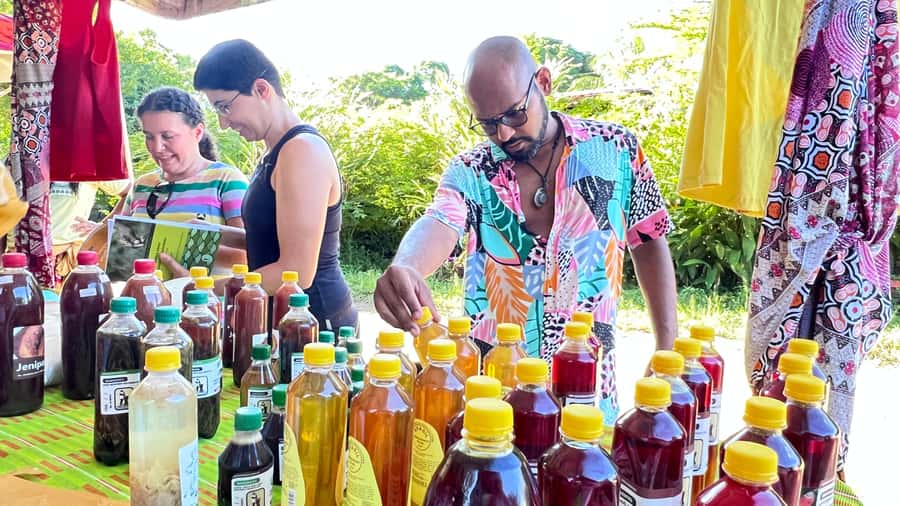
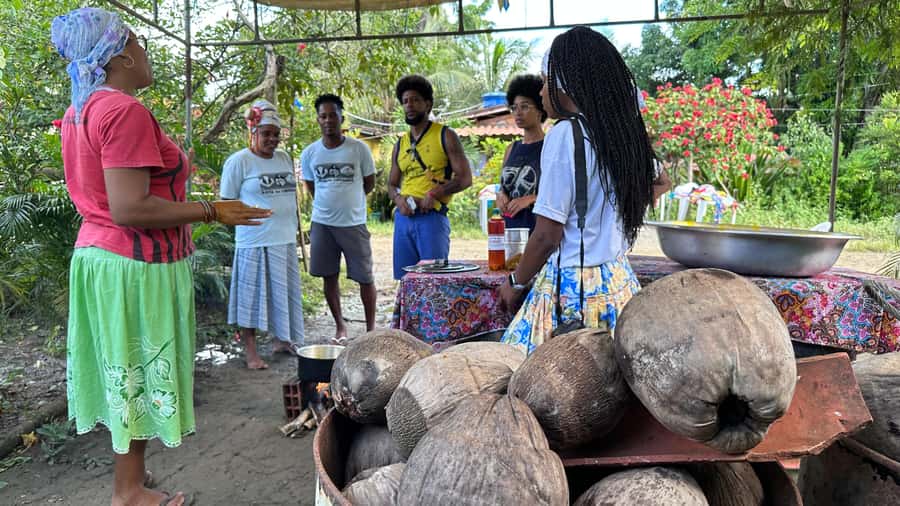
At Quilombo Kaonge, you have time to talk with a griô, or elder, of the community. This is the heart of the experience.
A griô carries community memory through spoken knowledge, stories, and practical understanding. The value of this meeting is not just historical information. It gives you a chance to hear directly from someone connected to the community and to ask questions about traditions, work, and everyday life.
Keep your expectations realistic. This is a guided cultural visit, not a private research appointment. The amount of conversation will depend on the schedule, translation, and the group itself. A small group helps, since four people can usually ask more questions than a full coach party. The advertised details vary between a limit of four and a maximum of six, so ask the provider to confirm the number before paying.
You should also approach the visit with respect. The community is not a backdrop for photographs. Pay attention, listen before jumping in with questions, and let the guide explain when photography or participation is appropriate.
more history walks in Salvador
- Salvador Historic Walking Tour – Pelourinho
★ 4.8 · 62 reviews - Historical African oriented City Tour
★ 5.0 · 52 reviews - Historic City Tour in Salvador
★ 3.6 · 17 reviews - Rio de Janeiro: Historic Rio and Santa Teresa Half-Day Tour
★ 4.4 · 228 reviews
Making manioc flour with your own hands
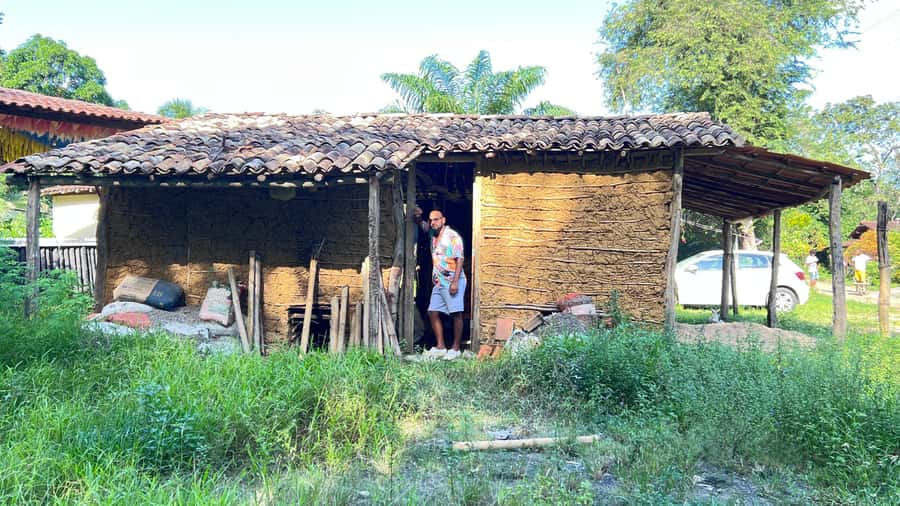
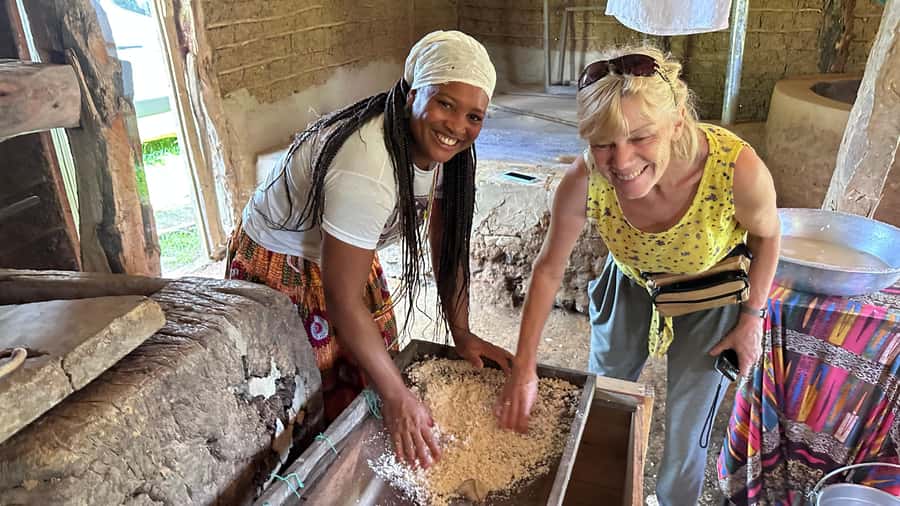
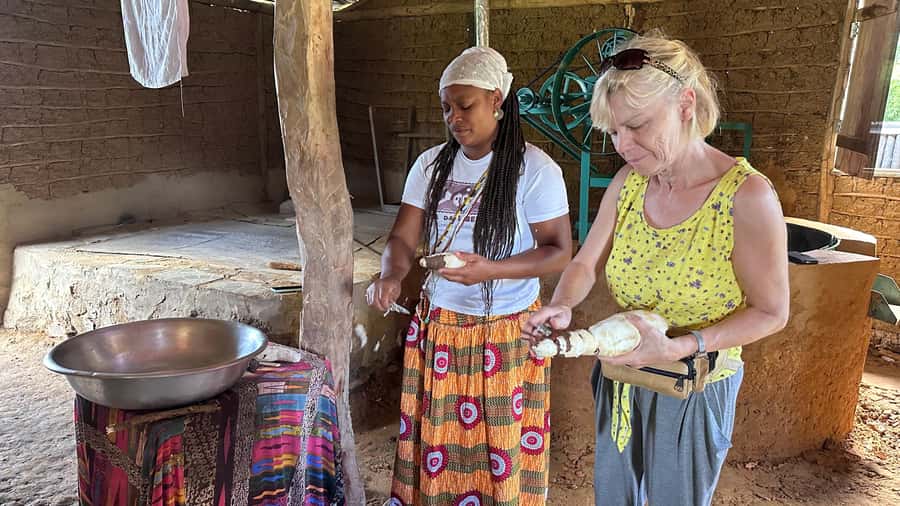
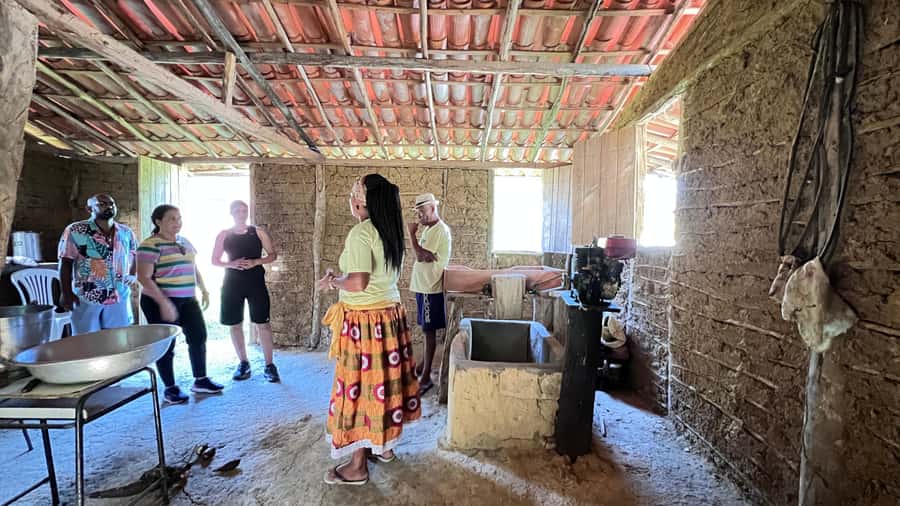
The practical lesson centers on manioc flour, one of Brazil’s most important staple foods. You will learn about the process and take part in its manufacture rather than only watching a demonstration.
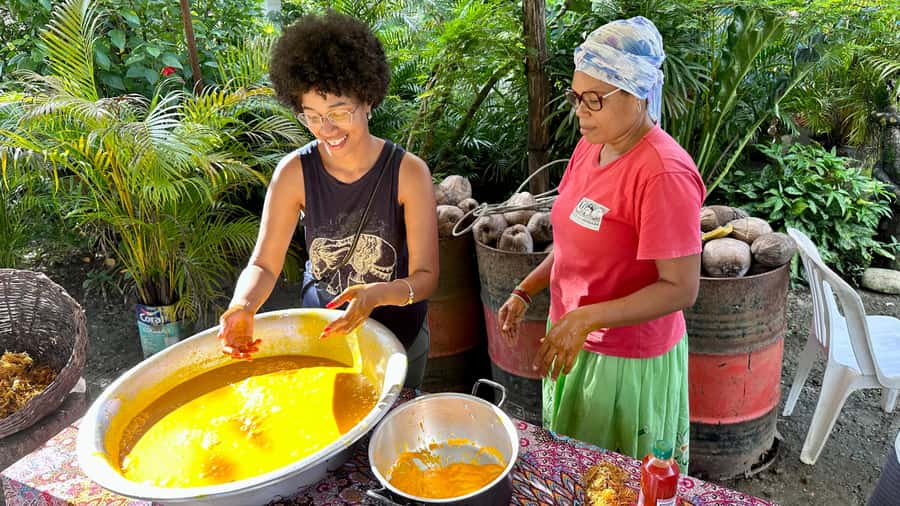
The tour also includes instruction in making palm oil. These activities connect food to labor in a direct way. A finished bag of flour on a shop shelf hides a long chain of work, while this visit lets you see at least part of that process.
This is where the tour’s promise is both appealing and limited. The chance to put your hands to work gives the day a stronger sense of place than a standard sightseeing stop. At the same time, the demonstrations may be fairly basic and short. If you picture hours of detailed agricultural instruction, you may find the activity lighter than expected.
I would book this for the chance to learn through participation, not for a major workshop. The setting and the conversation with the elder give the flour-making lesson meaning. Without that human context, the activity alone might not justify the price.
Lunch and regional food
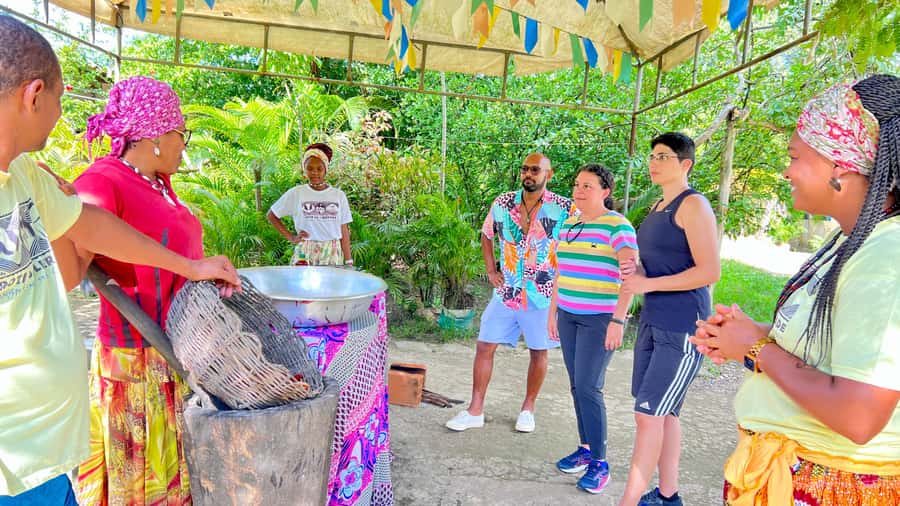
Lunch is included and takes place during the extended community portion of the day. The schedule allows roughly three and a half hours for the main visit, including the community experience, lunch, guided time, walking, and free time.
That longer block is important. It prevents the Quilombo Kaonge stop from becoming a quick photo call and leaves room for eating and conversation. Regional food is part of the experience, since taste tells you something about local crops and cooking habits in a way a lecture cannot.
Drinks are not included, so budget for those separately. If you need a vegetarian option, request it when booking. Do not wait until the morning of the trip, since the meal is arranged as part of the community visit.
The available information does not provide a fixed menu, so you should not book expecting a particular dish. Instead, approach lunch as a chance to eat regional food in the setting where the day’s agricultural lessons make sense.
Cachoeira and the Paraguaçu River crossing
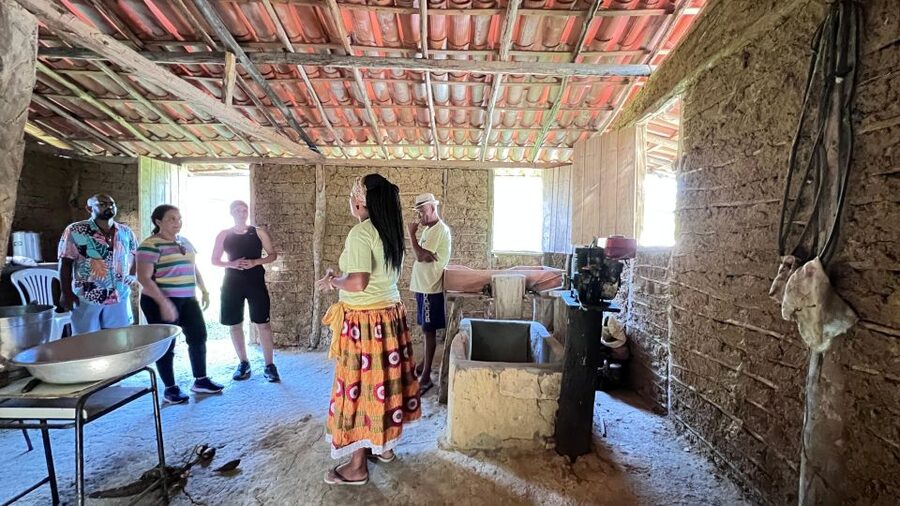
In the afternoon, you continue to Cachoeira, described as the most important city in the Recôncavo region. The town is known for its colonial character, and it provides a change of pace after the rural visit.
One of the day’s memorable details is the crossing of the Paraguaçu River on a bridge built by the English in 1830. The bridge gives you a clear physical link between the region’s waterways, colonial commerce, and the movement of people and goods.
This is a sightseeing stop rather than a long independent exploration. The schedule has already included Santo Amaro and the community visit, so your time in Cachoeira will be limited. That may disappoint you if colonial architecture is your main reason for visiting the Recôncavo.
Still, the stop works well as a final chapter. Santo Amaro introduces the plantation economy, Kaonge shows community life and production, and Cachoeira brings you back to the built history of the region.
The Danneman cigar factory
After crossing the river, the route continues to the Danneman cigar factory. The visit adds another layer to the region’s working traditions and commercial history.
The supplied details do not specify how long you spend inside the factory or exactly what parts of cigar production you see. I would therefore treat it as a short final visit, not as the main attraction of the day.
Its inclusion makes sense geographically and thematically. The outing is interested in how Bahia’s products are grown, made, and traded. Manioc flour and palm oil belong to everyday food culture, while cigars represent another long-established local craft.
You return to Salvador after this stop, completing an eight-hour day. Hotel pickup and drop-off are included, which is especially useful because the Recôncavo is not a simple place to cover by public transport in one day.
What $170 really buys you
At $170 per person, this is not a bargain day trip based on the number of activities alone. You are paying for private transportation from Salvador, hotel pickup and return, a guide, lunch, and access to a community-based experience that would be difficult to arrange independently.
The small group helps the value. If your group is limited to four, the guide can spend more time answering questions and managing the transitions between Santo Amaro, Kaonge, and Cachoeira. If the group reaches six, the experience can still feel personal, but the conversation may be less flexible.
The price becomes harder to justify if you want nonstop attractions or long hands-on sessions. The practical work at the Quilombo may consist of a few basic demonstrations. One assessment of the experience found the guide excellent but the activities too limited for the cost. That is a fair warning, especially for visitors comparing several Quilombo tours.
I see the value in the cultural access and the convenience, not in the sheer quantity of stops. You are buying a guided introduction to a part of Bahia that can be logistically awkward to visit alone. If that kind of context matters to you, the price may be reasonable. If you measure value by the number of hours actively doing things, it may feel high.
Timing, comfort and what to wear
The total duration is eight hours, with starting times based on availability. Hotel lobby pickup and drop-off simplify the day, since you do not need to find a separate meeting point in Salvador.
Wear smart casual clothing. That fits the mix of town walking, rural roads, community activities, lunch, and sightseeing. Choose clothing that allows you to participate comfortably in the manioc and palm oil demonstrations.
The activity is listed as wheelchair accessible, but the day includes walking through a market, community areas, and sightseeing locations. If you use a wheelchair, confirm the exact arrangements for each stop before booking, since access can vary from one site to another.
The tour includes transportation, an accredited guide, lunch, and the small-group format. Drinks cost extra. Free cancellation is available up to 24 hours before departure, and you can reserve now and pay later if you need to keep your schedule flexible.
Who will enjoy this experience most
I would recommend this day to you if you care more about local work, food, and community voices than about collecting major monuments. It suits visitors who want to understand how the Recôncavo connects agriculture, African heritage, colonial history, and present-day life.
It is also a good fit if you prefer a guided day with door-to-door transport. The route covers several places, and the included ride removes much of the planning burden.
You may be less satisfied if you want a long cooking class, a detailed factory tour, or extensive free time in Cachoeira. The outing offers several brief windows into the region rather than one large, highly developed attraction.
For families and older visitors, the eight-hour structure may be easier than arranging separate transport. For serious photographers or architecture fans, the short town stops may feel rushed. For first-time visitors to Bahia, though, the broad range of subjects makes the day useful.
Final decision: should you book it?
Book this Quilombo heritage day trip if you want a thoughtful introduction to the Bahia Recôncavo and value direct contact with a community elder, regional food, and practical demonstrations. The route has a good balance of town history, farming, community life, and colonial sights.
Before booking, ask two direct questions: Will the group be limited to four or could it reach six, and how much hands-on time is planned at the Quilombo? Those answers will help you judge the $170 price.
My verdict is cautiously positive. Wilson’s reported guiding style is a strong point, and the subject matter is worthwhile. Just keep your expectations grounded: this is a guided cultural day with short demonstrations, not an intensive workshop. If that distinction suits you, it offers a useful and human-scale way to see beyond Salvador.
FAQ
How long does the Quilombo heritage day trip last?
The experience lasts eight hours, including transportation from Salvador, the visits, lunch, and the return to Salvador.
Does the tour include hotel pickup and drop-off?
Yes. Pickup and return transportation are included, with pickup from your hotel lobby in Salvador.
What languages are available for the guide?
The live guide service is available in English, Spanish, and Portuguese.
Is lunch included?
Yes. Lunch and regional food are included, but drinks are not. A vegetarian option is available if you request it when booking.
What will I do at Quilombo Kaonge?
You will meet a community elder, learn about daily life, and participate in the process of making manioc flour and palm oil.
How large is the tour group?
The experience is described as a small-group tour. One detail says the group is limited to four participants, while another refers to a maximum of six, so confirm the final group size with the provider before booking.
New in Salvador this month
- From Salvador: Schooner Tour to Frades Island★ 3.9 · 3 reviews
- Salvador: Caipirinha Masterclass with Unlimited Drinks★ 4.2 · 4 reviews
- Salvador: Schooner Cruise with Pickup and Itaparica Stop★ 3.8 · 5 reviews
- BOXE CLASS – EX BAHIAN CHAMPION (SALVADOR-BA)★ 5.0 · 7 reviews
- Salvador by Night: Pelourinho & Old Town Tour★ 4.3 · 8 reviews
- Salvador: 3-Hour Percussion Class★ 4.9 · 10 reviews
- Salvador: Traditional Drumming and Percussion Workshop★ 4.4 · 10 reviews
- Salvador: CAPOEIRA CLASS – CULTURAL★ 4.6 · 13 reviews
Salvador Tours, compared.
Cooking class in Salvador, an authentic dinning experience
Read our review →
Tour to the Frades Islands and Itaparica, from Salvador – Ba
Read our review →
From Salvador: Schooner Tour to Frades Islands and Itaparica
Read our review →
Tour Praia do Forte and Guarajuba, Leaving Salvador-Bahia.
Read our review →
Afro-Brazilian Roots Private City Tour in Salvador
Read our review →


Schooner Trip Only Ilha dos Frades, Leaving Salvador-Bahia.
Read our review →Browse the lists this tour appears in