
Our review · RIO DE JANEIRO TOURS
Rio de Janeiro: Brazilian Cooking Class with Hotel Pickup
Brazilian food tells stories best when you help make it. In a Copacabana kitchen, you choose between feijoada, a black-bean stew with pork, and seafood moqueca, then work through side dishes, dessert, and drinks with a local chef.
I like the cultural background built into the cooking, and I like that hotel pickup and return are included. The main drawback is traffic: in Rio’s high season, a four-hour experience can run longer, and the $117 price is easier to justify for a private or small-group class than for a crowded one.
Key points to know
- Choose your main dish: Cook either pork-filled feijoada or coconut-based seafood moqueca.
- More than a single recipe: Prepare coalho cheese with pepper jelly, sausage flambéed in cachaça, and brigadeiro.
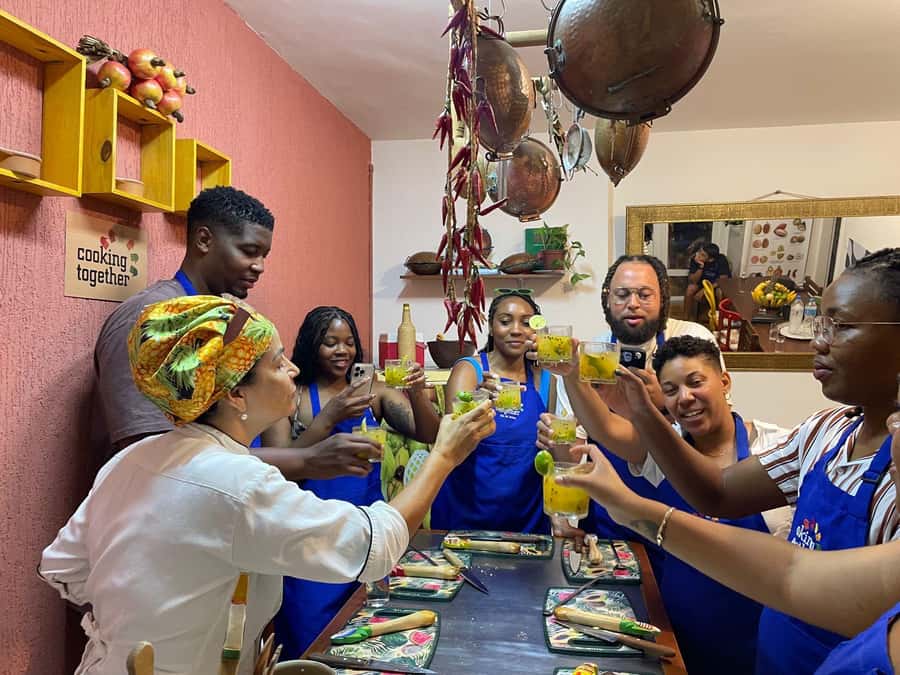
- Drinks are part of the lesson: Mix a classic caipirinha and a coconut shake.
- Hotel transport saves time: Pickup and return cover most hotels in Leblon, Ipanema, Copacabana, Leme, Botafogo, Flamengo, and Centro.
- A personal teaching style: Carina and Simone have led classes praised for patience, clear explanations, and cultural context.
- Plan for Rio traffic: High-season congestion may stretch the four-hour schedule.
Why this Copacabana cooking class feels different
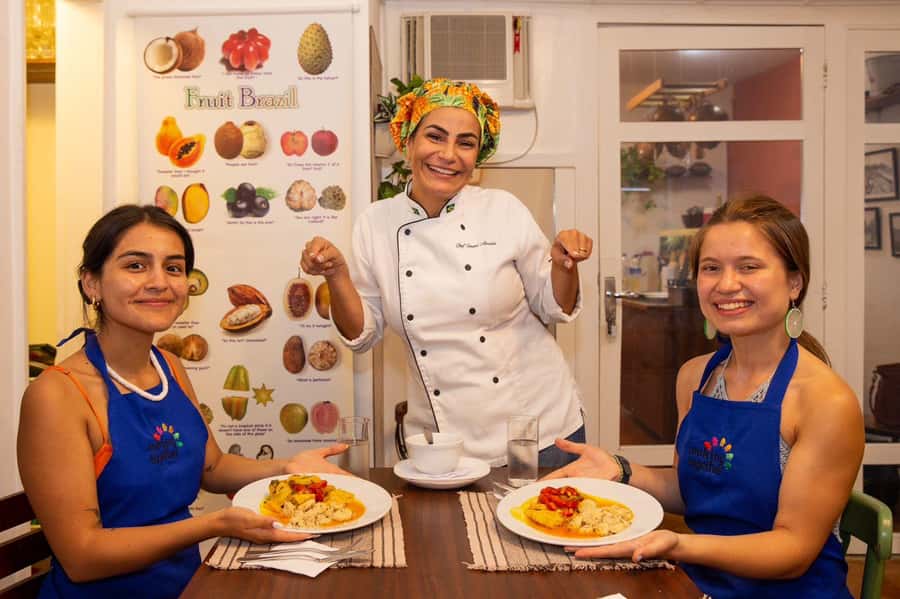
Many food activities give you a plate and a story. This one gives you a cutting board, ingredients, a chef, and a meal you help create. That change matters. You pay closer attention to texture, seasoning, cooking time, and the reason a dish belongs on a Brazilian table.
The class takes place in Copacabana, with afternoon pickup from your hotel or, for some visitors, the cruise port. You do not need to spend part of the day figuring out local transport to an unfamiliar kitchen. A driver collects you, brings you to the class, and returns you afterward.
The price is $117 per person. That is not a bargain cooking lesson, but it covers round-trip transport, the class, and ingredients for all the dishes. For a couple staying outside the immediate Copacabana area, the transfer adds real value. For someone already near the kitchen and comfortable finding their own way, the price feels less modest.
The experience has earned a perfect five-star rating from five bookings, with especially strong praise for the teaching. Carina has been described as a fantastic chef and teacher, while Simone received high marks for explaining the cultural meaning of the food and for being patient and engaging. Those names are useful when you book, though the chef assigned to your date may differ.
more Rio de Janeiro days to choose between
- Rio de Janeiro: Brazilian Cooking Class in Rio de Janeiro
★ 5.0 · 4 reviews - Cooking class in Salvador, an authentic dinning experience
★ 5.0 · 132 reviews - 4h Cooking Class in Salvador with 9 Recipes & Bottomless Drinks
★ 5.0 · 73 reviews
Pickup from Rio hotels and the ride to class
Pickup is available from most hotels in Leblon, Ipanema, Copacabana, Leme, Botafogo, Flamengo, and Centro. Cruise-port pickup is also offered. You need to send your hotel location in advance so the operator can confirm the meeting point and time.
This is a practical feature, not just a nice extra. Rio is spread out, and a cooking class has a fixed start time. Included transport removes the worry of finding the kitchen, choosing the right car service, or arriving late because you misjudged the distance.
There is an extra charge for pickup in Barra da Tijuca or Recreio dos Bandeirantes: $10 or 40 BRL per person. An adapted vehicle costs an additional $100 or 500 BRL. If you use a wheelchair or have reduced mobility, notify the operator before booking so the transport can be arranged properly.
Allow extra time during high season. Rio traffic and large crowds can slow both the trip to the kitchen and the return to your hotel. I would avoid scheduling a tight evening plan immediately afterward.
Choosing between feijoada and seafood moqueca
Before cooking starts, the chef presents the ingredients and explains how to choose good produce. You then select the main dish that will anchor your dinner.
Feijoada is the heavier option. It is a black-bean stew with pork, the kind of meal that rewards patience and careful seasoning. It is a useful choice if you want to learn one of Brazil’s most famous comfort foods and prefer a substantial, savory dish.
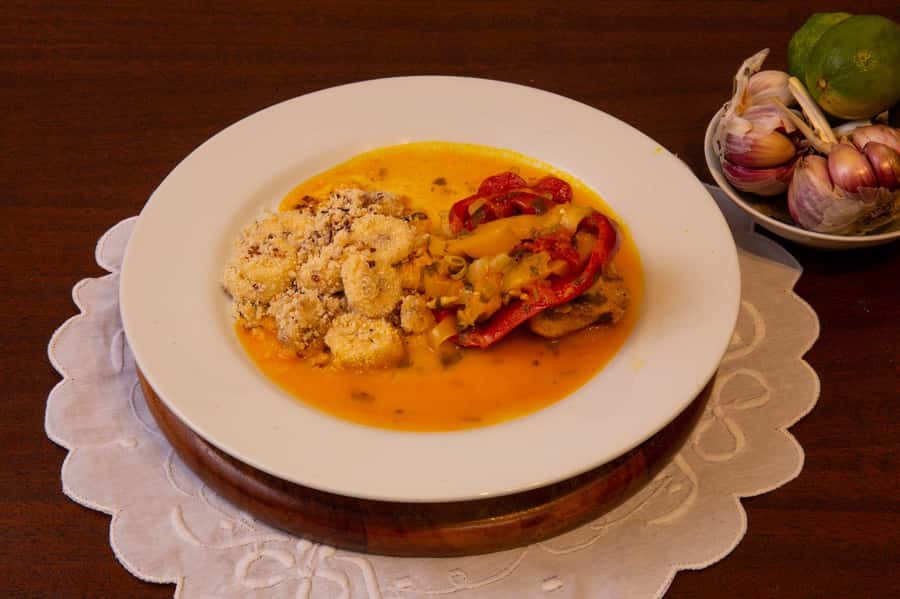
Seafood moqueca offers a lighter direction, though it is still full of flavor. Fish and other seafood are cooked with coconut milk, producing a fragrant stew with a softer, more coastal character. Choose it if you want a taste of Brazil’s seafood cooking or prefer coconut-based sauces.
The supplied information does not specify every seafood ingredient or the exact cooking method, so ask the chef about the day’s selection and any substitutions before you begin. That is also the right time to mention allergies or dietary limits.
The choice gives the class a personal touch. You are not simply following a set menu chosen months in advance. You can pick the dish that better matches your interests, though the availability of each option should be confirmed when you reserve.
The side dishes make the class worthwhile
The main course gets the attention, but the smaller recipes give the class its range. You prepare coalho cheese with pepper jelly, a combination of salty cheese and sweet heat. It is the sort of quick Brazilian snack that can be useful at home because it does not require a long cooking session.
You also make sausage with onion flambéed in cachaça. Cachaça is Brazil’s famous sugarcane spirit, and using it in the pan connects the cooking lesson to the country’s drink culture. The flambé is a memorable technique, but follow the chef’s instructions closely and let the instructor handle any step that calls for extra care.
Brigadeiro rounds out the menu. This beloved Brazilian sweet is simple in concept but important in local food culture. Making it yourself gives you a dessert recipe to repeat after the trip, and it keeps the class from feeling like a single-dish demonstration.
There is a small point of confusion in the booking details. Brigadeiro is part of the food prepared during the class, but additional dessert is listed as not included. I would read that as no separate dessert beyond the planned brigadeiro, and ask for clarification if dessert matters to your budget or dietary needs.
A different side of Rio de Janeiro altogether:
- Rio de Janeiro: 6-Stop Highlights of Rio with Lunch
★ 4.4 · 5,157 reviews - Christ the Redeemer Entry Ticket by Corcovado Train
★ 4.4 · 4,476 reviews - Rio de Janeiro: Rocinha Favela Walking Tour with Local Guide
★ 4.8 · 3,052 reviews - Rio: Christ the Redeemer, Sugarloaf, Selaron & BBQ Lunch
★ 4.5 · 2,428 reviews
Mixing caipirinha and coconut shake
The drinks are not an afterthought. You mix a traditional caipirinha and a coconut shake to accompany the meal.
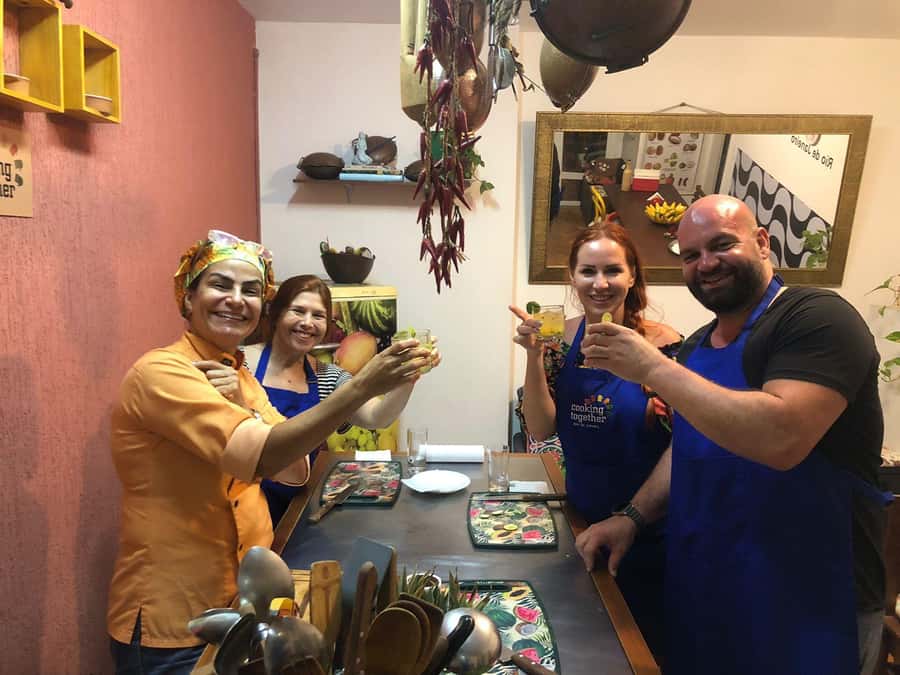
The caipirinha introduces you to cachaça in its best-known cocktail form. Preparing it yourself lets you adjust the balance of spirit, sweetness, and citrus under the chef’s guidance. It also gives you a practical recipe to use later, although drink preferences and alcohol tolerance vary.
The coconut shake provides a non-alcoholic contrast. Its cool, creamy character should sit well beside either the bean stew or the seafood dish. Together, the two drinks show different sides of Brazilian hospitality.
Additional drinks are not included, so do not assume an open bar. The planned caipirinha and coconut shake are part of the class experience, while anything beyond them may cost extra.
What the four-hour schedule is really like
The experience lasts four hours, including the transfer time listed as round trip. The exact balance between driving, preparation, cooking, and dining can vary, especially when traffic slows the route.
The afternoon begins with pickup and a ride to the chef’s kitchen. Once you arrive, introductions and the menu choice come first. The chef then lays out the ingredients and explains how to select produce, giving you context before the hands-on work begins.
Cooking follows in stages. You may move between the main dish, side recipes, dessert, and drinks rather than preparing each item from start to finish in isolation. That format keeps the class active while allowing time for slow-cooking elements such as feijoada.
After the kitchen work, you sit down to eat what you made. This final meal is important because it turns the lesson into a shared Brazilian dinner. You can taste the results while asking questions and comparing notes with the people in your group.
The transfer back to your hotel comes after the meal. For a couple or small group, this can feel like a complete afternoon and evening plan. For a large group, the same schedule may feel less personal, so ask about expected group size if that affects your decision.
The chef matters more than the recipe
The strongest part of this experience is the teaching. A recipe can be found online, but a good chef explains why a dish is cooked a certain way, what the ingredients mean, and how to correct a mistake.
Carina has been praised for making the class fun while teaching both home cooks and people with little kitchen experience. That matters if you are not confident with a knife or do not usually cook. The format is designed for participation, not for showing off your existing skills.
Simone has been praised for explaining the cultural significance of the dishes before the cooking began. That sort of introduction helps you understand feijoada and moqueca as more than recipes. You learn how food connects to Brazilian life, celebrations, family meals, and regional traditions.
Instruction is available in Portuguese, Spanish, and English. If language is important to you, select the language you are most comfortable using when you book. You may bring your own set of knives if you want, but that is optional.
The class has also worked well as a private experience. One booking was a private hands-on class for a married couple, with several dishes and cocktails prepared together. You should not assume every departure is private, but you can ask before booking if a personal format is important.
Who will get the most from it
I would recommend this class to you if food is one of the reasons you visit Rio. It gives you a closer look at local cooking than a restaurant meal alone, and the hotel transport keeps the outing simple.
It is also a strong pick for repeat visitors. One couple had already been to Rio and wanted something different from the usual sightseeing schedule. A cooking class offers a change of pace without leaving the city or spending a full day on the road.
Families may enjoy the hands-on format, though the supplied details do not give a minimum age or child pricing. Ask before reserving for children. The same advice applies to anyone with mobility limits, allergies, or dietary restrictions.
You should think twice if you dislike group activities, have no interest in cooking, or need to return to your hotel at a precise time. The class is built around participation, and traffic can disrupt a strict schedule.
Practical value at $117 per person
At $117, the experience is best judged as a cooking lesson plus transport and dinner, not as a simple meal. You receive a four-hour activity, ingredients for the planned dishes, instruction in several recipes, two prepared drinks, and hotel transfers in the main pickup zones.
For two people, that adds up quickly, but the private-class possibility makes the cost more appealing. You are paying for access to a local kitchen and chef-led instruction, not just food on a plate.
The value is weaker if you are already close to the location, only want to sample Brazilian cuisine, or would rather spend the same amount on several restaurant meals. A restaurant will give you more choice and less work. This class gives you skills, context, and a social meal.
Free cancellation up to 24 hours before the start and the option to reserve now and pay later make planning easier. Still, confirm the pickup time and hotel location before the day of the class.
Final call: should you book it?
Book this cooking class if you want an active, food-focused afternoon and like the idea of taking Brazilian recipes home with you. The combination of feijoada or moqueca, brigadeiro, cachaça-based drinks, and included transfers gives the experience more substance than a standard tasting stop.
I would be most comfortable recommending it to couples, repeat visitors, and curious home cooks. Ask about group size, the assigned chef, dietary needs, and the dessert wording before paying. If you need a tightly timed activity during Rio’s busiest season, leave plenty of room after the return transfer.
FAQ
How long does the Brazilian cooking class last?
The listed duration is four hours. High-season traffic and crowds in Rio can make the total outing take longer.
Is hotel pickup included?
Yes. Round-trip transfer is included from most hotels in Leblon, Ipanema, Copacabana, Leme, Botafogo, Flamengo, and Centro. Pickup from the cruise port is also available.
Is pickup available from Barra da Tijuca or Recreio dos Bandeirantes?
Yes, but there is an additional charge of $10 or 40 BRL per person.
What main dishes can I choose?
You can choose between feijoada, a black-bean stew with pork, and seafood moqueca, a fish stew prepared with coconut milk.
What else will I prepare?
The class includes side dishes such as coalho cheese with pepper jelly and sausage with onion flambéed in cachaça. You also prepare brigadeiro.
Are drinks included?
The class includes making a caipirinha and a coconut shake. Additional drinks are not included.
Is dessert included?
Brigadeiro is part of the cooking activities. Additional dessert is listed as not included, so ask the operator to clarify what is covered if this affects your plans.
What languages are available?
Instruction is available in Portuguese, Spanish, and English.
Can I cancel or pay later?
You can cancel up to 24 hours in advance for a full refund. You can also reserve your place and pay later, keeping your travel plans flexible.
New in Rio de Janeiro this month
- Discover Rocinha: Guided Tour of the Famous Favela★ 4.5 · 3 reviews
- Rio de Janeiro: Hang gliding adventure★ 3.7 · 3 reviews
- Rio de Janeiro: Pedra Bonita & Tijuca Forest Hike Tour★ 5.0 · 3 reviews
- Rio de Janeiro: Hang Gliding or Paragliding Flight★ 5.0 · 3 reviews
- Rio de Janeiro: Local Experience in Forró dance★ 5.0 · 3 reviews
- Rio de Janeiro: Doors-off 30-min helicopter tour★ 5.0 · 3 reviews
- Rio de Janeiro: Pedra do Telégrafo; Grumari/ Prainha Beaches★ 5.0 · 3 reviews
- Rio de Janeiro: Sugar Loaf with Lunch and Helicopter Flight★ 4.7 · 3 reviews
Rio de Janeiro Tours, compared.

Rio de Janeiro: 6-Stop Highlights of Rio with Lunch
Read our review →
Christ the Redeemer Entry Ticket by Corcovado Train
Read our review →
Rio de Janeiro: Rocinha Favela Walking Tour with Local Guide
Read our review →
Rio: Christ the Redeemer, Sugarloaf, Selaron & BBQ Lunch
Read our review →
Rio De Janeiro: Half-Day Rocinha Favela Walking Tour
Read our review →
Rio de Janeiro: Angra dos Reis and Ilha Grande Full-Day Tour
Read our review →
Rio de Janeiro: Beginner Samba Lesson in Ipanema
Read our review →
Browse the lists this tour appears in