
Our review · RIO DE JANEIRO TOURS
Rio de Janeiro: Flamengo Museum Ticket Entrance
The most striking part of the Flamengo Museum is its sweep through time. You begin with a club founded for rowing and sailing in 1895, then follow its transformation into one of Brazil’s great football institutions. Four floors of trophies and 14 themed sections give the story room to breathe.
I like the way the museum connects football with Flamengo’s other sports and idols. I also like the strong use of screens, sensory rooms, and interactive displays, which turn club history into something you can feel rather than simply read. The main drawback is simple: if you are not interested in Flamengo, the emotional weight of the visit may not travel far beyond the displays.
Key points at a glance
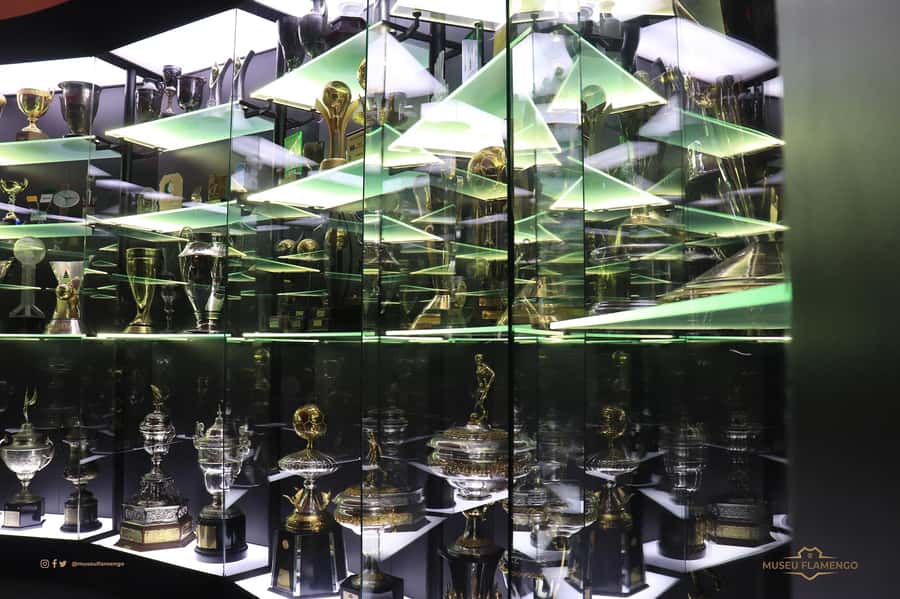
- Four floors of trophies: The collection gives you a clear sense of the club’s scale and ambition.
- A story that begins in 1895: Flamengo’s early life as a sailing club adds useful context to its football identity.
- 14 themed sections: Expect a mix of historical objects, screens, interactive features, and sensory spaces.
- Located in Gávea: The museum is at Flamengo’s headquarters in Rio’s south zone, not on a separate sightseeing route.
- Digital guide in three languages: English, Spanish, and Portuguese support are included.
- A focused sporting visit: Food, drinks, and a tour of Gávea are not included, so plan this as a museum stop rather than a full club visit.
Flamengo Museum review: what the visit is really about
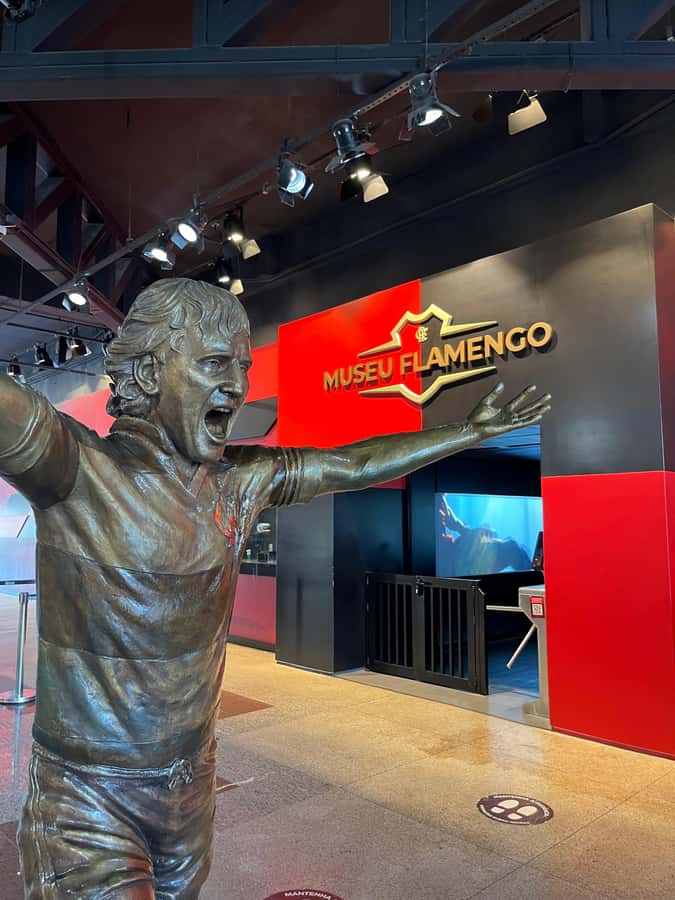
I see this as a club museum with a clear mission: make you understand why Flamengo matters to its supporters. It is not simply a room filled with shirts and cups. The visit follows the club from its early days on the water to its rise as a major force in world football.
That opening history matters. Flamengo’s sporting identity did not begin with football alone, and the museum uses the 1895 foundation date to frame the club as something older and broader than a football team. You get a better sense of how an institution can change over time while keeping the same colors, symbols, and name.
The experience is built around emotion as much as information. Giant screens, sensory settings, and interactive areas place you near the key moments of Flamengo’s story. I would not treat this as a quiet, traditional museum where you simply move from label to label. The design aims to make you feel involved in the club’s memories.
That approach will work best if you already know the red and black colors, recognize a few names, or want to understand the force of Brazilian football culture. If you arrive with no interest in sport, the exhibits may feel more like a carefully produced fan experience than a general Rio attraction.
more football matchdays in Rio de Janeiro
- Football Match in Rio de Janeiro – Guided with Transportation
★ 4.5 · 150 reviews - Rio de Janeiro: Football Game Ticket with Guide and a Drink
★ 4.6 · 124 reviews - Rio de Janeiro: See a Flamengo Game at Maracanã with a local
★ 5.0 · 105 reviews
From sailing club to football powerhouse
The museum’s historical arc is one of its strongest features. Flamengo began in 1895 as a sailing club, and the early chapters explain that the institution existed before its football fame. That is a useful correction to the common idea that Flamengo was always defined by the sport it is best known for today.
As you move forward, the focus shifts toward football and the club’s wider sporting identity. The collection includes historic objects and figures from several sports, so the story is not limited to one team or one type of achievement.
I like this structure because it gives the visit a beginning, middle, and later chapters. You are not just looking at isolated trophies. You are following a long change in purpose and public identity, from a waterside sporting club to a major football name with a huge following.
The museum also gives space to Flamengo’s symbols. One especially well-received part of the visit is the attention paid to logos and the club’s visual history. For supporters, those details can carry as much feeling as a trophy. For newcomers, they help explain how a club creates a recognizable identity across generations.
Four floors of trophies at Gávea
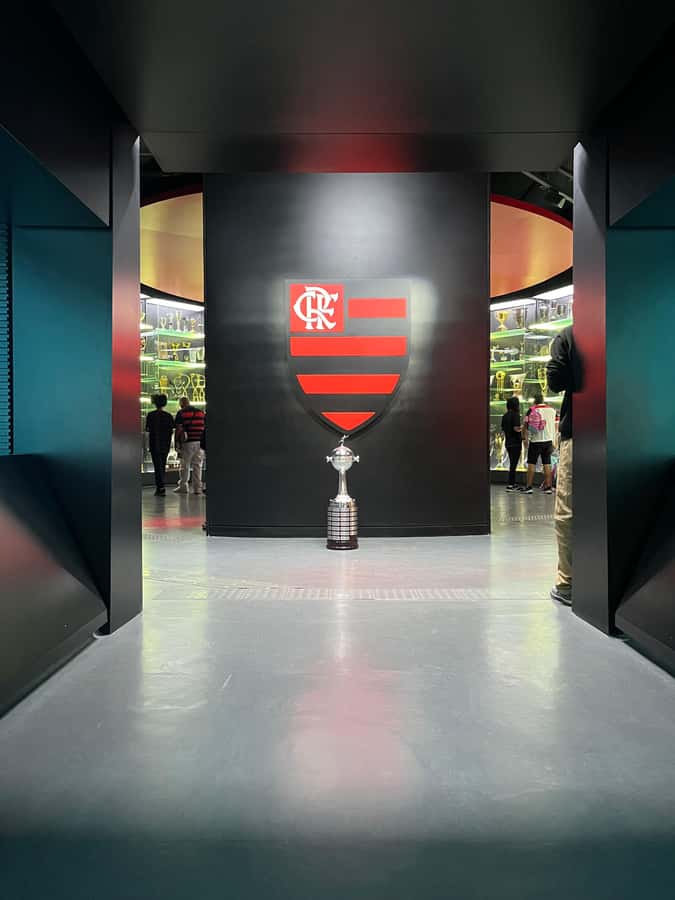
The trophy room is spread over four floors, which gives the collection an impressive physical presence. You can expect to see the club’s honors arranged as part of the broader story rather than as one crowded cabinet.
That amount of vertical space affects the pace of the visit. You should allow time to take in the displays instead of rushing through in search of one famous item. The museum is valid for one day, so you have flexibility with the available starting time, but the ticket is best used as a dedicated stop in your Rio plans.
Trophies work well here because they provide an immediate visual record of success. Even if you do not know the details of each competition, the sheer number and variety of awards communicate the club’s long sporting life.
I would still keep expectations sensible. The information provided does not promise access to changing rooms, a stadium tour, or a behind-the-scenes route through the Gávea headquarters. The separate tour of Gávea is not included, so do not assume that a museum ticket opens every part of the club complex.
Fourteen themed sections with modern displays
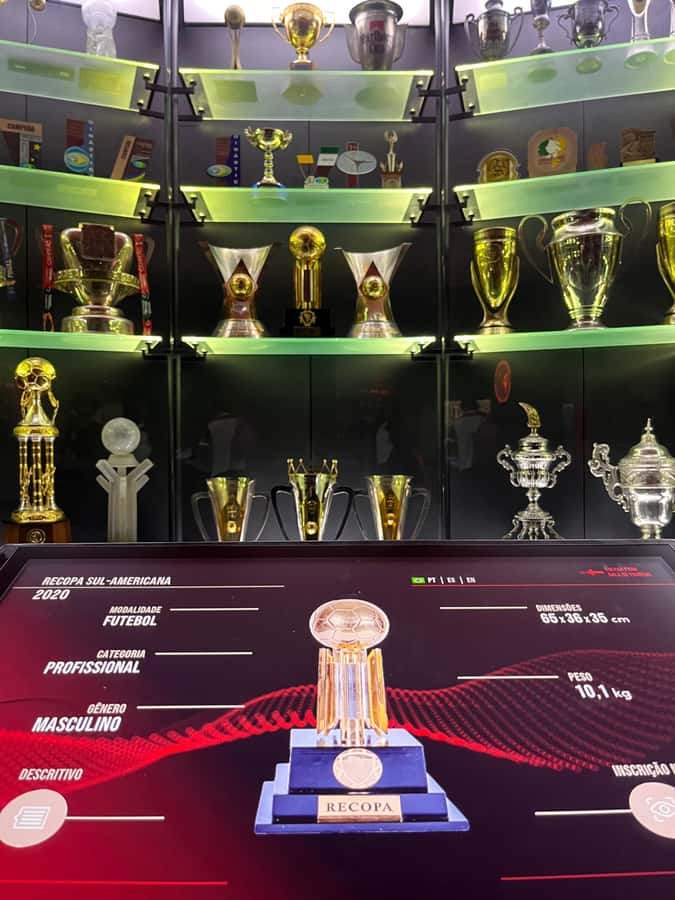
The museum contains 14 themed sections, each using a mix of technology, objects, and club memories. This variety should help prevent the visit from feeling like a long sequence of glass cases.
Giant screens are used to show memorable moments at a scale that suits the subject. Sensory environments and interactive spaces add another layer, placing you closer to the atmosphere of the club’s most important occasions. I like this format for a sports museum because it gives context to the objects. A shirt or medal can be meaningful, but a screen-based recreation can show why a particular moment mattered.
You should also expect the experience to be lively rather than purely reflective. The museum has been designed by the same team associated with sports museums connected to River Plate, Boca Juniors, Juventus, and Benfica. That background suggests an international museum standard in presentation, though it does not mean every exhibit will appeal equally to every visitor.
The most praised elements are the emotional quality of the visit and the Rubro-Negro experience, a reference to Flamengo’s red and black identity. If you are a supporter, the combination of colors, images, objects, and sound may be the heart of the museum. If you are visiting with a football fan, you may find the interactive parts more accessible than a long history text.
more Rio de Janeiro days to choose between
- Petrópolis Day Trip from Rio de Janeiro including Imperial Museum and Crystal Palace
★ 4.0 · 101 reviews - Olympic Boulevard, Museum of Tomorrow & Historical Rio
★ 4.5 · 66 reviews - Rio: Olympic Boulevard, AquaRio and Museum of Tomorrow Tour
★ 4.5 · 54 reviews - Rio: Olympic Boulevard, Museum of Tomorrow & History Tour
★ 4.1 · 47 reviews
Historic objects and sporting idols
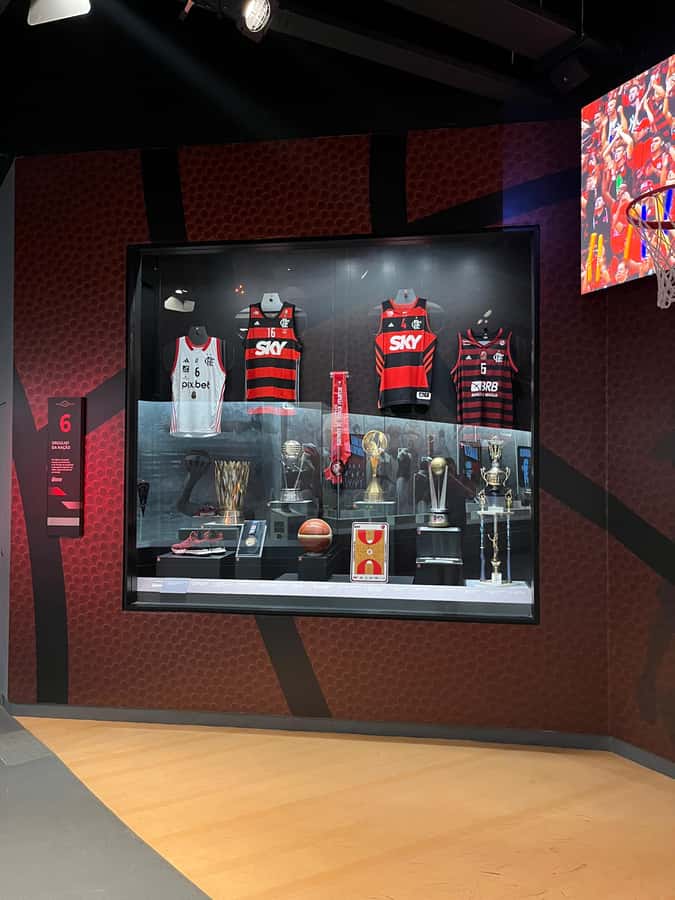
A good club museum needs more than production value. It needs real objects that connect the present to people and moments from the past. Here, the collection includes historic pieces and idols from several sports.
That wider collection is worth noting. Flamengo is famous for football, but its institutional story includes other sporting disciplines. The displays give you a chance to see the club as a sporting organization rather than only as a football brand.
The museum’s objects also provide a quieter counterpoint to the giant screens. After a large visual presentation, a preserved item can bring the story back to something tangible. I find that balance useful because it keeps the visit from becoming all spectacle.
The exact objects on display can change over time, and no detailed item-by-item inventory is provided. I would therefore go for the overall collection and presentation rather than expecting one particular shirt, medal, or personal object to be guaranteed.
The emotional side of the Rubro-Negro experience
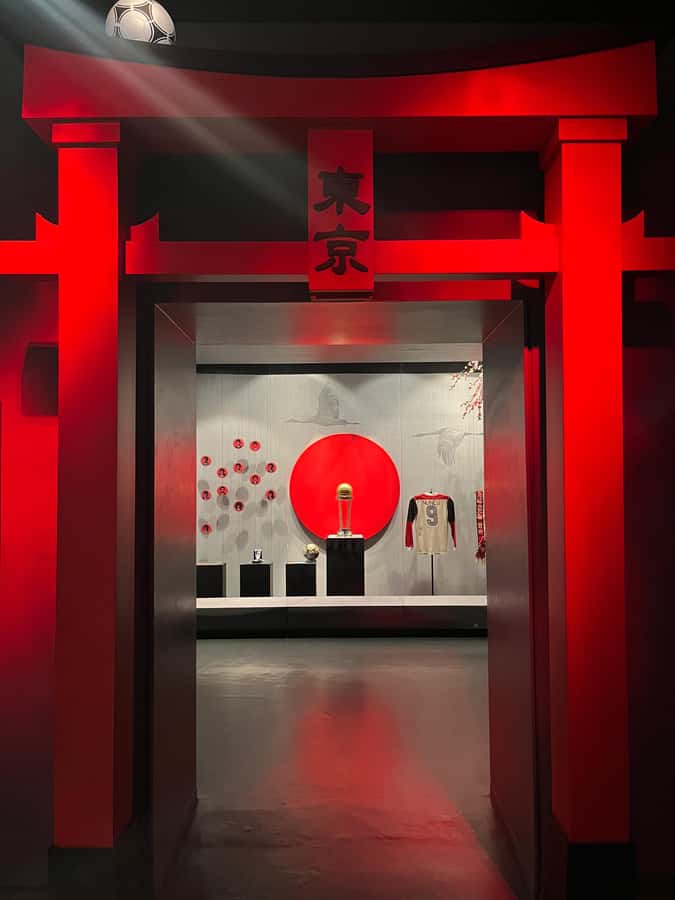
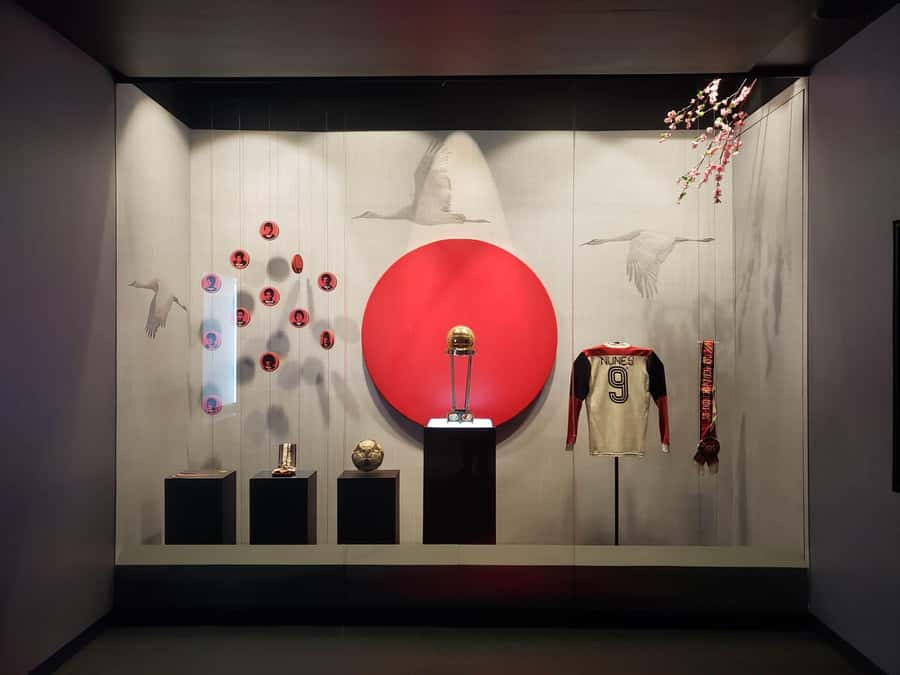
The emotional tone is central. Flamengo’s supporters are known for their size and loyalty, and the museum is designed to put you close to that collective feeling. It presents the club’s biggest moments as shared memories rather than dry dates.
This is where the visit can be especially rewarding for a fan. You may recognize the importance of a logo, a famous idol, or a particular trophy even before reading every explanation. The displays then add the background that links those pieces together.
I also think this section of the museum helps explain why football clubs can function as family history. A trophy is not only a sporting result. It can represent a childhood, a parent’s influence, or a citywide memory. The museum’s interactive and sensory design is aimed at that emotional connection.
There is a limit, though. The museum cannot reproduce the full feeling of being inside a live match, and a polished display is still a museum display. If you want the noise and unpredictability of football in Rio, this ticket will not replace attending a game. It does offer a more controlled way to understand the club before or after one.
Languages, guides, and how to use your time
A digital guide is included in English, Spanish, and Portuguese. That is important for international visitors because the club’s history includes names, dates, symbols, and sporting references that may not be obvious from the displays alone.
The listed support languages are Spanish, English, and Portuguese. No individual guide names are provided, so I would not book this expecting a named personal guide or a private walking tour. The format is a museum visit supported by digital information.
The ticket is valid for one day, with starting times based on availability. That makes it easier to fit the museum around a day in Rio, but you still need to check the available time before booking. I would avoid placing it between two distant attractions, since the museum is at Flamengo’s headquarters in Gávea and the ticket does not include transport.
A practical visit plan is simple:
- Arrive at the Clube de Regatas do Flamengo headquarters in Gávea.
- Set aside enough time for four floors and 14 sections.
- Use the digital guide in your preferred language.
- Give the trophy areas and interactive rooms more than a quick glance.
- Treat the visit as a museum stop, not as a tour of the entire Gávea facility.
The supplied details do not specify the total visit length, so I would not promise a fixed number of hours. Your pace will depend on how closely you follow the displays and how much time you spend with the interactive elements.
What you cannot bring inside
The museum has firm rules that are easy to overlook. Food, drinks, plastic bags, glass objects, weapons, sharp objects, alcohol, and drugs are not allowed. Smoking and vaping are forbidden on the premises, and pets are not permitted, except for assistance dogs.
Sportswear is also listed among the prohibited items. That is unusual for a football museum, so check your clothing before you go instead of assuming a team jersey or athletic outfit will be accepted. Scooters and fire-making items are also not allowed.
Once inside, keep your phone on silent or airplane mode. Photography and filming with flash are forbidden. These rules protect the displays and keep the sensory sections from being interrupted, but they also mean you should not plan on documenting every room.
Unaccompanied minors are not allowed. The provided information does not set out a minimum age or explain the supervision arrangements, so families should check the current conditions before booking.
Is $18 good value?

At $18 per person, I see the ticket as reasonable if you have a real interest in Flamengo or Brazilian football. You are paying for access to a four-floor trophy collection, 14 themed sections, historic objects, sports idols, and technology-led displays. The multilingual digital guide also adds practical value for visitors who do not speak Portuguese.
The price is less compelling if you are looking for a general introduction to Rio. This is a focused museum about one club, and the ticket does not include food, drinks, a Gávea tour, or a broader sightseeing program.
Value also depends on how you use the visit. A quick pass through the displays may make the price feel high. If you take time with the historical sequence, logos, trophies, interactive rooms, and club memories, you get a fuller experience.
The current rating is 4.7 out of 5 from 22 ratings, with especially strong reactions to the emotional atmosphere, the Rubro-Negro presentation, the logo and history displays, and the chance to buy Flamengo products. The shop element is not included as part of the ticket, but it may interest supporters who want official club merchandise after the museum.
The flexible booking terms help. You can cancel up to 24 hours in advance for a full refund, and you can reserve now and pay later. Those options are useful when your Rio schedule is still shifting.
Who should book the Flamengo Museum?
I would recommend it most strongly to Flamengo supporters, Brazilian football followers, and anyone curious about how a club becomes part of a country’s identity. It is also a good choice if you want a sports museum with modern visual presentation rather than a basic trophy room.
Families with football fans may find the screens and interactive areas easier to enjoy than a text-heavy museum. The language options make it workable for international visitors, though unaccompanied minors are not allowed.
I would be more cautious if you have only one short day in Rio and no special interest in Flamengo. The museum is in Gávea, and the visit does not include a wider tour of the headquarters. In that case, compare the ticket with your other priorities before committing.
Should you book it?
Book the Flamengo Museum if you want a close look at the club’s journey from 1895 sailing roots to modern football power, with four floors of trophies and a strong emotional presentation. The best reasons to go are the broad history, the 14 themed sections, the attention to logos and sporting idols, and the well-supported digital guide.
Skip it if you want a general Rio attraction or a live football experience. For the right visitor, $18 buys a focused and polished look at one of Brazil’s most important sporting institutions. For everyone else, it is a specialist stop, not an essential citywide sight.
FAQ
Where is the Flamengo Museum?
The museum is at the headquarters of Clube de Regatas do Flamengo in the Gávea neighborhood, in the south of Rio de Janeiro.
How much does the museum ticket cost?
The listed price is $18 per person.
How long is the ticket valid?
The ticket is valid for one day. Starting times depend on availability.
Is a digital guide included?
Yes. A digital guide is included in English, Spanish, and Portuguese.
Is a tour of Gávea included?
No. The tour of Gávea is not included with the museum ticket.
Are food and drinks included?
No. Food and drinks are not included, and food and drinks are not allowed inside the museum.
Can I cancel the booking?
Yes. You can cancel up to 24 hours in advance for a full refund.
Can I reserve now and pay later?
Yes. The activity allows you to reserve your spot and pay later.
Can I take photographs inside?
Photography and filming with flash are not allowed. Your phone should be on airplane mode or silent.
Are pets allowed inside the museum?
Pets are not allowed. Assistance dogs are permitted.
New in Rio de Janeiro this month
- Discover Rocinha: Guided Tour of the Famous Favela★ 4.5 · 3 reviews
- Rio de Janeiro: Hang gliding adventure★ 3.7 · 3 reviews
- Rio de Janeiro: Pedra Bonita & Tijuca Forest Hike Tour★ 5.0 · 3 reviews
- Rio de Janeiro: Hang Gliding or Paragliding Flight★ 5.0 · 3 reviews
- Rio de Janeiro: Doors-off 30-min helicopter tour★ 5.0 · 3 reviews
- Rio de Janeiro: Local Experience in Forró dance★ 5.0 · 3 reviews
- Rio de Janeiro: Pedra do Telégrafo; Grumari/ Prainha Beaches★ 5.0 · 3 reviews
- Rio de Janeiro: Sugar Loaf with Lunch and Helicopter Flight★ 4.7 · 3 reviews
Rio de Janeiro Tours, compared.

Rio de Janeiro: 6-Stop Highlights of Rio with Lunch
Read our review →
Christ the Redeemer Entry Ticket by Corcovado Train
Read our review →
Rio de Janeiro: Rocinha Favela Walking Tour with Local Guide
Read our review →
Rio: Christ the Redeemer, Sugarloaf, Selaron & BBQ Lunch
Read our review →
Rio De Janeiro: Half-Day Rocinha Favela Walking Tour
Read our review →
Rio de Janeiro: Angra dos Reis and Ilha Grande Full-Day Tour
Read our review →
Rio de Janeiro: Beginner Samba Lesson in Ipanema
Read our review →
Browse the lists this tour appears in