
Our review · RIO DE JANEIRO TOURS
Rio de Janeiro: Little Africa Heritage Walking Tour
Rio’s Little Africa Heritage Walking Tour tackles a part of Rio that many city tours barely explain: the port district’s central role in the history of African people in Brazil. Over 150 minutes, you move from colonial history to samba, food, dance, racism, and the present-day meaning of Afro-Brazilian culture.
I like the rooftop view of Mauá Square and Guanabara Bay, and I like the way the walk connects major sites with smaller details, murals, statues, and local stories. The main drawback is simple: this is an outdoor walk in Rio’s heat, and it continues in the rain, so comfortable clothes and water matter.
Key points to know before you book
- The tour begins at the Rio Art Museum: Meet your English-speaking guide in front of the museum five minutes before departure.
- The rooftop view adds a useful introduction: From above, you can see Mauá Square and Guanabara Bay before walking into the port district.
- Pedra do Sal links history to samba: The stop is presented as the place where samba was born and as the oldest continuously inhabited Black neighborhood in Brazil.
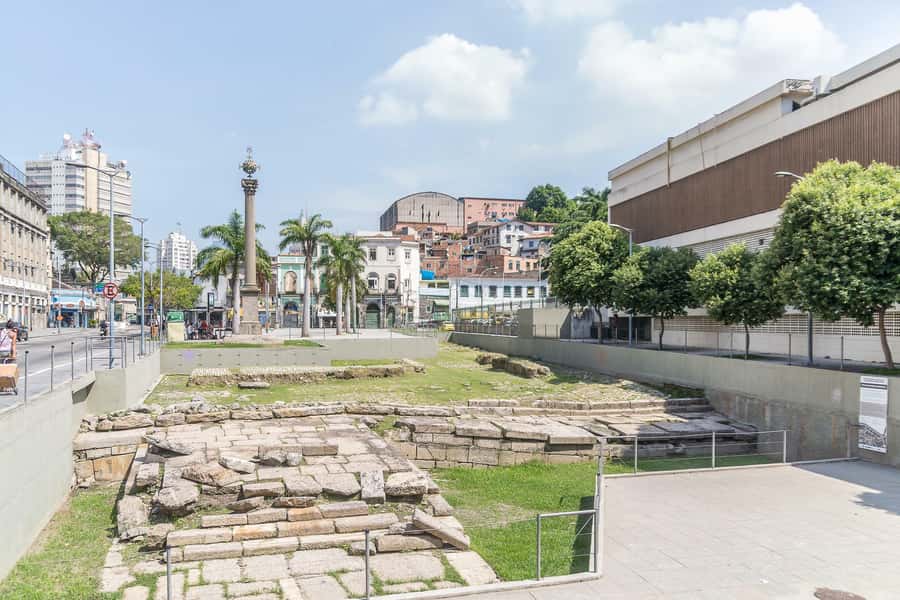
- The Valongo Wharf brings the past into focus: The walk ends at the Valongo, a site tied directly to the arrival and enslavement of Africans in Brazil.
- Guides shape the experience: Guides such as Luana, Nathalia, Larissa, Eddie, Marina, Ryane, Raquel, and others have been praised for warmth, clear English, passion, and thoughtful answers.
- Plan for sun and serious subjects: The tour discusses slavery, structural racism, sexism, and racial life in Brazil today, not only music and food.
Why Little Africa belongs on your Rio schedule
Rio’s port district can look like a collection of plazas, old buildings, steep streets, and public art if you walk through it without context. With a guide, the area becomes a record of forced migration, survival, religious and cultural exchange, political change, and artistic creation.
At the turn of the 20th century, parts of this port area became known as Little Africa. After Brazil ended the slave trade, many freed people stayed nearby because the port offered work. That history helps explain why this corner of Rio became so important to Black culture in the city.
I would not treat this as a light sightseeing stroll. The subject includes slavery and the systems that followed it. The strongest guides handle that material with care while still keeping the walk open and conversational. Nathalia, Marina, Larissa, Ryane, Eddie, and Luana are among the guides praised for combining facts with personal warmth, humor, family connections, and thoughtful answers to difficult questions.
That human approach matters. You are not simply being led from one monument to another. You are being asked to consider how Brazil tells its own story, which parts have been overlooked, and how African traditions shaped everyday life in Rio.
More Historical Tours in Rio de Janeiro
- Rio de Janeiro: Historic Rio and Santa Teresa Half-Day Tour
★ 4.4 · 228 reviews - Explore Little Africa : Unveiling Afro Heritage in Rio de Janeiro
★ 5.0 · 97 reviews - Learn the History of Rio with an Unforgettable City Center Walking Tour
★ 5.0 · 82 reviews
Starting above Mauá Square at the Rio Art Museum
The tour begins in front of the Museu de Arte do Rio, usually called MAR. Arrive five minutes early. The guide can wait only 15 minutes, so give yourself extra time to reach the meeting point.
The first stop provides an introduction to Brazil during the colonial period. This may sound like classroom material, but it gives the rest of the walk its frame. Without it, sites connected to slavery, port labor, samba, and Afro-Brazilian culture can feel disconnected.
A short break of about 10 minutes includes a view from the museum rooftop. You can look across Mauá Square toward Guanabara Bay and see the port area from above. I like this pause because it helps you get your bearings before entering the streets of Little Africa.
Do not expect the rooftop stop to become a long museum visit. The tour is focused on the neighborhood outside, and the view is used to explain the setting rather than to fill time with unrelated art displays.
Morro da Conceição and the shape of the port district
From the museum, the walk continues toward Morro da Conceição. The guided portion here lasts about 20 minutes, with the route taking you on foot through the historic port area.
This part of the tour helps you understand how geography and history overlap. The port was a working zone, and the nearby hills and streets became home to communities that were often left out of official accounts. The guide’s job here is to point out what you might otherwise pass without noticing.
The walking is not described as difficult, but it is still city walking. Wear shoes that are comfortable for 2.5 hours, and expect sun exposure. One useful lesson from the experience is that the time can pass quickly when the guide invites questions and connects the area to current racial issues in Brazil.
Largo de São Francisco da Prainha and Afro-Brazilian food
The next major stop is Largo de São Francisco da Prainha, a plaza associated with the African influence on Brazilian food. The guided visit lasts about 20 minutes.
Food gives the history a practical, everyday angle. Instead of treating African influence as something confined to museums or old monuments, the guide shows how it appears in dishes, ingredients, cooking methods, and social life. That makes this stop especially useful if you want your Rio visit to include more than beaches and viewpoints.
Some guides have offered suggestions for places to eat after the walk, and several people extended their outing with lunch. Dishes such as bobó de camarão, a shrimp stew, have been specifically recommended in connection with the area. Lunch is not included, so think of this as a chance to continue the experience on your own rather than part of the paid tour.
A practical tip: if food interests you, ask your guide for current recommendations during the walk. The guides have also suggested places to eat and spend time elsewhere in Rio, which can be helpful early in your stay.
More Walking Tours in Rio de Janeiro
- Rio de Janeiro: Rocinha Favela Walking Tour with Local Guide
★ 4.8 · 3,052 reviews - Rio De Janeiro: Half-Day Rocinha Favela Walking Tour
★ 4.7 · 2,272 reviews - Sunrise and Sunrise Walk Two Brothers with Local Guide
★ 5.0 · 193 reviews - Rio’s city walking tour: a glimpse of history and olympic legacy
★ 4.5 · 78 reviews
Mercedes Baptista and the power of Afro-Brazilian dance
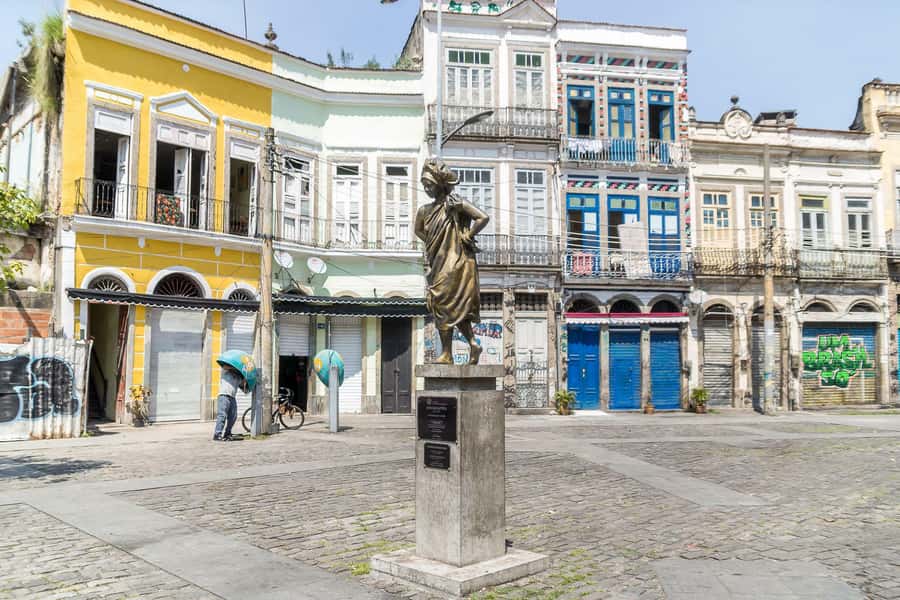
The route includes a statue honoring Mercedes Baptista. She was a pioneer of Afro-Brazilian dance and the first Black dancer at Rio’s Municipal Theater.
This is a meaningful stop because it shifts the focus from the 19th-century slave trade to a Black artist who changed Brazilian dance in the 20th century. It also shows how cultural achievement can exist alongside exclusion. A brief stop at a statue becomes a way to discuss who was allowed onto prestigious stages and who had to fight for recognition.
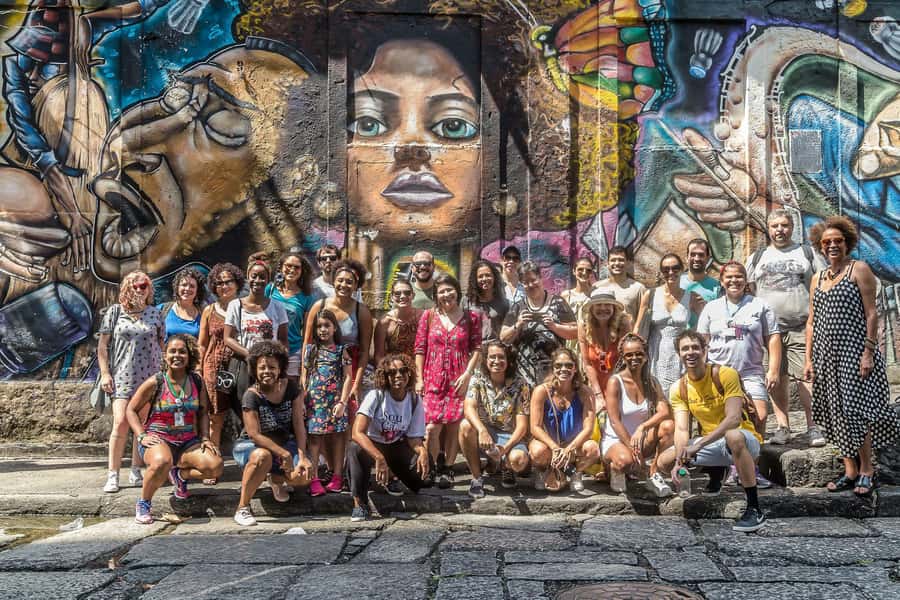
The guides are encouraged to make the history personal and memorable. One person praised a guide’s use of acting and facial expression to explain difficult points. That kind of storytelling can make the stop more engaging, though the experience will naturally vary with the guide assigned to your date.
Pedra do Sal, where samba took root
Pedra do Sal is one of the tour’s central stops. It is presented as the birthplace of samba and as the oldest continuously inhabited Black neighborhood in Brazil.
The setting connects music with community. Samba did not appear as an isolated art form. It grew from gatherings, traditions, religious practices, social networks, and the daily lives of Afro-Brazilian residents. At Pedra do Sal, the guide explains that connection rather than presenting samba as only a tourist performance.
I especially like this part of the route for visitors who already know Rio through carnival. Carnival and samba are often presented as colorful entertainment, but this stop adds the political and social background that makes them more meaningful.
The stop is listed as about 20 minutes. That is enough for a focused explanation and questions, but not enough for a full performance or an extended music program. Book this walk for context, not for live samba entertainment.
The Hanging Garden of Valongo
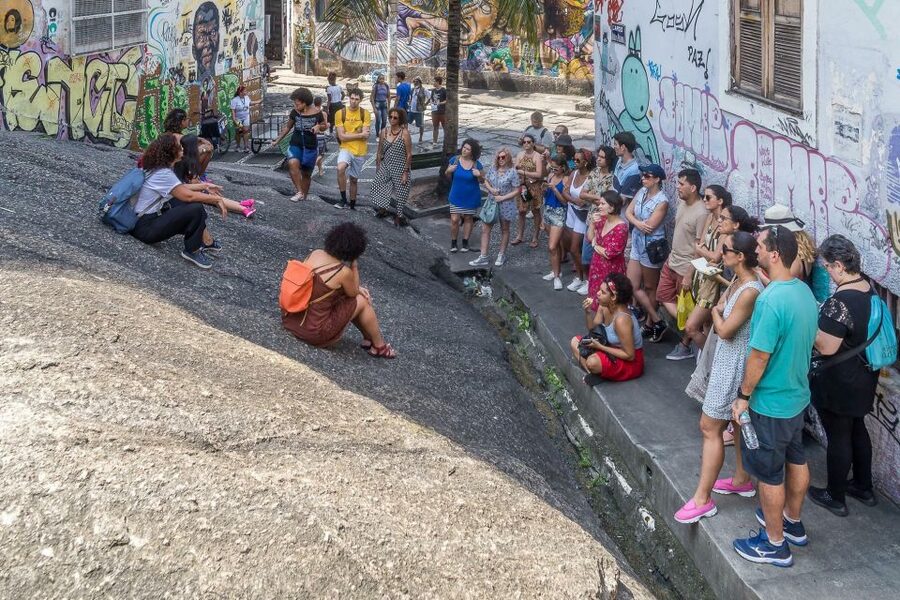
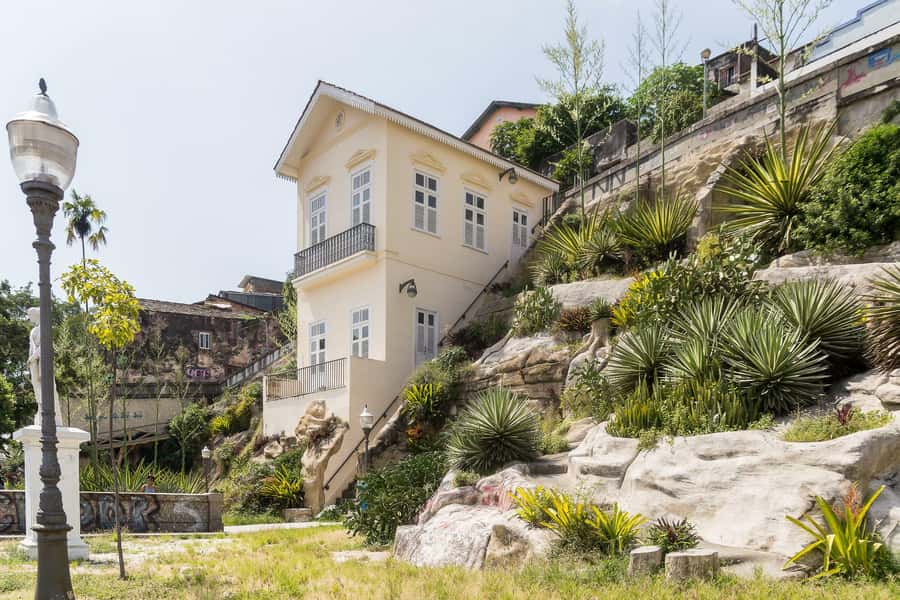
The Jardim Suspenso do Valongo, or Hanging Garden of Valongo, comes next. The guided visit lasts roughly 20 minutes.
The garden is connected to the Valongo area and provides another point for discussing how the port was reshaped over time. The setting is quieter than a major attraction, which gives the guide room to explain the site and its relationship to the surrounding district.
This is one of the places you might not fully understand by walking alone. A garden can seem like a decorative public space unless someone explains why it was created, what it replaced, and how it fits into the story of the port. The tour’s value comes from that explanation.
The garden also offers a change of pace after the more crowded-feeling plazas and streets. Still, do not expect every stop to look polished or grand. This is a neighborhood history walk, and some of its strongest moments come from difficult subjects and modest sites rather than spectacular architecture.
Ending at the Valongo Wharf
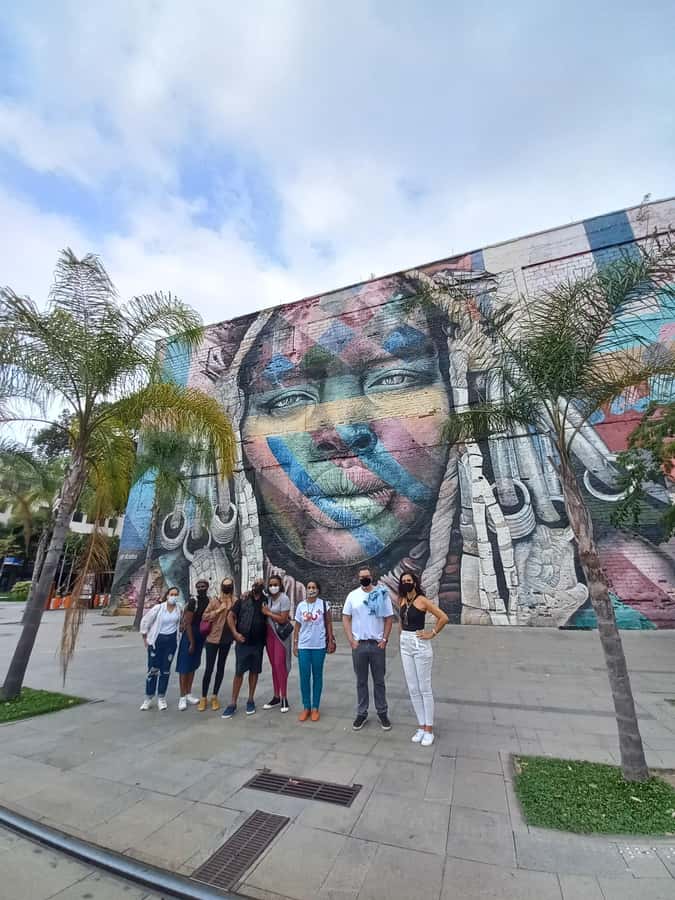
The final stop is the Cais do Valongo, or Valongo Wharf. The tour ends here before returning to the Rio Art Museum.
The Valongo is the most direct physical reminder of the port’s role in the transatlantic slave trade. Its presence gives the walk a serious endpoint. After hearing about colonial Brazil, freed workers, food, dance, and samba, you arrive at a place tied to the forced arrival of Africans in Brazil.
I appreciate the route’s order. It does not begin and end with the most painful material. Instead, it builds through history and culture, showing both the violence imposed on African people and the communities and traditions that survived and shaped Rio.
You should allow yourself a little quiet time at the end. The walk returns to the museum, but you may prefer to remain in the port district for lunch or further sightseeing. The tour itself does not include transport back to your hotel.
Guides who make the walk work
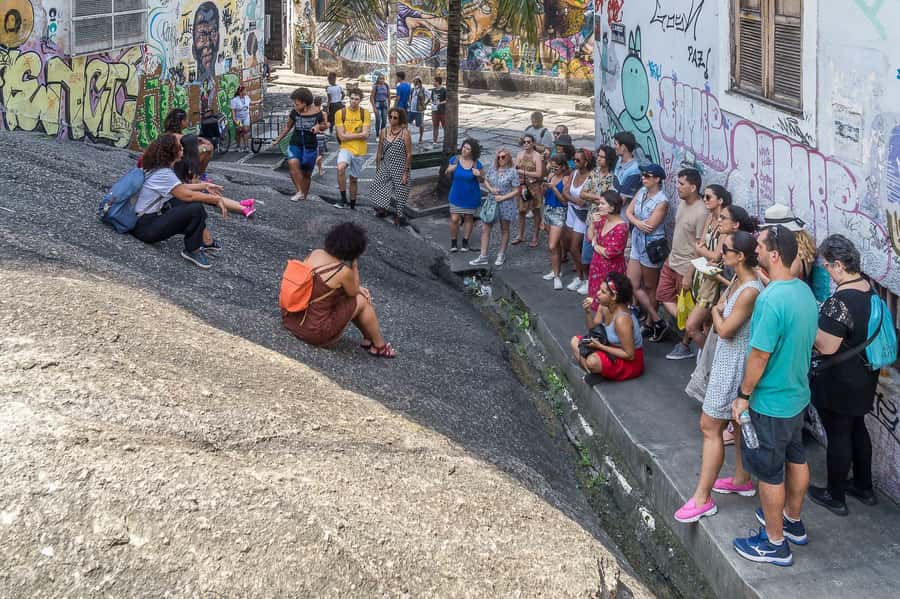
The guide is the key variable. The subject needs more than memorized dates, and the strongest guides bring warmth, clarity, and a willingness to discuss difficult questions.
Luana has been praised for her kindness, enthusiasm, and care, including helping a participant arrange a ride after the tour. Nathalia has been praised for detailed explanations, humor, strong answers to sensitive questions, and food suggestions. Larissa has been singled out for connecting slavery and present-day racial dynamics while using questions to keep the group involved.
Eddie has been described as especially passionate about his community and family, with a broad view of how Little Africa connects to the wider African diaspora. Marina brings academic study and personal Carioca experience to the subject. Ryane, Raquel, and other guides have also received strong praise for clear English, energy, and a welcoming manner.
These names do not guarantee who will lead your departure. They do show what to look for: a guide who can explain the past accurately, speak about current issues sensibly, and create space for questions.
Price, pace, and practical value
At $40 per person, this is a reasonable price for a 150-minute guided walk in a major city, especially because the subject is specialized. You are paying for interpretation and local perspective, not entry tickets, transport, or a meal.
The value is highest if you want to understand Rio beyond famous sights. A standard city walk may point out the port’s redevelopment or a few landmarks, but this experience gives the district a clear Afro-Brazilian focus.
The price is less attractive if you want a relaxed stroll with lots of free time, shopping, or food included. The schedule moves through several stops, and the serious content requires attention. You also need to pay for your own hotel transport and lunch.
The tour runs for 2.5 hours, with several 20-minute visits and a short museum break. Bring water, sunscreen, and comfortable shoes. The walk operates rain or shine, so check the forecast and carry suitable rain protection if needed.
English is the only language currently offered, even though some general activity information refers to English or Portuguese. If you need Portuguese, confirm before booking. Children under five cannot join.
You can cancel up to 24 hours ahead for a full refund, and the reserve-now, pay-later option lets you keep plans flexible. Those terms are useful if your Rio schedule may change.
Who should book this experience
I would recommend this tour to anyone who wants the historical background behind Rio’s music, food, dance, and port district. It is especially suitable for visitors interested in the African diaspora, Brazilian racial history, cultural memory, or the roots of samba.
It also works well near the beginning of your Rio stay. Several participants found that the walk changed how they understood the rest of Brazil, and one wished they had taken it immediately after arriving. The guide’s recommendations may also help you choose restaurants and other places to visit afterward.
You should think twice if you dislike walking in heat, want an easygoing sightseeing tour, or prefer not to discuss slavery and racism. The content can be emotional. That is not a flaw, but it is important to know what you are booking.
Should you book the Little Africa Heritage Walking Tour?
Yes, if you want a serious, focused look at Rio’s Afro-Brazilian past and present. The rooftop view, Pedra do Sal, Mercedes Baptista statue, Hanging Garden of Valongo, and Valongo Wharf create a strong route, but the guide’s storytelling is what gives those places meaning.
Book it early in your trip if possible, wear light comfortable clothing, and leave room for lunch afterward. At $40, it offers good value for a specialized introduction to a part of Rio that is easy to miss and important to understand.
FAQ
Where does the Little Africa Heritage Walking Tour start?
It starts in front of the Museu de Arte do Rio, also called the Rio Art Museum.
How early should I arrive?
Arrive five minutes before the activity begins. The guide can wait for up to 15 minutes if you are delayed.
How long does the tour last?
The tour lasts 150 minutes, or 2.5 hours.
What language is the tour offered in?
The tour is offered in English. The activity information also mentions Portuguese-speaking guides, but the current language information says the tour is English only, so confirm before booking if Portuguese is important to you.
What places does the route include?
The route includes the Rio Art Museum, Morro da Conceição, Largo de São Francisco da Prainha, Pedra do Sal, the Hanging Garden of Valongo, and the Valongo Wharf. The walk returns to the Rio Art Museum.
Is hotel pickup included?
No. You must make your own way to the meeting point, and hotel drop-off is not included.
What should I bring?
Bring comfortable shoes, sunscreen, water, and comfortable clothing.
Does the tour run in bad weather?
Yes. The tour takes place rain or shine.
Can children join?
Children under five are not permitted on the tour.
What is included in the price?
An English or Portuguese-speaking tour guide is included. Hotel transport, meals, and other items not specifically listed are not included.
Can I cancel for a refund?
You can cancel up to 24 hours before the activity for a full refund.
Do I have to pay when I book?
The reserve-now, pay-later option lets you hold your place without paying immediately.
More History Walks in Rio de Janeiro
- Olympic Boulevard, Museum of Tomorrow & Historical Rio
★ 4.5 · 66 reviews - Rio: Olympic Boulevard, Museum of Tomorrow & History Tour
★ 4.1 · 47 reviews - Petropolis Bohemia: Historic tour and visit to the Bohemian Brewery
★ 4.5 · 45 reviews - Imperial Petrópolis – Historic Tour + Teresa Street and Lunch
★ 4.5 · 44 reviews
New in Rio de Janeiro this month
- Discover Rocinha: Guided Tour of the Famous Favela★ 4.5 · 3 reviews
- Rio de Janeiro: Hang gliding adventure★ 3.7 · 3 reviews
- Rio de Janeiro: Pedra Bonita & Tijuca Forest Hike Tour★ 5.0 · 3 reviews
- Rio de Janeiro: Hang Gliding or Paragliding Flight★ 5.0 · 3 reviews
- Rio de Janeiro: Doors-off 30-min helicopter tour★ 5.0 · 3 reviews
- Rio de Janeiro: Local Experience in Forró dance★ 5.0 · 3 reviews
- Rio de Janeiro: Pedra do Telégrafo; Grumari/ Prainha Beaches★ 5.0 · 3 reviews
- Rio de Janeiro: Sugar Loaf with Lunch and Helicopter Flight★ 4.7 · 3 reviews
Rio de Janeiro Tours, compared.
Rio de Janeiro: 6-Stop Highlights of Rio with Lunch
Read our review →
Christ the Redeemer Entry Ticket by Corcovado Train
Read our review →
Rio de Janeiro: Rocinha Favela Walking Tour with Local Guide
Read our review →
Rio: Christ the Redeemer, Sugarloaf, Selaron & BBQ Lunch
Read our review →
Rio De Janeiro: Half-Day Rocinha Favela Walking Tour
Read our review →
Rio de Janeiro: Angra dos Reis and Ilha Grande Full-Day Tour
Read our review →
Rio de Janeiro: Beginner Samba Lesson in Ipanema
Read our review →
Browse the lists this tour appears in