
Our review · SALVADOR TOURS
Salvador de Bahia African Culture Tour
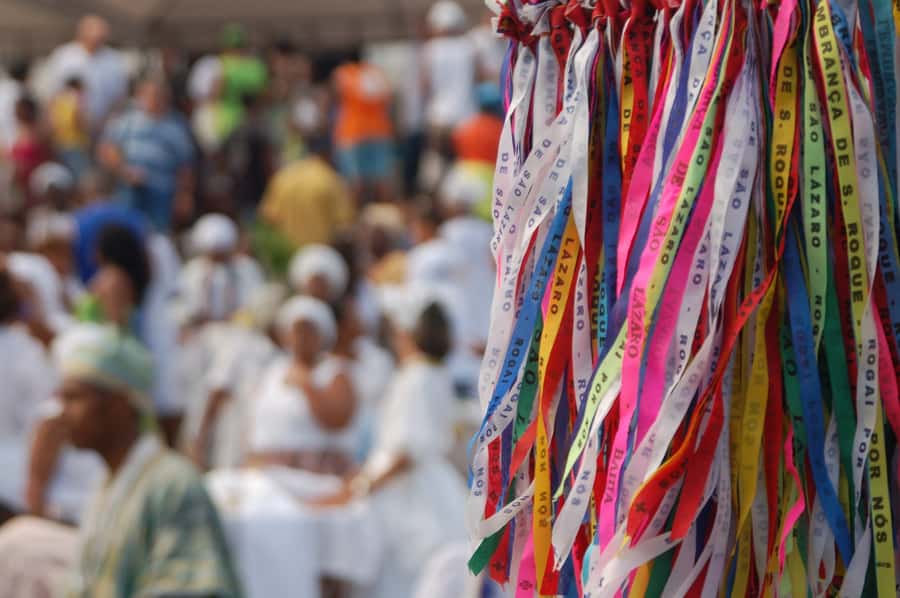
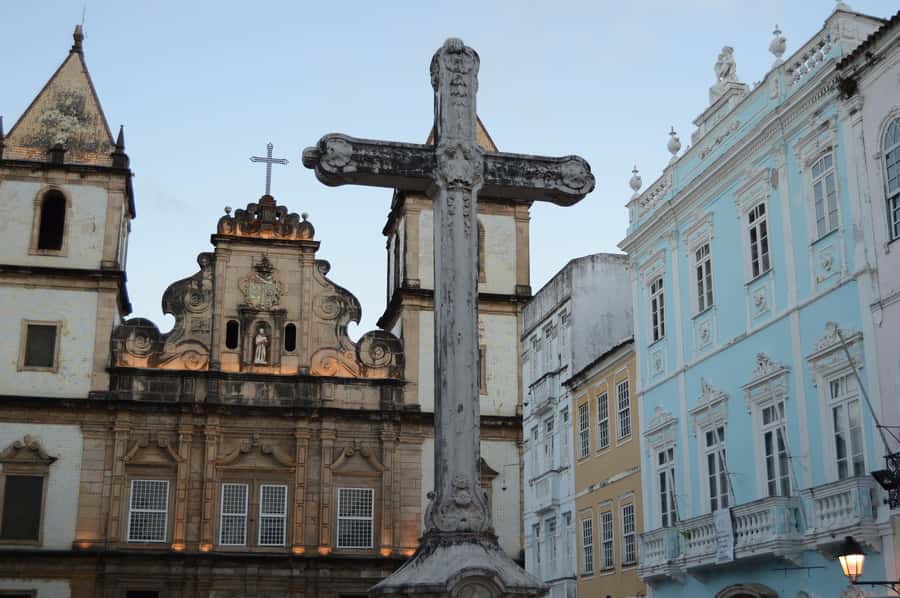
Salvador’s African heritage is not tucked away in a museum. It is written into the streets, the music, the religious life, and the story of Pelourinho. This three-hour walk connects those pieces, beginning at the Cathedral Basilica and moving through Terreiro de Jesus, the Cross of São Francisco, and Escola do Olodum.
I like two things here. First, the route tackles difficult subjects such as slavery, colonization, prostitution, and the struggle of Black Brazilians with care rather than skipping past them. Second, the private format lets you ask questions and shape the conversation. Guides including Eduardo, Sayuri, and Aldison have been praised for making the walk feel like time spent with a local friend.
The main drawback is value. This is a walking tour through central Salvador, and one person found that the guide finished after two hours instead of the promised three. If the price is high, ask exactly what is included, especially since the listed route does not clearly explain an Afro-Brazilian Mass or any paid admission.
Key points at a glance
- Terreiro de Jesus sets the historical stage: Learn how Jesuit missions and Portuguese colonization shaped central Salvador.
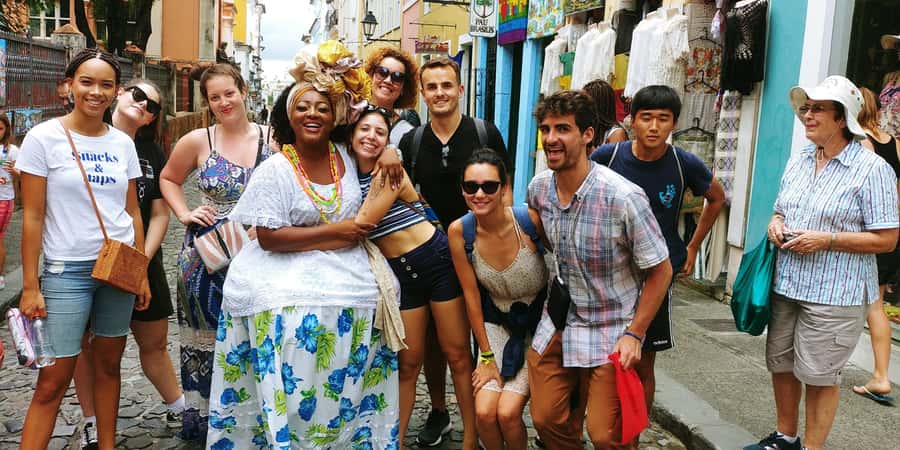
- The Cross of São Francisco links faith and resistance: Hear about a 19th-century men’s organization that supported the Black community’s struggle for freedom.
- Olodum brings the story into the present: Visit Escola do Olodum and discuss music, education, and the importance of Carnival.
- Music is part of the lesson: Samba and capoeira help explain how African traditions remain part of Salvador’s public life.
- Private guiding makes the walk flexible: You can ask for more time on history, culture, Carnival, or specific questions.
- The tour ends where the route becomes more complex: The finish at the Cross of São Francisco is central, but confirm the exact route and duration before booking.
Why this walk matters in Salvador
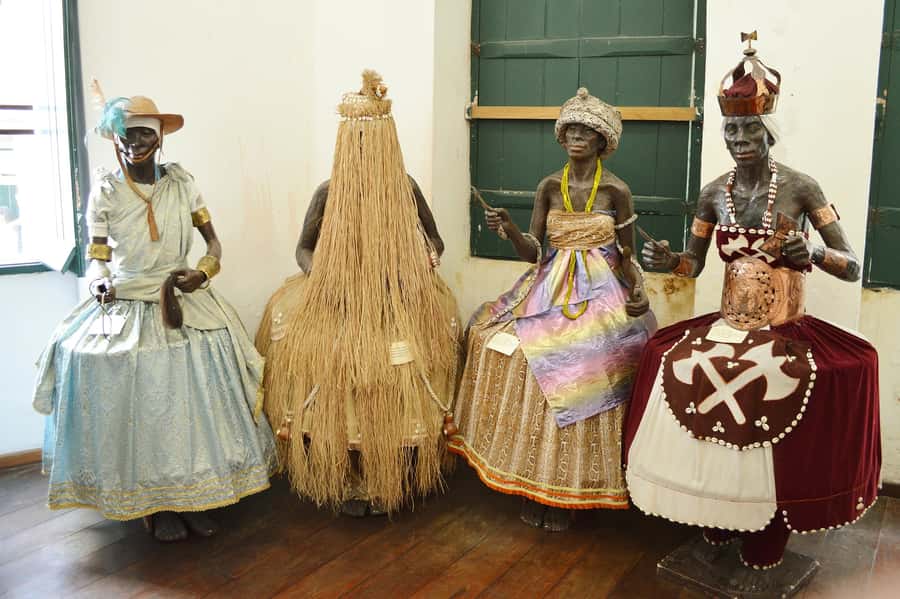
Salvador is one of Brazil’s key centers of African-descended culture, and this experience gives you a way to understand that culture through places rather than broad claims. You are not simply shown pretty churches and colorful streets. The guide explains how power, religion, labor, music, and resistance shaped the city.
That approach matters because Salvador’s old center can otherwise seem like a collection of photogenic buildings. Terreiro de Jesus and the Cross of São Francisco look impressive on their own, but the walk adds the harder questions: Who built these places? Who controlled them? How did African traditions survive in a society shaped by Portuguese rule and slavery?
I especially value the fact that the guide can adjust the conversation. Annita’s guide, Sayurin, began by asking what the group wanted to understand, then used those interests to shape the walk. That is a useful feature for a private tour. You can ask for more context on Brazil’s past, present-day Black identity, Carnival, music, or religious traditions instead of following a fixed speech.
Other Salvador days that go well with this one:
- Cooking class in Salvador, an authentic dinning experience
★ 5.0 · 132 reviews - Tour to the Frades Islands and Itaparica, from Salvador – Ba
★ 4.0 · 130 reviews - From Salvador: Schooner Tour to Frades Islands and Itaparica
★ 3.9 · 98 reviews
Meeting at Salvador Cathedral at 2 pm
The meeting point is in front of the Cathedral Basilica of San Salvador, at approximately -12.9728546, -38.5097046. The tour begins at 2 pm, with the exact start time subject to availability when you book.
Arrive with comfortable shoes and water. This is a three-hour walking experience in the historic center, so the practical challenge is not distance alone. You will be standing, listening, crossing busy central streets, and moving between several historic sites. The tour is private, so the pace should be easier to manage than on a large group walk, but it is still worth telling the guide if you need more pauses.
The cathedral is a useful starting point because it places you inside Salvador’s colonial center from the first minute. From there, the tour moves into the story of how Portuguese colonization and Jesuit missionary work shaped the city. That beginning gives the rest of the walk a clear frame: African culture did not develop separately from Salvador’s colonial institutions. It developed in tension with them and, over time, helped shape the city’s public character.
Terreiro de Jesus and the colonial story
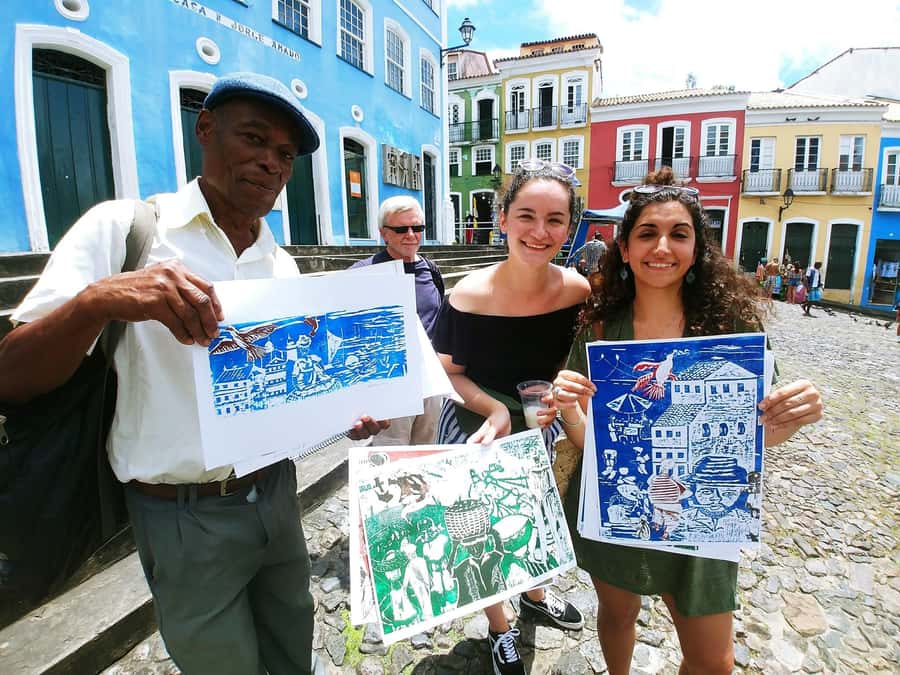
Terreiro de Jesus is the first major stop. Here, the guide explains the role of the Jesuit missions and Portuguese colonization in this part of Brazil.
You should expect a history lesson connected to the square itself, not a long general lecture about Brazil. The useful part is the link between religious authority, colonial settlement, and the lives of African people brought to Brazil. This is also where the guide may introduce notable African or Afro-Brazilian figures connected with Salvador.
The tour’s strongest quality is its willingness to deal with uncomfortable subjects. Annita’s experience makes clear that the discussion can include slavery, prostitution, and the Black Brazilian experience. Those topics are not side notes. They help explain why African culture in Salvador is both a source of celebration and a record of survival.
You may want to prepare a few questions before arriving. Ask how African traditions were preserved, how religious practices changed under Portuguese rule, or how Salvador’s cultural identity developed after emancipation. A private guide can usually give more useful answers when you tell them what interests you.
The trade-off is that the depth depends heavily on the person leading your walk. Guides named in the feedback include Eduardo, Sayuri or Sayurin, Aldison or Adilson, Nilza, Facundo, and Carlos. The comments describe several guides as patient, friendly, and easy to talk to, but the assigned guide may vary. If you have a specific interest, mention it when arranging the tour.
The Cross of São Francisco and Black resistance
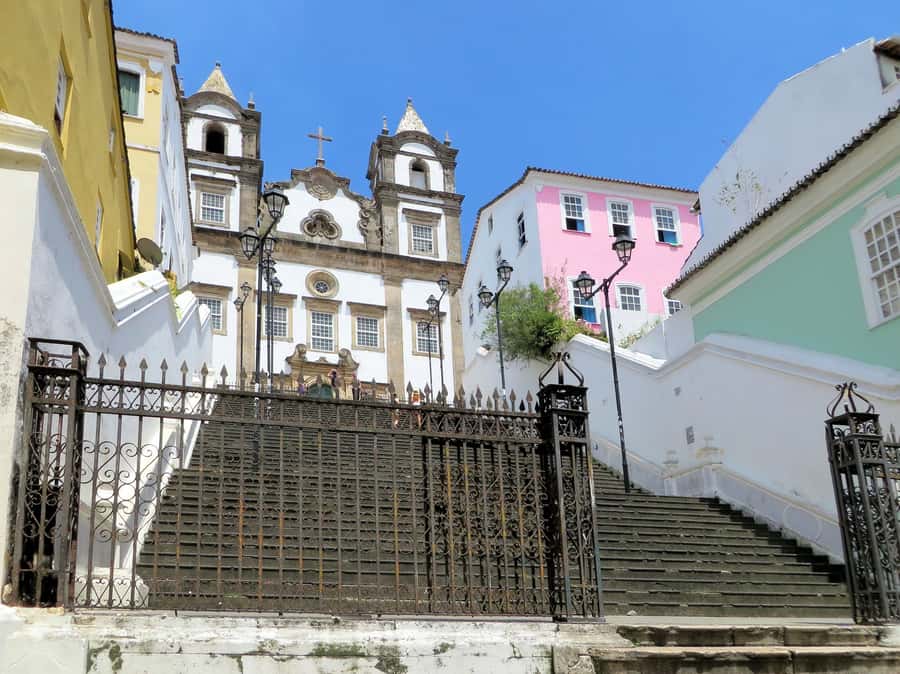
The route continues through the historic center to the Cross of São Francisco. This stop adds a political and social layer to the tour.
Here, you learn about the formation of a 19th-century men’s organization created to help Salvador’s Black community in its struggle for liberation. That detail is important because it moves the story away from the idea that African culture in Brazil is only about music, dance, food, or religious ceremony. It also includes organization, mutual aid, and resistance.
The Cross of São Francisco is linked to a major religious setting, but the guide uses it to discuss community life and the fight for freedom. That contrast gives the stop weight. You see a historic landmark while hearing about the people who worked to protect and advance their community under harsh conditions.
This is also where samba and capoeira enter the conversation. The guide explains how these forms connect to African cultural influence in Brazil. You might hear about their rhythms, movements, and place in Salvador’s identity. Do not expect a full dance class unless the guide specifically confirms one. The description points to explanation and cultural context, not a scheduled performance.
Still, this part of the tour should feel lively. Music and movement make historical ideas easier to grasp, and the route shows how culture can carry memory. A guide who is comfortable with questions can help you connect capoeira and samba to wider issues of identity, community, and public space.
A different side of Salvador altogether:
- Tour Praia do Forte and Guarajuba, Leaving Salvador-Bahia.
★ 4.5 · 97 reviews - Afro-Brazilian Roots Private City Tour in Salvador
★ 4.7 · 88 reviews - Transfer Salvador Airport / Hotel in Salvador
★ 5.0 · 78 reviews - Transfer Iberostar selection or Iberostar waves go and go
★ 5.0 · 76 reviews
Escola do Olodum and the meaning of Carnival
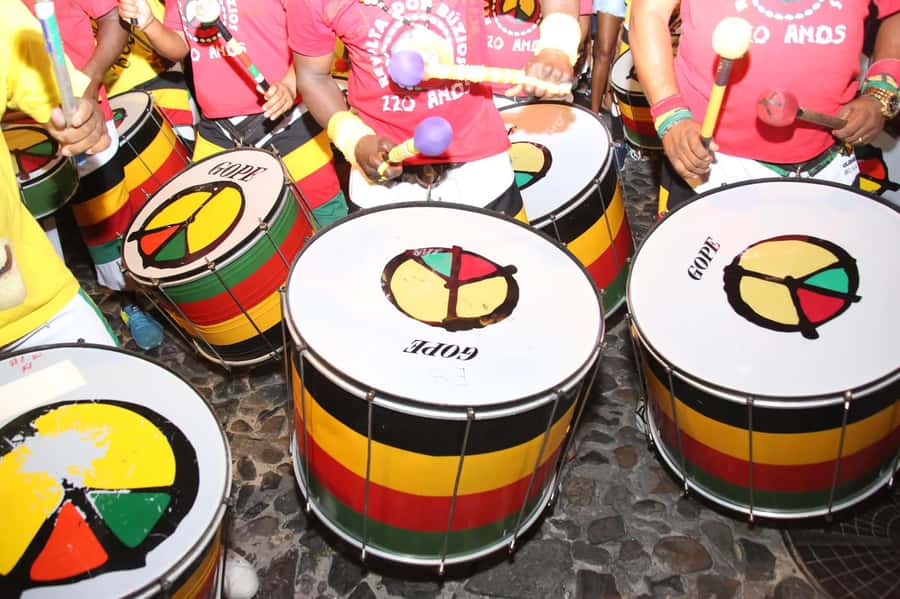
The visit to Escola do Olodum is the most modern stop on the route. Olodum is presented as a cultural and educational center of African descent, and the discussion focuses on Carnival’s role in Salvador.
This is where the tour connects the past to the city you see today. Carnival is not treated simply as a party. It becomes a way to talk about African-descended culture, music, public visibility, and education. That makes the Olodum stop valuable even if you are not visiting during Carnival season.
One guest who had a strong interest in Carnival received extra help from Sayuri with planning Carnival experiences beyond the tour itself. That suggests you should speak up if Carnival is a priority. A guide may be able to offer practical ideas, but the supplied information does not promise tickets, event access, or a performance.
The name Olodum carries particular weight in Salvador’s music culture, but keep your expectations clear. The route says you will visit the school and discuss Carnival. It does not promise a rehearsal, concert, workshop, or meeting with musicians. Confirm those details if they are important to you.
I like this stop because it keeps African heritage from being locked in the colonial past. You see culture presented as something taught, practiced, and carried forward. It also gives the tour a more hopeful finish after the difficult material covered earlier.
The Afro-Brazilian Mass question
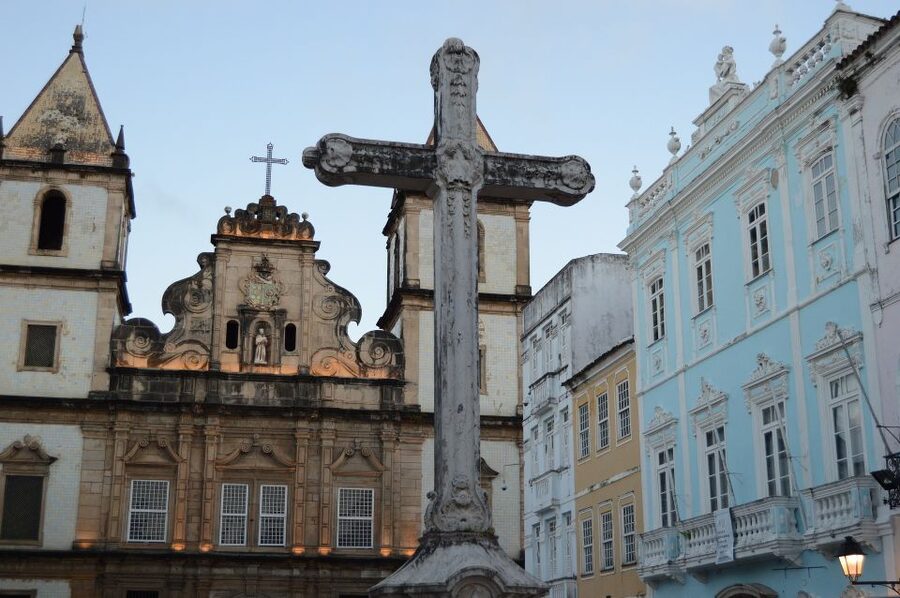
Afro-Brazilian Mass appears among the tour highlights, but the detailed route describes the cathedral, Terreiro de Jesus, the Cross of São Francisco, and Escola do Olodum. It does not clearly state that you attend a Mass.
That distinction matters. Religious services follow their own schedules, and a three-hour walk starting at 2 pm cannot automatically guarantee entry to a service. If attending an Afro-Brazilian Mass is one of your main reasons for booking, ask the operator to confirm the date, time, location, and whether participation is included.
You can still expect discussion of African influence on Salvador’s religious and cultural life. Just do not assume that a service is part of every departure.
What the private format changes
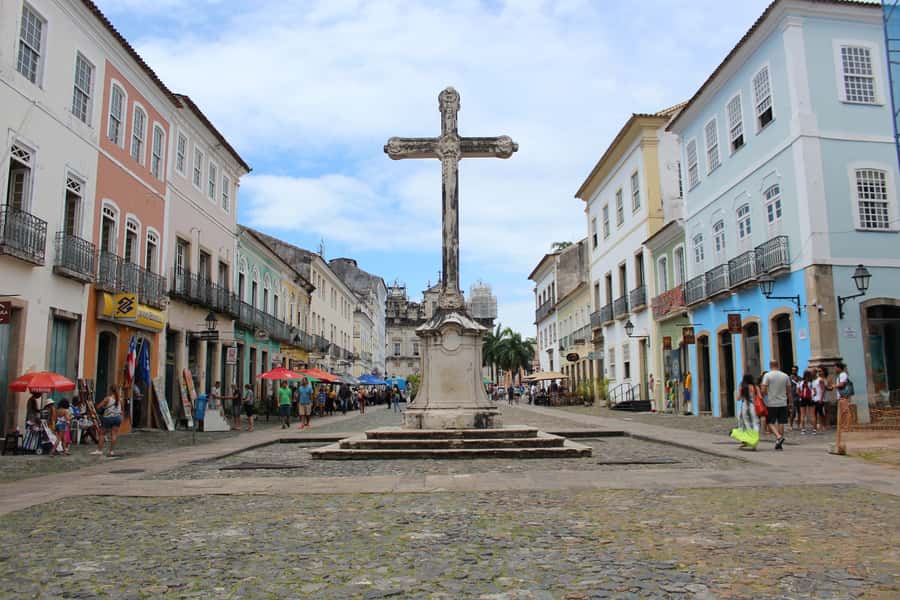
This is a private-group experience, which is its clearest practical advantage. You are not trying to hear a guide over a crowd or waiting for strangers to finish photographs. You can ask direct questions and spend longer on a subject that matters to you.
Several guides are described as patient and open to letting the group guide the conversation at times. Camille’s guide even took the group to three museums, although museum visits are not listed as a standard part of this route. Treat that as an example of possible flexibility, not a guaranteed inclusion.
The private format also works well for mixed interests. One person may want colonial history, another may care about Carnival, and another may want to understand capoeira. A fixed group tour often has to move on. Here, you can ask the guide to adjust the emphasis.
The downside is cost. No tour price is provided here, so I cannot judge the exact amount. In general, a private walking tour should offer more than directions between free sites. Its value comes from the guide’s interpretation, preparation, language ability, and willingness to tailor the experience. If the price feels steep, ask how much time is spent walking, how long the guide stays at each location, and what visits or activities are included.
One person felt the tour was too expensive because it used free museums and ended after roughly two hours. That is a fair concern. The tour is worth more when you receive the full three hours and a thoughtful, personalized explanation. It is worth less if you get a short route with little discussion.
Languages, timing, and what to bring
The tour is offered in English, Spanish, and Portuguese. This makes it useful for visitors who want to discuss complex subjects in a language they can follow comfortably. Confirm your preferred language when booking.
The start time is 2 pm, and the advertised duration is three hours. The stated ending point is the Cross of São Francisco, although the route also includes Escola do Olodum. Because the description gives both a final cultural stop and a different stated ending point, confirm the exact finish with the guide.
Cancellation is free up to 24 hours before the activity for a full refund. You can also reserve and pay later, which helps if your Salvador plans are still shifting.
Bring:
- Comfortable walking shoes
- Water and sun protection
- A phone for the meeting-point coordinates
- Questions about slavery, religion, Carnival, music, or capoeira
- A little extra time afterward if you want to continue exploring the historic center
The information provided does not specify accessibility arrangements, transport, food, or hotel pickup. This is a walking tour beginning at the cathedral, so ask the provider directly about any mobility needs or additional services.
Who will get the most from this tour?
I would choose this walk if you want context before exploring Salvador on your own. It suits first-time visitors who see the old center’s churches and squares but want to understand the people and history behind them.
It is also a good match for anyone especially interested in African diaspora culture, Carnival, samba, capoeira, or Brazil’s colonial past. The private format is useful for families, couples, and small groups who prefer conversation over a standard script.
You may want a different experience if your priority is a live performance, a full capoeira class, a food tour, or a guaranteed religious service. Those elements are not clearly promised. This is mainly a guided history and culture walk.
The tour also suits visitors who want a guide who can respond to sensitive questions. The strongest accounts describe guides as patient, friendly, and able to explain difficult topics respectfully. That quality matters here. Salvador’s story is not simple, and a good guide should leave room for questions rather than turn the past into a polished postcard.
Should you book the Salvador African Culture Tour?
Book it if you want a private, discussion-led introduction to Salvador’s African heritage, and if you value a guide who can connect colonial sites with present-day music, Carnival, and community life. The high overall rating of 4.5 out of 5, based on 60 ratings, fits the experience described: the best departures seem to offer strong personal guidance and plenty of historical context.
Before paying, confirm three points: the full three-hour duration, the exact route and finishing place, and whether an Afro-Brazilian Mass is actually included. Those details affect the value.
My call: this is a worthwhile choice for history and culture-minded visitors, especially when the guide adapts the walk to your interests. It is less convincing if you expect a performance or if the price is high without guaranteed extras. Ask clear questions, wear good shoes, and treat the tour as a conversation about Salvador’s past and present rather than a quick checklist of sights.
FAQ
Where does the Salvador African Culture Tour begin?
It begins in front of the Cathedral Basilica of San Salvador. The meeting-point coordinates are -12.972854614257812, -38.50970458984375.
What time does the tour start?
The stated meeting time is 2 pm. Availability and starting times should be checked when booking.
How long does the walking tour last?
The advertised duration is three hours. One account reported a shorter ending, so confirm the expected duration with the guide.
What places are included?
The route includes Terreiro de Jesus, the Cross of São Francisco, and Escola do Olodum. The tour begins at Salvador Cathedral.
Where does the tour end?
The stated ending point is the Cross of São Francisco. Since Escola do Olodum is also part of the route, confirm the exact final stop before starting.
Is the tour private?
Yes. It is offered for a private group rather than as a shared group experience.
What languages are available?
The tour is offered in English, Spanish, and Portuguese.
Is an Afro-Brazilian Mass included?
An Afro-Brazilian Mass is listed as a highlight, but the detailed route does not clearly confirm attendance at a service. Ask the provider to confirm the date, time, location, and inclusion.
Can I cancel for a full refund?
Yes. You can cancel up to 24 hours in advance for a full refund. A reserve-now-and-pay-later option is also available.
New in Salvador this month
- From Salvador: Schooner Tour to Frades Island★ 3.9 · 3 reviews
- From Salvador: Quilombo Heritage Daytrip with Lunch★ 3.4 · 3 reviews
- Salvador: Caipirinha Masterclass with Unlimited Drinks★ 4.2 · 4 reviews
- Salvador: Schooner Cruise with Pickup and Itaparica Stop★ 3.8 · 5 reviews
- BOXE CLASS – EX BAHIAN CHAMPION (SALVADOR-BA)★ 5.0 · 7 reviews
- Salvador by Night: Pelourinho & Old Town Tour★ 4.3 · 8 reviews
- Salvador: 3-Hour Percussion Class★ 4.9 · 10 reviews
- Salvador: Traditional Drumming and Percussion Workshop★ 4.4 · 10 reviews
Salvador Tours, compared.
Cooking class in Salvador, an authentic dinning experience
Read our review →
Tour to the Frades Islands and Itaparica, from Salvador – Ba
Read our review →
From Salvador: Schooner Tour to Frades Islands and Itaparica
Read our review →
Tour Praia do Forte and Guarajuba, Leaving Salvador-Bahia.
Read our review →
Afro-Brazilian Roots Private City Tour in Salvador
Read our review →


Schooner Trip Only Ilha dos Frades, Leaving Salvador-Bahia.
Read our review →Browse the lists this tour appears in