
Our review · SALVADOR TOURS
Salvador: Walking Tour Through Pelourinho
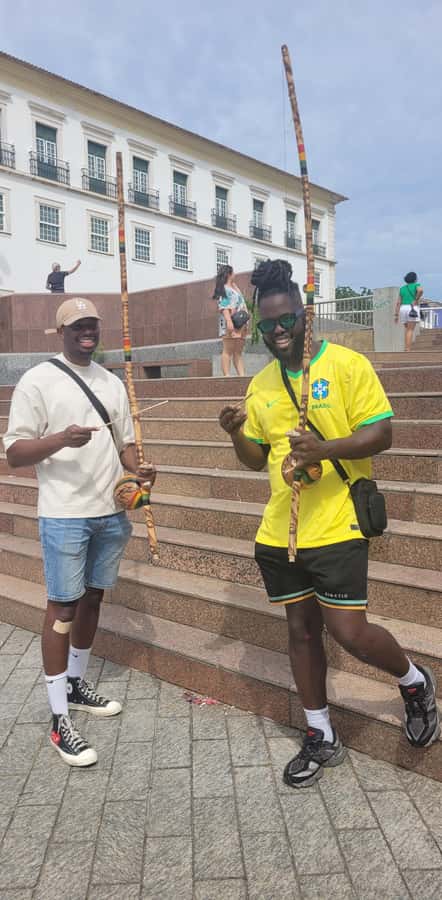
Salvador’s old center is best understood on foot, one square and steep street at a time. This walk links the city’s grand viewpoints, colonial churches, Afro-Brazilian landmarks, and difficult stories, from Praça Castro Alves to the famous Ladeira do Pelô. The guide, Adriano, is praised for clear English, a good pace, and personal recommendations.
I like the small group of up to seven, which makes it easier to hear and ask questions. I also like the route’s mix of big sights and meaningful details, including Zumbi dos Palmares, the first Faculty of Medicine in Brazil, and the church connected with Brazil’s Black brotherhoods.
The main caution is practical: this is a 90-minute walk through Salvador’s historic center, with sun, uneven streets, and slopes. It is not suitable for wheelchair users or people with mobility impairments, and the $80 price feels high unless you value a private-feeling group and a strong English-speaking guide.
Key points at a glance
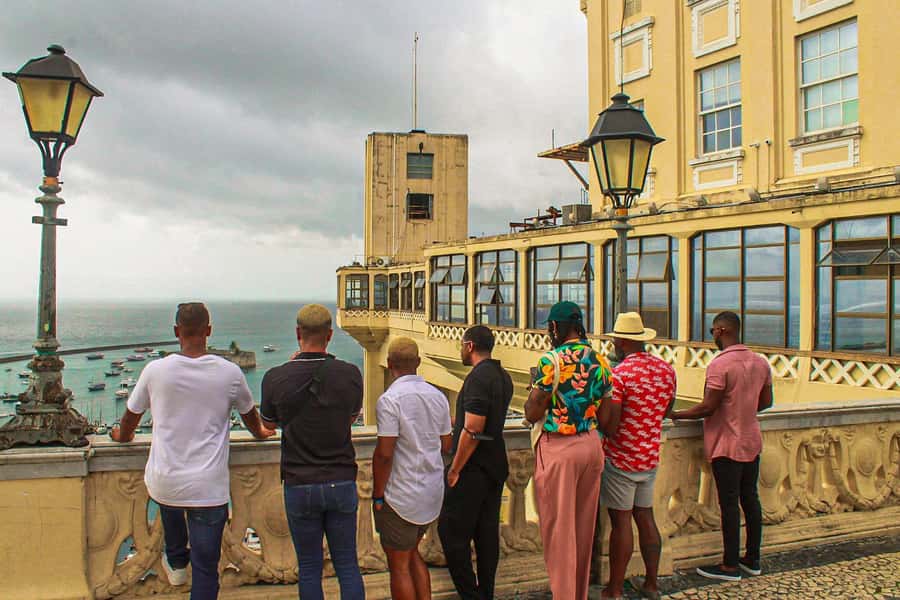
- Praça Castro Alves begins the story: Start with a wide view over Baía de Todos os Santos and its islands.
- Rua Chile carries a historic claim: Walk along what is described as the first street in Brazil.
- The Lacerda Elevator links two cities in one: See the famous connection between Cidade Alta and Cidade Baixa.
- Praça da Sé brings history and memory together: Learn about the first bishop of Brazil, Zumbi dos Palmares, and the Monument to the Fallen Cross.
- Igreja de Ouro provides the visual climax: Reach the gilded church at Largo do Cruzeiro de São Francisco.
- The final streets connect history with popular culture: Pass Olodum’s house and Michael Jackson’s filming location on Ladeira do Pelô.
Starting above the bay at Praça Castro Alves
Your meeting point is Praça Castro Alves, where the guide will be holding a credential. This is a useful starting place because the square gives you an immediate sense of Salvador’s setting: the upper historic city looks toward Baía de Todos os Santos and its islands.
The view is more than a quick photo stop. It helps explain Salvador’s two-level layout before you see the Lacerda Elevator, the landmark that connects Cidade Alta with Cidade Baixa. I like tours that establish this basic geography early, because Salvador can otherwise feel like a maze of plazas, stairways, and sloping roads.
The opening also gives you time to settle into the group. With a maximum of seven people, the guide can speak to everyone without the shouting and stop-start rhythm common on larger city walks. Several comments about Adriano point to his clear volume, friendly manner, and habit of adjusting explanations to the people in front of him.
You should arrive ready for sun. Light clothing, a hat, sunscreen, comfortable shoes, and a bottle of water are all sensible. Smoking is not allowed during the activity.
more walking tours in Salvador
- Salvador Historic Walking Tour – Pelourinho
★ 4.8 · 62 reviews - Salvador, Bahia: A amazing Walking Tour!
★ 5.0 · 14 reviews - Rio de Janeiro: Rocinha Favela Walking Tour with Local Guide
★ 4.8 · 3,052 reviews
Rua Chile and Salvador’s old civic center
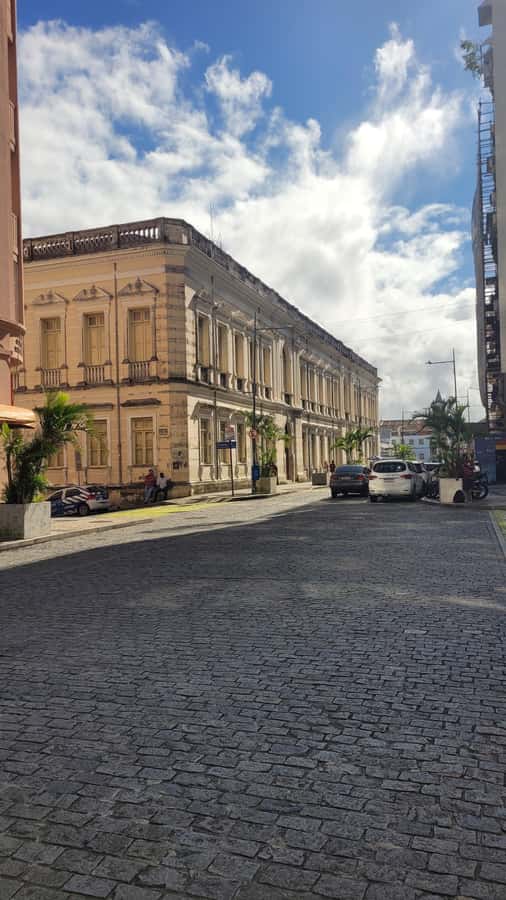
From Praça Castro Alves, the route continues along Rua Chile, presented as the first street in Brazil. That claim gives the street an outsized place in the tour, but the real value is seeing how the route moves from a bay-facing square into the old center’s civic and religious landmarks.
You then make a photo stop on Pau da Bandeira street. The draw here is the view over the bay, so this is another chance to pause rather than simply march between buildings. Bring a camera, but do not let the photo stop become the whole point. The guide’s explanation of how the city is arranged is what makes the view useful.
Next comes Praça Thomé de Souza, named for the first General Governor of Brazil. This square gathers several layers of the city’s early government. You see the Palácio do Primeiro Governo, a building that was used as Brazil’s first prison, and the Lacerda Elevator.
The elevator is one of Salvador’s most recognizable sights. Even if you do not ride it on this tour, seeing it from the upper city clarifies its purpose. It is not simply a monument or scenic photo background. It connects the upper and lower parts of Salvador, making the city’s unusual vertical form visible in one glance.
The tour includes no hotel pickup, food, drinks, or entrance fees. Since the route is designed as a walking visit, you should plan your own way to Praça Castro Alves and budget separately for anything you choose to enter or purchase.
From Rua Chile to Praça da Sé
Continuing along Rua Chile, you pass the Museu da Misericórdia before reaching Praça da Sé. The route does not promise admission to the museum, so think of this portion as an exterior-focused walk with commentary rather than a museum tour.
Praça da Sé is one of the most important stops because it joins architecture, political memory, religious history, and Brazil’s long struggle over slavery. Here you see the Monument to the Fallen Cross, erected in protest after the demolition of Igreja da Sé. That detail gives the monument a purpose beyond its appearance. It marks a dispute over what should be preserved and what can be removed in the name of urban change.
The square also includes a statue of the first Bishop of Brazil. The guide explains his tragic end, adding a personal and human element to an otherwise formal public space. This is the sort of stop that benefits from a local guide. Without context, a statue can be just another object to photograph. With context, you begin to see how Salvador’s public spaces tell stories through people and loss.
Another stop features Zumbi dos Palmares, the leader of resistance against slavery. His presence shifts the focus from colonial institutions to resistance and Black Brazilian identity. The route does not treat Salvador as a collection of pretty façades. It includes the harder parts of the city’s past, which is essential in a place so shaped by the history of slavery and African cultural influence.
Adriano’s strongest praise centers on this kind of explanation. He is described as willing to discuss difficult subjects while keeping the walk approachable. That balance matters. You get serious context without being buried under a lecture.
Largo Terreiro de Jesus and Brazil’s first Faculty of Medicine
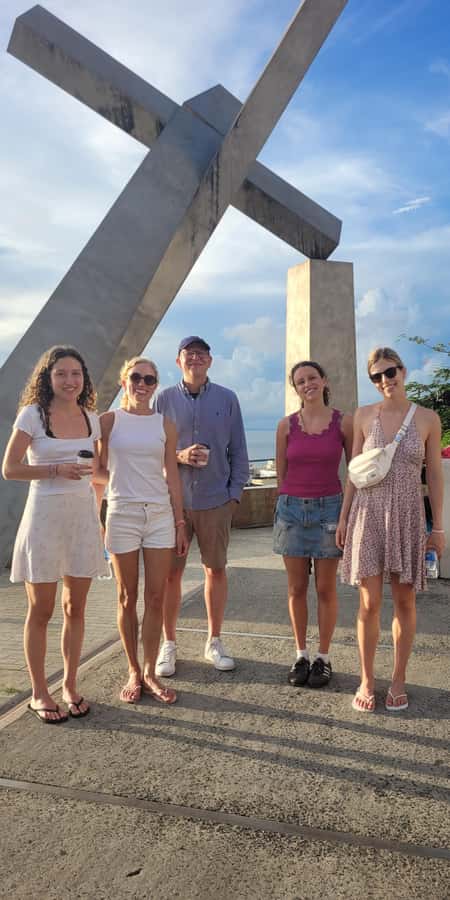
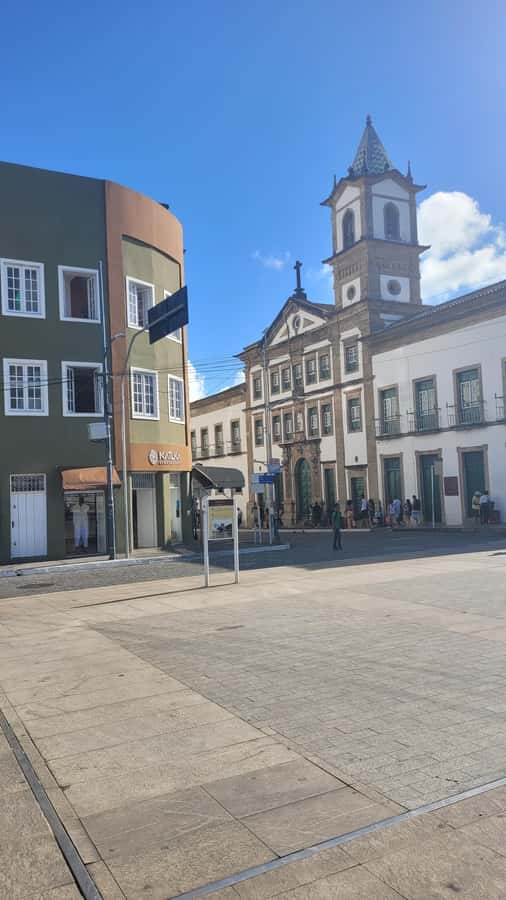
Leaving Praça da Sé, you walk to Largo Terreiro de Jesus. The square is known here for the first Faculty of Medicine in Brazil and its cluster of churches.
This is a good point to pay attention to the contrast between formal institutions and religious buildings. The faculty represents the development of professional education in Brazil, while the churches show how strongly religious life shaped the city’s public spaces. The guide helps connect those pieces instead of presenting them as unrelated stops.
You should expect to spend most of the tour outdoors. The activity lasts only 90 minutes, so the explanations need to stay focused. That is a strength for someone who wants a useful introduction before exploring alone, but a limitation if you want to go inside every church, linger over architectural details, or take a long series of photographs.
The route’s compact timing is one reason the guide’s pacing matters. The most useful comments describe Adriano as clear, patient, and attentive when someone pauses or asks a question. That can make a short tour feel less rushed, especially in a small group where the guide can respond to individual interests.
A different side of Salvador altogether:
- Cooking class in Salvador, an authentic dinning experience
★ 5.0 · 132 reviews - Tour to the Frades Islands and Itaparica, from Salvador – Ba
★ 4.0 · 130 reviews - From Salvador: Schooner Tour to Frades Islands and Itaparica
★ 3.9 · 98 reviews - Tour Praia do Forte and Guarajuba, Leaving Salvador-Bahia.
★ 4.5 · 97 reviews
The gilded interior promised by Igreja de Ouro
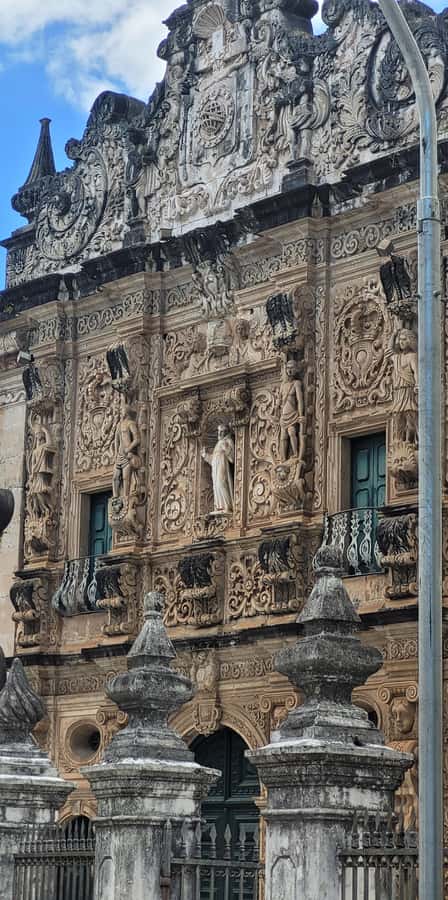
At Largo do Cruzeiro de São Francisco, the route reaches Igreja de Ouro, one of the tour’s major visual highlights. The name points to the church’s elaborate gilded decoration, and the church complex gives you a concentrated look at Salvador’s religious art and colonial wealth.
The experience includes seeing the church, but entrance fees are not included. Check the conditions at the time of booking if entering is important to you, and carry extra money for any admission. The tour can still be worthwhile from the outside, but the price comparison changes if you expected an included church visit.
This is also a place where modest dress and respectful behavior make sense. The supplied information does not set a dress code, so I would simply treat the church as an active religious site rather than only a sightseeing stop.
I like that the route reaches Igreja de Ouro after Praça da Sé and Terreiro de Jesus. By then, you have heard about government, medicine, religion, slavery, and resistance. The church’s decoration is easier to interpret when you have already considered the society that built and used these spaces.
Olodum, the Ladeira do Pelô, and Black Salvador
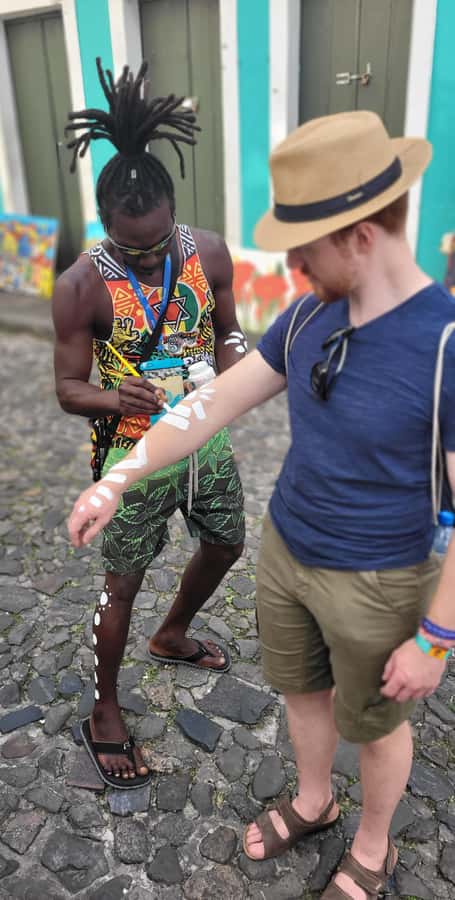
Near the end, you pass Olodum’s house and continue to the Ladeira do Pelô. Olodum is central to Salvador’s public image and Afro-Brazilian cultural identity, while the steep street is known internationally as a filming location for Michael Jackson’s video They Don’t Care About Us.
That pop-culture connection may be the detail that first attracts you, but it works best as the final layer of the walk. The tour has already introduced the old city’s political, religious, and social history. The music and filming reference show how Pelourinho later became part of a global cultural conversation.
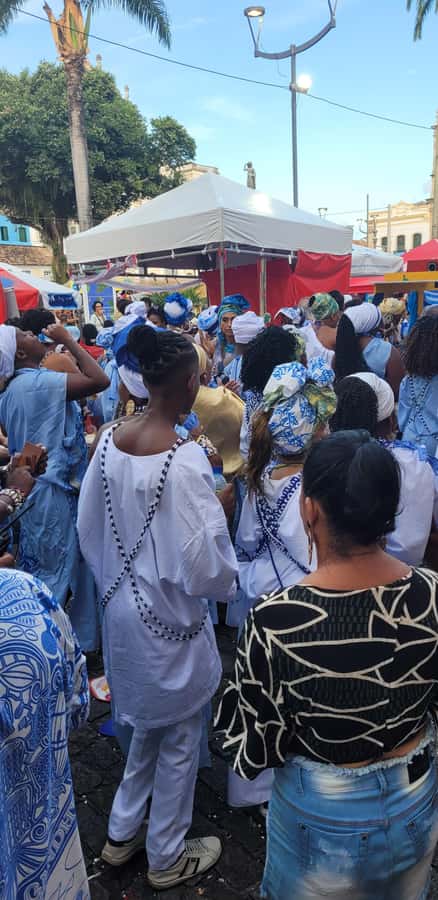
The route also includes the church of Black people and the brotherhood of Black men in Brazil. This is one of the most important elements for anyone trying to understand Salvador beyond its colorful streets. The historic center is not just colonial architecture. It also reflects the work of Black communities to preserve faith, culture, solidarity, and identity under oppressive conditions.
Here again, the guide’s local perspective matters. The strongest comments about Adriano describe him as warm, inclusive, and able to explain both serious subjects and lighter facts about Pelourinho. He also gives practical suggestions for food, bars, sights, and areas to avoid, which can help you plan the rest of your stay.
How much value does the $80 price offer?
At $80 per person, this is not a bargain walking tour. The 90-minute duration is short, and the fee does not include transport, refreshments, or entrance to attractions.
The value comes from the format. A group limited to seven is much closer to a personal orientation than a large coach excursion. You can ask questions, hear the guide, and receive recommendations suited to your interests. The tour also covers a lot of important ground in a short time: bay views, old government buildings, the elevator, monuments, churches, the medical faculty, Olodum, and the Ladeira do Pelô.
I would judge the price against your plans. If you are visiting Salvador for only a short stay, this can be a useful first look at Pelourinho before you return to the places that interest you most. If you already know the center well or prefer to explore slowly on your own, $80 may be harder to justify.
The repeated praise for Adriano’s English, patience, local insight, and recommendations strengthens the case for the fee. Still, the guide is the main reason to book, not included admission or a long list of attractions. You are paying for interpretation, orientation, and a small group.
Pace, comfort, and who should book
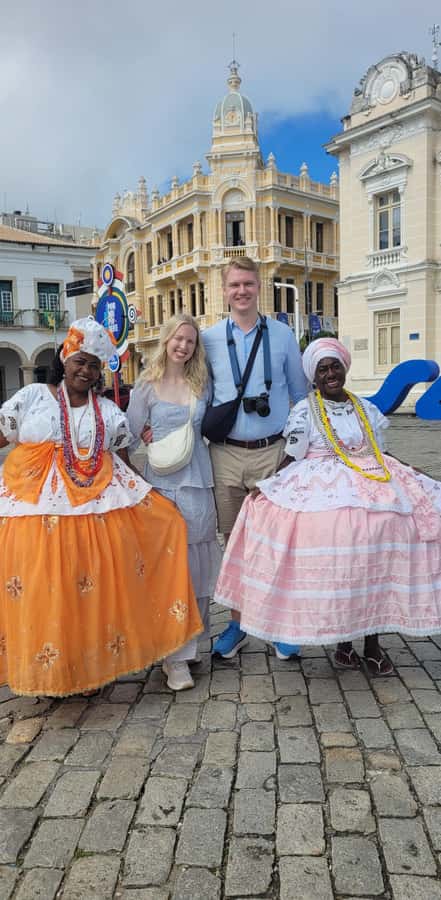
You need comfortable walking shoes and light clothing. Bring water, a hat, sunscreen, and a camera. The route includes outdoor stops and changing weather conditions, so a little preparation will make the 90 minutes much more pleasant.
This is not suitable for wheelchair users or people with mobility impairments. Anyone who has trouble with slopes, uneven historic streets, or extended standing should ask before booking, since the supplied details do not promise an adapted route.
The tour suits first-time visitors who want a clear introduction to the historic center, English-speaking travelers who want local explanations, and anyone interested in Salvador’s African, religious, political, and musical traditions. It also works well as a first activity in the city because the guide offers ideas for what to eat and see afterward.
It may not suit you if you want interior visits included, a relaxed half-day schedule, hotel pickup, or a tour focused mainly on photography. The short format keeps the route lively, but it limits time for lingering.
Should you book the Pelourinho walk?
Book it if you want a concise, small-group introduction to Salvador’s historic center and value an English-speaking local guide who can explain difficult history clearly. The route has a good spread of landmarks, and Adriano’s friendly, personal style is the strongest reason to choose it.
Skip it if $80 feels high for 90 minutes, if you need an accessible route, or if you want entrance fees and transport bundled into the price. For the right visitor, though, this walk gives you the framework to understand Pelourinho rather than simply photograph it.
FAQ
Where does the walking tour meet?
The meeting point is Praça Castro Alves. The guide will be standing there with a credential.
How long does the tour last?
The tour lasts 90 minutes.
What language is the tour offered in?
The live tour guide speaks English.
How many people can join the group?
The group is limited to seven participants.
What sights are included on the route?
The route includes Praça Castro Alves, Baía de Todos os Santos viewpoints, Rua Chile, Pau da Bandeira street, Praça Thomé de Souza, the Palácio do Primeiro Governo, the Lacerda Elevator, Museu da Misericórdia, Praça da Sé, the Monument to the Fallen Cross, Largo Terreiro de Jesus, the first Faculty of Medicine in Brazil, Igreja de Ouro, Olodum’s house, and Ladeira do Pelô.
Does the tour include a ride on the Lacerda Elevator?
The tour includes seeing the Lacerda Elevator, which connects Cidade Alta and Cidade Baixa. A ride is not specifically included in the activity details.
Are entrance fees included?
No. Entrance fees to attractions are not included.
Is hotel pickup provided?
No. Hotel pickup and drop-off are not included.
What should I bring?
Bring comfortable shoes, a sun hat, a camera, sunscreen, and water. Light clothing is also recommended.
Is the tour suitable for wheelchair users?
No. The activity is not suitable for wheelchair users or people with mobility impairments.
New in Salvador this month
- From Salvador: Schooner Tour to Frades Island★ 3.9 · 3 reviews
- From Salvador: Quilombo Heritage Daytrip with Lunch★ 3.4 · 3 reviews
- Salvador: Caipirinha Masterclass with Unlimited Drinks★ 4.2 · 4 reviews
- Salvador: Schooner Cruise with Pickup and Itaparica Stop★ 3.8 · 5 reviews
- BOXE CLASS – EX BAHIAN CHAMPION (SALVADOR-BA)★ 5.0 · 7 reviews
- Salvador by Night: Pelourinho & Old Town Tour★ 4.3 · 8 reviews
- Salvador: 3-Hour Percussion Class★ 4.9 · 10 reviews
- Salvador: Traditional Drumming and Percussion Workshop★ 4.4 · 10 reviews
Salvador Tours, compared.
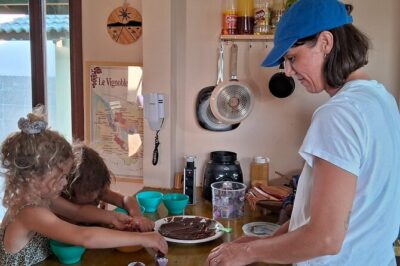
Cooking class in Salvador, an authentic dinning experience
Read our review →
Tour to the Frades Islands and Itaparica, from Salvador – Ba
Read our review →
From Salvador: Schooner Tour to Frades Islands and Itaparica
Read our review →
Tour Praia do Forte and Guarajuba, Leaving Salvador-Bahia.
Read our review →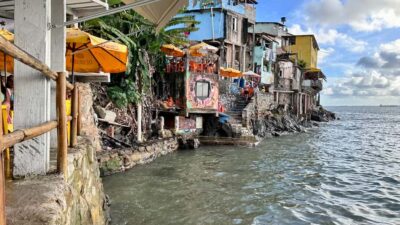
Afro-Brazilian Roots Private City Tour in Salvador
Read our review →


Schooner Trip Only Ilha dos Frades, Leaving Salvador-Bahia.
Read our review →Browse the lists this tour appears in