
Our review · SALVADOR TOURS
Salvador: Cultural Treasure – Samba de Roda.
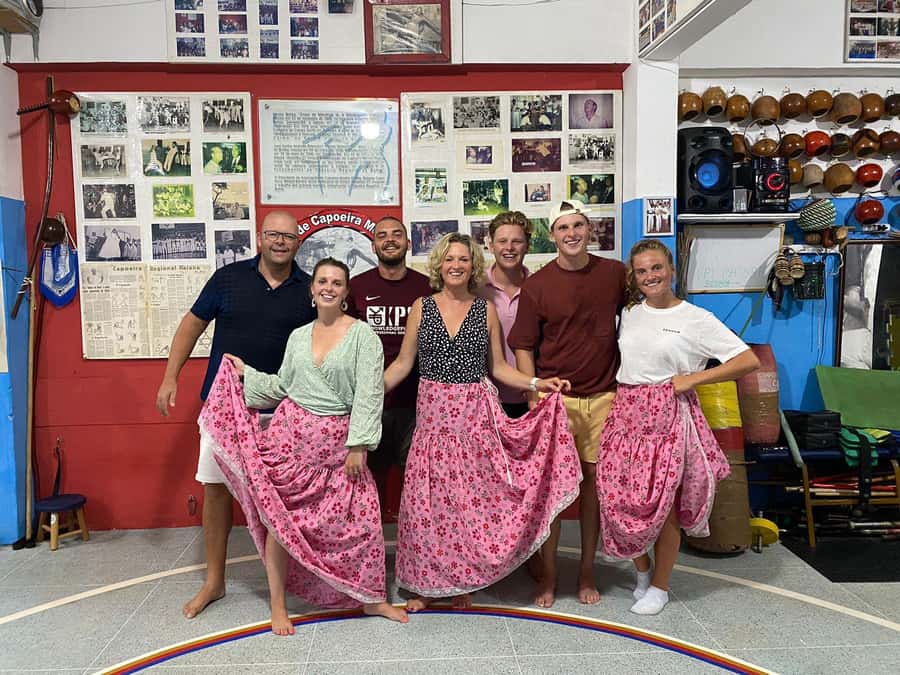
Samba here is more than a dance lesson. You learn basic steps inside the first Capoeira School in Brazil, founded by Mestre Bimba in 1937, then connect those movements to Bahia’s Afro-Brazilian culture. I like the historic setting and the way the class links samba with capoeira, music, and resistance.
I also like the patient English instruction, especially for first-time dancers. Yasmin has earned praise for calm, clear teaching, while other instructors bring the same friendly energy. The main drawback is time: one hour gives you a good start, not mastery, and the class does not include pickup from your hotel.
Key points to know before you book
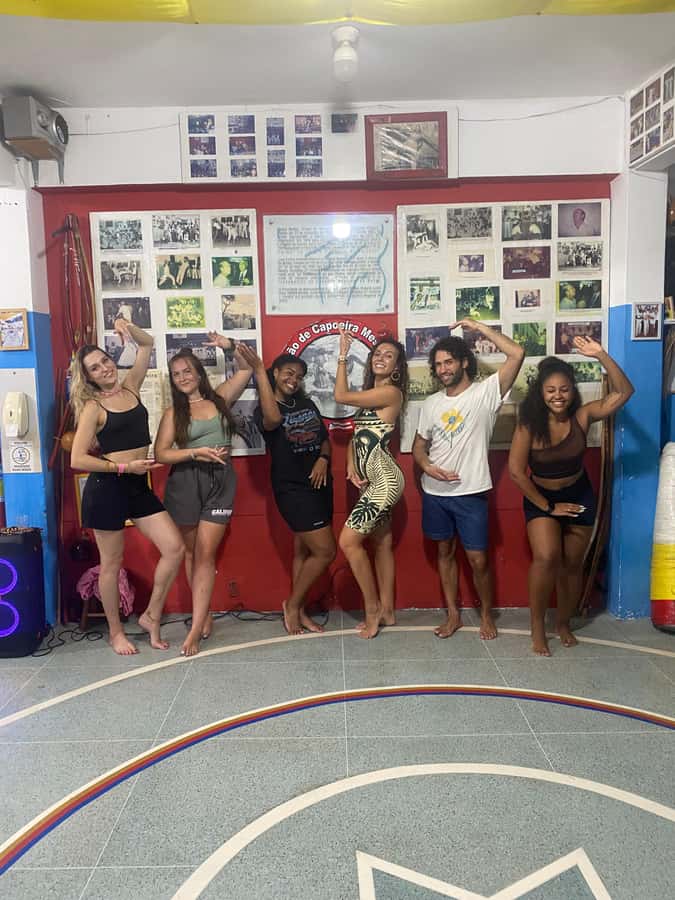
- A historic Salvador venue: The class takes place at Associação de Capoeira Mestre Bimba, a school with roots reaching back to 1937.
- Beginner-friendly steps: No dance experience or partner is needed, making this easy to join alone or with family.
- Culture comes with the movement: Your instructor explains samba’s Afro-Brazilian roots, its past criminalization, and its place in Brazil today.
- English and Portuguese teaching: You can follow the lesson and ask questions in English, with Portuguese also available.
- A compact one-hour activity: It fits neatly into a day in Salvador, though you should expect an introduction rather than a full dance course.
- Central meeting point: Find the school at Largo do Terreiro de Jesus, near Ó Pai Ó Restaurante and São Domingos Gusmão Church.
Why this samba class matters in Salvador
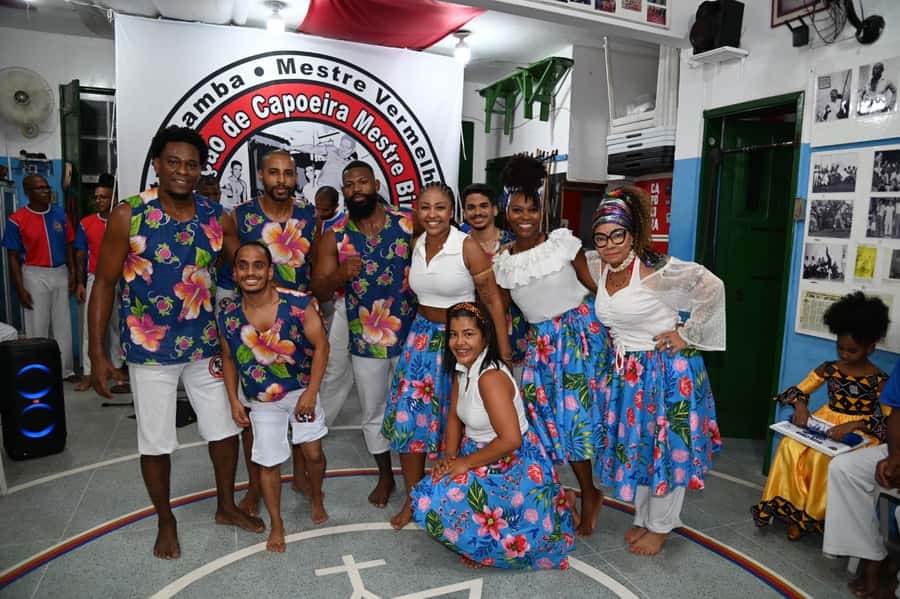
Salvador is one of Brazil’s best places to encounter the African roots of Brazilian culture. Samba is often linked in the public mind with Rio’s Carnival, but its story also reaches back to Afro-Brazilian communities in Bahia in the late 19th century.
That story is not simple. African cultural practices such as capoeira, Candomblé, and samba were treated with suspicion and, at times, criminalized. What was once pushed aside is now part of Brazil’s national identity. UNESCO recognizes samba as an Intangible Cultural Heritage of Humanity.
That context gives this class more weight than a standard dance lesson. You are not simply copying footwork for an hour. You are learning how music and movement helped preserve identity under pressure.
I value that connection because it gives the basic steps a reason. The dance becomes easier to remember when you understand the people and traditions behind it. Your instructor explains the background in plain English, then brings you back to the physical work of moving with the rhythm.
more samba nights in Salvador
- Salvador: Cultural Night of Capoeira, Samba, and Drumming
★ 4.9 · 17 reviews - Rio de Janeiro: Beginner Samba Lesson in Ipanema
★ 4.9 · 1,071 reviews - Rio: Pub Crawl in Lapa with Cachaça Tasting and Live Samba
★ 4.7 · 881 reviews
Arriving at Mestre Bimba’s school
You meet at Associação de Capoeira Mestre Bimba. There is no hotel pickup, so you need to make your own way to the school.
The meeting point is in the Largo do Terreiro de Jesus area. Ó Pai Ó Restaurante and São Domingos Gusmão Church are useful nearby landmarks if you are checking your location or asking for directions. The central position also makes this a practical activity to pair with time around Salvador’s historic center.
The venue itself is part of the experience. This is described as the first Capoeira School in Brazil, founded in 1937 by Mestre Bimba, the creator of Capoeira Regional. The school was regarded as a place of cultural resistance, sometimes compared with a quilombo because of its role in protecting and sustaining African-Brazilian traditions.
You should allow a little extra time to find the address, especially if you are unfamiliar with the area. One particularly useful detail from the class arrangements is that directions and arrival information can be shared by WhatsApp. If you are attending in the evening, it is also sensible to pay attention to the instructor’s local advice about getting to and from the venue.
The first few steps of the lesson
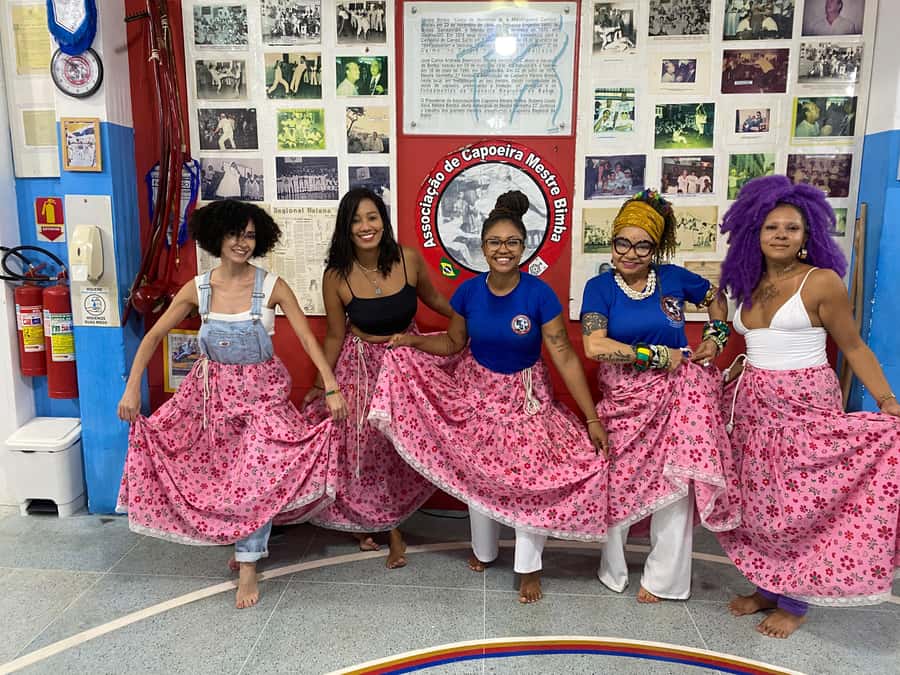
The class begins at a gentle level. You do not need to arrive with rhythm, flexibility, or a dance partner. The teaching is designed for beginners, and the instructor breaks the movements into manageable parts.
Expect to work on the basic samba steps first. The aim is to help you feel the beat and coordinate your feet before adding more movement. A good teacher will repeat the pattern, watch how you are doing, and help you relax into it. That last part matters. Many people tense up when they think they are being watched, and samba is much easier when you stop treating every step like an exam.
The class is interactive rather than a lecture. You hear an explanation, try the movement, then repeat it with music. The rhythm does much of the teaching once your feet begin to understand the pattern.
The one-hour length is both a strength and a limitation. It is short enough for a first attempt and easy to fit between sightseeing plans. It is also long enough to leave you with several usable movements. But you should not expect a polished performance or a full course in Bahia’s many dance traditions.
One participant described finishing the class with enough moves to really get into the music, while also admitting to working up a sweat. That is a fair expectation. This is fun, but it is still physical activity.
Learning with Yasmin and the English-speaking instructors
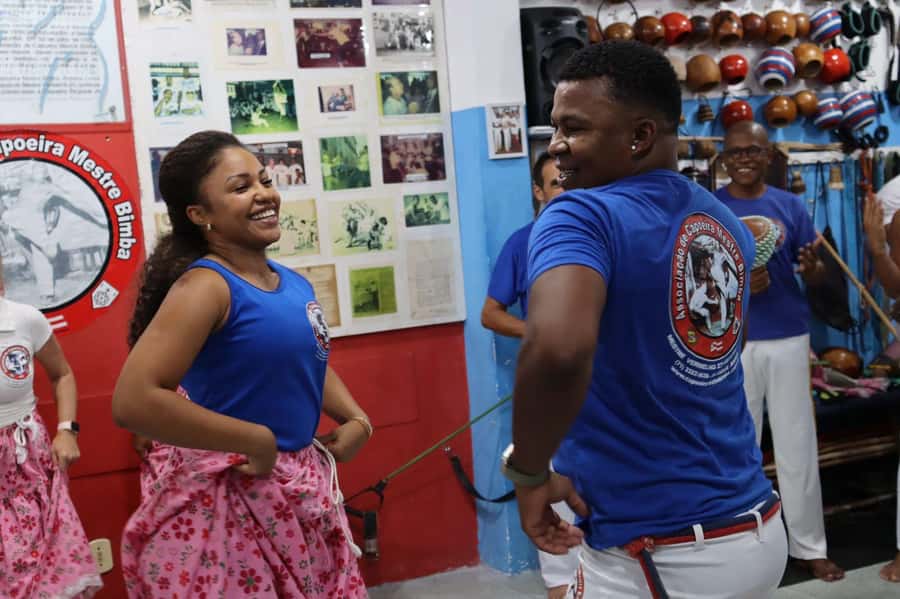
Yasmin is the instructor most often singled out in the available feedback. Her teaching style is described as patient, calm, encouraging, and clear. That combination is especially helpful when you are new to both samba and Brazilian dance etiquette.
She also explains the history of samba and capoeira, rather than treating the background as a quick introduction before getting to the fun part. Her calm manner can make the class less intimidating, particularly if you are traveling alone or feel awkward about dancing in front of others.
The class is offered in English and Portuguese. Fluent English instruction means you can follow both the physical directions and the cultural explanations without guessing at key points. That is a real advantage in a class where the meaning behind the movement matters as much as the movement itself.
Teaching can vary by instructor, but the strongest pattern here is personal attention and encouragement. People have taken the class with spouses, daughters, friends, and teenagers. It works for a mixed group because nobody needs prior training.
If you are bringing a young person, the experience has already worked well for a 15-year-old stepdaughter attending with a parent. If you are bringing someone who claims not to like dancing, the relaxed teaching may help. Still, nobody should feel pressured to perform. The point is to participate at your own pace.
A different side of Salvador altogether:
- Cooking class in Salvador, an authentic dinning experience
★ 5.0 · 132 reviews - Tour to the Frades Islands and Itaparica, from Salvador – Ba
★ 4.0 · 130 reviews - From Salvador: Schooner Tour to Frades Islands and Itaparica
★ 3.9 · 98 reviews - Tour Praia do Forte and Guarajuba, Leaving Salvador-Bahia.
★ 4.5 · 97 reviews
Samba, capoeira, and the story of resistance
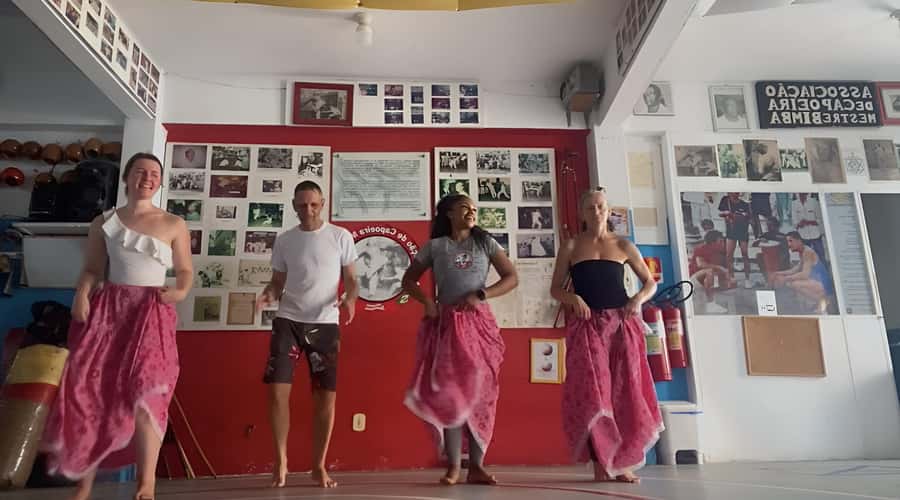
The link between samba and capoeira is one of the most interesting parts of the experience. Both grew from Afro-Brazilian communities, and both were once viewed with suspicion by authorities. In Bahia, these traditions are not separate museum subjects. They belong to the living culture of Salvador.
At Mestre Bimba’s school, the setting makes that link easier to understand. The institution was founded by a major figure in capoeira, and the class explains how cultural practices survived despite official pressure. The school’s long history gives the lesson a sense of place that a hotel ballroom or generic dance studio could not provide.
You may also hear about related music and instruments. One participant received a samba and drum class and found the historical explanation especially useful. The standard activity described here is the samba lesson, so you should not assume a drum lesson is automatically included, but the school’s wider work reaches beyond dance.
This is where the experience earns its cultural value. You get a physical introduction to samba, but you also see how a school can protect cultural memory. I would choose this class over a purely recreational dance session if you want your Salvador activities to connect with the city’s past.
What the class feels like in practice
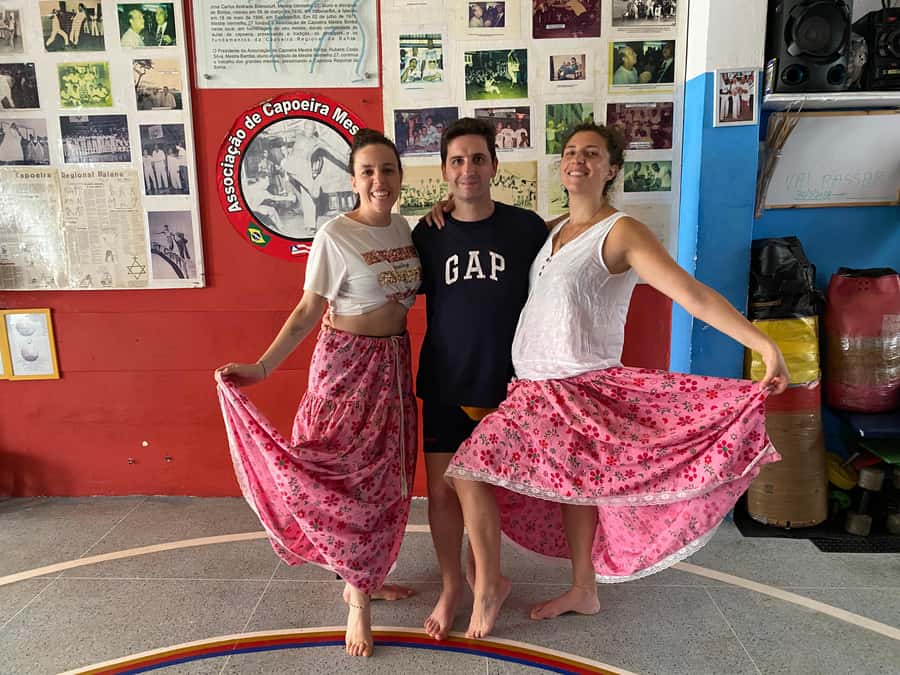
You start by listening and watching. Then you copy the instructor’s basic movements, first slowly and then with music. The pace is meant to keep beginners involved rather than leave them behind.
The atmosphere is encouraging. Yasmin is described as especially good at making people feel comfortable, and that matters more than flashy choreography in a first class. You want corrections that are clear without making you feel clumsy. You also want enough repetition to leave with something you can remember later.
By the middle of the session, you should expect to be moving more freely. You may still miss a step, but the rhythm becomes less foreign. That moment is the reward: not perfection, but the feeling that you can join the music instead of merely watching it.
The class suits couples, friends, parents with older children, and solo visitors. No partner is required, so you are not dependent on finding someone who wants to dance. That makes booking easier for solo visitors and mixed-interest groups.
Wear something that lets you move comfortably. The supplied information does not set out a dress code, so I would keep it simple and practical. You may sweat, especially once the music picks up.
Price, timing, and what you receive
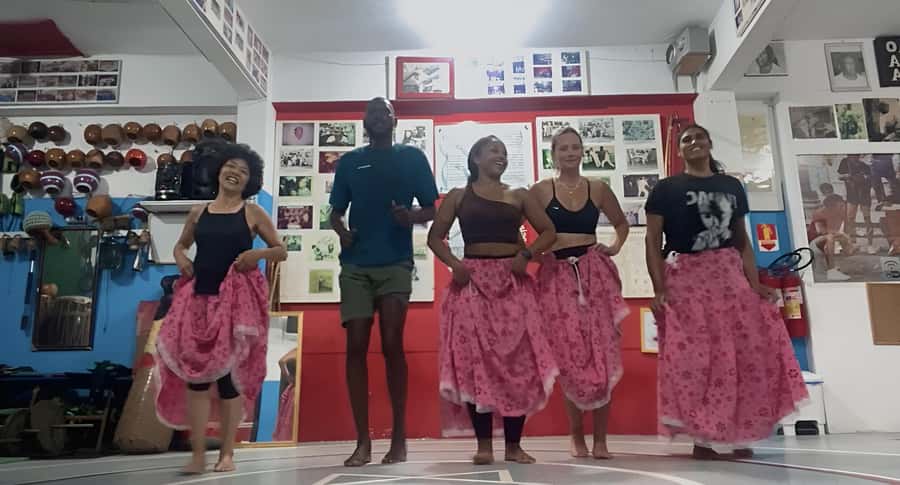
The price is $43 per person for one hour. That is not the cheapest way to fill 60 minutes in Salvador, but the value depends on what you want from the class.
You are paying for more than a basic dance tutorial. The price includes the samba lesson, an English-speaking instructor, access to a historically important capoeira school, and explanations of samba, capoeira, Brazilian music, and Salvador’s cultural past.
For someone seeking only exercise, $43 may feel high for a short class. For someone who wants a focused cultural activity in a meaningful venue, it is easier to justify. You also avoid the time commitment of a half-day tour, and the class can fit around other plans in the city center.
The strongest value comes if you take the historical explanation seriously. If you rush through the talk and treat the session as a quick photo opportunity, you miss much of what makes the setting special.
The activity lasts one hour, with starting times based on availability. You should check the schedule before building the rest of your day around it. The provider offers reserve now and pay later, which helps if your Salvador plans are still shifting, and cancellation is free up to 24 hours in advance for a full refund.
Who should book this experience
I would recommend it most strongly to first-time samba dancers who want a cultural introduction rather than a demanding technical course. You do not need to know the steps, bring a partner, or speak Portuguese.
It is also a good choice for:
- Solo visitors looking for a structured activity
- Couples who want something more active than a walking tour
- Families with older children or teenagers
- Travelers interested in Afro-Brazilian culture
- Anyone considering a capoeira class and wanting to understand the setting first
- Visitors spending only a short time in Salvador
You may want to skip it if you dislike group movement, have very limited time near the meeting point, or want advanced choreography. The class is built around basics, history, and enjoyment. It is not presented as professional dance training.
If you are thinking about pairing it with a capoeira class, plan for more exertion. One participant who combined the two described it as a great workout. That combination may suit active visitors, but it could be too much if you want a gentle cultural stop.
Small details that make the experience better
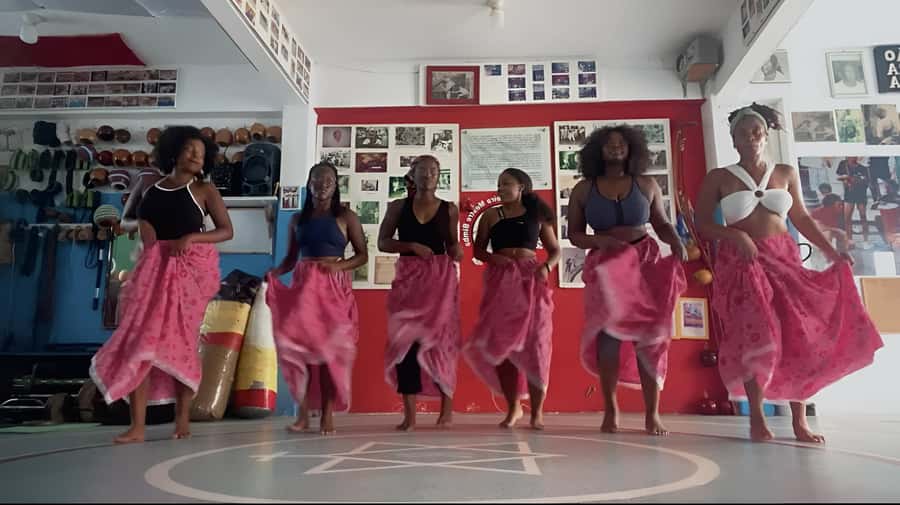
Read the meeting instructions carefully. There is no pickup service, and using Ó Pai Ó Restaurante or São Domingos Gusmão Church as reference points can make the school easier to locate.
Ask questions during the history portion. This is your chance to understand why the venue matters and how samba relates to capoeira. The explanations are not filler, they are the part that turns a dance lesson into a Salvador experience.
Do not worry about looking polished. The instructors work with beginners, and the class is meant to make you comfortable. Relax your shoulders, follow the rhythm, and accept that your first attempt may look more determined than graceful.
If you are concerned about evening arrangements, use the instructor’s local guidance. Yasmin has helped students with practical information about arriving safely and navigating Brazil. That kind of support is useful on your first day in the country, when even a simple meeting point can take extra thought.
Should you book the Samba de Roda class?
I would book this if you want to feel Salvador’s culture through your own movement, not just hear about it from a guide. The combination of a one-hour beginner lesson, English instruction, and Mestre Bimba’s historic school gives the activity a clear purpose.
The best reasons to go are the venue, the cultural context, and the patient teaching associated with Yasmin. The main caution is the short duration. You will leave with basic steps and a better sense of samba, not years of technique.
At $43, it is a fair choice for a compact, personal cultural activity, especially early in your visit. It can help you understand the city before you encounter more music, dance, and capoeira elsewhere in Bahia. Book it if you want a welcoming first step into samba and do not mind doing a little footwork yourself.
FAQ
How long does the samba class last?
The activity lasts one hour. Starting times depend on availability, so check the schedule when booking.
Is the class suitable for beginners?
Yes. No dance experience is necessary, and the lesson teaches the basic steps of samba.
Do I need to bring a dance partner?
No. A partner is not required, so you can attend alone or with friends and family.
Is the instructor fluent in English?
Yes. The instructor speaks English, and Portuguese is also available.
Where does the class meet?
The meeting point is Associação de Capoeira Mestre Bimba. Ó Pai Ó Restaurante and São Domingos Gusmão Church, both in Largo do Terreiro de Jesus, are nearby landmarks.
Is hotel pickup included?
No. Pickup service is not offered, so you need to reach the meeting point independently.
New in Salvador this month
- From Salvador: Schooner Tour to Frades Island★ 3.9 · 3 reviews
- From Salvador: Quilombo Heritage Daytrip with Lunch★ 3.4 · 3 reviews
- Salvador: Caipirinha Masterclass with Unlimited Drinks★ 4.2 · 4 reviews
- Salvador: Schooner Cruise with Pickup and Itaparica Stop★ 3.8 · 5 reviews
- BOXE CLASS – EX BAHIAN CHAMPION (SALVADOR-BA)★ 5.0 · 7 reviews
- Salvador by Night: Pelourinho & Old Town Tour★ 4.3 · 8 reviews
- Salvador: 3-Hour Percussion Class★ 4.9 · 10 reviews
- Salvador: Traditional Drumming and Percussion Workshop★ 4.4 · 10 reviews
Salvador Tours, compared.
Cooking class in Salvador, an authentic dinning experience
Read our review →
Tour to the Frades Islands and Itaparica, from Salvador – Ba
Read our review →
From Salvador: Schooner Tour to Frades Islands and Itaparica
Read our review →
Tour Praia do Forte and Guarajuba, Leaving Salvador-Bahia.
Read our review →
Afro-Brazilian Roots Private City Tour in Salvador
Read our review →


Schooner Trip Only Ilha dos Frades, Leaving Salvador-Bahia.
Read our review →Browse the lists this tour appears in