
Our review · SALVADOR TOURS
Salvador: Anthropological City Tour with Lunch IN 6 HOURS
Salvador’s African story is not kept behind glass. It lives in markets, faith communities, food, music, and the daily life of neighborhoods shaped by people who fought to preserve their freedom and beliefs. This six-hour tour brings those threads together, from the old city to the seaside shrine of Yemanjá.
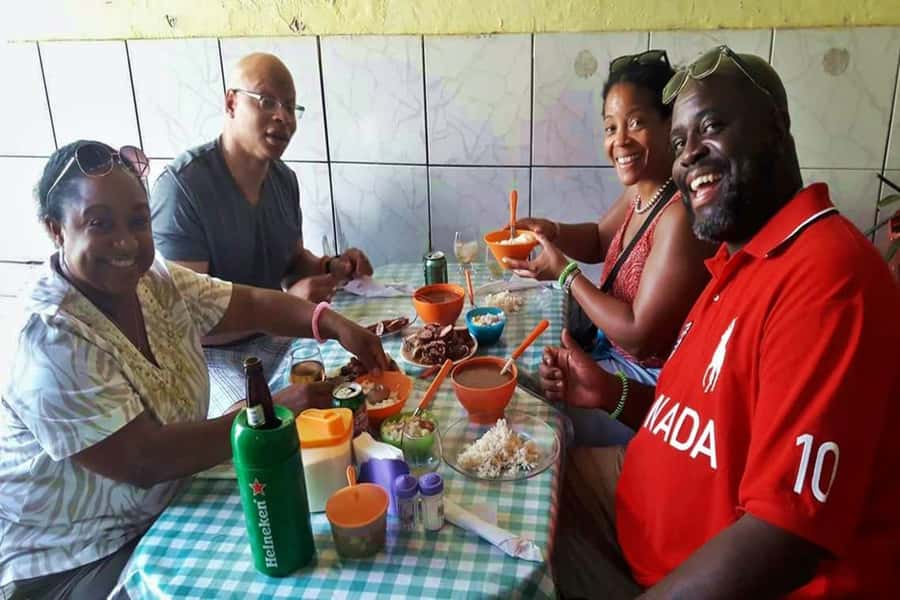
I like the small group of up to four people, which gives you room to ask questions. I also like the homemade feijoada lunch with a Black family in Garcia, a meal that gives the day a personal center rather than another stop for a quick restaurant plate.
The main drawback is the packed schedule. You cover a lot of ground in six hours, and some visits are brief. The tour is also not wheelchair accessible, and drinks are not included, so bring water and plan for a full, moving day.
Key points to know before booking
- A six-hour route through Afro-Brazilian Salvador: You move from Pelourinho and the Afro-Brazilian Museum to São Joaquim Market, historic port areas, Candomblé, and Rio Vermelho.
- Lunch in a Black community: A family with more than 50 years of tradition serves homemade feijoada in the Garcia neighborhood.
- A very small group: The tour is limited to four participants, a useful size for a subject that invites questions.
- Strong guide component: Mônia and D. Maria are named guides associated with especially praised visits, with Fernando also noted for making the local lunch possible.
- A visit to an important Candomblé terreiro: Ile Iya Axe Nasso Oka is described as the first Yoruba-origin terreiro founded in the New World.
- Practical limits: Hotel pickup and drop-off are included, but drinks are extra and the tour is not suitable for wheelchair users.
Why this tour matters in Salvador
Many city tours treat Salvador’s African influence as a colorful side note. This one puts it at the center. That choice matters because Bahia’s culture cannot be understood through churches, colonial facades, and scenic viewpoints alone.
The route links places connected to forced migration, resistance, religion, food, and community life. You see how the story changes from the grand historic center to working neighborhoods, a major market, a former port, and the beach at Rio Vermelho.
The tour also gives you a guide to help connect those locations. Mônia is praised for explaining Salvador’s people and cultural expressions, while D. Maria is noted for answering detailed questions about Bahia, spirituality, and world history. You should feel free to ask direct questions, especially about Candomblé and the survival of African traditions in Brazil.
A current rating of 4.9 from 20 ratings suggests a consistently strong response, with the guide and the local lunch receiving the most attention. Still, this is not a passive sightseeing circuit. You need to be ready for serious history, religious subjects, changing city districts, and a schedule that keeps moving.
More City Tours in Salvador
- Afro-Brazilian Roots Private City Tour in Salvador
★ 4.7 · 88 reviews - City Tour in Salvador discover the first capital of Brazil
★ 5.0 · 69 reviews - Historical African oriented City Tour
★ 5.0 · 52 reviews
Starting in the historic heart of Pelourinho
The day begins with pickup at your Salvador hotel. From there, you head into the historic area, including Pelourinho, the UNESCO World Heritage Site known for its old architecture and steep streets.
Pelourinho is one of Salvador’s essential stops, but its past demands care. The name refers to the pillory once used for public punishment, and the district is tied to the city’s colonial economy and enslavement. Here, the tour’s Afro-Brazilian focus helps keep the pretty facades from becoming the whole story.
The visit includes the Afro-Brazilian Museum, whose collection presents the history and culture of Black people in Brazil. This gives you an early framework for the rest of the day. Instead of seeing later sites as isolated attractions, you can place them within a longer story of African origins, forced arrival, resistance, and cultural survival.
The scheduled Pelourinho visit lasts about an hour, including guided touring and time for photos. Wear comfortable shoes. The old district is made for walking, and the tour does not appear designed for extended free time or a slow, independent wander.
Dique do Tororó and Salvador’s public spaces
Dique do Tororó is listed as one of the stops, with about 20 minutes for a visit and photos. The stop is short, so think of it as a focused look rather than a long break.
The site gives the route a change of pace after the historic center. It also keeps Afro-Brazilian religious imagery visible in Salvador’s public life, an important point when you are learning how Orixás and Bahia’s traditions appear beyond formal religious buildings.
Because the schedule includes several short stops, your guide’s explanation will shape what you take away. This is one reason the small group helps. With only four people, you can ask for context instead of simply taking a picture and getting back in the vehicle.
Riding toward the railway suburbs
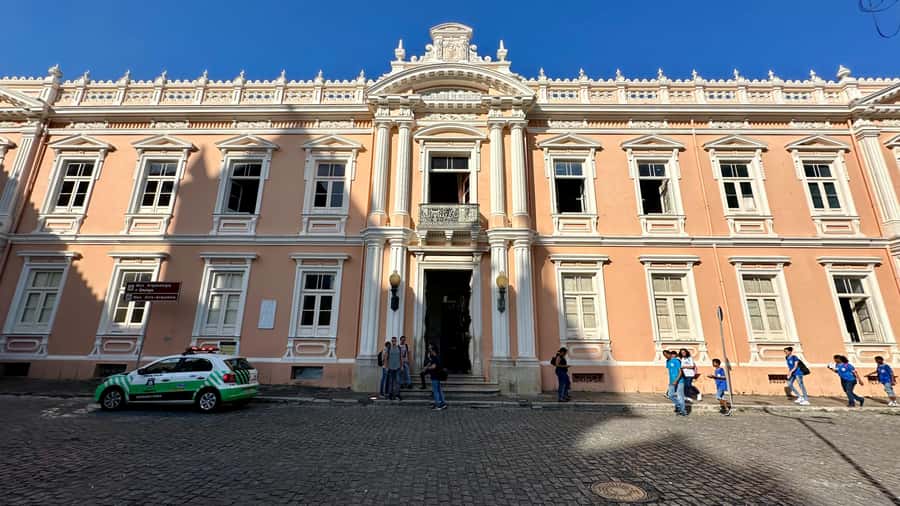
The route then moves through the railway suburbs, where you see how the city changes as you leave the historic core. The tour presents these areas in connection with communities descended from enslaved people, giving you a wider view of Salvador than the usual old-town circuit.
This part is less about a single famous monument and more about how people live across different parts of the city. You may find the change in streets, buildings, and daily activity more revealing than another polished viewpoint. The vehicle transfers also matter here, since reaching these districts on foot from Pelourinho would not be practical within six hours.
The stop is listed at roughly 40 minutes. That is enough for a guided look and photos, but not for an extended neighborhood visit. Listen closely to the local and historical context, since the value of this section comes from interpretation rather than a long list of sights.
more Salvador days to choose between
- Full-Day Historic Private City Tour of Salvador with Lunch
★ 5.0 · 50 reviews - From Salvador: Quilombo Heritage Daytrip with Lunch
★ 3.4 · 3 reviews - Rio de Janeiro: 6-Stop Highlights of Rio with Lunch
★ 4.4 · 5,157 reviews - Rio: Christ the Redeemer, Sugarloaf, Selaron & BBQ Lunch
★ 4.5 · 2,428 reviews
São Joaquim Market, where history meets daily trade
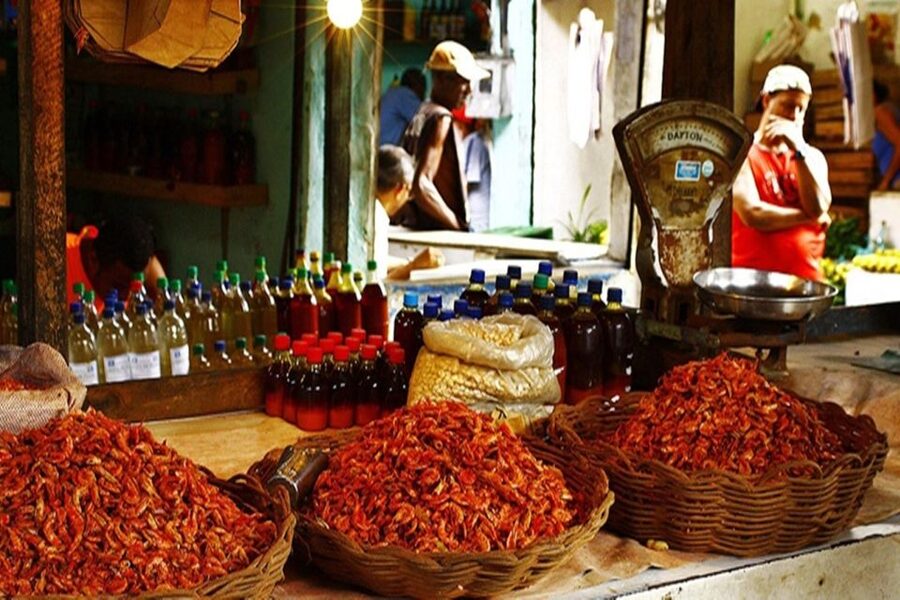
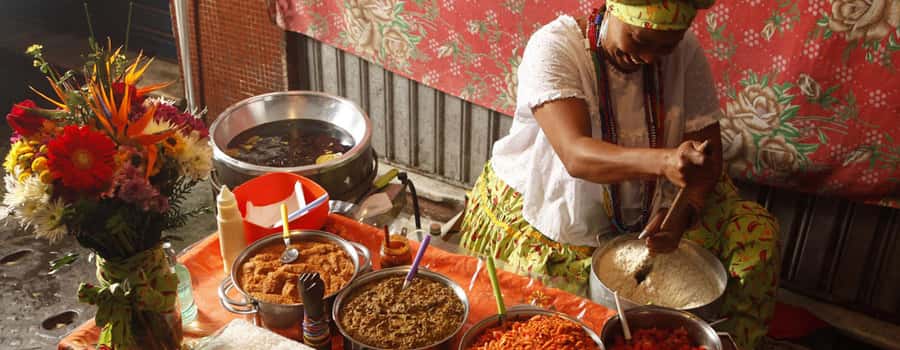
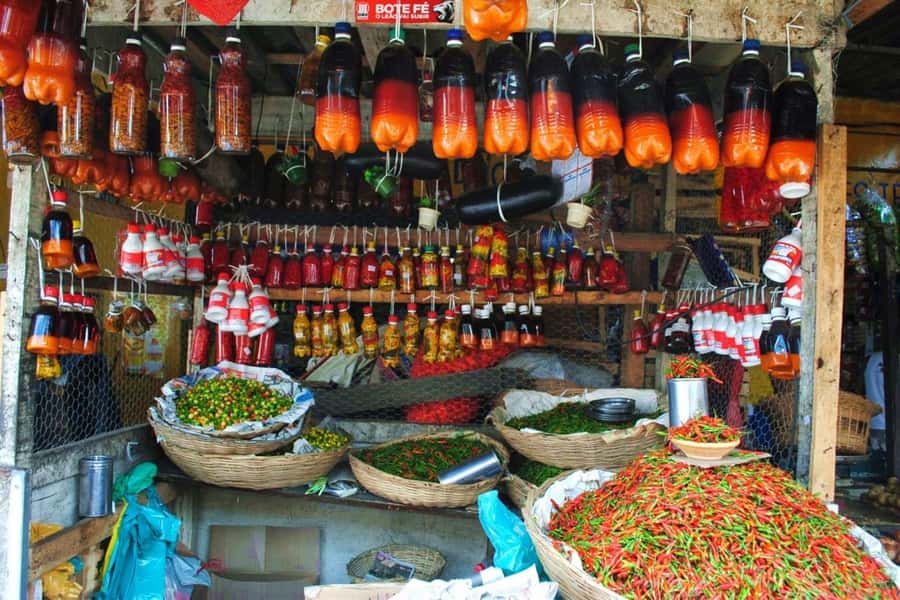
São Joaquim Market is one of the most useful stops for understanding Salvador today. It is the city’s largest open market and is recognized as part of Brazil’s intangible heritage. The market was founded by enslaved Africans in the 19th century, adding a difficult historical layer to a place that remains part of ordinary city life.
Markets can tell you more about local habits than a formal museum. Here, you can expect an active setting with food and goods connected to Bahia’s daily culture. The tour gives you a chance to see how African influence remains present in commerce, cooking, religious practice, and community life.
The visit lasts about 40 minutes. That is enough to get a clear sense of the market, but it may feel quick if you enjoy browsing or shopping. If you want to buy something, ask your guide how much time is realistic before making a purchase.
São Joaquim is also a good place to keep an open mind. It is not presented as a staged cultural show. The appeal is the connection between history and everyday use, though that also means the setting may feel crowded or lively at times. The listing does not promise a tasting session, so do not book this portion expecting a market meal.
From the old port to the history of forced arrival
The tour continues to an old port where Africans arrived and where a slave market once operated. This is one of the most serious parts of the day. You are not simply looking at an old building or taking a quick photo. You are confronting a place connected to the forced movement and sale of human beings.
A good guide is especially important here. The experience depends on accurate explanation and respectful treatment, not dramatic storytelling. D. Maria is praised for connecting Bahia’s history with its cultural and spiritual life, which is the kind of wider context this stop needs.
The tour’s purpose is not to reduce Salvador’s African heritage to suffering. It shows how people and their descendants preserved religious practices, family traditions, foodways, and community ties despite that history. That balance makes the port visit useful, though some people may find the subject emotionally heavy.
Entering Ile Iya Axe Nasso Oka
One of the most distinctive stops is Ile Iya Axe Nasso Oka, described as the first Candomblé terreiro of Yoruba origin founded in the New World. The terreiro is grounded in matriarchal leadership, another detail that gives the visit a clear social and religious focus.
Candomblé is not simply a performance or a set of colorful images for outsiders. It is a living faith with African roots and a major place in Bahia’s cultural life. Approach this stop with respect. You are there to learn about a religious tradition and the people who have protected it, not to treat sacred practice as a photo prop.
The tour description does not state how long this visit lasts or whether a ceremony will take place. That uncertainty is worth noting. You should expect an introduction to an important religious site, but not assume that you will witness a ritual or meet religious leaders unless your guide confirms it.
This is another point where a small group helps. A group of four can keep the visit quieter and make it easier to ask sensitive questions in a thoughtful way. Guides who can explain spirituality without reducing it to simple tourist language add real value here.
Lunch with a Garcia family and homemade feijoada
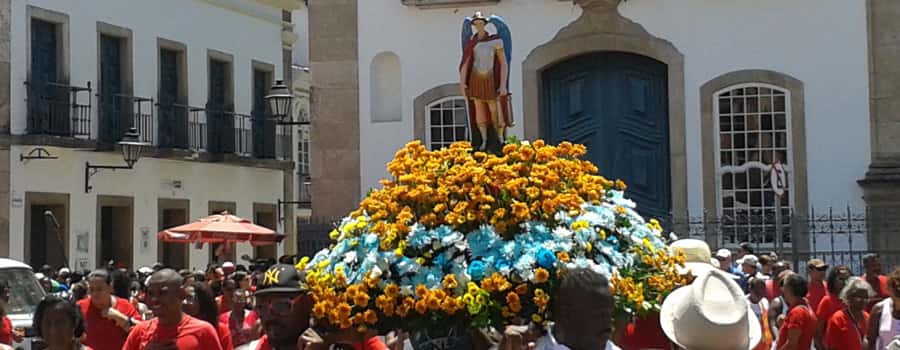
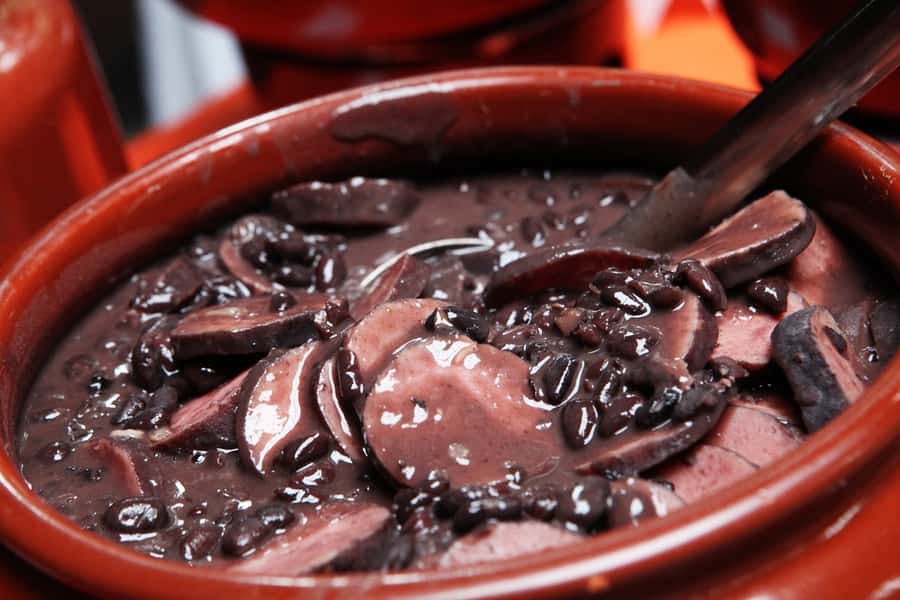
Lunch is the warmest part of the itinerary. In the Garcia neighborhood, you share a traditional meal in a Black community with a family that has more than 50 years of experience preparing food. The dish is feijoada, a homemade bean stew closely tied to Brazilian cooking.
This meal changes the rhythm of the tour. After museums, streets, and historical sites, you sit down with food and conversation. The experience is valuable because it connects culture to hospitality and family tradition, not just to formal institutions.
The lunch lasts about one hour. Drinks are not included, so budget for them separately. A vegetarian option is available, but you must request it when booking. You should also state any other dietary requirements at that time, since the meal is arranged around a family kitchen rather than a large restaurant menu.
The lunch is a major reason to consider the tour. Fernando is specifically praised for making a local lunch possible, and that detail points to the kind of access this experience offers. You would be unlikely to find this meal through a standard sightseeing bus.
At the same time, keep your expectations clear. This is not described as a cooking class or a long restaurant tasting. It is a traditional lunch in a community setting. If you want a polished dining room, broad menu choice, or included beverages, this may feel basic. If you want a personal meal tied to Salvador’s Black culture, it is likely the strongest part of the day.
Rio Vermelho and the house of the Queen of the Sea
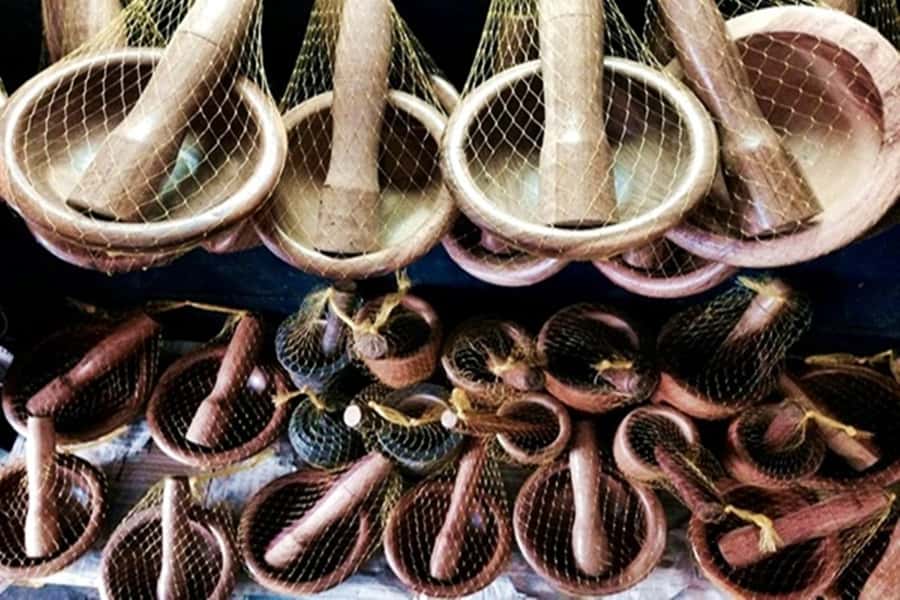
The final cultural stop takes you to the beach at Rio Vermelho, a fishing community associated with Yemanjá, the Orixá of the sea. A house and altar there honor this African divinity, often called the Queen of the Sea.
The location shows how faith and community life meet at the water. Fishermen built the altar in reverence to Yemanjá, and the site becomes the center of a major annual ceremony on February 2. That event gathers more than 400,000 people, according to the tour information.
You will not be attending that annual celebration as part of this six-hour visit unless your date happens to coincide with it, and no special festival access is promised. Instead, you see the place connected to the tradition and learn why it matters.
Rio Vermelho also brings the route back to the coast after a day centered on the city’s African roots. The beach setting is attractive, but the religious meaning should remain the focus. This is not simply a scenic photo stop.
How the timing works in six hours
The tour includes hotel pickup and drop-off, a driver and guide, entrance fees, and a professional guide. The schedule includes several guided visits, two 40-minute stops, a 20-minute stop at Dique do Tororó, one hour for lunch, and about an hour in Pelourinho.
That is a lot for one half-day. The advantage is range. You see major parts of Salvador and cover history, religion, food, community, and public life without arranging separate transport.
The tradeoff is limited time at each place. You will not have hours to shop at São Joaquim Market, study every museum display, or wander freely through Pelourinho. The tour works best if you want a strong introduction and clear context, not a slow day built around one neighborhood.
Pickup at your hotel is useful in a city where moving between districts can take planning. A driver handles the transfers while the guide explains what you are seeing. The maximum of four participants should make the vehicle time more comfortable and the discussion more direct than on a large coach.
Languages, access, and practical planning
Live guiding is available in Spanish, English, French, Italian, and Portuguese. If you care about detailed explanations of history or Candomblé, confirm your preferred language when booking.
The tour is not wheelchair accessible and is not suitable for wheelchair users. The old streets, market setting, religious sites, and changes between vehicle and walking stops may be difficult for anyone with limited mobility.
Free cancellation is available up to 24 hours before the start for a full refund. You can also reserve now and pay later, which helps if your Salvador schedule is still shifting. Confirmation is provided at booking.
At $150 per person, the price is higher than a basic city transfer or standard walking tour. The value comes from what is bundled: private-style transport in a group capped at four, hotel pickup and drop-off, entrance fees, a professional guide, and a meal arranged in a Black community.
I would judge the price by your priorities. If you only want Pelourinho and a few viewpoints, it is probably more than you need. If you want access to several distant areas, detailed cultural interpretation, and a local family lunch in one day, the cost is easier to justify.
Who will get the most from this Salvador tour
I would recommend this experience to you if you want Salvador explained through its African roots rather than presented as a quick colonial sightseeing stop. It suits people who ask questions, care about context, and are comfortable discussing difficult history and living religion.
It is also a good choice if you have only six hours and want someone else to manage the route. The variety is a strength for a first visit: Pelourinho, the museum, Dique do Tororó, railway suburbs, São Joaquim Market, the old port, Candomblé, Garcia, and Rio Vermelho.
You may want another plan if you prefer unstructured time, long museum visits, shopping, or a relaxed beach day. The tour moves across Salvador and keeps to a firm timetable.
The strongest guide experiences are associated with Mônia and D. Maria, while Fernando is linked with the memorable local lunch. Names can vary by date, so treat those as useful possibilities rather than a guarantee. The tour’s 4.9 rating from 20 ratings supports the idea that personal guiding is central to its appeal.
Should you book it?
Book this tour if you want a serious, personal introduction to Salvador’s Black heritage and you value access over free time. The visit to Ile Iya Axe Nasso Oka, the stop at Yemanjá’s altar, and the homemade feijoada lunch give it a character that a standard city tour cannot easily match.
Skip it if you need wheelchair access, dislike a tightly timed route, or want drinks and every meal detail included. For everyone else, the small group, hotel transport, multilingual guiding, and unusual community lunch make $150 a fair price for a concentrated day of learning and local connection.
FAQ
How long does the Salvador Anthropological City Tour last?
The tour lasts six hours, including pickup, guided visits, lunch, and return to Salvador.
What is included in the price?
Entrance fees, lunch, a driver and guide, a professional guide, and hotel pickup and drop-off are included.
Are drinks included with lunch?
No. Drinks are not included.
Where does hotel pickup take place?
Pickup takes place in your hotel lobby in Salvador.
How many people can join the tour?
The tour is limited to four participants.
Which languages are available?
Live guiding is available in Spanish, English, French, Italian, and Portuguese.
Is a vegetarian meal available?
Yes. A vegetarian option is available, but you need to request it when booking.
Is the tour wheelchair accessible?
No. The tour is not wheelchair accessible and is not suitable for wheelchair users.
What is the cancellation policy?
You can cancel up to 24 hours in advance for a full refund. You can also reserve now and pay later.
New in Salvador this month
- From Salvador: Schooner Tour to Frades Island★ 3.9 · 3 reviews
- From Salvador: Quilombo Heritage Daytrip with Lunch★ 3.4 · 3 reviews
- Salvador: Caipirinha Masterclass with Unlimited Drinks★ 4.2 · 4 reviews
- Salvador: Schooner Cruise with Pickup and Itaparica Stop★ 3.8 · 5 reviews
- BOXE CLASS – EX BAHIAN CHAMPION (SALVADOR-BA)★ 5.0 · 7 reviews
- Salvador by Night: Pelourinho & Old Town Tour★ 4.3 · 8 reviews
- Salvador: 3-Hour Percussion Class★ 4.9 · 10 reviews
- Salvador: Traditional Drumming and Percussion Workshop★ 4.4 · 10 reviews
Salvador Tours, compared.
Cooking class in Salvador, an authentic dinning experience
Read our review →
Tour to the Frades Islands and Itaparica, from Salvador – Ba
Read our review →
From Salvador: Schooner Tour to Frades Islands and Itaparica
Read our review →
Tour Praia do Forte and Guarajuba, Leaving Salvador-Bahia.
Read our review →
Afro-Brazilian Roots Private City Tour in Salvador
Read our review →

Schooner Trip Only Ilha dos Frades, Leaving Salvador-Bahia.
Read our review →Browse the lists this tour appears in